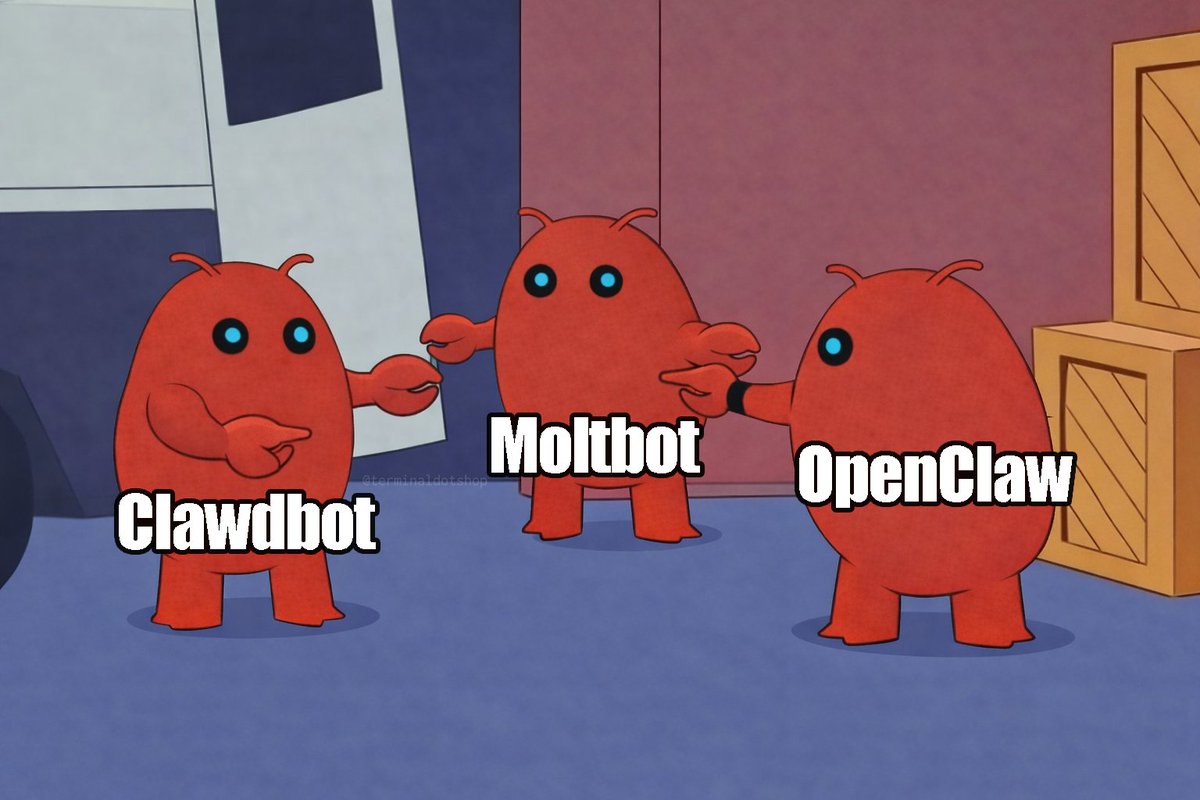
Yo @kdaigle@github pls save me 😭 it's been 2 whole months since my account got suspended and stuck in review. I already replied to the email and accepted all the terms/policies, yet still ghosted, my prod work is literally in shambles rn , pls help escalate 🙏
Yo @kdaigle@github pls save me 😭 it's been 2 whole months since my account got suspended and stuck in review. I already replied to the email and accepted all the terms/policies, yet still ghosted, my prod work is literally in shambles rn , pls help escalate 🙏
Not because it’s wrong because that’s how sharing works.
- If you just held your SOL,
you’d keep all the SOL.
- In the pool,
you end up with less SOL + more USDC.
That difference is impermanent loss.
> In a liquidity pool, your toys are shared.
> When one toy becomes popular, kids take more of it
and give back the other toy
That’s the pool “rebalancing”.
So when SOL goes up a lot:
> The pool slowly gives away your SOL and gives you more USDC instead.
That's why Ethereum isn't just 'money'
It's a global computer where:
- accounts have memory
- code can own ETH
- rules execute automatically
All tracked through world State
Understanding the Ethereum World state (simplified) 👇
1) Ethereum isn't just a list of transactions. It's more like a living system that keeps changing over time .
The key idea behind this ?
is World State.
The important shift in thinking is :
Ethereum Works like a State machine.
Meaning:
- Transactions don't matter by themselves
- What matters is how they change the state
Every new Block does one thing:
It takes Old World State
-applies transactions
-produces new world state