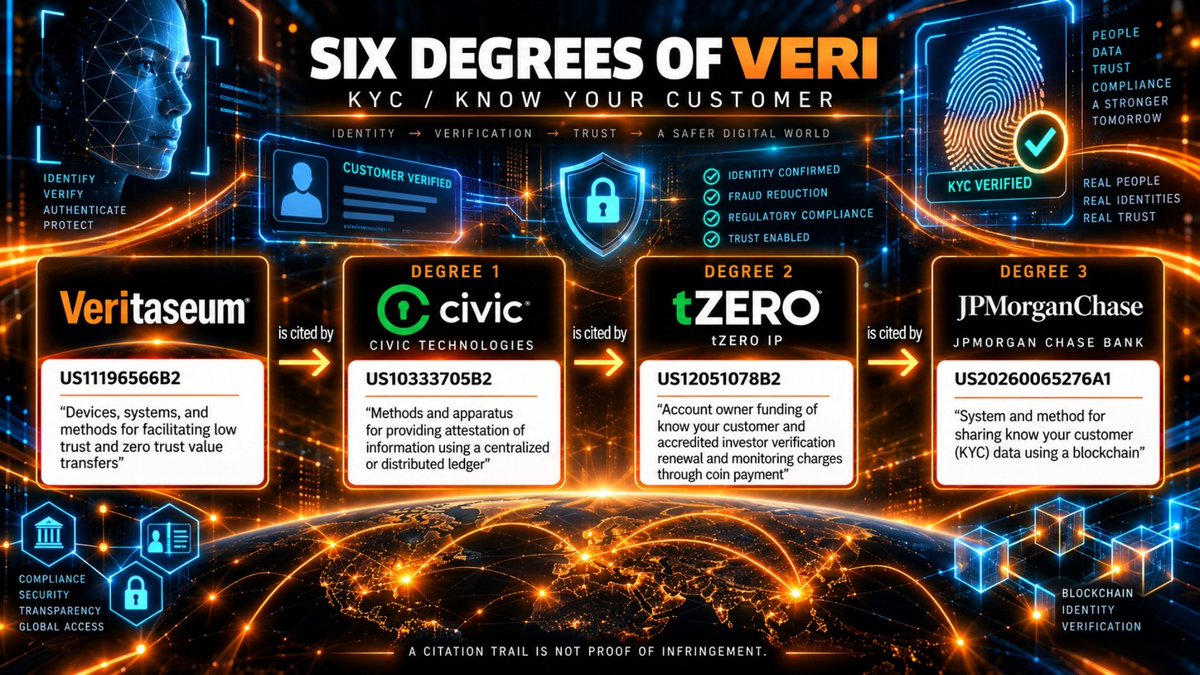
SIX DEGREES OF VERI:
KYC / KNOW YOUR CUSTOMER
KYC doesn’t have to mean surrendering control of your identity.
Receipts:
Veritaseum's ’566 family is cited by Civic.
Civic is cited by tZERO.
tZERO is cited by JPMorgan.
That is a real citation trail.
What does that suggest?
Maybe the future of Know Your Customer should not be a world where banks, exchanges, or institutions own the keys to your personal data.
Maybe the better model is this:
- You hold your identity.
- You control access.
- You decide who can verify what.
- You revoke access when you want.
They verify what they need, without owning your life.
No more honeypots for hackers to attack.
That is the bigger idea here.
Not just compliance.
Not just KYC.
But a different architecture for trust, privacy, and control.
If the foundational tech points toward peer-to-peer value transfer and low-trust / zero-trust systems, then it also raises a serious question:
Why should JPMorgan control your KYC data?
Why should anyone else?
Maybe they shouldn’t.
Maybe there is a better way to store, attest, and share personal data, where the individual stays in control.
That’s what makes this SIX DEGREES OF VERI so interesting.
A citation trail is not proof of infringement.
But it can show where the ideas went.
The element of truth, verified.
@RWAFoundation_ Fixed it for you:
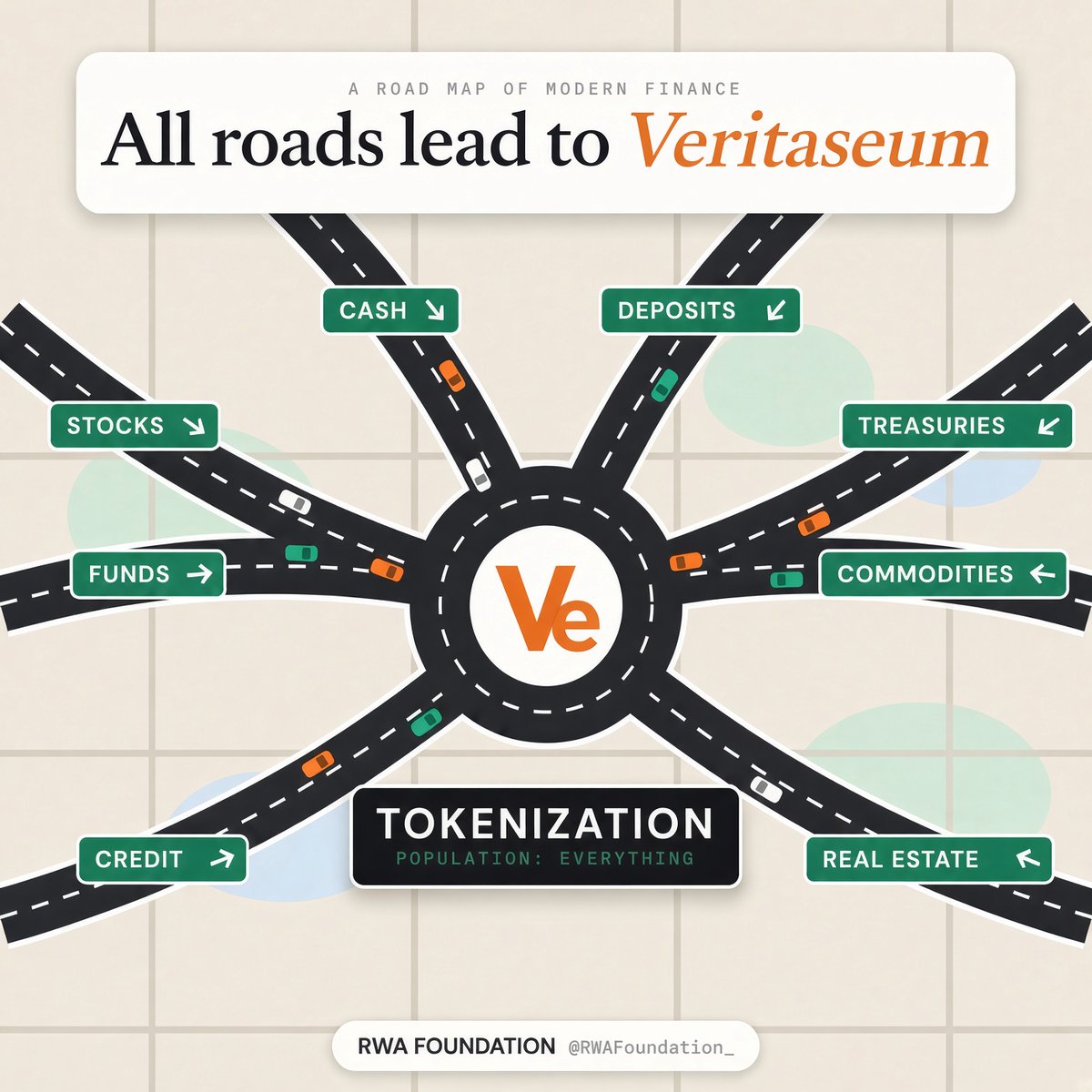
All roads lead to Veritaseum.
Stocks, funds, credit, treasuries, commodities, real estate, cash and deposits & more.
#PatentsMatter
FUN FACT:
1/4 Canada’s banks are exploring tokenized deposits.
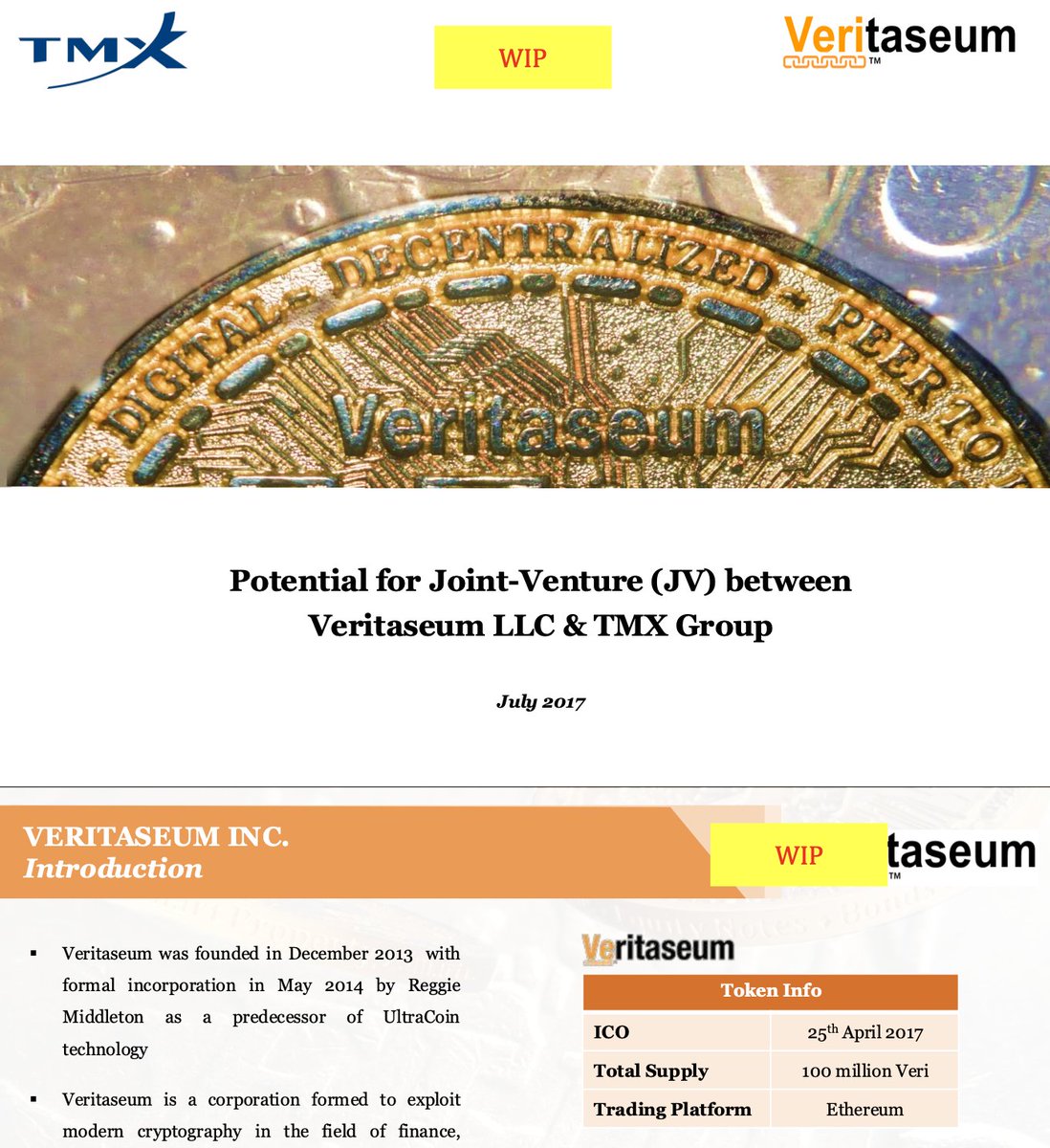
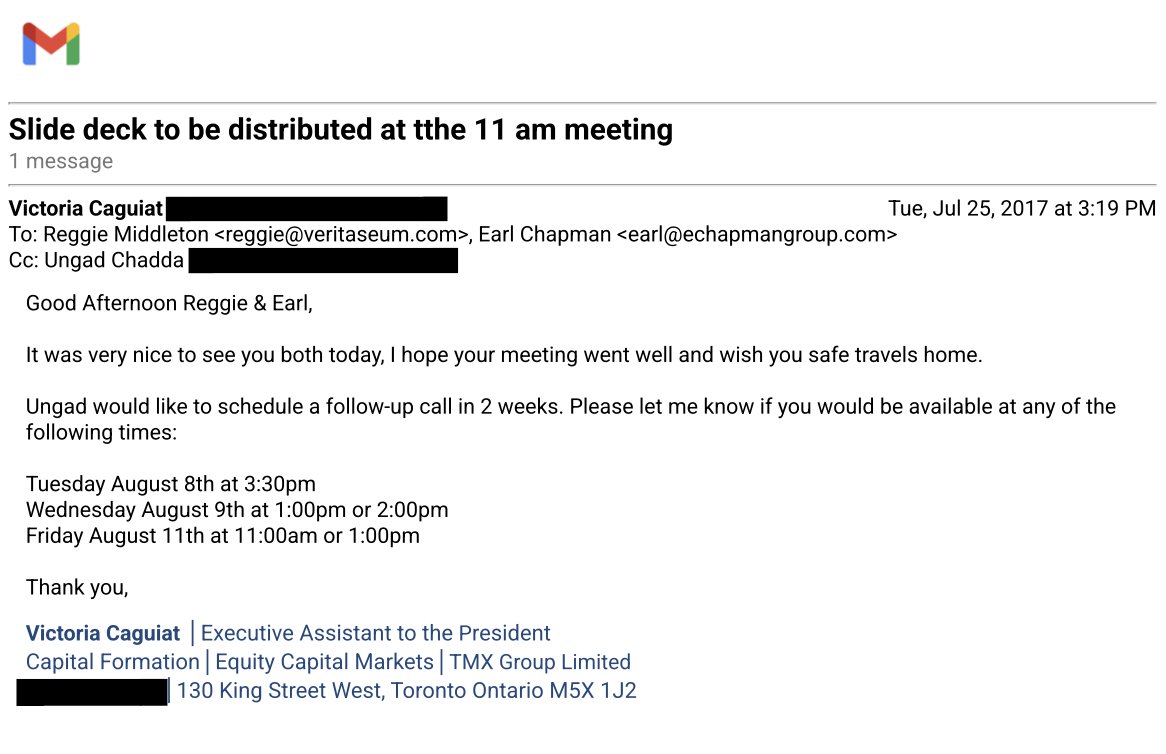
In July 2017, Veritaseum pitched TMX, a group encompassing Toronto and Montréal’s exchanges, a digital-asset exchange connecting investors to Canadian securities.
Coincidently, its lawyers date the SEC investigation to that same summer.
Reggie cooperated, supplied information voluntarily and demonstrated VeADIR to SEC staff over the two year investigation, at a cost of millions of dollars.
Needless to say this deal was disrupted, along with
- a signed MOU with the Jamaican Stock Exchange and,
- a signed Joint Venture agreement with the Nigerian Stock Exchange
Thread Below.
Binance invested $100 million in Circle.
Circle will also pay Binance monthly incentives under their expanded partnership, Reuters reports.
Binance bought company shares, not USDC. The accompanying five year agreement aims to expand USDC distribution.
That makes Binance both a shareholder and a paid distribution partner. More USDC in circulation can generate more income for Circle, but attracting that business comes at a cost.
The question is not just how much USDC grows. It is how much income Circle keeps after paying for that growth.
There is also a separate patent history worth understanding.
Veritaseum Capital’s lawsuits against Circle and Coinbase were dismissed without prejudice in 2023, without resolving the infringement allegations.
The U.S. patent board separately declined to begin a trial on Coinbase’s challenge to five claims of Veritaseum’s patent based on lack of merit, then denied rehearing.
That challenge failed, but the outcome did not establish infringement or validate every patent claim.
The element of truth, verified.
Read the substack article link in the comments for the distribution cost breakdown and the timeline separating the lawsuits from Coinbase’s patent challenge.