A network of researchers, analysts and other professionals who use health data to generate insights that support the health and wellness of all New Zealanders.
Kia kaha @ColinTukuitonga and @BoydSwinburn fronting the academic evidence on New Zealand's sugary drinks hurting our Pacific neighbours. We need health-based trade policy that doesn't profit from harmful products, and puts people first. https://t.co/er4ywxbWot
Opening the discussion about linkage in the IDI and how it might affect your IDI findings - led by Dr Amanda Kvalsvig and funded by @HealthierNZ.
https://t.co/ip0qePLNcP @sheree_gibb@andreamteng
Interesting work by @sheree_gibb et al. using IDI from @Stats_NZ on #obesity in #NewZealand - shows that most territorial authorities experienced a decrease in obesity (from 2010/11–2015/16) however, this equates to an average change of just 0.2%
New IDI study published using primary care data to examine progression of prediabetes to diabetes. People who speak te reo were less likely to progress to diabetes.
https://t.co/CRnNVhkk36
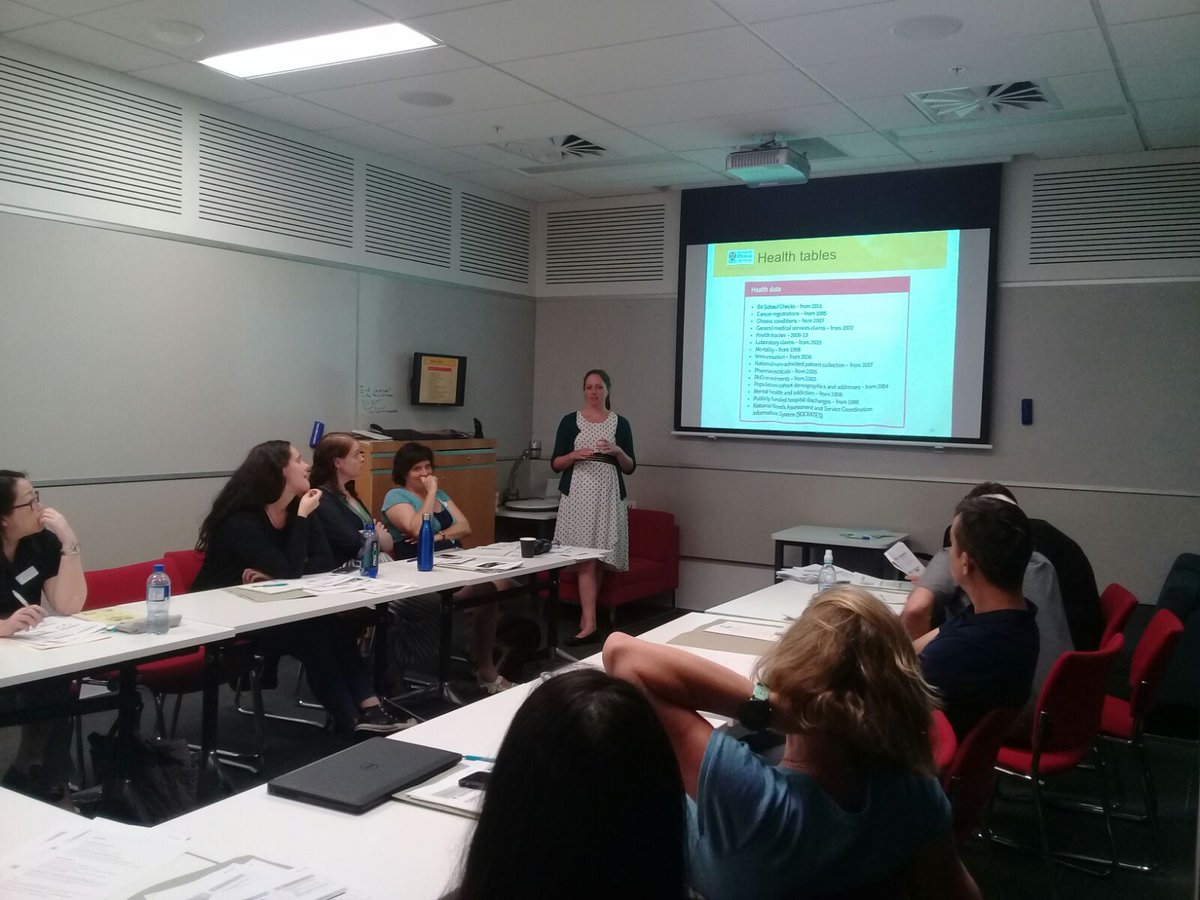
Don't miss out on VHIN Introductory IDI courses coming up in November in Wellington and Dunedin. Courses will also be available in Auckland and Wellington in February! https://t.co/9L1eAISvd3
It’s mental health awareness week. Researchers are using integrated data to gain a better understanding of the long-term, system-wide causes and impacts of mental health - @Stats_NZ#MHAWNZ https://t.co/Azsfp7hRE9
With linked data, researchers analysed the long term impact of housing damage from the Christchurch earthquakes on cardiovascular events.
https://t.co/VIGe16lCdj
For World Heart Day, see the ground-breaking heart health insights integrated data is making possible. Researchers can gain a more complete picture of the long term causes and impacts of heart health, and who is most at risk. https://t.co/zmgve9LKlA
Minister @DavidClarkNZ lays out his expectations for action by food industry and his passions for improving health equity in NZ including through healthier diets. #nzdietdisease