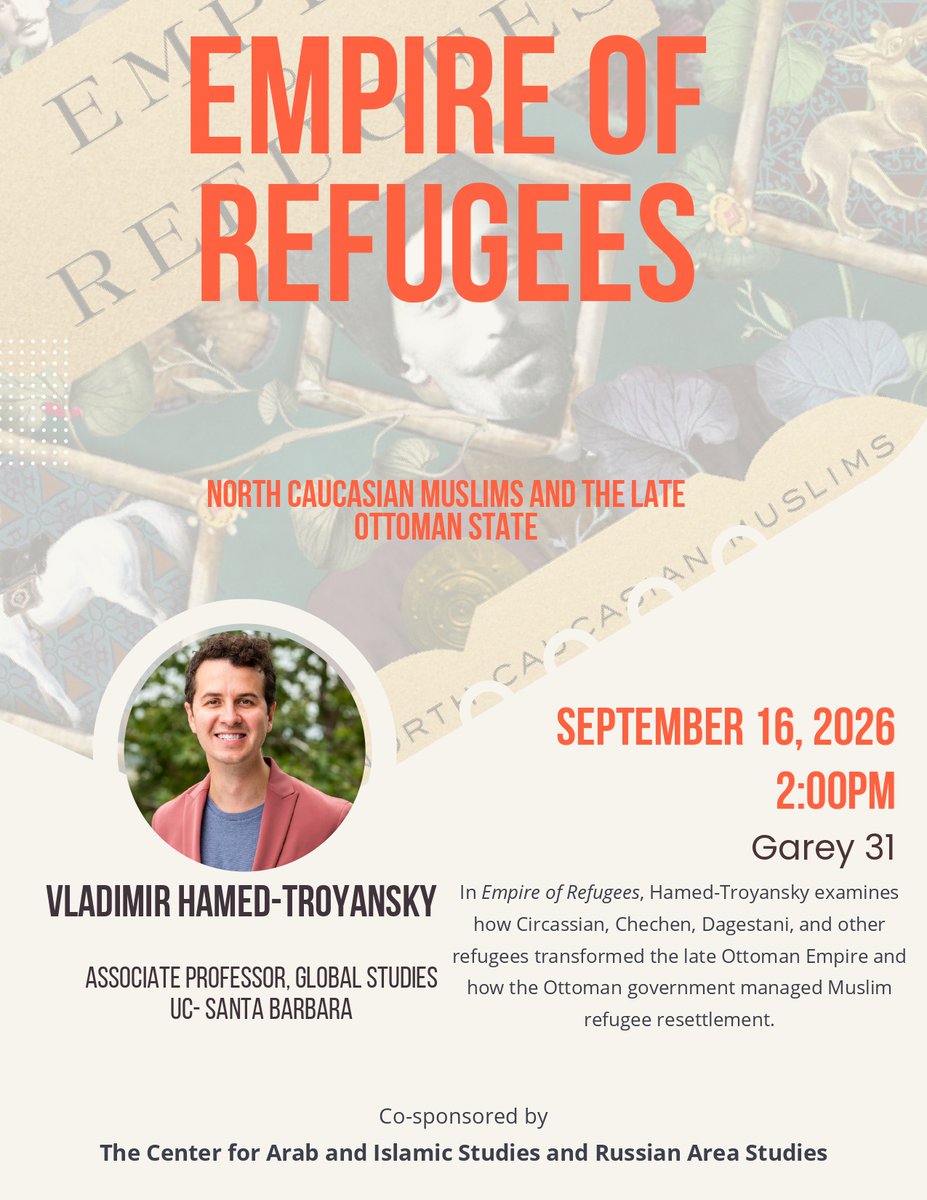
My first book, Empire of Refugees: North Caucasian Muslims and the Late Ottoman State (Feb 2024), is available for preorder! @stanfordpress is running a 30% off sitewide sale through the end of this month! https://t.co/HyOEOE3upi
Colleagues attending the MESA conference in Boston, please mark your calendars for a reception hosted by Stanford University’s Abbasi Program in Islamic Studies and Stanford University Press!
@abbasiprogram@stanfordpress
November 21, 8:00–10:00 p.m.
We look forward to seeing you there!
Absolutely thrilled about the publication of THE SHAH’S GREAT TOUR: GLOBAL MONARCHY IN THE IMPERIAL AGE (Oxford University Press), out today: https://t.co/LjZJSyW3vo
📚 "Almanya'da Yabancı Türkiye'de Almancı" çıktı!
Michelle Lynn Kahn, göç tarihini geri dönüş ve dışlanma deneyimleri üzerinden ele alarak aidiyet arayışını arşiv belgeleriyle inceliyor.
🔗Lansmana özel indirimle temin etmek için: https://t.co/oTNW5nEIVH
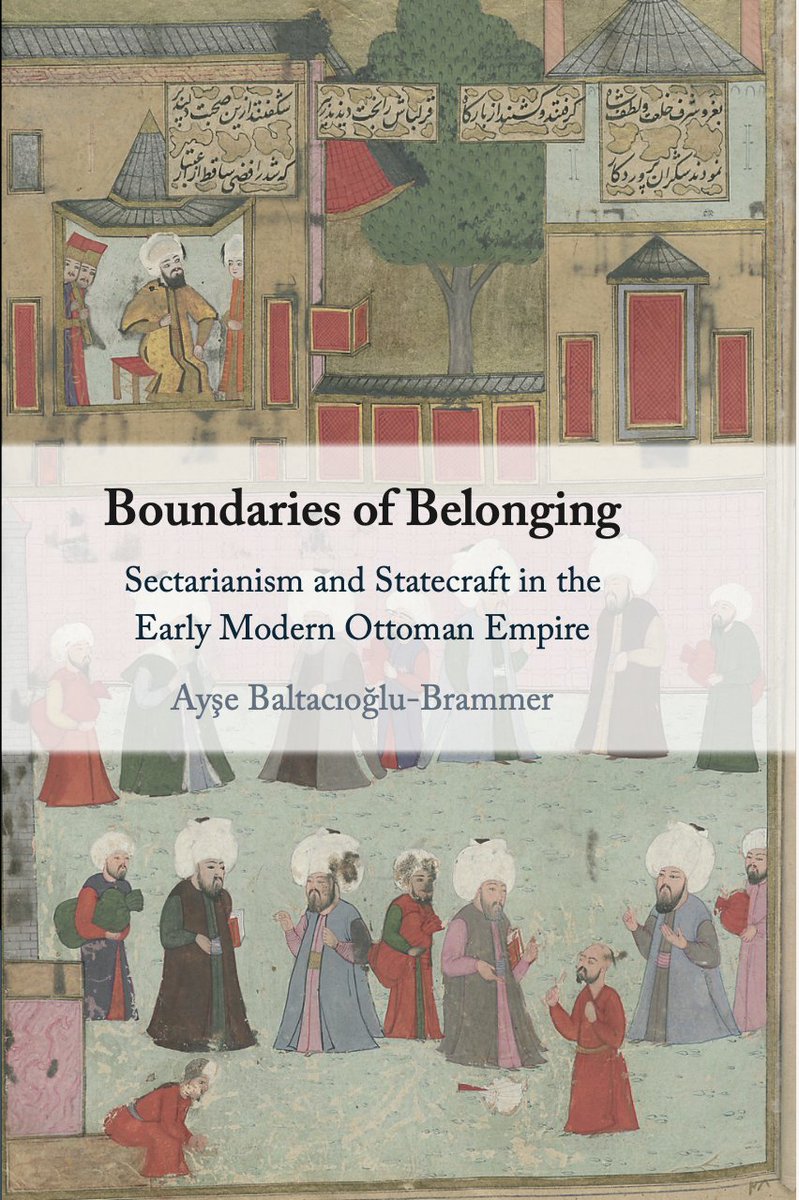
Erken modern dönemde Kızılbaş kimliği Osmanlı-Safevi rekabeti içinde nasıl şekillendi? Ayşe Baltacıoğlu-Brammer'la "Boundaries of Belonging" kitabı üzerinden Kızılbaşlığı, siyasi bağlılıkları ve aidiyetin değişen sınırlarını konuştuğumuz yeni bölüm yayında https://t.co/KbsnrjjhGq
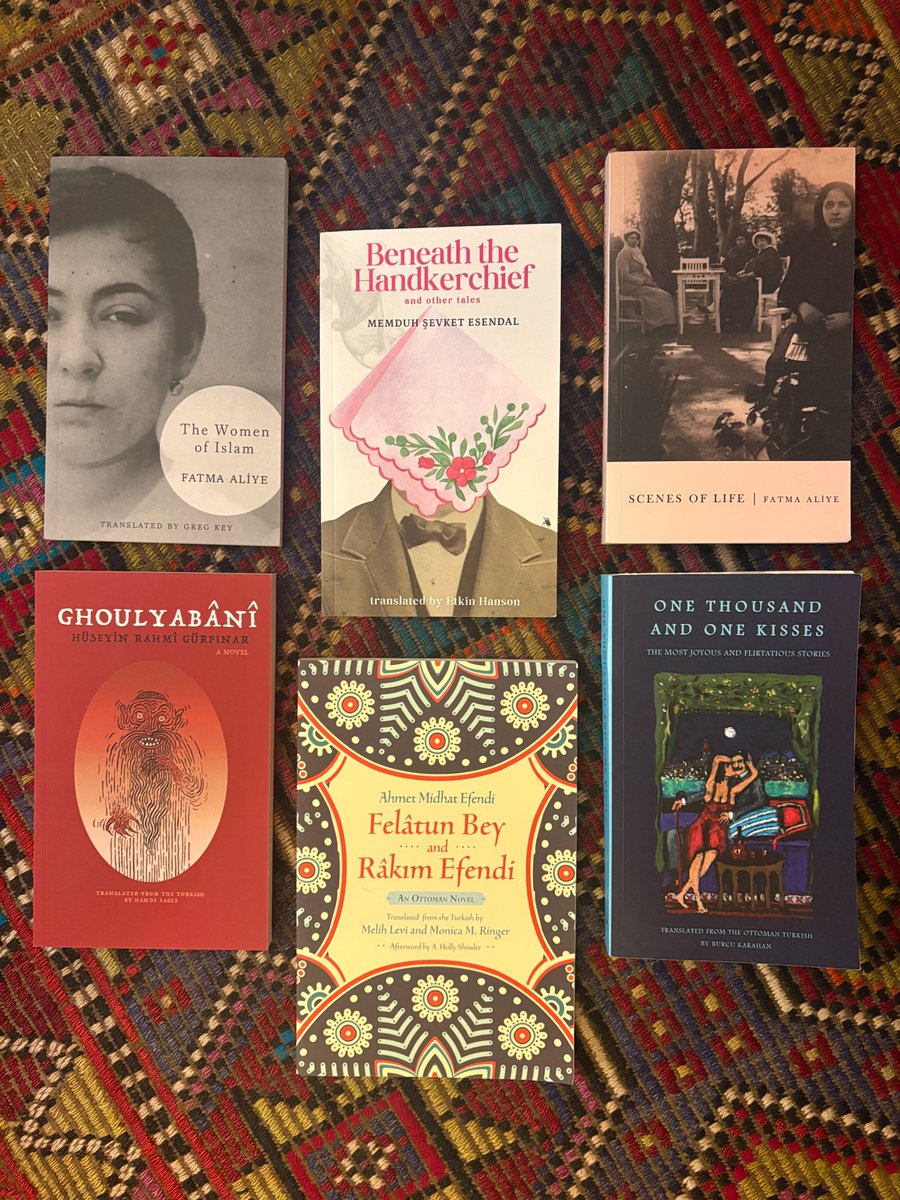
In my classes, I always include a literature assignment where students read and analyze a historical fiction. Thanks to @tra_attached (and a small number of other publishers including Syracuse UP and Edinburgh UP), we now have a growing body of Ottoman literature available in English translation.
My students find it very valuable to read a novel from the Ottoman era while studying the empire, as it brings the history they encounter in class to life in ways that other sources cannot.
I know more translations are in the works, and can’t wait to see this list continue to grow!
When we got suspended from Cornell for our peaceful, anti-genocide encampment, Cornell admin threatened to attach a permanent notice to our transcripts about the suspensions. Cornell chose to protect this rapist, and chose not to notify or warn NSU about him.
Gazeteci Tuba Tekerek, cezaevinden yazdı:
-Uyuşturucu koğuşundan tutuluyorum. Koğuş 40 kişi. 36 kişi uyuşturucudan, 2 kişi hırsızlıktan, 1 kişi cinayetten burada.
-Ben de yaptığım bir haberden dolayı buradayım. 2024 yılında Gürcistan’da seçimler öncesinde bir LGBT aktivistiyle görüşüp KaosGL’ye haber yapmıştım.
-Akıl almaz bir şekilde KaosGL Instagram hesabı yetkilisi olduğum iddia ediliyor.
Why so many Ukrainians speak russian? Let me explain.
But first, let me ask you a question: Why do Irish and Scotts speak English, Catalans and Basques speak Spanish, Bretons speak French, etc. You probably know the short answer. But let me put a longer one. Ukrainian language was banned by russia 134 times! Here are most notable events:
1720: A decree by Tsar Peter I banned the printing of books in Ukraine.
1753: A decree by Catherine II prohibited teaching in the Ukrainian language.
1768: A decree from the Synod of the russian Orthodox Church called for the confiscation of Ukrainian primers from the population.
1775: Closure of Ukrainian schools after russian troops destroyed the Zaporizhian Sich.
1830-1840s: russification of Ukraine intensified. Even the very name "Ukraine" was prohibited to be used.
1889: At an archaeological congress in Kyiv, it was permitted to read papers "in all languages except Ukrainian."
1895: A ban on Ukrainian children's literature.
1914: A ban on the Ukrainian press.
1938: Mandatory study of the russian language was introduced throughout Ukraine. At the same time, there was a mass closure of national schools, and the prestige of the Ukrainian language declined.
1926-1939: Physical deportations of Ukrainian activists accused of nationalism. Four family members on my mother’s side were deported.
1929: Newly printed dictionary of Ukrainian was prohibited.
1960s: Arrests and extermination of the young generation of Ukrainian intelligentsia.
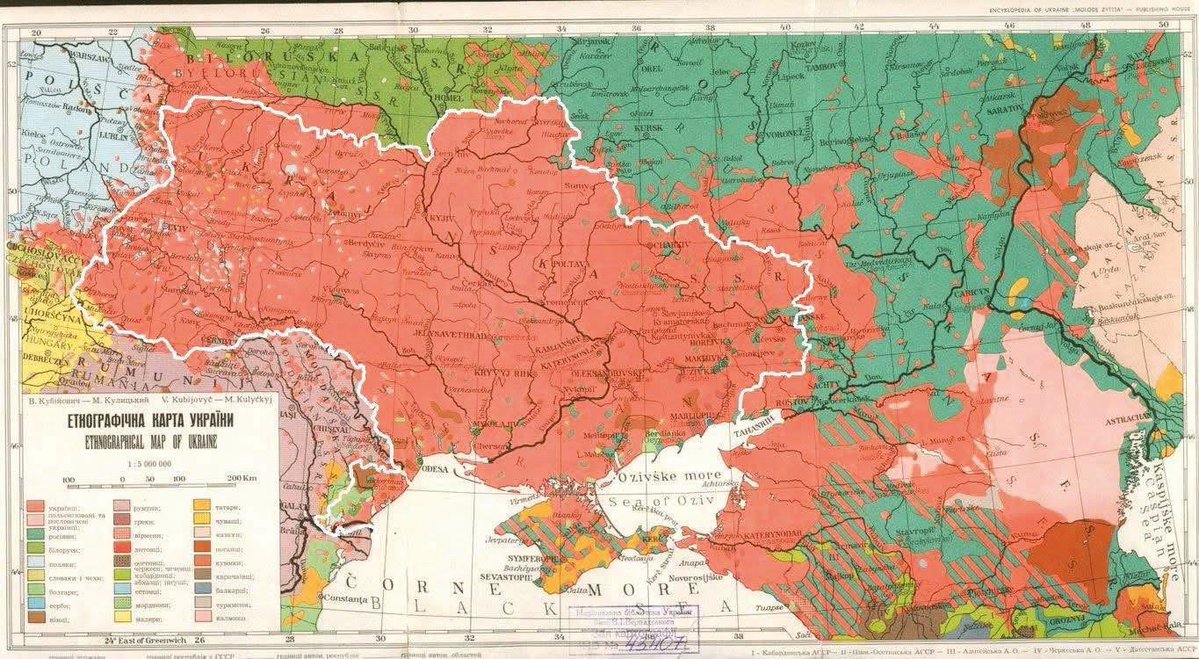
130 years ago, Ukrainian-speaking area was not limited by Ukraine, but also some parts of russia and Belarus spoke it (see the red area, that's the result of russian Empire census in 1897, when people identified themselves by the language). So, when someone says that some region of Ukraine is “russian speaking”, read the above list again. It’s a miracle that Ukrainian language even survived, and many people sacrificed their lives for it.
I will also give a talk about immigration from the Balkans to Turkey in the 1920s and 1930s, as part of my new book project on global Muslim refugee migration, at @UPennMEC on Thursday, Sep 17, at 5:30 p.m.
Many thanks to Prof. Paul Cobb.
If you are around, please join us! (2)
Looking forward to spending time in Philly this week!
I will talk about Empire of Refugees (@stanfordpress, 2024) at @VillanovaU Center for Arab and Islamic Studies tomorrow, Wednesday, Sep 16 at 2 p.m.
Many thanks to @samer_abboud and @dinabaslan for organizing the event. (1)
Thrilled that @CARA1933, a nearly 100 year old institution defending scholars at risk, has announced a landmark Palestine Programme, and virtual fellowship scheme. Years in the making and so crucial. Applications open: https://t.co/S25aAZPU1c
So happy to finally share the news that my book, “A History of Uncertainty: Science between the Ottoman Empire and Early Modern Europe,” will be out in Spring 2027 by the University of Pittsburgh Press.
I still can't believe it's now beyond my hands and on its way to meeting its readers.
Very excited to talk about Empire of Refugees (@stanfordpress, 2024) at beautiful Otto-Friedrich-Universität Bamberg today!
Many thanks to Christoph Herzog and Ellinor Morack for hosting.
https://t.co/RdjB0um2Kl
5–6:30 pm, Book project talk at EUME, Forum Transregionale Studien:
Global Hijra
The project is a transnational modern history of Muslim displacement in the Middle East, Central Asia, and South Asia.
Many thanks to Dr. Claudia Derichs for hosting.
https://t.co/6IdW1josoG (2)
I will be giving two talks on my first book and new book project in Berlin on Thursday, July 9. All are most warmly welcome to join.
2–4 pm, Book talk at @ZMO_Berlin:
Empire of Refugees
Many thanks to Dr. Ergün Özgür and Dr. Kai Kresse for hosting.
https://t.co/dEiQMEPbh3 (1)
@safiyaaaay This is an amazing thread. Thank you!
Borders aside, it is sad that someone with those political positions would look at this map and think “centuries ago.” Basic cultural literacy.