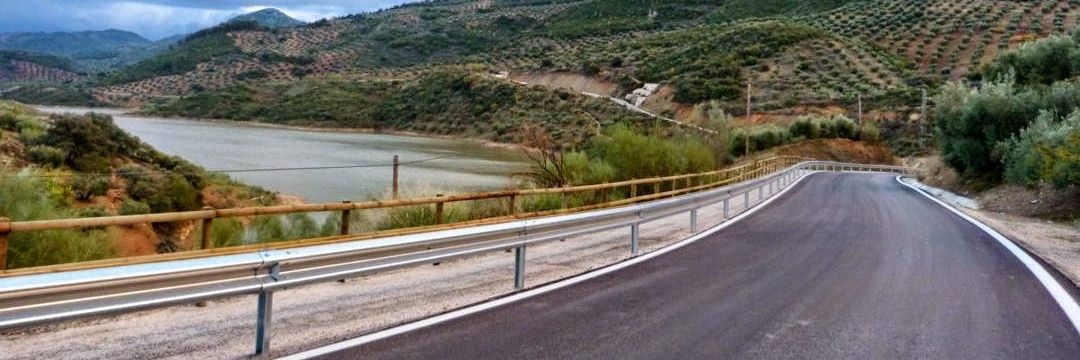
En situaciones como esta, el mejor método es mantener la calma y mantener un ritmo constante pero rápido hasta que sea posible aumentar la velocidad. 🚲😳
The striking similarities among nearly identical petroglyphs discovered in Japan, Utah, and Azerbaijan prompt intriguing inquiries into the connections between ancient cultures. These carvings, located in Fugoppe Cave in Japan 🇯🇵, Nine Mile Canyon in Utah 🇺🇸, and Gobustan in Azerbaijan 🇦🇿.
Feature representations of winged or flying human figures. Despite being separated by extensive geographical distances, their presence in disparate locations raises questions about potential cultural interactions or shared symbolism.
The dating for these petroglyphs indicates significant historical value: approximately 7,000 years in Japan, between 1,000 and 2,000 years in Utah, and up to 10,000 years in Azerbaijan. Such motifs across these diverse regions suggest the possibility of a common mythological framework or analogous beliefs regarding winged beings among these ancient societies. This raises the question of whether these cultures independently developed similar iconographies or if they were influenced by interactions across vast distances.
This phenomenon warrants careful scholarly examination to understand the implications for our comprehension of ancient human beliefs and their expressions in art.
#archaeohistories
The Sacred Well of Santa Cristina — Where Stone Meets the Stars ...
Hidden in the heart of Sardinia, Italy 🇮🇹, lies one of the most extraordinary and enigmatic monuments of the ancient world — the Sacred Well of Santa Cristina. Built over 3,000 years ago by the Nuragic civilization, this subterranean masterpiece is not merely a well but a fusion of architecture, astronomy, and spirituality that continues to astonish scientists and historians alike.
Descending a perfectly carved flight of 25 basalt steps, visitors enter a precision-engineered chamber lined with stones cut so seamlessly that no mortar was needed. At its base lies a mirror-like pool fed by an underground spring, reflecting both sunlight and moonlight in a display of celestial harmony.
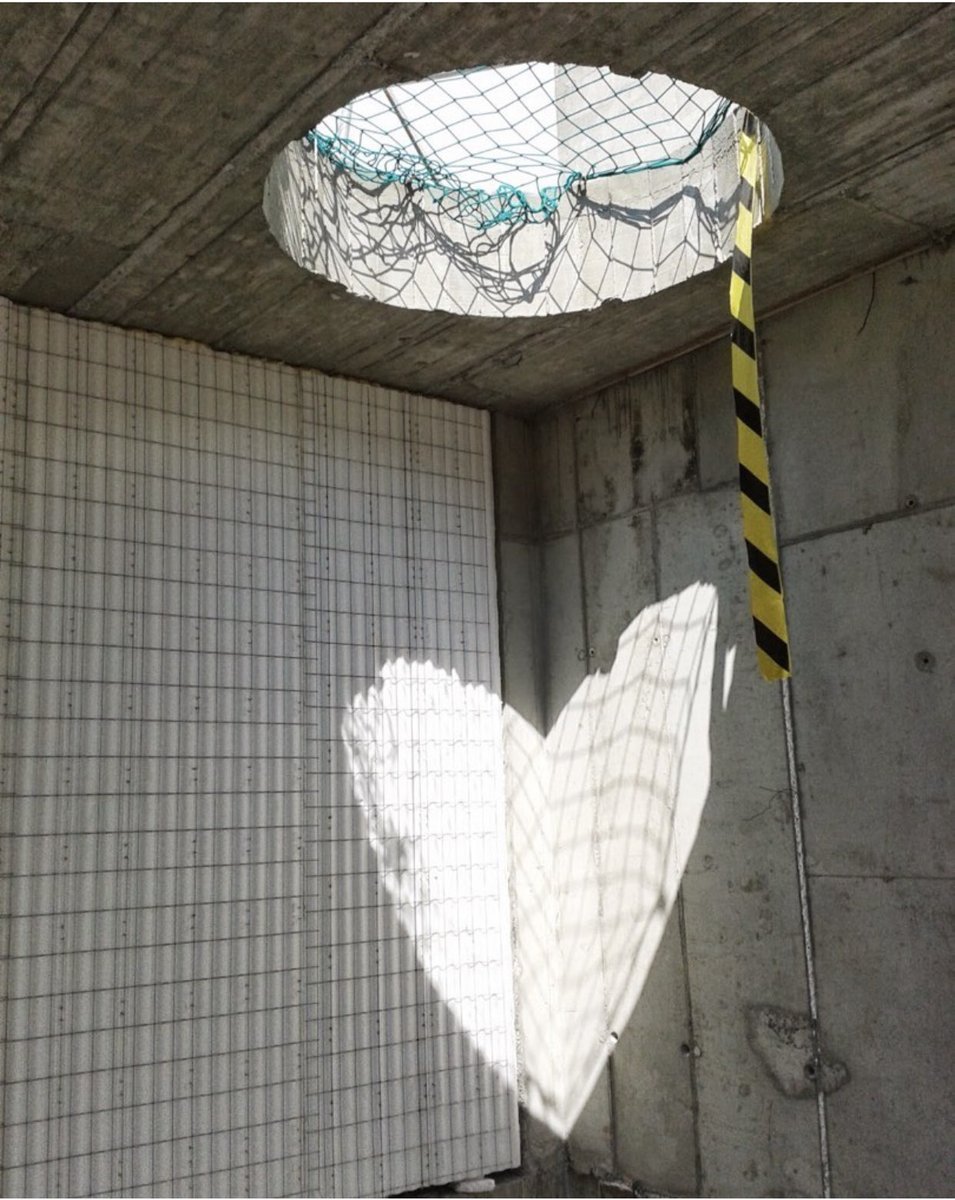
On the spring and autumn equinoxes, sunlight travels down the stairway to strike the water’s surface — a cosmic alignment that marks the balance between day and night. Even more astonishing, once every 18.6 years, during a major lunar standstill, moonlight aligns perfectly with the well’s circular opening, illuminating the chamber in a silver glow.
Such accuracy implies that the Nuragic people possessed advanced astronomical knowledge, possibly used for ritual, calendrical, or agricultural purposes. Yet the full meaning of this sacred site remains shrouded in mystery — part observatory, part temple, and perhaps a bridge between earth and sky.
Standing within its cool, echoing walls, one feels not just the craftsmanship of stone, but the heartbeat of an ancient intelligence that understood the heavens far better than we once believed.
#archaeohistories
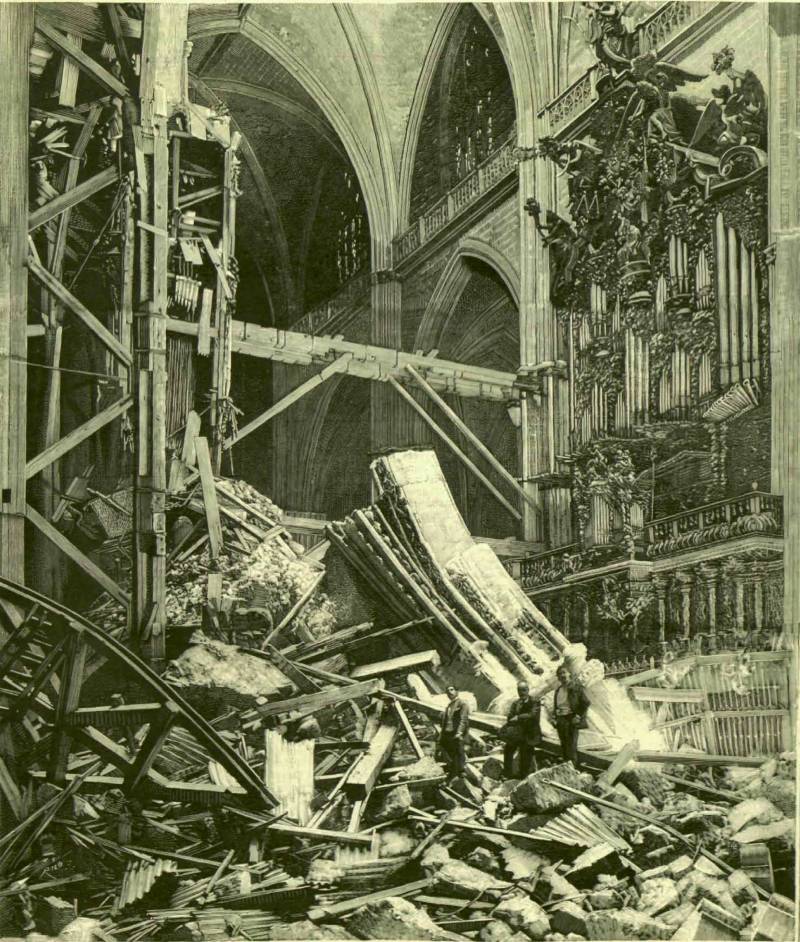
El 1 de noviembre de 1755 ocurrió uno de los terremotos más devastadores de la historia: el terremoto de Lisboa. El seísmo afectó a numerosos lugares de España, entre ellos Sevilla.
Ancient Marble statue unearthed in September 2023 during archaeological excavations at the ancient gymnasium site of Amastris, located on Turkey's Black Sea coast.
Measuring at 1 meter and 53 centimeters (5 feet) in height.
Dating back to 2nd century AD.
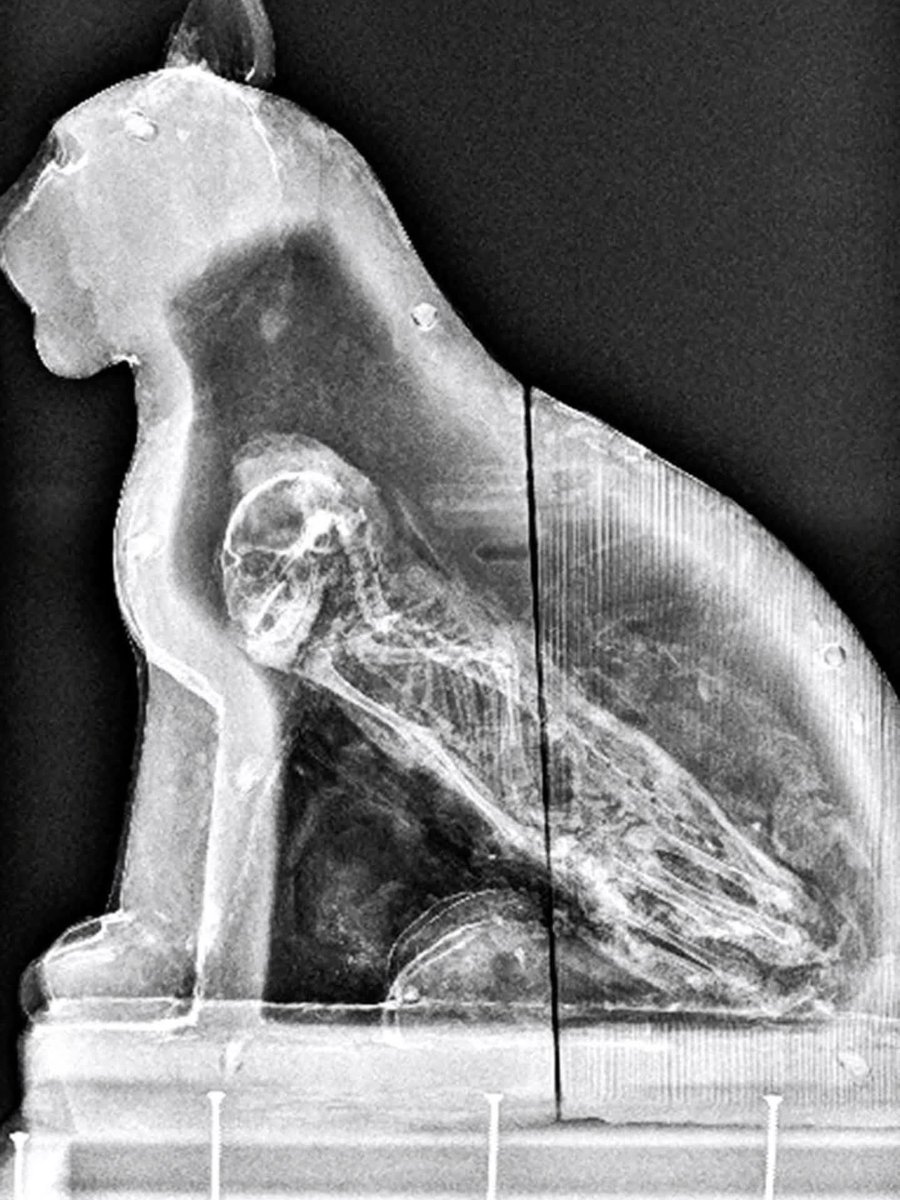
An X-ray scan of a sarcophagus from Saqqara, Egypt, revealed the perfectly preserved remains of a mummified cat — one of millions once offered to the gods during Egypt’s Late Period.
Found in a vast animal necropolis south of modern-day Cairo, these cat mummies were sacred to Bastet, the goddess of protection and home. Many were carefully wrapped and placed in small coffins like this one, some even decorated to resemble the animals inside.
What’s striking is how the X-ray shows the care and precision of the ancient embalmers — each tiny bone still intact after more than 2,000 years.
#drthehistories
Una genialidad maravillosa que me acaba de llegar por las redes. La Edad Media viva tal como la concibió la cabeza del genial maestro escultor del Pórtico de la Gloria, Santiago de Compostela, y su equipo. 10 sobre 10. Así da gusto comenzar el día 😍.
🔴 #Atención | El río Genil volverá a tener peces
👉 El Gobierno reintroducirá la trucha en el tramo entre #Granada, #CenesdelaVega y #PinosGenil en un mes
🔗+ info👇
https://t.co/V5YnKFF69I
¿Cómo eran las casas a mediados del XVIII en Agrón, Cijuela, Puerto Lope, Purchil, Alamedilla, Rubite...?
Este libro explora las características de los hogares en la provincia de Granada a través de los datos en el Catastro del Marqués de la Ensenada👇
https://t.co/Smgp7ootJz