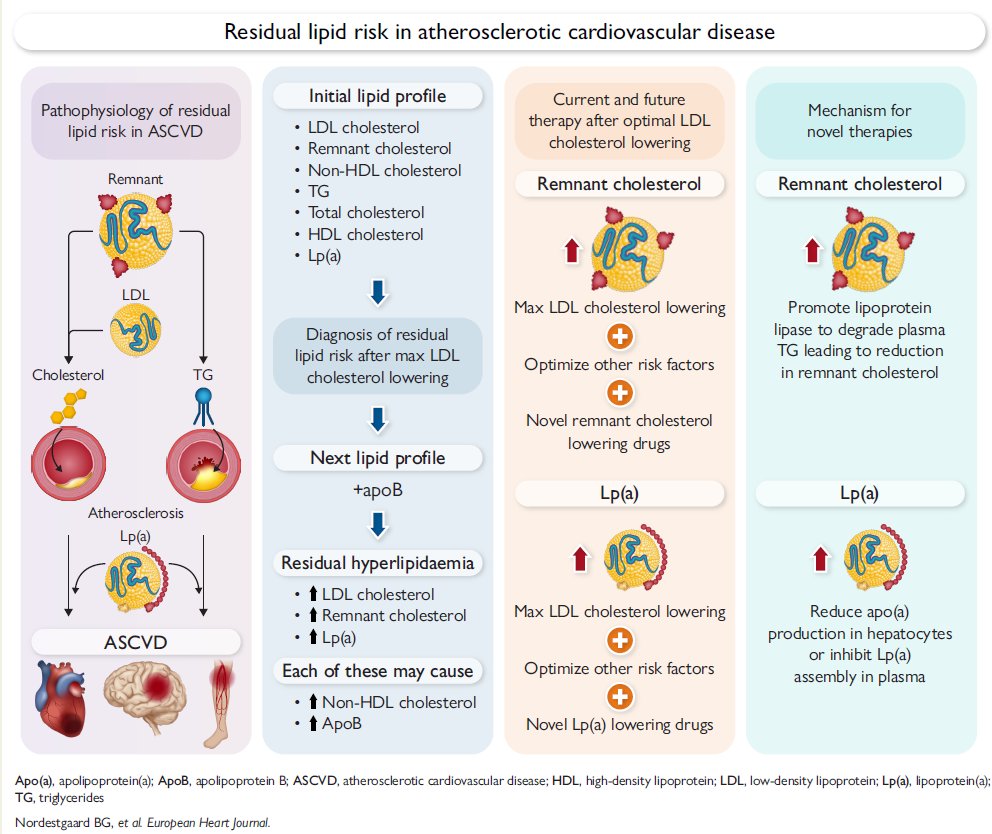
Evolving understanding of residual lipid risk in ASCVD, practical guidance today, recent advances in therapeutic interventions, and their implications for clinical practice, aiming to optimize lipid management beyond LDL cholesterol lowering - a reveiw
https://t.co/XTtl7RNUeG
SDHB mutations highlight the link between mitochondrial metabolism and tumourigenesis.
A key example of how genetics transformed endocrine oncology. @DrAishaSk
Landmark endocrine genetics paper:
Astuti et al. (2001) identified SDHB mutations as a cause of familial pheochromocytoma & paraganglioma.
This changed how we approach hereditary PPGL syndromes. @DrAishaSk
Germline SDHB mutations were identified in families with PPGL.This established SDHB as a tumour suppressor gene linked to endocrine tumour susceptibility. @DrAishaSk
Succinate dehydrogenase (SDH) is part of both the Krebs cycle and mitochondrial electron transport chain.
Energy metabolism defects can drive tumour formation — a major insight from this study. @DrAishaSk
SVS is NOT first-line.
It may be considered when:
🔹 Testosterone markedly elevated
🔹 Rapid virilisation
🔹 Imaging inconclusive
🔹 Need to preserve fertility / avoid bilateral surgery
Used mainly in specialist endocrine centres. @DrAishaSk
Women with severe hyperandrogenism can have either ovarian or adrenal sources of excess androgen production.Sometimes imaging fails to identify the cause. @DrAishaSk
Selective venous sampling (SVS) is an interventional radiology procedure.
Catheters are placed into specific veins draining the ovaries.
Hormone levels are measured from each side to identify unilateral androgen secretion.
Goal: localise a hidden tumour before surgery. @DrAishaSk
Severe hyperandrogenism may present with:
🔹 Rapid hirsutism
🔹 Virilisation
🔹 High testosterone levels
But imaging (USG/CT/MRI) may be negative.
The challenge: ovarian vs adrenal source when conventional tests are inconclusive @DrAishaSk
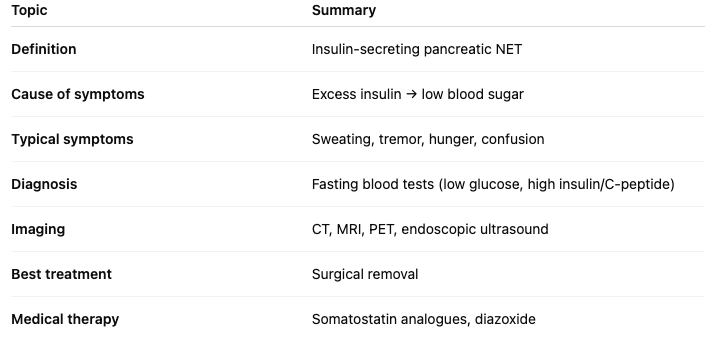
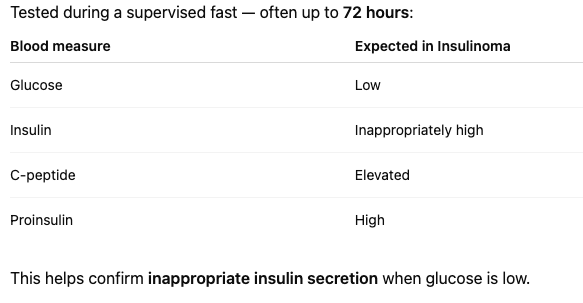
An insulinoma is a neuroendocrine tumour of the pancreas that produces too much insulin.
Most insulinomas come from beta cells in the pancreatic islets.
They are relatively rare but are the most common functioning pancreatic NET. @DrAishaSk
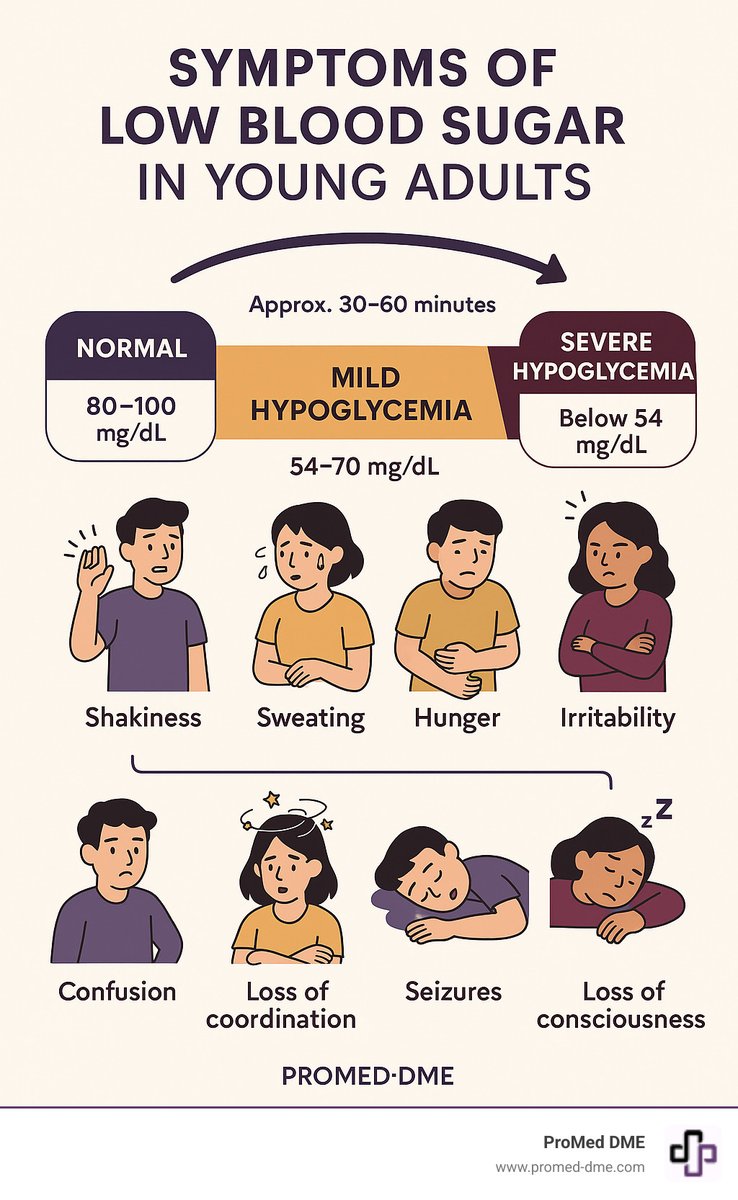
Insulin lowers blood glucose.
Insulinoma cells keep releasing insulin even when glucose is low.
This leads to low blood sugar (hypoglycaemia) and related symptoms. @DrAishaSk
Treatment focuses on hormone control + quality of life.
First-line: somatostatin analogues (octreotide / lanreotide).
Other options include surgery, embolisation, PRRT and targeted therapy.
Personalised care is essential. @DrAishaSk
Carcinoid syndrome is a group of symptoms that arise when a neuroendocrine tumour (NET) produces large amounts of biologically active hormones and proteins, most often serotonin, which enter circulation and cause systemic effects. @DrAishaSk
Diagnosis relies on:
24-hour urine 5-HIAA
Chromogranin A blood test
CT / PET imaging
Echocardiography if cardiac concern
Biochemistry + imaging guide treatment decisions. @DrAishaSk
Long-standing hormone exposure can damage heart valves → carcinoid heart disease.
Patients may develop breathlessness, fatigue and leg swelling.
Carcinoid crisis = medical emergency with sudden haemodynamic instability. @DrAishaSk
The liver normally metabolises these substances, but when the cancer metastasises to the liver, this first-pass metabolism is bypassed, leading to systemic symptoms. @DrAishaSk
Pathophysiology: NETs originate from neuroendocrine cells, which normally release hormones. In carcinoid syndrome, these tumours overproduce hormones, especially serotonin, and release them into the bloodstream. @DrAishaSk