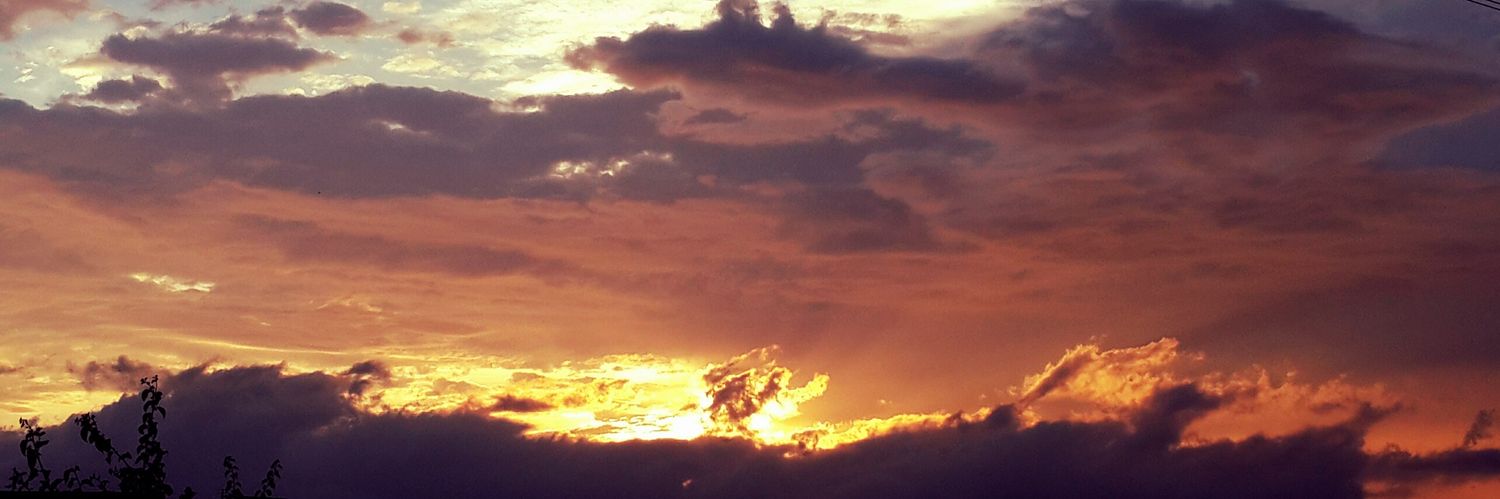
🚨IMPORTANT: Before anyone in Seattle freaks out, reports of a PASSENGER PLANE CATCHING FIRE are FALSE.
The below video has social media buzzing, but it's likely just skydivers with flares attached, maybe another Red Bull ad.
Based on radars, there is no emergency response.
Understanding the Hamas attack on Israel:
Iran is aiming for a confrontation with Israel and the US. The success of Russia in Ukraine is encouraging Iran to undo decades of hostile US foreign policy in the Middle East. A bankrupt US Govt has just been invited to another war.
The timing is opportunistic. The US Govt is forced to print trillions of USD as it struggles to raise new debt. Another war would lead to a significant increase in inflation and an accelerated economic decline of the US.
If Iran mines the Strait of Hormuz the global energy crisis would become critical. The Biden administration has used the majority of US oil reserves to stabilize domestic oil prices. Iran can increase the pain for the US Govt significantly.
Ukraine is turning into a major defeat for the US and NATO. A new front in the Middle East would accelerate the US decline. The US Govt and its western partners simply cannot afford it. Russia and China would benefit most. Iran understands this and is playing into the hands of its partners.
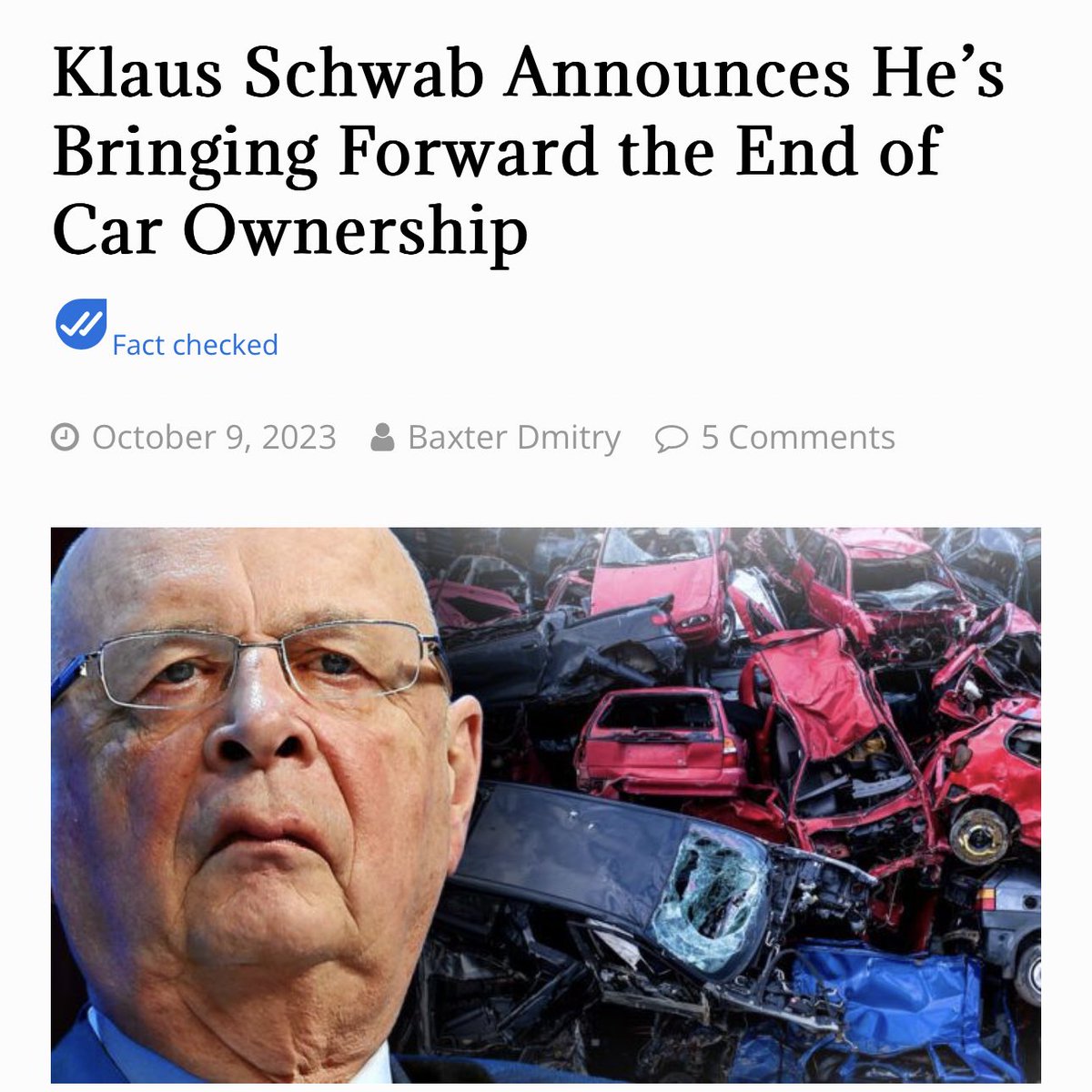
Four engineers get into a car. The car won’t start.
Mechanical engineer: it’s a broken starter.
Electrical engineer: dead battery.
Chemical engineer: impurities in the gasoline.
IT engineer: hey guys, I have an idea how about we all get out of the car and get back in.
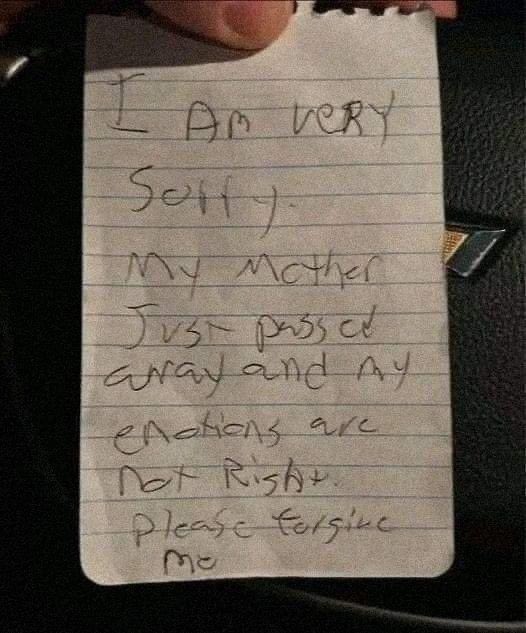
“Tonight I frustrated someone while driving. They followed me to the gas station and had a few choice words for me.
I was really unsure what I did wrong. I began ask if he was ok and what was wrong and if there was anything I can do to make him less angry.
He stormed off and I wished him a good day.
Typically this would not be my response, but as I’ve gotten older I’ve dedicated myself to “Seek to Understand”.
There was something else wrong, nothing I did driving could make him this angry.
45 minutes later I came out to my truck in the school parking lot to this note.
You never know what someone is going through.
Seek to understand.”
An influential think tank is now suggesting that by 2030, people should only be allowed one short flight every three years.
They want you to stop flying.
Meanwhile the elites will fly around in their private jets.
This isn't about stopping climate change.
It's about control.
𝗗𝗼 𝘆𝗼𝘂 𝘀𝘂𝗳𝗳𝗲𝗿 𝗳𝗿𝗼𝗺 𝗵𝗶𝗴𝗵 𝗯𝗹𝗼𝗼𝗱 𝗽𝗿𝗲𝘀𝘀𝘂𝗿𝗲?
High blood pressure, also known as hypertension, is a common yet often underestimated health condition that affects millions of people worldwide.
While it may seem inconspicuous, high blood pressure can have serious consequences if left unchecked.
Let's delve into what high blood pressure is, its causes, associated risks, and how you can prevent it.
𝗪𝗵𝗮𝘁 𝗶𝘀 𝗛𝗶𝗴𝗵 𝗕𝗹𝗼𝗼𝗱 𝗣𝗿𝗲𝘀𝘀𝘂𝗿𝗲?
High blood pressure occurs when the force of blood against the walls of your arteries is consistently too high. It's often referred to as the "silent killer" because it doesn't usually cause noticeable symptoms until it reaches a dangerous level.
Normal blood pressure is typically around 120/80 mm Hg, with the first number representing systolic pressure (when the heart beats) and the second number representing diastolic pressure (when the heart is at rest).
𝗟𝗶𝗸𝗲 | 𝗥𝗲𝗽𝗼𝘀𝘁 | 𝗖𝗼𝗺𝗺𝗲𝗻𝘁👇🏽
12 Reasons Why Cities Need More Trees:
1. Temperature Control
One large tree is equivalent to 10 air conditioning units, and the shade they provide can reduce street temperature by more than 30%.
2. Noise Reduction
Trees can reduce loudness by up to 50%. In urban areas filled with the sound of cars, construction, sirens, aeroplanes, and music, trees are essentially the best way to block noise and keep cities — along with the homes and workplaces in them — quieter.
3. Air Purity
Trees remove an astonishing amount of harmful pollutants and toxins from the air. In urban areas air quality is often disastrously bad — with severe consequences for our health. Trees make the air we breathe much cleaner.
4. Oxygen
And, while absorbing all those pollutants, trees also put more oxygen back into the urban environment. Oxygen levels are significantly lower in cities compared to the countryside; trees help to solve that problem.
5. Water Management
Trees do more than just shelter us and our buildings from rain — which is, in fact, extremely important. They also absorb huge quantities of water, reduce run-off, neutralise the severity of flooding, and make flooding more unlikely altogether. Not to forget that their roots absorb pollutants and prevent them from feeding back into a city's water supply.
6. Psychological Health
Studies have proven what we instinctively know to be true: that human beings are significantly happier when surrounded by nature rather than sterile urban environments. Our emotions, behaviour, and thoughts are shaped by the places we spend time — and trees have a profoundly positive effect on our psychology. The consequential benefits of being happier and more peaceful — as individuals and as a society — are immense.
7. Physical Health
Beyond all the other ways in which trees improve air quality and the urban environment, much to the benefit of our health, they also encourage people to go outside. Cycling, running, and walking are all more common in urban areas with plenty of trees. A knock-on effect of people spending more time outdoors is also social integration and stronger communities.
8. Privacy
A simple point, but not inconsequential, is that trees provide privacy.
9. Economics
The total economic benefit of urban trees is hard to calculate. There are costs, of course, including the repair of infrastructure damaged by roots and maintaining the trees themselves. But the total economic benefit — a consequence of everything else in this list and more — far outweighs the expenditure. Trees make cities wealthier.
10. Wildlife
Trees are miniature cities all of their own, serving as a habitat for hundreds of different species, including birds and mammals and insects.
11. Light Pollution
Trees don't only block the light shining down, therefore keeping us and our cities cooler — they also disrupt light shining up, from street lighting, cars, houses, and billboards. Skies are clearer in cities with more trees.
12. Aesthetics
And, finally, trees are beautiful. They break up the potential monotony of urban environments — the sharp geometry, the greyscale roads and buildings, the endless rows of cars — with their trunks, boughs, canopies, and flowers.
Just think: the gold and red of falling leaves in autumn, the white and pink blossom of spring, the vast green canopies of summer, and the branches lined with hoar-frost in winter. Every single tree is a myriad of intricacy and texture, of colour and scent, of dappled light on the pavement, mottled bark, knotted roots, of clustered leaves and delicate petals and stern boughs.
Few streets would not be improved by the kaleidoscopic aesthetic delights of a tree, not to mention the many different species of tree, all over the world, whether willow, oak, lime, cherry, aspen, maple, birch, horse chestnut, dogwood, hornbeam, ash, sycamore... the list goes on.
There are some drawbacks to urban trees, most of them context-specific, and they are not — of course �� universally appropriate. But it seems fair to say that many cities would benefit from at least a few more trees here and there.