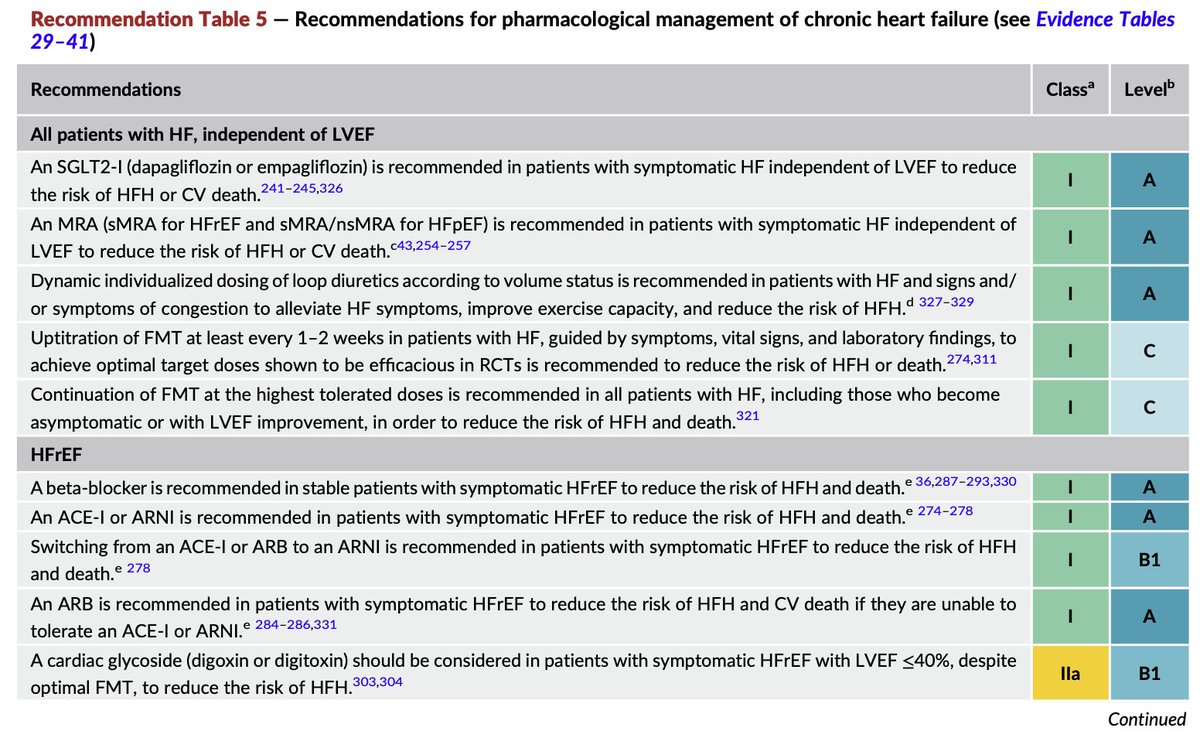
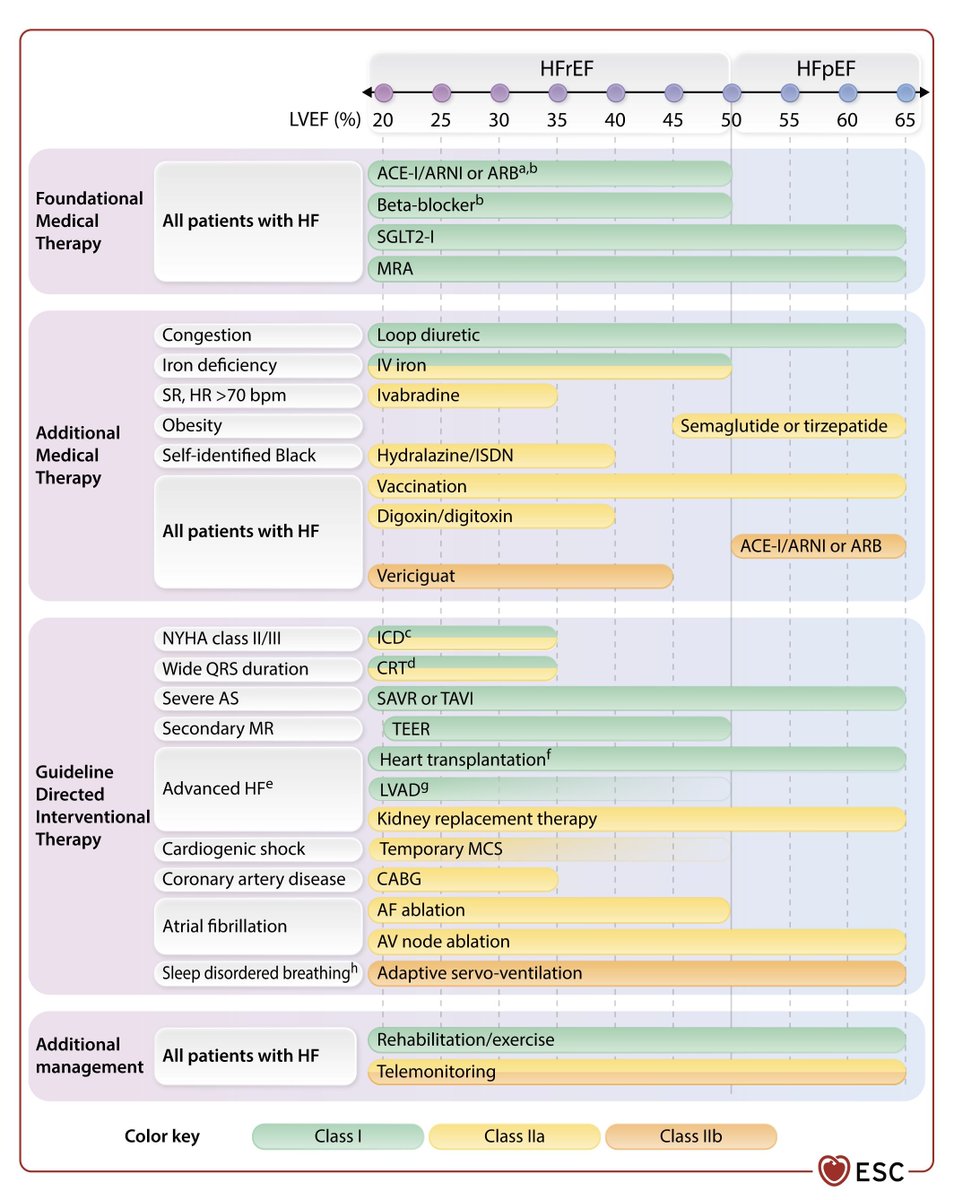
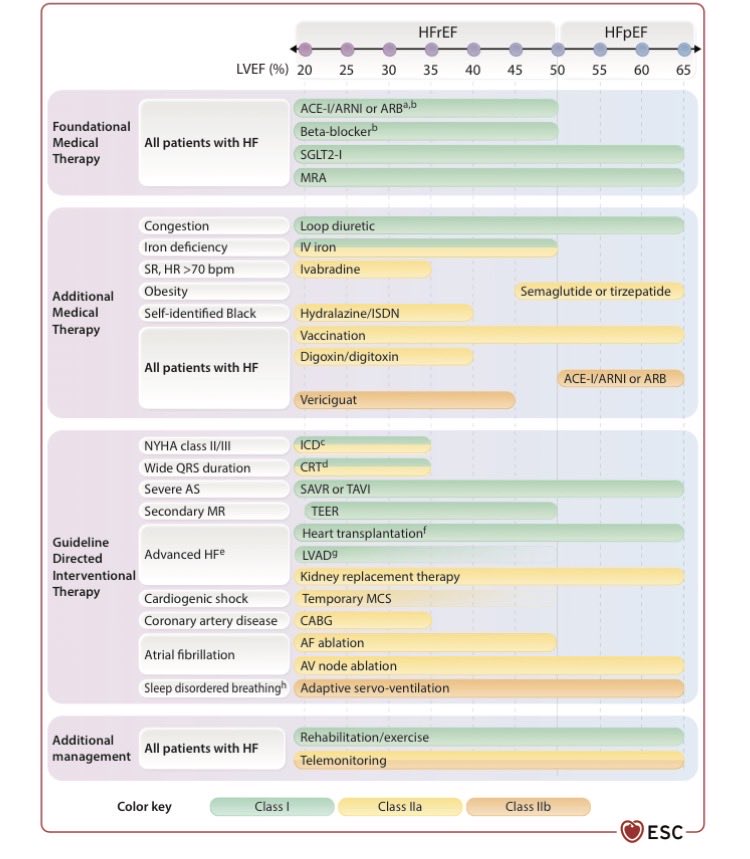
🚨 The 2026 @escardio#HeartFailure Guidelines are here❗️#ESCcongress@secardiologia
1) HFmrEF is gone.
Acute HF is gone.
NT-proBNP cut-offs are now age-adjusted.
Everything that matters 🧵👇
2/ 🔄 NEW DEFINITION — two phenotypes only
❤️🩹 HFrEF → LVEF <50% + symptoms/signs
🫀 HFpEF → LVEF ≥50% + symptoms/signs + objective evidence of structural/functional abnormality
❌ HFmrEF eliminated: same aetiology, same pathophysiology, same treatment response as HFrEF
Today's Paper of the Day is:
Treating Hepatorenal Syndrome in the Current Era
https://t.co/JKgcYjlUQ5
Join us to read 1 paper per day and stay up-to-date as we cover the spectrum of critical care across 2026
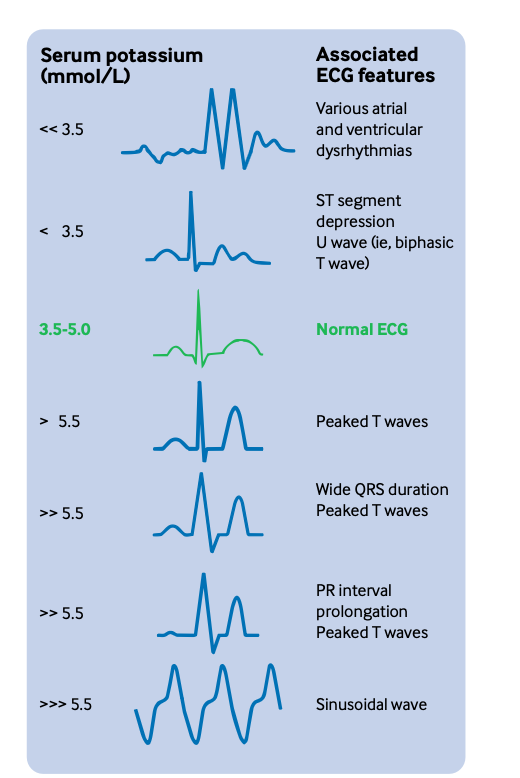
1. Can you identify the ECG signs marked in blue and green?
2. Which arrhythmia is associated with these findings?
📸 Courtesy of https://t.co/I2HI5J2HM9
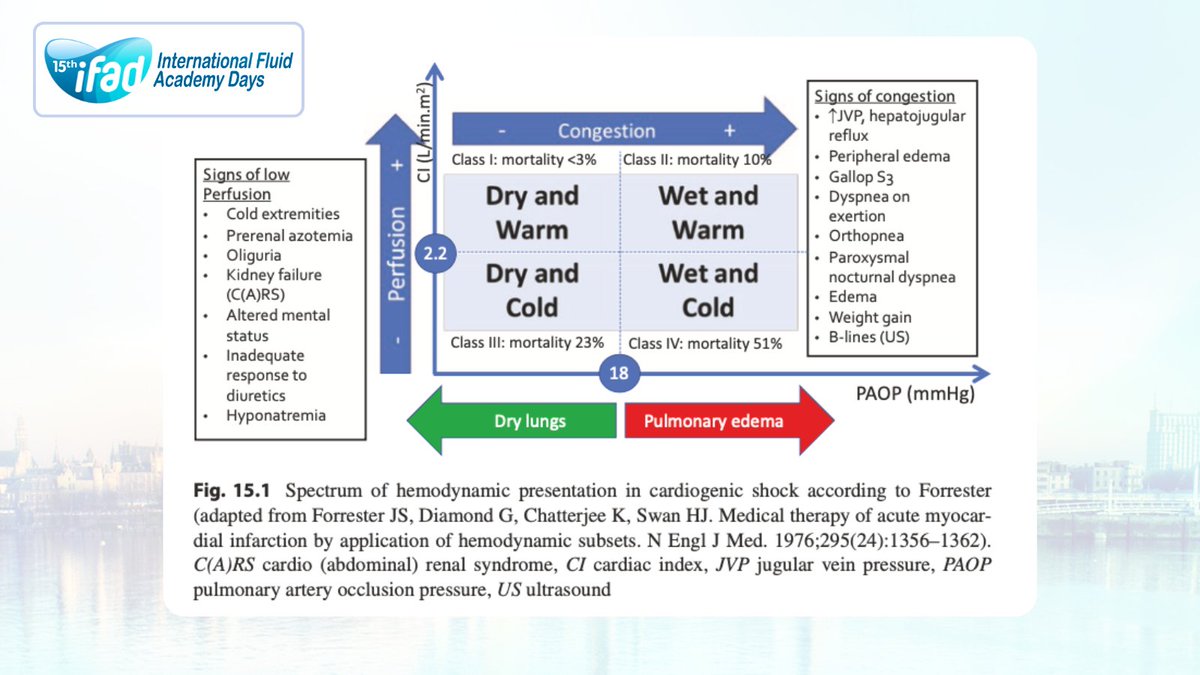
Fluid Management in Cardiogenic Shock
This chapter discusses cardiogenic shock, a common condition encountered in the ICU. Cardiogenic shock results from decreased cardiac output and manifests as end-organ ischemia. The key diagnostic criteria for cardiogenic shock are identified, and the different clinical presentations of left and right heart failure are described. Fluid management in patients with an impaired cardiac function is complex, and clinicians traditionally titrate fluid therapy based on central venous pressure and clinical examination. However, there may be an overemphasis on fluid restriction in patients with heart failure, and physicians need to identify the subgroup of patients with cardiogenic shock who might actually benefit from fluid replacement. Fluid boluses need to be titrated to specific end points of end-organ perfusion guided by dynamic measures of fluid responsiveness and repeated echocardiographic assessments. While the pulmonary artery (PA) catheter continues to be the gold standard in assessing hemodynamics and fluid requirements in these patients, less invasive or noninvasive modes have shown potential in providing equivalent information without the risks associated with the PA catheter. Understanding the etiology and type of heart failure is crucial in providing additional information and the likelihood of a favorable response to fluid resuscitation. Take-home messages include the importance of identifying different subtypes of cardiogenic shock and etiology, the definitive role of ultrasound and other invasive or noninvasive hemodynamic monitors to guide fluid management, and the need for carefully titrated fluid boluses to specific end points in patients with impaired cardiac function.
🗓️ Full scientific programme: https://t.co/yKsyXzsZJ3
📍Registration: https://t.co/wATwBWAIge
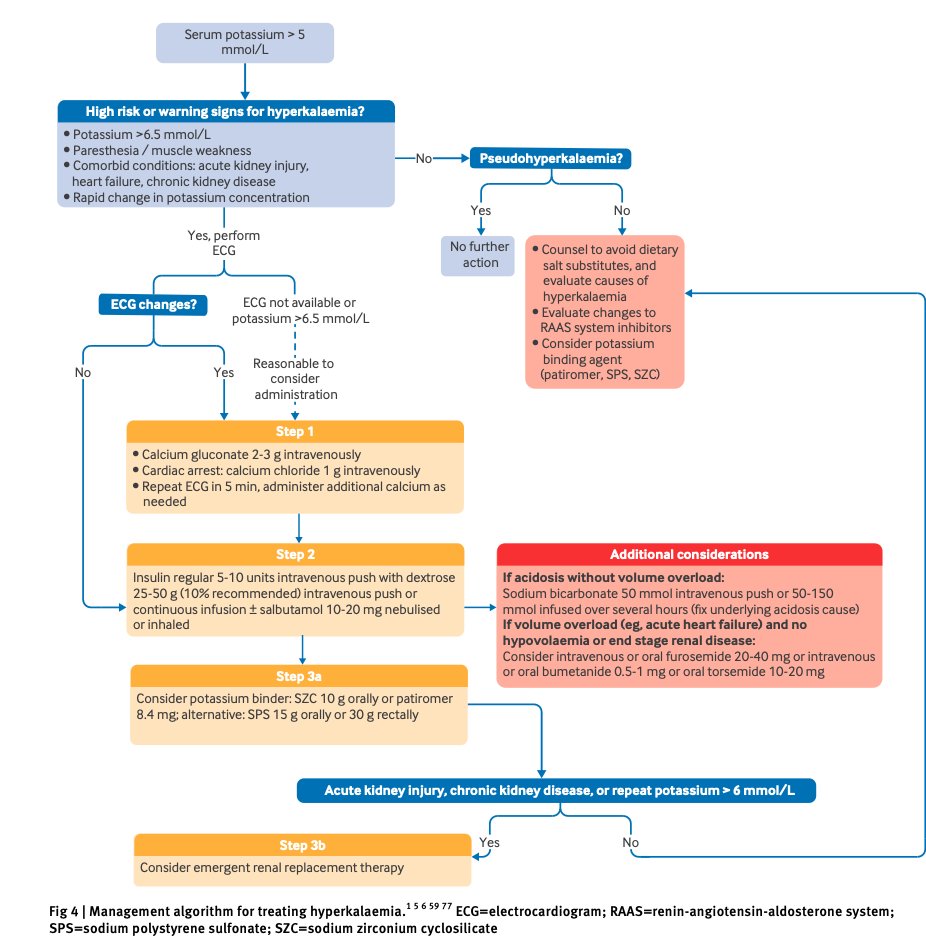
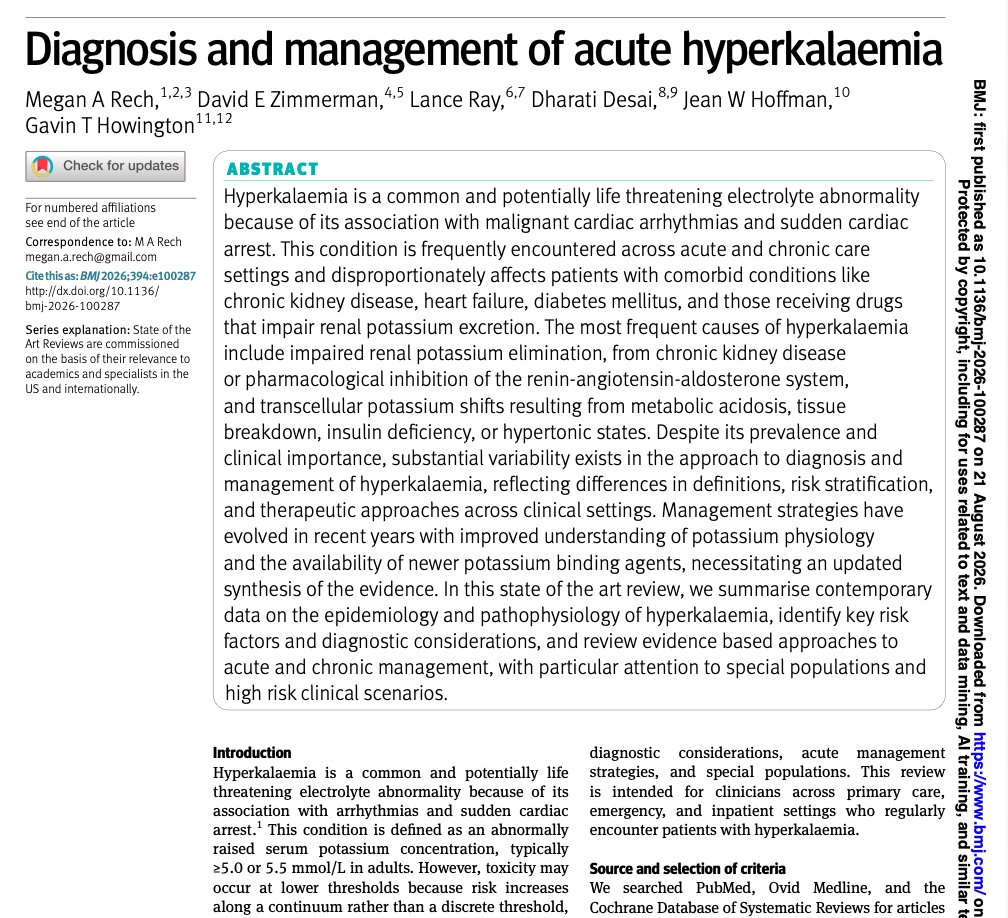
Nueva revisión de hiperkalemia aguda (BMJ 2026). Lo que cambió, y que probablemente sigas haciendo:
🔴 Dextrosa al 10%, no al 50%. La glucosada hipertónica puede EMPEORAR la hiperkalemia.
🔴 Insulina 5 U (o 0.1 U/kg, máximo 10 U). Misma caída de potasio que con 10 U, con casi la mitad de hipoglucemias (OR 0.55).
🔴 1 g de gluconato de calcio no sirve. 97% necesitó tres dosis de 1 g y una sola dosis no funcionó en NINGUNO. Dosis: 1-3 g.
🔴 El calcio no "estabiliza la membrana". Restaura la conducción por canales de calcio. Traducción práctica: sirve cuando hay QRS ancho, no en la onda T picuda aislada.
🔴 Bicarbonato: no se recomienda de rutina.
🔴 La onda T picuda aparece en menos del 25% de los pacientes con K de 5.5-7.0. Un ECG normal NO descarta hiperkalemia.
🔴 Reevalúa el potasio a los 60 min y otra vez a las 2-4 horas. El rebote es frecuente
El tema ya está re-escrito y actualizado en Memodi y Accio. Completo en el canal (https://t.co/3O93s10lns).
@Tracfone My US iPhone now shows “Network Provider Lock” after removing the original eSIM and restarting/resetting. I’m in India and don’t have the original account. Can you please check if my IMEI is eligible for unlock? Thanks!
@VerizonSupport Need help! My Verizon iPhone worked initially, but after removing the Verizon eSIM and restarting/resetting, it now shows “Network Provider Lock.” I’m in India and don’t have the original Verizon account. Can you help check if it’s eligible for unlock? Thanks!





![MarlonVFZR's tweet photo. 🩸🫁 𝗧𝗘𝗣 𝗮𝗴𝘂𝗱𝗼 𝟮𝟬𝟮𝟲: 𝗻𝘂𝗲𝘃𝗮 𝗰𝗹𝗮𝘀𝗶𝗳𝗶𝗰𝗮𝗰𝗶𝗼́𝗻 𝗔𝗛𝗔/𝗔𝗖𝗖 𝗔–𝗘
@JACCJournals
👇🏼👇🏼👇🏼👇🏼
📑🔗🔑🔓
https://t.co/89ht2mBRSA
⬇️⬇️⬇️⬇️
🧵👇
🟢 𝘼: incidental/asintomático
🟡 𝘽: sintomático, bajo riesgo
🟠 𝘾: mayor severidad clínica ± disfunción VD/biomarcadores
🔴 𝘿: falla cardiopulmonar incipiente
🆘 𝙀: falla cardiopulmonar establecida
🔥 El TEP se interpreta ahora como un 𝙘𝙤𝙣𝙩𝙞𝙣𝙪𝙤 𝙛𝙞𝙨𝙞𝙤𝙡𝙤́𝙜𝙞𝙘𝙤 𝙙𝙚 𝙧𝙞𝙚𝙨𝙜𝙤.
🏠🏥 ¿𝙌𝙪𝙞𝙚́𝙣 𝙥𝙪𝙚𝙙𝙚 𝙞𝙧𝙨𝙚 𝙖 𝙘𝙖𝙨𝙖?
✅ 𝘼: alta desde urgencias
✅ 𝘽: alta temprana en pacientes seleccionados
🏥 𝘾–𝙀: hospitalización
La categoría integra:
📊 PESI/sPESI/Bova
🫀 función del VD
🧪 biomarcadores
🩸 perfusión
🫁 compromiso respiratorio
👉 No basta diagnosticar TEP: hay que 𝙘𝙖𝙩𝙚𝙜𝙤𝙧𝙞𝙯𝙖𝙧𝙡𝙤 𝙘𝙤𝙧𝙧𝙚𝙘𝙩𝙖𝙢𝙚𝙣𝙩𝙚.
⚡ 𝙍𝙚𝙥𝙚𝙧𝙛𝙪𝙨𝙞𝙤́𝙣: 𝙖𝙘𝙩𝙪𝙖𝙧 𝙖𝙣𝙩𝙚𝙨 𝙙𝙚𝙡 𝙘𝙤𝙡𝙖𝙥𝙨𝙤, 𝙥𝙚𝙧𝙤 𝙨𝙞𝙣 𝙨𝙤𝙗𝙧𝙚𝙩𝙧𝙖𝙩𝙖𝙧
🆘 𝙀𝟭: trombólisis, trombectomía mecánica, terapia dirigida por catéter o embolectomía quirúrgica son razonables.
🔴 𝘿𝟭–𝘿𝟮: pueden considerarse terapias avanzadas.
🚫 𝘼–𝘾𝟮: no usar trombólisis sistémica rutinaria por mayor riesgo de sangrado e HIC.
🔥 El reto es identificar al paciente que 𝙚𝙨𝙩𝙖́ 𝙙𝙚𝙩𝙚𝙧𝙞𝙤𝙧𝙖́𝙣𝙙𝙤𝙨𝙚 𝙖𝙣𝙩𝙚𝙨 𝙙𝙚 𝙦𝙪𝙚 𝙘𝙤𝙡𝙖𝙥𝙨𝙚.
💉 𝘼𝙣𝙩𝙞𝙘𝙤𝙖𝙜𝙪𝙡𝙖𝙘𝙞𝙤́𝙣: 𝙙𝙤𝙨 𝙧𝙚𝙘𝙤𝙢𝙚𝙣𝙙𝙖𝙘𝙞𝙤𝙣𝙚𝙨 𝙘𝙡𝙖𝙧𝙖𝙨
✅ Si requiere tratamiento parenteral inicial:
𝙃𝘽𝙋𝙈 > 𝙝𝙚𝙥𝙖𝙧𝙞𝙣𝙖 𝙣𝙤 𝙛𝙧𝙖𝙘𝙘𝙞𝙤𝙣𝙖𝙙𝙖
✅ Si puede anticoagularse por vía oral:
𝘿𝙊𝘼𝘾 > 𝙖𝙣𝙩𝙖𝙜𝙤𝙣𝙞𝙨𝙩𝙖𝙨 𝙙𝙚 𝙫𝙞𝙩𝙖𝙢𝙞𝙣𝙖 𝙆, salvo contraindicación.
📌 Sin factor reversible mayor o con factor persistente → considerar 𝙖𝙣𝙩𝙞𝙘𝙤𝙖𝙜𝙪��𝙖𝙘𝙞𝙤́𝙣 𝙚𝙭𝙩𝙚𝙣𝙙𝙞𝙙𝙖 >𝟯–𝟲 𝙢𝙚𝙨𝙚𝙨.
🎯 𝙋𝙀𝙍𝙏 + 𝙑𝘼-𝙀𝘾𝙈𝙊 𝙘𝙤𝙢𝙥𝙡𝙚𝙩𝙖𝙣 𝙡𝙖 𝙚𝙨𝙩𝙧𝙖𝙩𝙚𝙜𝙞𝙖
👥 𝙋𝙀𝙍𝙏: recomendación Clase 1 en pacientes de mayor riesgo, especialmente C–E.
⚙️ 𝙀𝟮 + 𝙨𝙝𝙤𝙘𝙠 𝙘𝙖𝙧𝙙𝙞𝙤𝙜𝙚́𝙣𝙞𝙘𝙤 𝙧𝙚𝙛𝙧𝙖𝙘𝙩𝙖𝙧𝙞𝙤: VA-ECMO es razonable para estabilización hemodinámica y oxigenación.
🔥 𝙈𝙚𝙣𝙨𝙖𝙟𝙚 𝙛𝙞𝙣𝙖𝙡:
𝙘𝙡𝙖𝙨𝙞𝙛𝙞𝙘𝙖𝙧 → 𝙖𝙣𝙩𝙞𝙘𝙤𝙖𝙜𝙪𝙡𝙖𝙧 → 𝙖𝙘𝙩𝙞𝙫𝙖𝙧 𝙋𝙀𝙍𝙏 → 𝙧𝙚𝙥𝙚𝙧𝙛𝙪𝙣𝙙𝙞𝙧 𝙨𝙚𝙡𝙚𝙘𝙩𝙞𝙫𝙖𝙢𝙚𝙣𝙩𝙚 → 𝙚𝙨𝙘𝙖𝙡𝙖𝙧 𝙨𝙤𝙥𝙤𝙧𝙩𝙚 𝙨𝙞 𝙛𝙖𝙡𝙡𝙖 𝙡𝙖 𝙘𝙞𝙧𝙘𝙪𝙡𝙖𝙘𝙞𝙤́𝙣.
📌𝙂𝙪𝙖𝙧𝙙𝙖 𝙥𝙖𝙧𝙖 𝙩𝙪 𝙥𝙧𝙤́𝙭𝙞𝙢𝙖 𝙜𝙪𝙖𝙧𝙙𝙞𝙖❤️
📚📖 Más en 𝕏 @MarlonVFZR y en el blog 👉 [https://t.co/wbCJFKHCXL]
‼️Si te sirve: ❤️ Me gusta | 🔁 Repost | ➕ Follow para más👇🏼👇🏼👇🏼👇🏼
📚📖#ClubCrit👨🏻⚕️👨🏻🏫🧠🫶
#TEP #PulmonaryEmbolism
#FOAMed #FOAMcc #CriticalCare #CriticalCare #CuidadoCritico #MedTwitter #MedX #IntensiveCare #MedXCommunity #MedED](https://pbs.twimg.com/media/HQkdWrbXMAAl06N.jpg)
![MarlonVFZR's tweet photo. 🩸🫁 𝗧𝗘𝗣 𝗮𝗴𝘂𝗱𝗼 𝟮𝟬𝟮𝟲: 𝗻𝘂𝗲𝘃𝗮 𝗰𝗹𝗮𝘀𝗶𝗳𝗶𝗰𝗮𝗰𝗶𝗼́𝗻 𝗔𝗛𝗔/𝗔𝗖𝗖 𝗔–𝗘
@JACCJournals
👇🏼👇🏼👇🏼👇🏼
📑🔗🔑🔓
https://t.co/89ht2mBRSA
⬇️⬇️⬇️⬇️
🧵👇
🟢 𝘼: incidental/asintomático
🟡 𝘽: sintomático, bajo riesgo
🟠 𝘾: mayor severidad clínica ± disfunción VD/biomarcadores
🔴 𝘿: falla cardiopulmonar incipiente
🆘 𝙀: falla cardiopulmonar establecida
🔥 El TEP se interpreta ahora como un 𝙘𝙤𝙣𝙩𝙞𝙣𝙪𝙤 𝙛𝙞𝙨𝙞𝙤𝙡𝙤́𝙜𝙞𝙘𝙤 𝙙𝙚 𝙧𝙞𝙚𝙨𝙜𝙤.
🏠🏥 ¿𝙌𝙪𝙞𝙚́𝙣 𝙥𝙪𝙚𝙙𝙚 𝙞𝙧𝙨𝙚 𝙖 𝙘𝙖𝙨𝙖?
✅ 𝘼: alta desde urgencias
✅ 𝘽: alta temprana en pacientes seleccionados
🏥 𝘾–𝙀: hospitalización
La categoría integra:
📊 PESI/sPESI/Bova
🫀 función del VD
🧪 biomarcadores
🩸 perfusión
🫁 compromiso respiratorio
👉 No basta diagnosticar TEP: hay que 𝙘𝙖𝙩𝙚𝙜𝙤𝙧𝙞𝙯𝙖𝙧𝙡𝙤 𝙘𝙤𝙧𝙧𝙚𝙘𝙩𝙖𝙢𝙚𝙣𝙩𝙚.
⚡ 𝙍𝙚𝙥𝙚𝙧𝙛𝙪𝙨𝙞𝙤́𝙣: 𝙖𝙘𝙩𝙪𝙖𝙧 𝙖𝙣𝙩𝙚𝙨 𝙙𝙚𝙡 𝙘𝙤𝙡𝙖𝙥𝙨𝙤, 𝙥𝙚𝙧𝙤 𝙨𝙞𝙣 𝙨𝙤𝙗𝙧𝙚𝙩𝙧𝙖𝙩𝙖𝙧
🆘 𝙀𝟭: trombólisis, trombectomía mecánica, terapia dirigida por catéter o embolectomía quirúrgica son razonables.
🔴 𝘿𝟭–𝘿𝟮: pueden considerarse terapias avanzadas.
🚫 𝘼–𝘾𝟮: no usar trombólisis sistémica rutinaria por mayor riesgo de sangrado e HIC.
🔥 El reto es identificar al paciente que 𝙚𝙨𝙩𝙖́ 𝙙𝙚𝙩𝙚𝙧𝙞𝙤𝙧𝙖́𝙣𝙙𝙤𝙨𝙚 𝙖𝙣𝙩𝙚𝙨 𝙙𝙚 𝙦𝙪𝙚 𝙘𝙤𝙡𝙖𝙥𝙨𝙚.
💉 𝘼𝙣𝙩𝙞𝙘𝙤𝙖𝙜𝙪𝙡𝙖𝙘𝙞𝙤́𝙣: 𝙙𝙤𝙨 𝙧𝙚𝙘𝙤𝙢𝙚𝙣𝙙𝙖𝙘𝙞𝙤𝙣𝙚𝙨 𝙘𝙡𝙖𝙧𝙖𝙨
✅ Si requiere tratamiento parenteral inicial:
𝙃𝘽𝙋𝙈 > 𝙝𝙚𝙥𝙖𝙧𝙞𝙣𝙖 𝙣𝙤 𝙛𝙧𝙖𝙘𝙘𝙞𝙤𝙣𝙖𝙙𝙖
✅ Si puede anticoagularse por vía oral:
𝘿𝙊𝘼𝘾 > 𝙖𝙣𝙩𝙖𝙜𝙤𝙣𝙞𝙨𝙩𝙖𝙨 𝙙𝙚 𝙫𝙞𝙩𝙖𝙢𝙞𝙣𝙖 𝙆, salvo contraindicación.
📌 Sin factor reversible mayor o con factor persistente → considerar 𝙖𝙣𝙩𝙞𝙘𝙤𝙖𝙜𝙪��𝙖𝙘𝙞𝙤́𝙣 𝙚𝙭𝙩𝙚𝙣𝙙𝙞𝙙𝙖 >𝟯–𝟲 𝙢𝙚𝙨𝙚𝙨.
🎯 𝙋𝙀𝙍𝙏 + 𝙑𝘼-𝙀𝘾𝙈𝙊 𝙘𝙤𝙢𝙥𝙡𝙚𝙩𝙖𝙣 𝙡𝙖 𝙚𝙨𝙩𝙧𝙖𝙩𝙚𝙜𝙞𝙖
👥 𝙋𝙀𝙍𝙏: recomendación Clase 1 en pacientes de mayor riesgo, especialmente C–E.
⚙️ 𝙀𝟮 + 𝙨𝙝𝙤𝙘𝙠 𝙘𝙖𝙧𝙙𝙞𝙤𝙜𝙚́𝙣𝙞𝙘𝙤 𝙧𝙚𝙛𝙧𝙖𝙘𝙩𝙖𝙧𝙞𝙤: VA-ECMO es razonable para estabilización hemodinámica y oxigenación.
🔥 𝙈𝙚𝙣𝙨𝙖𝙟𝙚 𝙛𝙞𝙣𝙖𝙡:
𝙘𝙡𝙖𝙨𝙞𝙛𝙞𝙘𝙖𝙧 → 𝙖𝙣𝙩𝙞𝙘𝙤𝙖𝙜𝙪𝙡𝙖𝙧 → 𝙖𝙘𝙩𝙞𝙫𝙖𝙧 𝙋𝙀𝙍𝙏 → 𝙧𝙚𝙥𝙚𝙧𝙛𝙪𝙣𝙙𝙞𝙧 𝙨𝙚𝙡𝙚𝙘𝙩𝙞𝙫𝙖𝙢𝙚𝙣𝙩𝙚 → 𝙚𝙨𝙘𝙖𝙡𝙖𝙧 𝙨𝙤𝙥𝙤𝙧𝙩𝙚 𝙨𝙞 𝙛𝙖𝙡𝙡𝙖 𝙡𝙖 𝙘𝙞𝙧𝙘𝙪𝙡𝙖𝙘𝙞𝙤́𝙣.
📌𝙂𝙪𝙖𝙧𝙙𝙖 𝙥𝙖𝙧𝙖 𝙩𝙪 𝙥𝙧𝙤́𝙭𝙞𝙢𝙖 𝙜𝙪𝙖𝙧𝙙𝙞𝙖❤️
📚📖 Más en 𝕏 @MarlonVFZR y en el blog 👉 [https://t.co/wbCJFKHCXL]
‼️Si te sirve: ❤️ Me gusta | 🔁 Repost | ➕ Follow para más👇🏼👇🏼👇🏼👇🏼
📚📖#ClubCrit👨🏻⚕️👨🏻🏫🧠🫶
#TEP #PulmonaryEmbolism
#FOAMed #FOAMcc #CriticalCare #CriticalCare #CuidadoCritico #MedTwitter #MedX #IntensiveCare #MedXCommunity #MedED](https://pbs.twimg.com/media/HQkdWrDXoAIdrHi.jpg)
![MarlonVFZR's tweet photo. 🩸🫁 𝗧𝗘𝗣 𝗮𝗴𝘂𝗱𝗼 𝟮𝟬𝟮𝟲: 𝗻𝘂𝗲𝘃𝗮 𝗰𝗹𝗮𝘀𝗶𝗳𝗶𝗰𝗮𝗰𝗶𝗼́𝗻 𝗔𝗛𝗔/𝗔𝗖𝗖 𝗔–𝗘
@JACCJournals
👇🏼👇🏼👇🏼👇🏼
📑🔗🔑🔓
https://t.co/89ht2mBRSA
⬇️⬇️⬇️⬇️
🧵👇
🟢 𝘼: incidental/asintomático
🟡 𝘽: sintomático, bajo riesgo
🟠 𝘾: mayor severidad clínica ± disfunción VD/biomarcadores
🔴 𝘿: falla cardiopulmonar incipiente
🆘 𝙀: falla cardiopulmonar establecida
🔥 El TEP se interpreta ahora como un 𝙘𝙤𝙣𝙩𝙞𝙣𝙪𝙤 𝙛𝙞𝙨𝙞𝙤𝙡𝙤́𝙜𝙞𝙘𝙤 𝙙𝙚 𝙧𝙞𝙚𝙨𝙜𝙤.
🏠🏥 ¿𝙌𝙪𝙞𝙚́𝙣 𝙥𝙪𝙚𝙙𝙚 𝙞𝙧𝙨𝙚 𝙖 𝙘𝙖𝙨𝙖?
✅ 𝘼: alta desde urgencias
✅ 𝘽: alta temprana en pacientes seleccionados
🏥 𝘾–𝙀: hospitalización
La categoría integra:
📊 PESI/sPESI/Bova
🫀 función del VD
🧪 biomarcadores
🩸 perfusión
🫁 compromiso respiratorio
👉 No basta diagnosticar TEP: hay que 𝙘𝙖𝙩𝙚𝙜𝙤𝙧𝙞𝙯𝙖𝙧𝙡𝙤 𝙘𝙤𝙧𝙧𝙚𝙘𝙩𝙖𝙢𝙚𝙣𝙩𝙚.
⚡ 𝙍𝙚𝙥𝙚𝙧𝙛𝙪𝙨𝙞𝙤́𝙣: 𝙖𝙘𝙩𝙪𝙖𝙧 𝙖𝙣𝙩𝙚𝙨 𝙙𝙚𝙡 𝙘𝙤𝙡𝙖𝙥𝙨𝙤, 𝙥𝙚𝙧𝙤 𝙨𝙞𝙣 𝙨𝙤𝙗𝙧𝙚𝙩𝙧𝙖𝙩𝙖𝙧
🆘 𝙀𝟭: trombólisis, trombectomía mecánica, terapia dirigida por catéter o embolectomía quirúrgica son razonables.
🔴 𝘿𝟭–𝘿𝟮: pueden considerarse terapias avanzadas.
🚫 𝘼–𝘾𝟮: no usar trombólisis sistémica rutinaria por mayor riesgo de sangrado e HIC.
🔥 El reto es identificar al paciente que 𝙚𝙨𝙩𝙖́ 𝙙𝙚𝙩𝙚𝙧𝙞𝙤𝙧𝙖́𝙣𝙙𝙤𝙨𝙚 𝙖𝙣𝙩𝙚𝙨 𝙙𝙚 𝙦𝙪𝙚 𝙘𝙤𝙡𝙖𝙥𝙨𝙚.
💉 𝘼𝙣𝙩𝙞𝙘𝙤𝙖𝙜𝙪𝙡𝙖𝙘𝙞𝙤́𝙣: 𝙙𝙤𝙨 𝙧𝙚𝙘𝙤𝙢𝙚𝙣𝙙𝙖𝙘𝙞𝙤𝙣𝙚𝙨 𝙘𝙡𝙖𝙧𝙖𝙨
✅ Si requiere tratamiento parenteral inicial:
𝙃𝘽𝙋𝙈 > 𝙝𝙚𝙥𝙖𝙧𝙞𝙣𝙖 𝙣𝙤 𝙛𝙧𝙖𝙘𝙘𝙞𝙤𝙣𝙖𝙙𝙖
✅ Si puede anticoagularse por vía oral:
𝘿𝙊𝘼𝘾 > 𝙖𝙣𝙩𝙖𝙜𝙤𝙣𝙞𝙨𝙩𝙖𝙨 𝙙𝙚 𝙫𝙞𝙩𝙖𝙢𝙞𝙣𝙖 𝙆, salvo contraindicación.
📌 Sin factor reversible mayor o con factor persistente → considerar 𝙖𝙣𝙩𝙞𝙘𝙤𝙖𝙜𝙪��𝙖𝙘𝙞𝙤́𝙣 𝙚𝙭𝙩𝙚𝙣𝙙𝙞𝙙𝙖 >𝟯–𝟲 𝙢𝙚𝙨𝙚𝙨.
🎯 𝙋𝙀𝙍𝙏 + 𝙑𝘼-𝙀𝘾𝙈𝙊 𝙘𝙤𝙢𝙥𝙡𝙚𝙩𝙖𝙣 𝙡𝙖 𝙚𝙨𝙩𝙧𝙖𝙩𝙚𝙜𝙞𝙖
👥 𝙋𝙀𝙍𝙏: recomendación Clase 1 en pacientes de mayor riesgo, especialmente C–E.
⚙️ 𝙀𝟮 + 𝙨𝙝𝙤𝙘𝙠 𝙘𝙖𝙧𝙙𝙞𝙤𝙜𝙚́𝙣𝙞𝙘𝙤 𝙧𝙚𝙛𝙧𝙖𝙘𝙩𝙖𝙧𝙞𝙤: VA-ECMO es razonable para estabilización hemodinámica y oxigenación.
🔥 𝙈𝙚𝙣𝙨𝙖𝙟𝙚 𝙛𝙞𝙣𝙖𝙡:
𝙘𝙡𝙖𝙨𝙞𝙛𝙞𝙘𝙖𝙧 → 𝙖𝙣𝙩𝙞𝙘𝙤𝙖𝙜𝙪𝙡𝙖𝙧 → 𝙖𝙘𝙩𝙞𝙫𝙖𝙧 𝙋𝙀𝙍𝙏 → 𝙧𝙚𝙥𝙚𝙧𝙛𝙪𝙣𝙙𝙞𝙧 𝙨𝙚𝙡𝙚𝙘𝙩𝙞𝙫𝙖𝙢𝙚𝙣𝙩𝙚 → 𝙚𝙨𝙘𝙖𝙡𝙖𝙧 𝙨𝙤𝙥𝙤𝙧𝙩𝙚 𝙨𝙞 𝙛𝙖𝙡𝙡𝙖 𝙡𝙖 𝙘𝙞𝙧𝙘𝙪𝙡𝙖𝙘𝙞𝙤́𝙣.
📌𝙂𝙪𝙖𝙧𝙙𝙖 𝙥𝙖𝙧𝙖 𝙩𝙪 𝙥𝙧𝙤́𝙭𝙞𝙢𝙖 𝙜𝙪𝙖𝙧𝙙𝙞𝙖❤️
📚📖 Más en 𝕏 @MarlonVFZR y en el blog 👉 [https://t.co/wbCJFKHCXL]
‼️Si te sirve: ❤️ Me gusta | 🔁 Repost | ➕ Follow para más👇🏼👇🏼👇🏼👇🏼
📚📖#ClubCrit👨🏻⚕️👨🏻🏫🧠🫶
#TEP #PulmonaryEmbolism
#FOAMed #FOAMcc #CriticalCare #CriticalCare #CuidadoCritico #MedTwitter #MedX #IntensiveCare #MedXCommunity #MedED](https://pbs.twimg.com/media/HQkdWpTWMAEPTQz.jpg)







![MarlonVFZR's tweet photo. 🩸🫁 𝗧𝗘𝗣 𝗮𝗴𝘂𝗱𝗼 𝟮𝟬𝟮𝟲: 𝗻𝘂𝗲𝘃𝗮 𝗰𝗹𝗮𝘀𝗶𝗳𝗶𝗰𝗮𝗰𝗶𝗼́𝗻 𝗔𝗛𝗔/𝗔𝗖𝗖 𝗔–𝗘
@JACCJournals
👇🏼👇🏼👇🏼👇🏼
📑🔗🔑🔓
https://t.co/89ht2mBRSA
⬇️⬇️⬇️⬇️
🧵👇
🟢 𝘼: incidental/asintomático
🟡 𝘽: sintomático, bajo riesgo
🟠 𝘾: mayor severidad clínica ± disfunción VD/biomarcadores
🔴 𝘿: falla cardiopulmonar incipiente
🆘 𝙀: falla cardiopulmonar establecida
🔥 El TEP se interpreta ahora como un 𝙘𝙤𝙣𝙩𝙞𝙣𝙪𝙤 𝙛𝙞𝙨𝙞𝙤𝙡𝙤́𝙜𝙞𝙘𝙤 𝙙𝙚 𝙧𝙞𝙚𝙨𝙜𝙤.
🏠🏥 ¿𝙌𝙪𝙞𝙚́𝙣 𝙥𝙪𝙚𝙙𝙚 𝙞𝙧𝙨𝙚 𝙖 𝙘𝙖𝙨𝙖?
✅ 𝘼: alta desde urgencias
✅ 𝘽: alta temprana en pacientes seleccionados
🏥 𝘾–𝙀: hospitalización
La categoría integra:
📊 PESI/sPESI/Bova
🫀 función del VD
🧪 biomarcadores
🩸 perfusión
🫁 compromiso respiratorio
👉 No basta diagnosticar TEP: hay que 𝙘𝙖𝙩𝙚𝙜𝙤𝙧𝙞𝙯𝙖𝙧𝙡𝙤 𝙘𝙤𝙧𝙧𝙚𝙘𝙩𝙖𝙢𝙚𝙣𝙩𝙚.
⚡ 𝙍𝙚𝙥𝙚𝙧𝙛𝙪𝙨𝙞𝙤́𝙣: 𝙖𝙘𝙩𝙪𝙖𝙧 𝙖𝙣𝙩𝙚𝙨 𝙙𝙚𝙡 𝙘𝙤𝙡𝙖𝙥𝙨𝙤, 𝙥𝙚𝙧𝙤 𝙨𝙞𝙣 𝙨𝙤𝙗𝙧𝙚𝙩𝙧𝙖𝙩𝙖𝙧
🆘 𝙀𝟭: trombólisis, trombectomía mecánica, terapia dirigida por catéter o embolectomía quirúrgica son razonables.
🔴 𝘿𝟭–𝘿𝟮: pueden considerarse terapias avanzadas.
🚫 𝘼–𝘾𝟮: no usar trombólisis sistémica rutinaria por mayor riesgo de sangrado e HIC.
🔥 El reto es identificar al paciente que 𝙚𝙨𝙩𝙖́ 𝙙𝙚𝙩𝙚𝙧𝙞𝙤𝙧𝙖́𝙣𝙙𝙤𝙨𝙚 𝙖𝙣𝙩𝙚𝙨 𝙙𝙚 𝙦𝙪𝙚 𝙘𝙤𝙡𝙖𝙥𝙨𝙚.
💉 𝘼𝙣𝙩𝙞𝙘𝙤𝙖𝙜𝙪𝙡𝙖𝙘𝙞𝙤́𝙣: 𝙙𝙤𝙨 𝙧𝙚𝙘𝙤𝙢𝙚𝙣𝙙𝙖𝙘𝙞𝙤𝙣𝙚𝙨 𝙘𝙡𝙖𝙧𝙖𝙨
✅ Si requiere tratamiento parenteral inicial:
𝙃𝘽𝙋𝙈 > 𝙝𝙚𝙥𝙖𝙧𝙞𝙣𝙖 𝙣𝙤 𝙛𝙧𝙖𝙘𝙘𝙞𝙤𝙣𝙖𝙙𝙖
✅ Si puede anticoagularse por vía oral:
𝘿𝙊𝘼𝘾 > 𝙖𝙣𝙩𝙖𝙜𝙤𝙣𝙞𝙨𝙩𝙖𝙨 𝙙𝙚 𝙫𝙞𝙩𝙖𝙢𝙞𝙣𝙖 𝙆, salvo contraindicación.
📌 Sin factor reversible mayor o con factor persistente → considerar 𝙖𝙣𝙩𝙞𝙘𝙤𝙖𝙜𝙪��𝙖𝙘𝙞𝙤́𝙣 𝙚𝙭𝙩𝙚𝙣𝙙𝙞𝙙𝙖 >𝟯–𝟲 𝙢𝙚𝙨𝙚𝙨.
🎯 𝙋𝙀𝙍𝙏 + 𝙑𝘼-𝙀𝘾𝙈𝙊 𝙘𝙤𝙢𝙥𝙡𝙚𝙩𝙖𝙣 𝙡𝙖 𝙚𝙨𝙩𝙧𝙖𝙩𝙚𝙜𝙞𝙖
👥 𝙋𝙀𝙍𝙏: recomendación Clase 1 en pacientes de mayor riesgo, especialmente C–E.
⚙️ 𝙀𝟮 + 𝙨𝙝𝙤𝙘𝙠 𝙘𝙖𝙧𝙙𝙞𝙤𝙜𝙚́𝙣𝙞𝙘𝙤 𝙧𝙚𝙛𝙧𝙖𝙘𝙩𝙖𝙧𝙞𝙤: VA-ECMO es razonable para estabilización hemodinámica y oxigenación.
🔥 𝙈𝙚𝙣𝙨𝙖𝙟𝙚 𝙛𝙞𝙣𝙖𝙡:
𝙘𝙡𝙖𝙨𝙞𝙛𝙞𝙘𝙖𝙧 → 𝙖𝙣𝙩𝙞𝙘𝙤𝙖𝙜𝙪𝙡𝙖𝙧 → 𝙖𝙘𝙩𝙞𝙫𝙖𝙧 𝙋𝙀𝙍𝙏 → 𝙧𝙚𝙥𝙚𝙧𝙛𝙪𝙣𝙙𝙞𝙧 𝙨𝙚𝙡𝙚𝙘𝙩𝙞𝙫𝙖𝙢𝙚𝙣𝙩𝙚 → 𝙚𝙨𝙘𝙖𝙡𝙖𝙧 𝙨𝙤𝙥𝙤𝙧𝙩𝙚 𝙨𝙞 𝙛𝙖𝙡𝙡𝙖 𝙡𝙖 𝙘𝙞𝙧𝙘𝙪𝙡𝙖𝙘𝙞𝙤́𝙣.
📌𝙂𝙪𝙖𝙧𝙙𝙖 𝙥𝙖𝙧𝙖 𝙩𝙪 𝙥𝙧𝙤́𝙭𝙞𝙢𝙖 𝙜𝙪𝙖𝙧𝙙𝙞𝙖❤️
📚📖 Más en 𝕏 @MarlonVFZR y en el blog 👉 [https://t.co/wbCJFKHCXL]
‼️Si te sirve: ❤️ Me gusta | 🔁 Repost | ➕ Follow para más👇🏼👇🏼👇🏼👇🏼
📚📖#ClubCrit👨🏻⚕️👨🏻🏫🧠🫶
#TEP #PulmonaryEmbolism
#FOAMed #FOAMcc #CriticalCare #CriticalCare #CuidadoCritico #MedTwitter #MedX #IntensiveCare #MedXCommunity #MedED](https://pbs.twimg.com/media/HQkdW3eXgAARQlA.jpg)