Hemos invertido trillones en renovables y el resultado es que la luz es más cara que nunca, la red tiembla y encima tenemos que rescatar a los empresarios que invirtieron en ellas.
💢 Españoles pagadores de impuestos, esto es para ustedes:
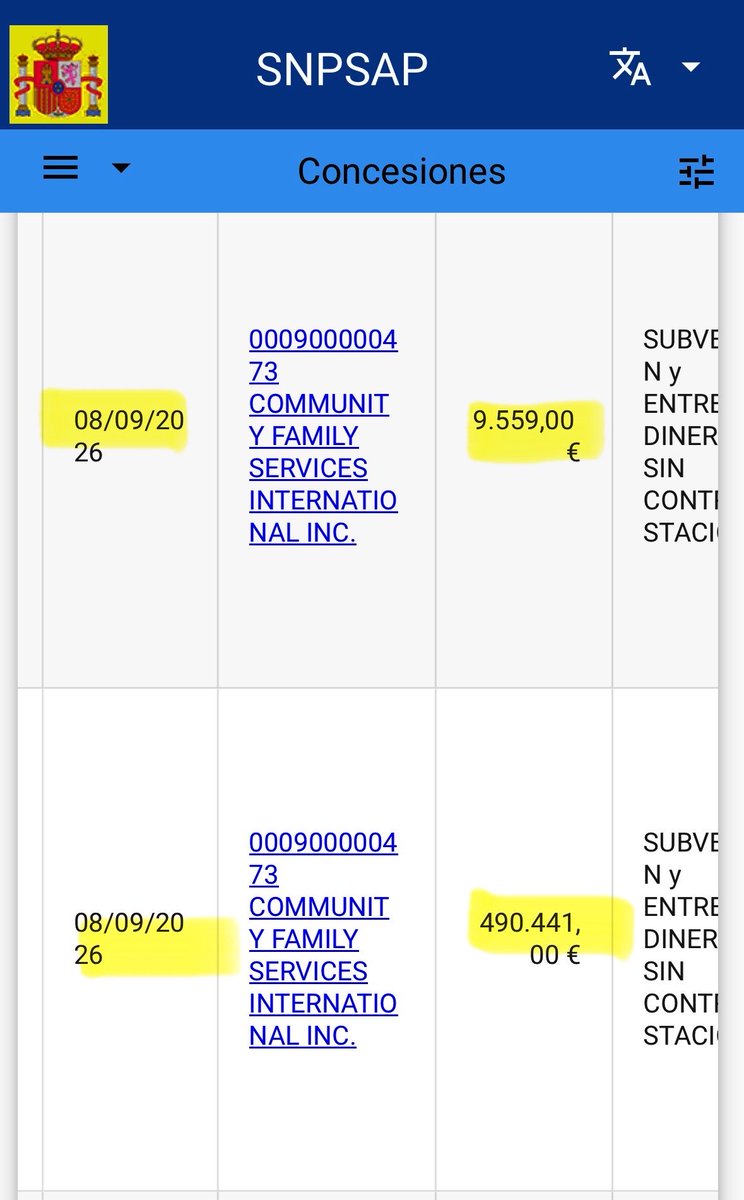
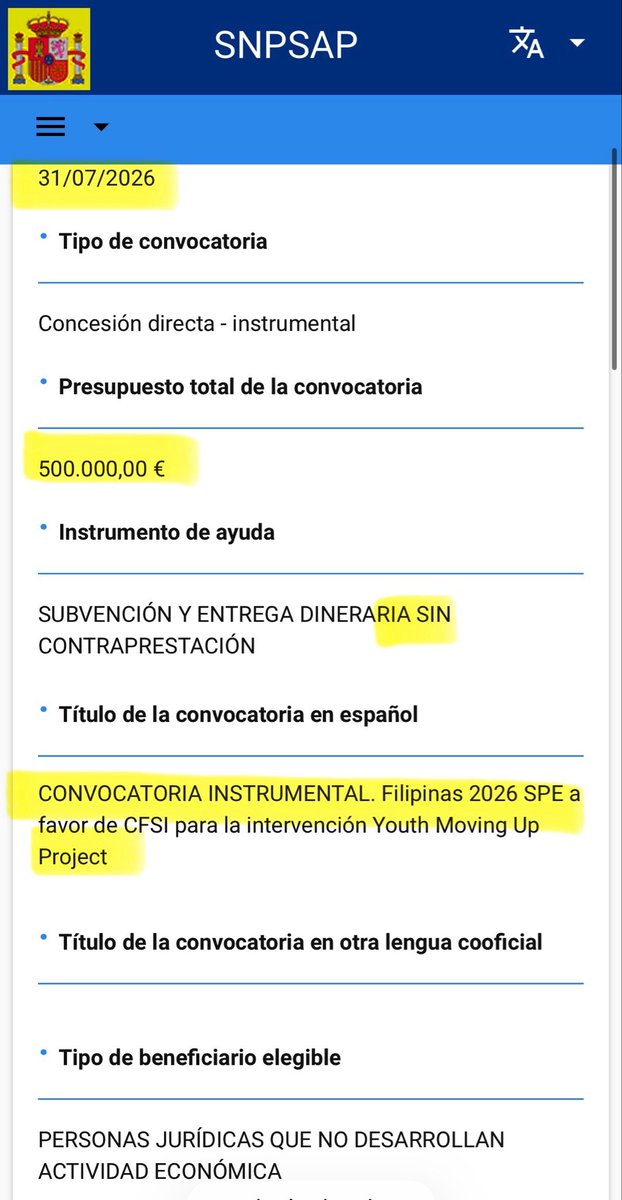
¿Les importa mucho la movilidad de los jóvenes filipinos? Se lo pregunto porque la han pagado este mes.
500.000€ en esta memez. #LeanPaganUstedes
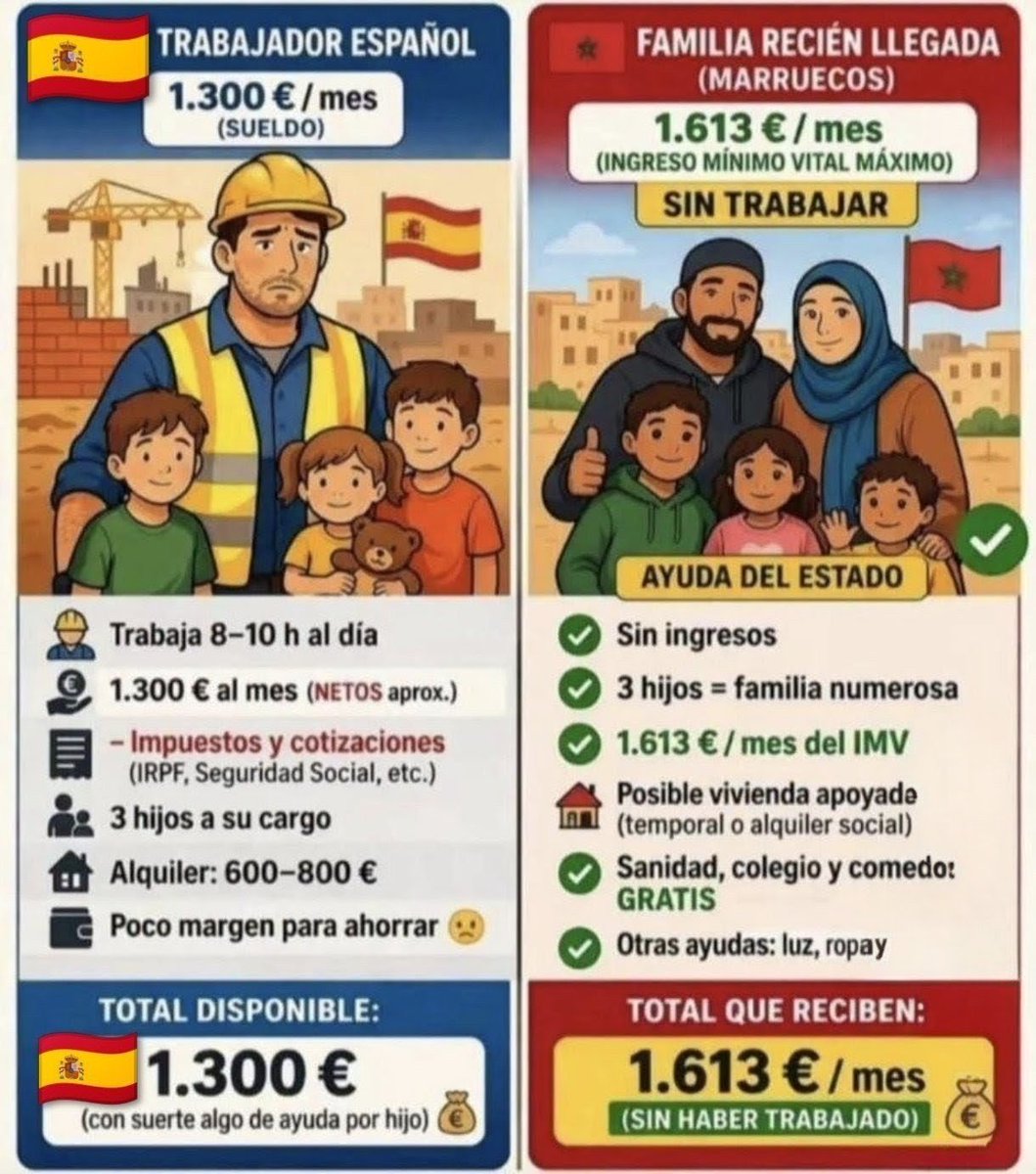
Ingreso Mínimo Vital
Ayudas para la vivienda y manutención
Pensiones no contributivas
Colegios y libros
Medicamentos
Pisos a precios bajos con subvenciones públicas
Ayudas a la integración social
Ayudas por reunificación familiar
Etc
Los españoles no se llevan estas ayudas
PUTA VERGÜENZA:
Aquí vemos al pobre menor Marroquí q ha venido huyendo de la miseria, recibiendo la ayuda semanal o diaria de su madre, para q cuando este LEGALIZADO y la izquierda le de casa en la Península, se traerá a toda su familia y todo pagado con nuestro 💰
THE PEP FILES. PART 1: The Italian Trap & The Unbending Court
Chapter 1: The Flawless Spanish Shield
For 11 seasons and 382 matches, Pep Guardiola was the undisputed heart of FC Barcelona. He lifted 16 major trophies, anchored the national team, and dominated European football. In Spain, his drug testing record was spotless, not a single flag, anomaly, or suspicious sample.
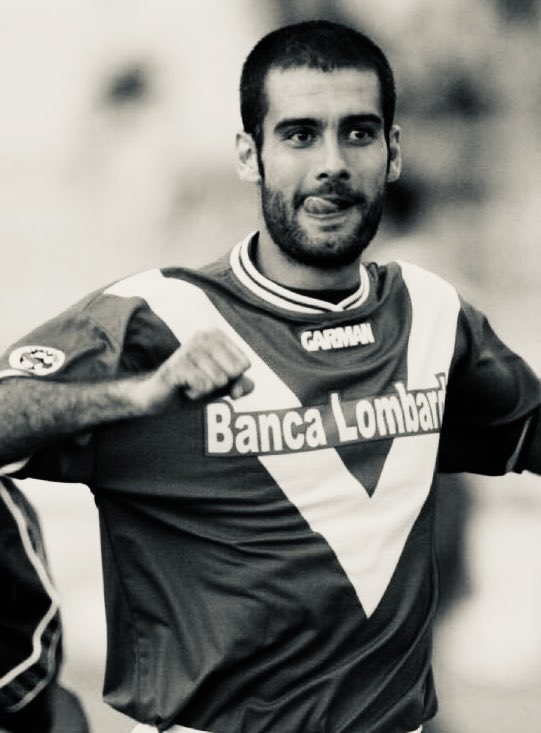
Then came the summer of 2001. Guardiola left Barcelona for Italian side Brescia.
Just two matches into his Serie A campaign, against Piacenza and Lazio, his urine samples triggered an immediate alarm: Positive for Nandrolone, a heavy-duty anabolic steroid designed to accelerate recovery, increase muscle mass, and boost stamina.
How does a player spend over a decade in La Liga completely undetected, only to fail a test the second he crosses the border into Serie A? Did Pep suddenly start doping at 30 years old? Or was he using the exact same protocols he used in Spain, only to run headfirst into a legal system that actually checked?
Chapter 2: Why Spain Kept Him Clean?
During the late 1990s and early 2000s, Italian football operated under the strict oversight of the Italian Olympic Committee (CONI) and fearless public prosecutors like Raffaele Guariniello. Italian authorities used lower detection thresholds for steroid metabolites, performed unannounced training ground raids, and treated sports doping as a federal criminal offense.
Spain, by contrast, had no centralized anti-doping agency. La Liga relied on soft, predictable post-match urine tests.
No Out-of-Competition Testing: Testers only checked players after matches. Anyone using calculated clearance windows, micro-dosing schedules, or "seasonal preparation plans" during recovery breaks was virtually immune on Spanish soil.
Legal Immunity: Until 2006, doping was not a crime in Spain. Courts could not issue police search warrants for club pharmacies or seize medical files, while Spanish testing labs faced intense international criticism for a lack of transparency.
Chapter 3: The Doctor Pipeline & The Multivitamin Defense
Cornered by the Italian Football Federation (FIGC), Guardiola held a press conference declaring his innocence: "A machine says I have taken nandrolone, but I know I didn't."
His defense was the classic athlete playbook: "contaminated multivitamins."
Who supplied those multivitamins? Dr. Ramon Segura, a professor of physiology at the University of Barcelona and Guardiola's personal physiologist.
Segura’s name was already red-hot. Just seven months earlier, Dutch midfielder Frank de Boer tested positive for Nandrolone at FC Barcelona under Segura's care. In fact, the 2001–2002 Serie A season saw a sudden wave of Nandrolone busts: Guardiola, Jaap Stam, Edgar Davids, and Fernando Couto, all pointing to supplement protocols arranged by a tight network of sports doctors.
The FIGC rejected Guardiola's excuse, handing him a 4-month ban and a €50,000 fine. Italian criminal courts went further: in May 2005, a judge in Brescia sentenced Guardiola to a 7-month suspended prison sentence.
Chapter 4: The Great (Lucky) Escape (2007–2009)
Guardiola spent eight years fighting the ruling. In October 2007, an Italian appeal court quietly acquitted him on a scientific technicality, accepting arguments that extreme physical strain could cause human bodies to naturally produce trace nandrolone metabolites, or that testing margins at the time allowed for false positives.
The legal drama reached a tense climax in May 2009. Right as Guardiola was guiding FC Barcelona through their iconic treble-winning season, CONI’s anti-doping prosecutor formally reopened the case, calling the acquittal "unacceptable" and summoning Pep back to court.
By September 2009, CONI threw out the appeal due to expired procedural deadlines. The case was buried forever.
In 2008, Pep Guardiola took over as head coach of FC Barcelona. What happened next is a story for another day..
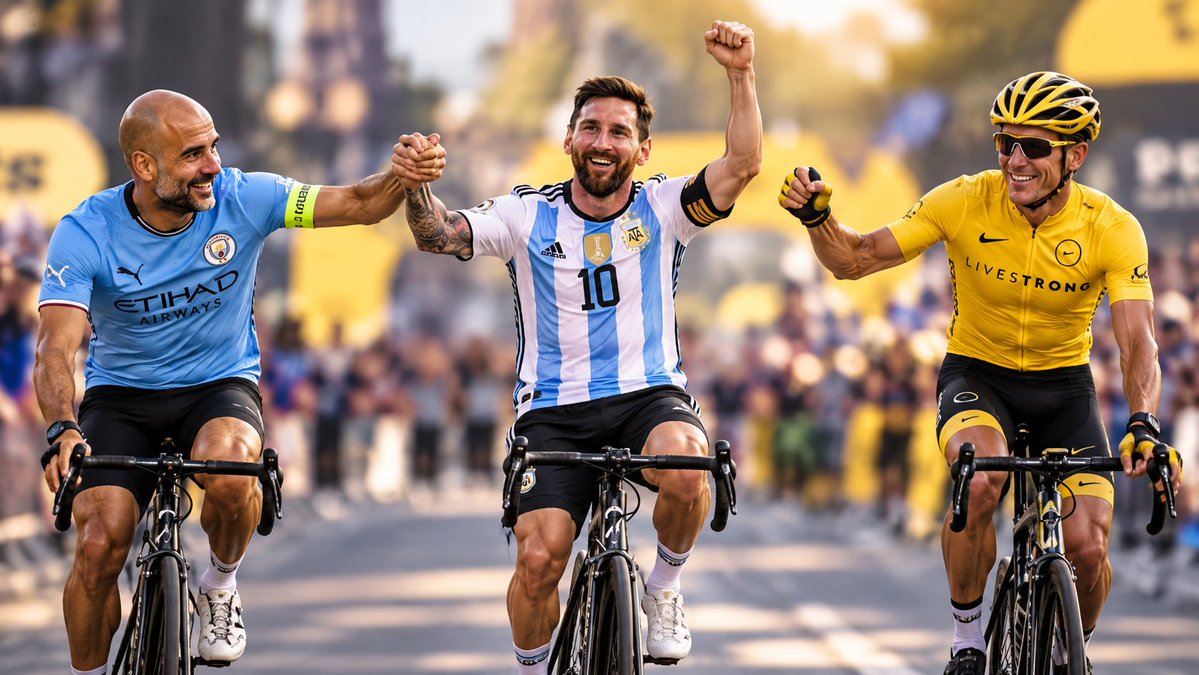
🚨 TRES LEYENDAS. TRES HISTORIAS. TRES INYECCIONES. 💉
Messi: HGH.
Guardiola: nandrolona.
Armstrong: HGH… y mucho más.
¿Casualidad o una historia que merece ser contada? 👀🔥
Resulta que Pedro Sánchez y Sra. son propietarios de seis pisos y dos plazas de garaje.
Y que sólo entre diez Ministros acumulan treinta pisos en propiedad
La expropiación que pide Sumar les tocará a éstos o es sólo para los de derechas?
🤔
The Untold Pep Files: A Story of Drugs, Referees, and Dark Money in Football👇
Imagine a story so massive it makes the Lance Armstrong scandal look like a warm-up act. It starts with a single player, spans across three countries, and exposes a decades-long trail of destroyed evidence, "miracle" doctors, and institutional corruption.
Welcome down the rabbit hole. 🕵️♂️⚽
CHAPTER 1: The Player Who Got Caught
Before Pep Guardiola was the master tactician, he was a midfielder for Brescia in 2001. That was the year he tested positive twice for the banned anabolic steroid nandrolone.
His defense? "Contaminated multivitamins."
Who was the man preparing those exact vitamins? Dr. Ramon Segura, the same physiologist who was working with Frank de Boer when De Boer also tested positive for nandrolone that exact same year.
The pattern was set early: win at all costs, and surround yourself with questionable medicine.
CHAPTER 2: The Barcelona "Miracles" & Operación Puerto
When Pep took over Barcelona in 2008, guess who he immediately brought in to lead the medical staff? Dr. Ramon Segura.
At the same time, Spanish football was shadowed by Operación Puerto, the infamous raid on Dr. Eufemiano Fuentes that uncovered 99 blood bags containing EPO. Fuentes openly admitted on trial that he had worked with football and tennis stars, famously taunting the court that naming his clients meant Spain would have to give back their Champions League, European Championship, and World Cup trophies.
The Spanish judge’s response? Refuse to let him name names, reject WADA’s appeal, and order all blood bags destroyed under the guise of doctor-patient confidentiality.
Add to this:
Journalists uncovering full-season "doping preparation plans" for La Liga giants.
Real Sociedad’s president admitting they spent €327,000 annually on illegal black-market PEDs.
Retracted slips on radio revealing players using growth hormones for "muscle recovery."
Spanish football's Golden Era was built, but the paper trail was conveniently burned.
CHAPTER 3: The System Expands — Financial Doping & Negreira
Winning wasn't just happening on the pitch; it was being secured everywhere else.
While the public obsessively meme's about Premier League charges, Barcelona was paying millions to Jose Maria Enriquez Negreira, the Vice President of Spain's Refereeing Committee. When asked in court to provide the "referee reports" they claimed to be paying for, Barca couldn't produce them. They paid off the referees' boss, plain and simple.
CHAPTER 4: The Bayern Friction
When Pep arrived at Bayern Munich, he tried to bring his hyper-aggressive medical protocols with him. He insisted on sending injured players back to Barcelona to be treated by his preferred specialists.
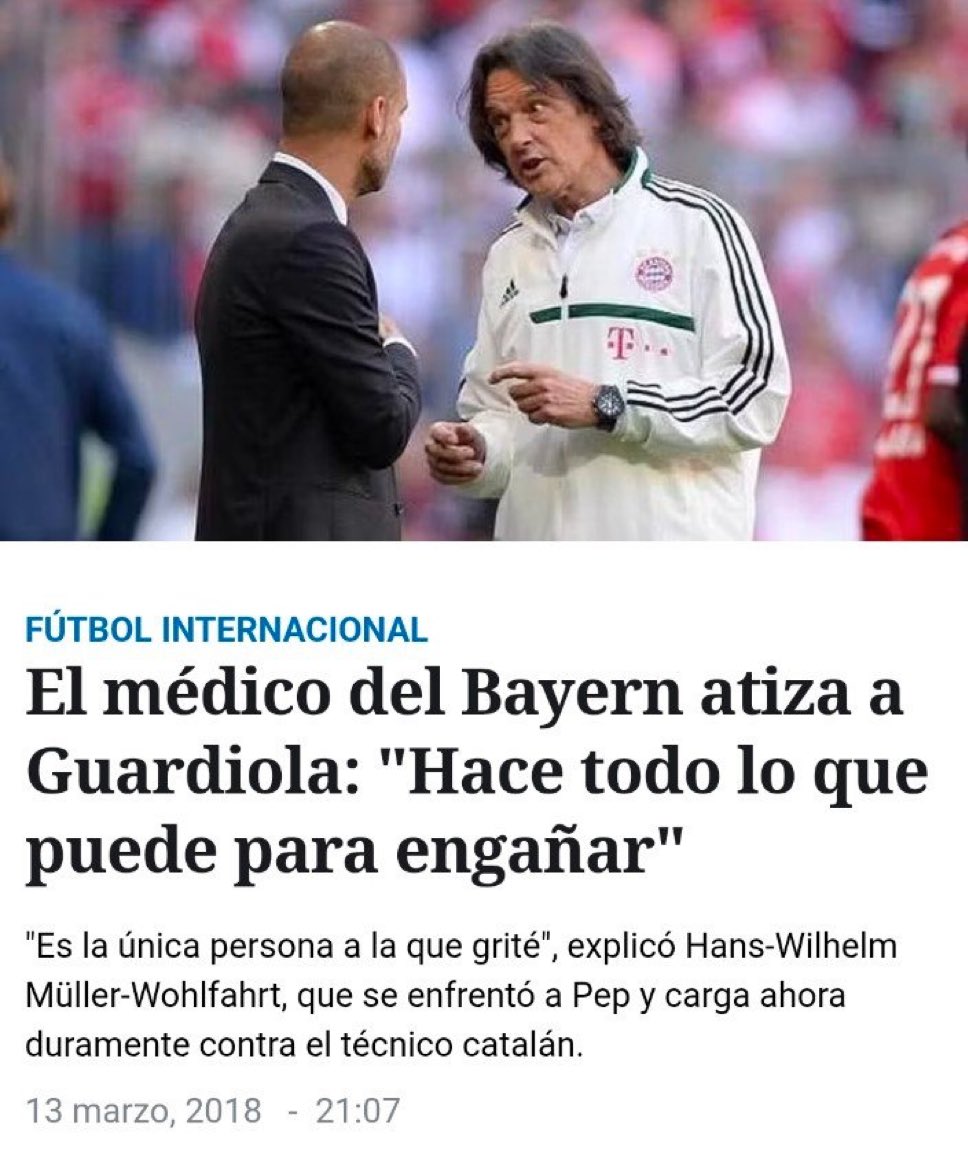
This sparked an explosive fallout with Bayern’s legendary physician Dr. Hans-Wilhelm Müller-Wohlfahrt, who walked out in disgust over Pep’s demands for unnatural, record-breaking recovery times. Bayern’s old guard refused to bend the knee to Pep's dark arts.
CHAPTER 5: Manchester City & The Ultimate Machine
At Manchester City, Pep finally found a club with zero moral boundaries to stop him.
The strategy reached its final, perfected evolution:
Financial Doping: Siphoning billions in hidden payments to bypass FFP rules and buy infinite depth.
Medical Anomaly: Key players like De Bruyne, Kompany constantly flying to Barcelona to see Dr. Ramon Cugat, mysteriously recovering weeks ahead of human biology norms.
Refereeing “controversies” and literally paying off referees like Michael Oliver.
When Samir Nasri got caught receiving illegal IV drip treatments in 2016, it was framed as an isolated mistake.
THE VERDICT
From nandrolone positives in 2001 to 115 financial charges and paid-off referee chiefs today... Pep Guardiola didn't just adapt to elite football. He systematically redefined how to cheat it.
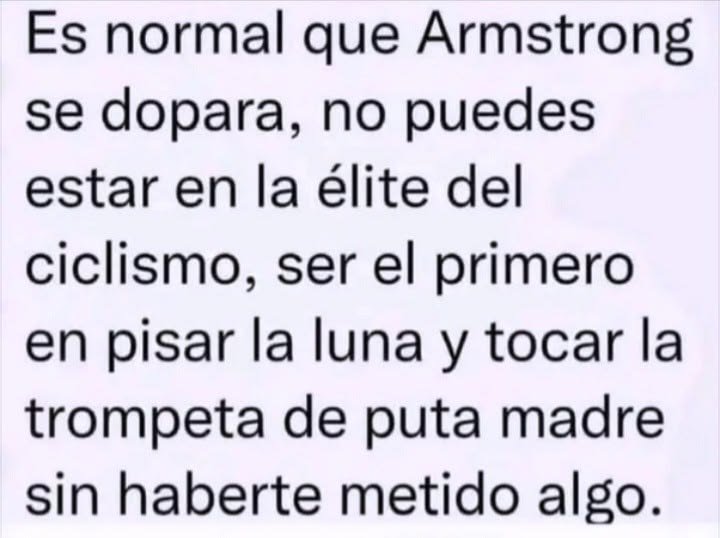
You think Lance Armstrong was the biggest cover-up in sports history?
You haven't been paying attention.
🔴ÚLTIMA HORA | La Policía reanima a una menor marroquí tras sufrir una violación en el Trampolín
✍️Información de @JaviBanuelos
https://t.co/XaTb3hk1Yg
Visto “Mandarinas”, el documental de @ACBCOM sobre @23Llull.
Me quedo con 3 frases:
“Sergio nos ha hecho siempre la vida más fácil”. Samu Castillo, fisioterapeuta durante muchos años en el Madrid.
“Cuando se lesionó, le escribía un mensaje de ánimo todos los días”. Su tía @Guida_llull.
“Como persona, valoro mucho una cualidad de Llull: la lealtad”. Ernest Berenguer, su asesor deportivo.
Os lo enlazo aquí:
https://t.co/O8xzNz3bMo