🔸Research Scholar in Integrative Plant AdaptOmics Lab (iPAL) at CSIR-IHBT, Palampur.
🔸 Currently working on Thermosensing and signalling pathways in plants.
#PhDSubmission#FourthPhD#Warming#Heating#ClimateChange
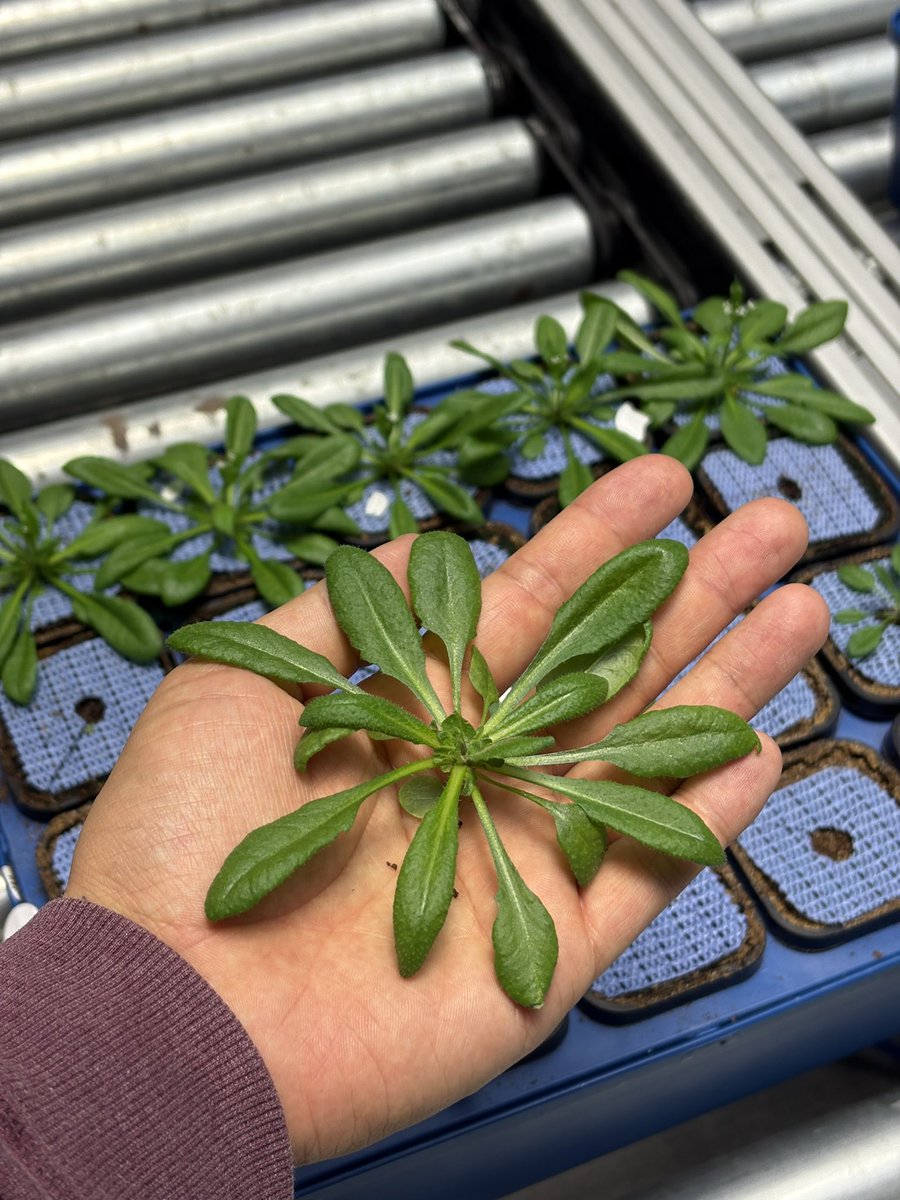
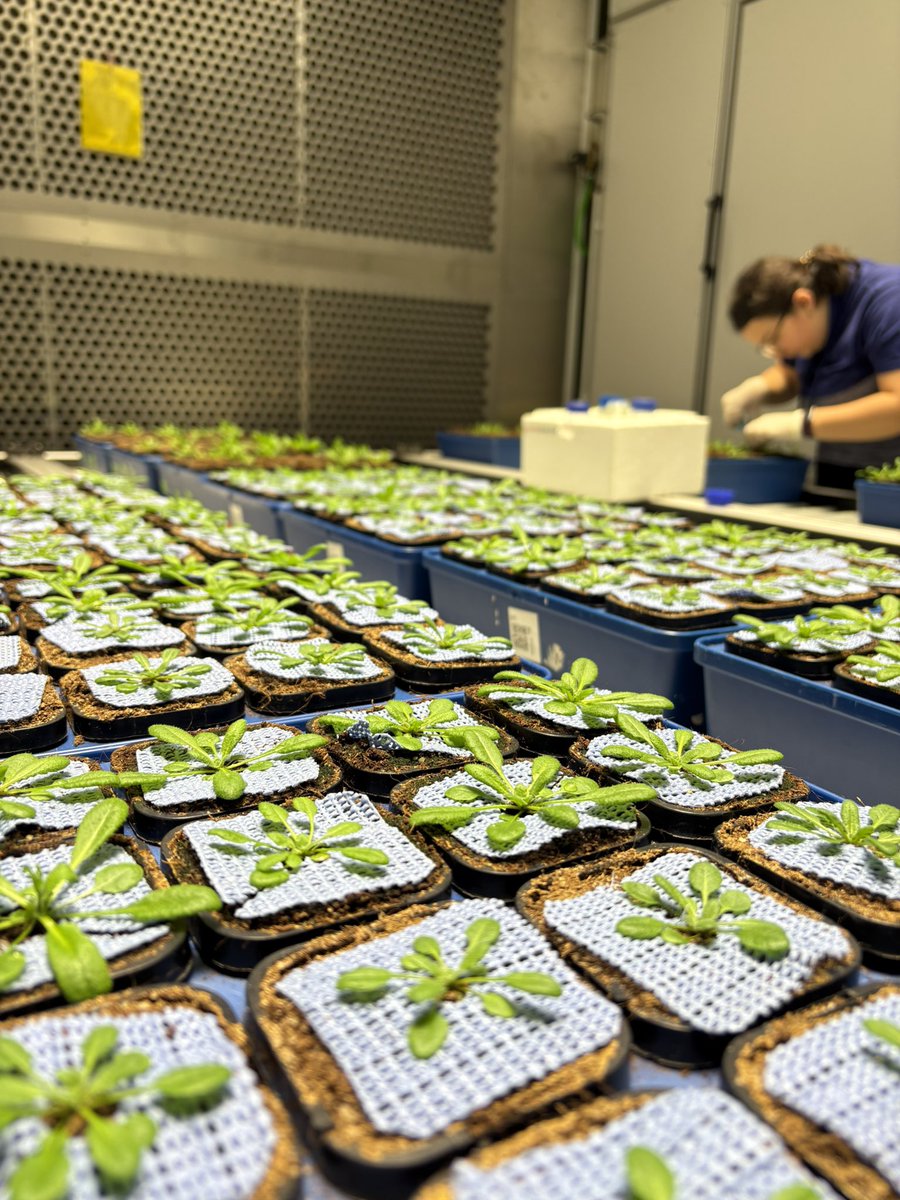
Congratulations to PhD scholar Vidhi Raturi @vidhi08r on the successful submission of her PhD thesis, “Decoding signaling networks in response to high temperature regimes in Arabidopsis thaliana.” 🌱🎓
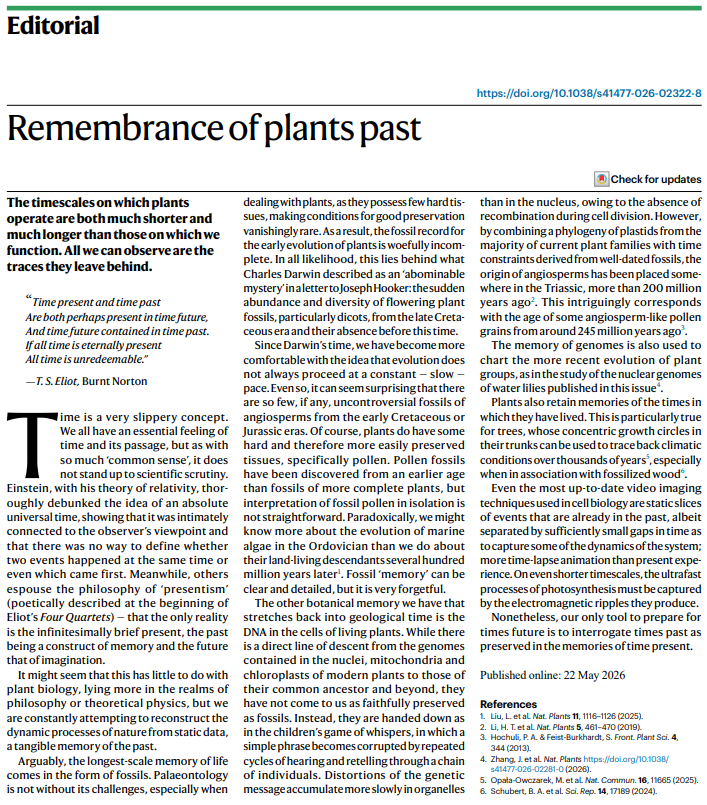
New Editorial: "Remembrance of plants past" https://t.co/oXhXYTNEs5
The timescales on which plants operate are both much shorter and much longer than those on which we function. All we can observe are the traces they leave behind.
#PhDSubmission#FourthPhD#Warming#Heating#ClimateChange
Congratulations to PhD scholar Vidhi Raturi @vidhi08r on the successful submission of her PhD thesis, “Decoding signaling networks in response to high temperature regimes in Arabidopsis thaliana.” 🌱🎓
Diksha Kalia (Registration No.10BB20A33032) Ph.D. student of AcSIR will defend thesis entitled “Decoding transcriptional network underlying flowering regulation in saffron (Crocus sativus L.)” on February 26, 2026 at CSIR-Institute of Himalayan Bioresource Technology, Palampur Ph.D work was completed under the supervision of Dr. Rajesh Kumar Singh, AcSIR/CSIR-IHBT, Palampur @CSIR_IND@CSIR_IHBT
Plant memory is measurable.
How do single molecules trigger long-lasting responses in plants?
Is the memory stored in chromatin, signaling loops… or even chloroplasts?
Exciting work led by my student.
#PlantScience#PlantMemory#Chloroplasts
Take a look into the year 2000 time capsule: a milestone in plant science 🌱
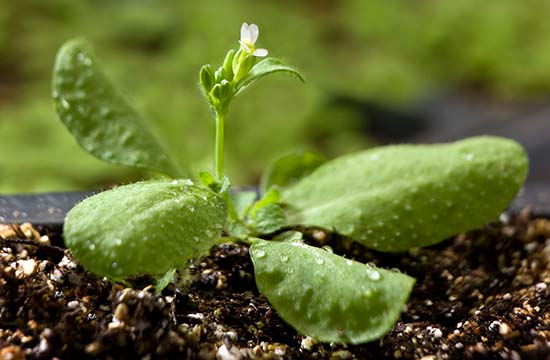
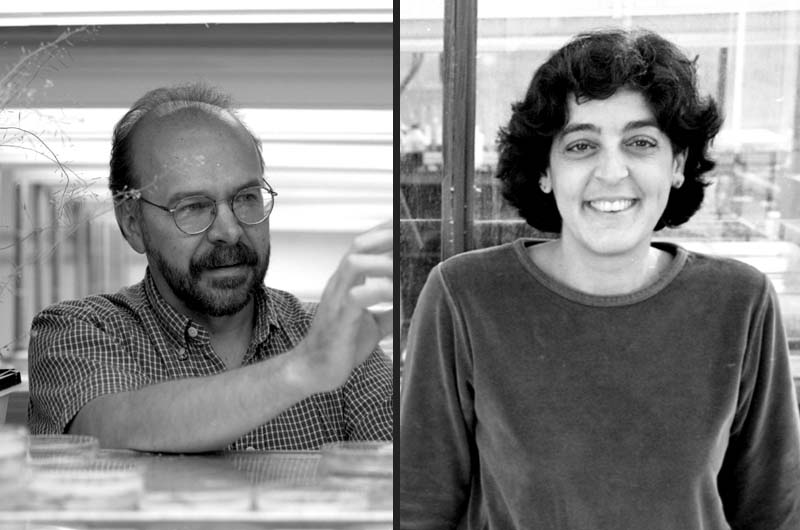
Arabidopsis thaliana—a small flowering mustard—became the first plant to have its entire genome sequenced, transforming the field of plant biology. Salk scientist Joseph Ecker co-led the international Arabidopsis Genome Initiative and sequenced one of the plant’s five chromosomes, while the late Joanne Chory advised the national effort.
That breakthrough laid the foundation for Salk’s Harnessing Plants Initiative, which has now sequenced more than 900 plant genomes. Today, Salk scientists are using this knowledge to develop improved varieties of wheat, rice, corn, and other staple crops—advancing nutrient use, drought tolerance, and disease resistance.
Read more in Salk's newest issue of Inside Salk magazine: https://t.co/Toj8ppwJWH
#PlantScience #Plants #SanDiego #salkinstitute
PhD student from India Aparna Sreeprakash joins MSCA HeatDDR! She will study how heat stress affects plant growth via DNA Damage Response (DDR), in Labdeers team. We wish Aparna all the best results and nice stay at Czech republic.
funded by EU