After months of huddles & quiet hustles; intense brainstorming; periods of great ecstasy and moments of intense despair—we are so delighted to announce our new start-up venture - @naav_ai
NAAV AI that empowers languages with AI-Powered Content Transformation.
Inspired by the Sanskrit, Pāli, and Hindi word Naav (meaning “boat”), we envision AI as a vessel — carrying content across linguistic shores, making knowledge more accessible, and connecting people through language.
The spark was lit during one of the numerous endless conversations I have with my dear friend of several years and always a sounding board of sorts—Sandeep Singh Chauhan. Coming from a rich corporate experience of over 20 years and a sound technology background, Sandeep was the perfect person to ideate on a longstanding thought. Both of us felt an urgent need to democratize quality content, lifting it from the ‘English-only’ bubble into the multilingual heartbeat of India — with 22 official languages and countless dialects. Could the emergent AI technology help bridge this growing linguistic divide? Could it translate and transform content — text, audio, video — into the diverse languages of India without erasing the human voice and the cultural and linguistic nuances? Could it empower, not replace, creators?
And thus, NAAV AI was co-founded by Sandeep and me in January 2025. In no time we had a third friend Sravan Kumar Aditya, a builder and enabler of several successful tech start-ups join hands with us. It was propitious to get early support for the company from friends @bhash (CEO of @Olacabs & @Krutrim) whose infectious energy makes every idea seem within reach and @ashajadeja (Silicon Valley based investor and philanthropist) who is always on the lookout to support every good idea.
Our flagship product, TransLit, began its journey with @BluOneInk
as our first publishing partner. Our team of brilliant developers, language experts, and professional translators are now translating books from English into 6 Indian languages: Hindi, Marathi, Kannada, Tamil, Telugu, and Malayalam.— faster, better, and with human creativity and intervention at the core. The AI simply assists them, it can never replace them! Every AI translation is meticulously reviewed and refined by these professionals who are part of the founding team, who report faster turnarounds and greater reach.
But this is just the beginning.
NAAV AI is setting sail for an exciting journey ahead— and we’re inviting you aboard !
Let’s bridge languages. Let’s build together.
For more details please visit our website https://t.co/t6do8vXXZQ and follow us on our social-media handles!
FB: https://t.co/AwH7MaimPC
Insta: https://t.co/Igk1UqdK2q
Linkedin https://t.co/rEd80ks3MV
X: https://t.co/1x5UBDiSgx
Ask a Sanskrit reader who the master of simile is, and the answer has been the same for centuries: upamā Kālidāsasya. His verses have enriched us through the ages, yet the poet himself remains something of an enigma. This only deepens the fascination. To return to Kālidāsa and his works, Abhijñānaśākuntalam among them, is to find something new each time, and it is a legacy that merits being presented with care.
With the gracious support of the OLA Foundation, FIHCR has initiated a special literary and visual coffee table book project devoted to the great poet of classical Sanskrit literature and his most celebrated play, the story of Śakuntalā. It brings together Kālidāsa’s world, his craft, and the art his verses have inspired through the ages.
Swipe to meet the Project Lead Ms Sunita Pant Bansal and the Research Partners Mr Arjun Bharadwaj and Mr Alok Kumar who are on this journey with us.
@foundation_ola@vikramsampath@sunitapb@sans_alok
#Kalidasa #Abhijnanashakuntalam #SanskritLiterature #IndianClassics #FIHCR
Ranjeet Bakhshi Jankalyan Foundation, operating in Nurpur in Himachal Pradesh since last 6 years & run by my friend @a_bsays are beginning a drive to help girls reach their full educational potential by providing scholarships worth Rs.5,000 each to 30 girls from underprivileged families. Please support this noble cause by contributing on the following account. Any amount is welcome 🙏
On 11 November 1902, Gauhar Jaan made history with India’s first commercial gramophone recording. One of the most celebrated vocalists of her time, she recorded nearly 600 discs, leaving behind a remarkable musical legacy.
Discover her story and explore India's musical heritage through the Archive of Indian Music (AIM) — India's first digital sound archive dedicated to vintage gramophone recordings.
Explore AIM on SoundCloud: https://t.co/LOy23QneDV
@vikramsampath
#GauharJaan #IndianMusic #MusicalHeritage #Gramophone #HindustaniClassical
#PinkLine
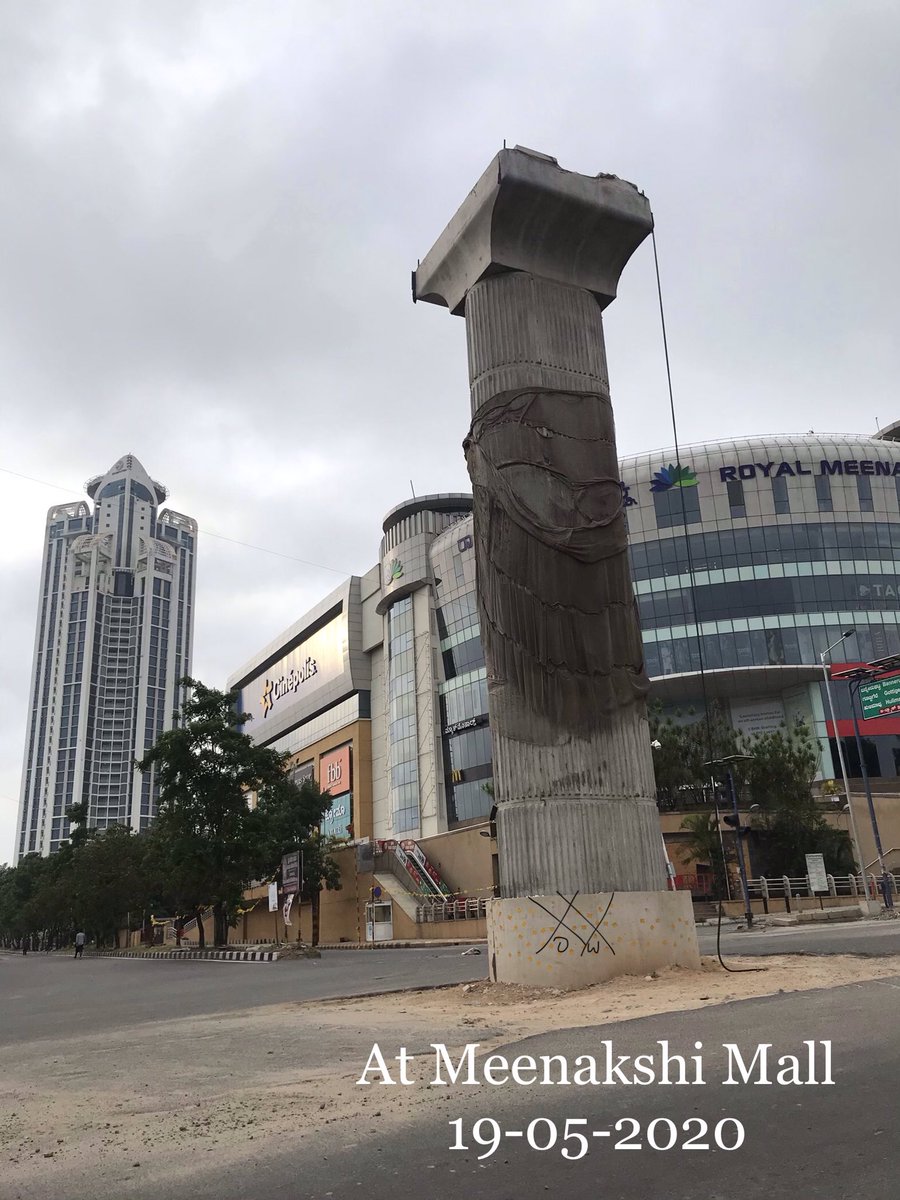
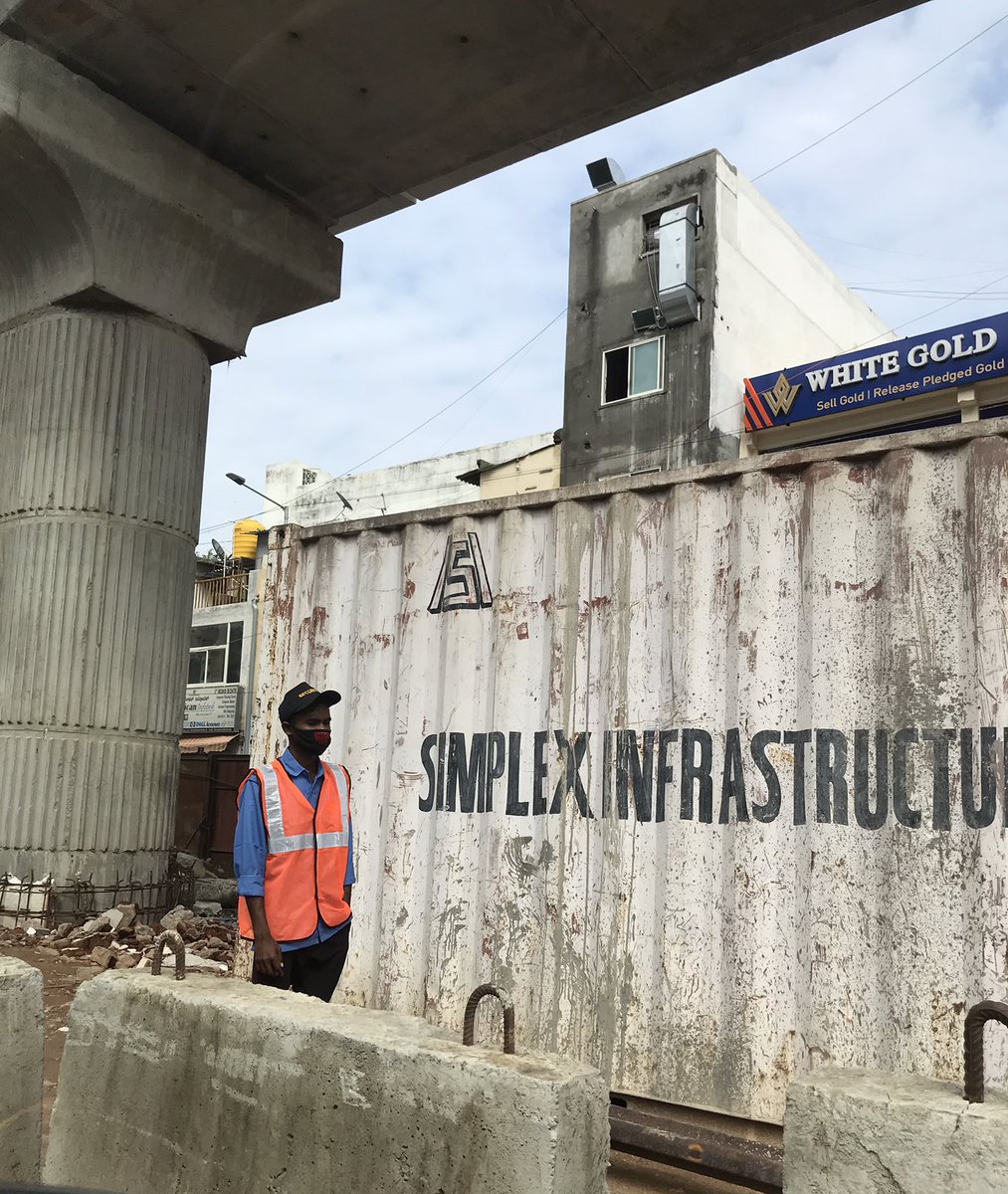
Opening a new line is good news and it’s great to see a few km added to our metro network 🎉🥳.
But 9 years for a 7.5 km stretch? That’s 0.83 km a year - SHAME and shows the level of inefficiency. No one will take the blame, but everyone will rush to take the credit
“My name is Gauhar Jaan!” — an announcement that would become one of the most recognisable signatures in the history of Indian music.
On 11 November 1902, Gauhar Jaan stepped before a recording horn in Calcutta and made her voice part of a remarkable new chapter in India's musical history. With just a few minutes available on each record, she mastered the art of adapting the expansive traditions of Indian classical music to the gramophone.
A celebrated vocalist and performer, Gauhar went on to make nearly 600 recordings across more than ten languages, leaving behind a musical legacy that continues to resonate more than a century later.
🎶 Rediscover Gauhar Jaan and other pioneering voices through the Archive of Indian Music (AIM) — India's first digital sound archive dedicated to vintage gramophone recordings.
Explore AIM on SoundCloud: https://t.co/LOy23QneDV
@vikramsampath
#GauharJaan #IndianMusic #MusicalHeritage #Gramophone #HindustaniClassical
Ranjeet Bakhshi Jankalyan Foundation, operating in Nurpur in Himachal Pradesh since last 6 years & run by my friend @a_bsays are beginning a drive to help girls reach their full educational potential by providing scholarships worth Rs.5,000 each to 30 girls from underprivileged families. Please support this noble cause by contributing on the following account. Any amount is welcome 🙏
Help 🚨
This dog was found near Indiranagar metro station. The owner says they don’t “need” the dog :(
If you know anyone who can adopt please ask them to call Mr. Rajesh- 9945164143
Please share as much as possible 🙏
When CoVID affected our families, snatched our friends from us, both @shailjasingh75 and I, though not virologists, decided we should do something. Here, we report discovery of a mechanism that, when targeted, kills the virus. Link: https://t.co/PIcKEg1Y70 https://t.co/yeZjPgTAH4
Historian @vikramsampath talks about how people all over the world are revisiting history in the face of new evidence and why it should not be looked at through a negative lens.
@BarooahNabaarun@fihcr_info
A Palace is More Than Government Property
In this article for @NewIndianXpress , Dr Vikram Sampath @vikramsampath reflects on the enduring legacy of the Wadiyar dynasty and its contributions to shaping modern Mysore, highlighting the importance of recognising historical heritage beyond the bounds of legal ownership and administrative authority.
Read the article:
https://t.co/F7ur7vZWoa
The recent, unsavory brouhaha around the Mysore palace with a minister's intemperate remarks does injustice to the Wadiyar rulers & their contribution in the making of modern Karnataka. My column for @NewIndianXpress
https://t.co/snqdewcjE7
@yaduveerwadiyar@fihcr_info
The history of Shri Kashi Vishwanath temple as it survived waves of attacks by Islamic invaders yet the spirit of Hindus never flagged. Kashi stood firm. So did Bharat. With @vikramsampath@maliniawasthi@Vishnu_Jain1 https://t.co/eCnCxvtoFM
Ramayana is in the news so Audrey is “loosely translating” with her lurid takes again…
Valmiki never wrote "harem pet" or "furniture cover." Just as he never said Sita calls Rama a “misogynist pig.”
Here's what the text says.
On the living deer, Aranya Kanda 3.43.16:
अन्तःपुरविभूषार्थो मृग एष भविष्यति antaḥpura-vibhūṣārtho mṛga eṣa bhaviṣyati
"This deer will be an ornament of the inner palace." Not “harem.” Sita is talking about after the exile, when they're back in Ayodhya. The word is vibhūṣā, ornament. It's a marvel to bring home to Bharata and the queen mothers. It isn't a "pet," and it isn't a harem plaything. We also know that Rama never took another wife, let alone kept a harem.
On the slain deer, 3.43.19:
शष्पबृस्यां विनीतायामिच्छाम्यहमुपासितुम् śaṣpa-bṛsyāṃ vinītāyām icchāmy aham upāsitum
"I wish to sit on its golden skin, spread over a seat of tender grass." A bṛsī is an ascetic's grass seat. She's a forest-dweller in exile, picturing herself sitting beside Rama. That isn't upholstery or a "furniture cover." Rama even pictures the same scene himself a few verses later (3.43.34).
So "harem pet" and "furniture cover" aren't translations. Each one picks the most lurid or trivial reading available so that Sita comes off as decadent and vain. The text doesn't support either.
We've seen this before. In 2018 Truschke "loosely translated" Sita at the agnipariksha as calling Rama a "misogynist pig." Robert Goldman, the translator she cited, disowned it.
She starts from a Sanskrit word, takes the most loaded English you can find, and presents it as scholarship. That's academic malpractice.
And it’s a pattern.