Mogi I/O offers White-label OTT to help you enter the booming streaming market with ease
Visit Us - https://t.co/rNDwSfwLOC
Contact us: - 7678268453
WhatsApp (Chat with us) - https://t.co/1qaKb5u9Uy
📧 [email protected]#OTT#OTTPlatform#VOD#streaming#whitelabelOTT
China built an $18 billion microdrama export machine on one core idea: every region gets its own version of the story, not a dubbed copy of someone else's.
The coverage on this has been all about China vs. the US, China vs. Europe.
I want to talk about the market sitting right next to India instead.
South Asia's combined OTT streaming revenue is projected to grow from $4.96 billion in 2026 to $6.76 billion by 2030. India drives most of that number. Pakistan, Bangladesh, Sri Lanka, and Nepal are still wide open.
Some numbers worth sitting with:
Pakistan: 230 million people, young and mobile-first, still underweighted in most streaming market analysis.
Bangladesh: roughly 170 million people, a growing middle class, and local drama already picking up steam.
Sri Lanka and Nepal: smaller populations, but genuinely early-stage — closer to where India's own OTT market was five years ago.
What makes this different from China's expansion into the West: these audiences already share language and culture with a huge chunk of Indian content. A Hindi, Bengali, Urdu, or Nepali-adjacent microdrama travels across these borders without the localization budget China had to spend cracking American audiences.
China had to manufacture cultural relevance from zero. Indian platforms are starting with it already built in.
A regional playbook, adapted from what's working in China:
Produce region-specific micro-dramas for these markets instead of dubbing existing Indian content into them.
Enter Pakistan, Bangladesh, Nepal, and Sri Lanka now, while they're still fragmented, rather than after global players consolidate them.
Build ad-supported and low-cost monetization models suited to these markets, rather than assuming subscriptions will work the way they do in metro India.
China proved this model scales globally. For Indian OTT and microdrama companies, the real question is whether to spend the next two years chasing China's playbook in the West, or building the regional advantage sitting right across the border first.
#OTT #Microdrama #SouthAsia #StreamingIndustry #MediaBusiness
YouTube just raised the bar for creators. Should creators build their own platforms?
From February 1, 2027, new creators will need 8,000 qualified watch hours or 20M qualified Shorts views to unlock YouTube's ad and Premium revenue-sharing tier.
That's double the current threshold.
But the bigger question isn't the threshold.
It's ownership.
Creators spend years building audiences on platforms they don't control.
Algorithms change.
Monetization rules change.
Revenue models change.
The lesson isn't to leave YouTube.
YouTube is still one of the world's most powerful discovery engines.
The lesson is:
Discovery ≠ Ownership.
Use YouTube to build attention.
But eventually, serious creators need to think about owning the relationship with their audience.
Your brand.
Your viewer data.
Your monetization.
Your platform.
And that platform doesn't need to rely on one revenue stream.
SVOD. TVOD. AVOD. Shoppable video.
A creator can turn an audience into subscriptions, transactions, advertising revenue and commerce.
Imagine watching a video, tapping a product, exploring it and buying it without leaving the experience.
At that point, content isn't just generating views.
The content itself becomes a business.
That's where OTT gets interesting.
The next generation of creators won't just build channels.
They'll build media businesses around their audiences.
#CreatorEconomy
Microdrama may become advertising’s next battleground.
Brands spent decades trying to get inside entertainment.
Product placement. Sponsorships. Celebrity endorsements.
Now the shift is different:
Brands want to become part of the story.
Google × Tiger Baby’s A Perfect Match is a signal.
Microdrama → Interactive video → Shoppable video.
The future of advertising may not be ads inside content.
It may be commerce inside the story.
#MicroDrama
Wishing you a prosperous and joyful Tamil New Year! May Chithirai bring you happiness and harmony
Visit us - https://t.co/5WSrNLHYVm
#puthandu#tamilnewyear#vishu#MogiIO
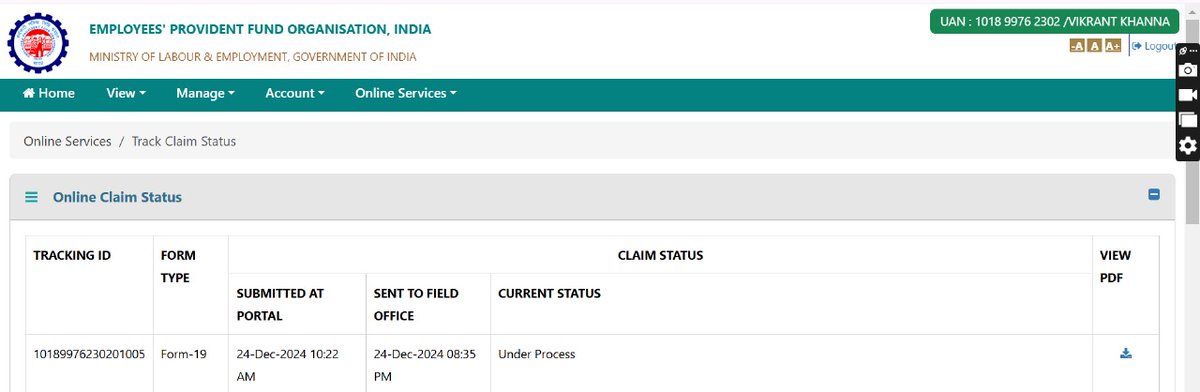
My PF claim has been stuck for 13 years due to EPFO record errors. Despite corrections and applying on Dec 24, 2024, it's still 'Under Process' after 85 days. Unacceptable delay!
@EPFOIndia@LabourMinistry@GopalVittal @SunilBhartiMittal, please resolve this matter urgently
Launch Your Own OTT Platform with Mogi! Whether you're a content creator, media house, or entrepreneur
Contact us today
Call Now - 7678268453
WhatsApp (Chat with us) - https://t.co/1qaKb5u9Uy
Visit us at https://t.co/5WSrNLHYVm
#OTTPlatform#VideoStreaming#MogiOTT
The OTT sector is booming, but starting a platform involves technical and financial hurdles. The Platform-as-a-Service (PaaS) model is the ideal choice for startups, enabling them to concentrate on content while riding on a scalable, affordable platform.
1. Lower Costs & Faster Launch
Developing an OTT platform from the ground up is expensive. PaaS has a subscription-based model, avoiding large initial investments. It also has pre-configured features, allowing startups to go live in days rather than months.
2. Hassle-Free Scalability
When an OTT platform scales, server and bandwidth management become complicated. PaaS solutions automatically scale
to provide smooth content delivery, serving thousands or millions of viewers without any issues.
3. Adaptable Monetization Models
PaaS supports subscriptions
SVOD), advertisements (AVOD), and pay-per-view (TVOD), allowing startups the freedom to try various revenue models.
4. Continuous Updates & Security
With changing technology, OTT startups require periodic feature updates and security fixes. PaaS guarantees updates, DRM safeguarding, and GDPR adherence, minimizing security threats.
5. Cross-Device Compatibility
OTT viewers stream content on mobile phones, smart TVs, and laptops. PaaS guarantees effortless multi-device streaming, exempting startups from considerable development work.
6. Inbuilt Analytics & AI Insights
Data-driven decision making is the key to OTT success. PaaS comes with inbuilt analytics, which enable startups to get insights into user behavior, optimize content, and boost engagement.
7. CDN for Buffer-Free Streaming
Content delivery is crucial for user experience. PaaS comes with CDNs (Content Delivery Networks) that ensure buffer-free streaming, enhancing viewers' retention.
8. Growth, Not Tech
PaaS manages backend operations, allowing startups to focus on content, marketing, and audience interaction instead of technicalities.
Conclusion
For startups seeking to reduce expenses, go live in no time, and scale with ease, PaaS is the perfect fit. It eliminates technical hassles, promotes innovation, and allows them to compete with the biggies.
Considering starting an OTT platform? Go for PaaS and let's get back to what really matters—offering awesome content!
Visit Mogi I/O at https://t.co/drbhBEKlmd, or call us at +91 7678268453
hashtag#OTT hashtag#Streaming hashtag#PaaS hashtag#FilmMaker hashtag#VideoPlatform hashtag#FilmProducer
The OTT industry is booming, but launching a platform comes with technical and financial challenges. The Platform-as-a-Service (PaaS) model is the best solution for startups, allowing them to focus on content while leveraging a scalable, cost-effective platform.
1. Lower Costs & Faster Launch
Building an OTT platform from scratch is costly. PaaS offers a subscription model, eliminating hefty upfront investments. It also provides pre-built features, enabling startups to launch in days instead of months.
2. Scalability Without Hassles
As an OTT platform grows, managing servers and bandwidth becomes complex. PaaS solutions auto-scale to ensure seamless content delivery, handling thousands or millions of viewers effortlessly.
3. Flexible Monetization Models
PaaS providers support subscriptions (SVOD), ads (AVOD), and pay-per-view (TVOD), giving startups the flexibility to experiment with different revenue strategies.
4. Ongoing Updates & Security
With evolving technology, OTT startups need regular feature upgrades and security patches. PaaS ensures updates, DRM protection, and GDPR compliance, reducing security risks.
5. Cross-Device Compatibility
OTT users stream on smartphones, smart TVs, and desktops. PaaS ensures seamless multi-device streaming, saving startups from extensive development efforts.
6. Built-in Analytics & AI Insights
Data-driven decisions are key to OTT success. PaaS offers built-in analytics, helping startups understand user behavior, optimize content, and increase engagement.
7. CDN for Buffer-Free Streaming
Content delivery is critical for user experience. PaaS integrates with CDNs (Content Delivery Networks) to provide buffer-free streaming, improving viewer retention.
8. Focus on Growth, Not Tech
PaaS handles backend operations, letting startups concentrate on content, marketing, and audience engagement rather than technical complexities.
Conclusion
For startups looking to minimize costs, launch quickly, and scale effortlessly, PaaS is the ideal choice. It eliminates technical burdens, ensures innovation, and helps them compete with larger players.
Thinking about launching an OTT platform? Choose PaaS and focus on what truly matters—delivering great content!
Visit Mogi I/O at https://t.co/drbhBEKlmd, call us at +91 7678268453
#OTT #Streaming #PaaS #FilmMaker #VideoPlatform #FilmProducer
Short Drama box, Reelshorts & IQIY - What's common between these apps? These are shining examples of Short video series OTT platforms that are taking the far eastern countries by storm
What’s Driving This Mega Trend?
Declining Attention Spans – Audiences prefer quick, engaging content over long-form narratives.
Mobile-First Consumption – Short video content is optimized for mobile viewing, aligning with today’s digital habits.
AI-Driven Personalization – Advanced algorithms help recommend trending content, boosting visibility.
Monetization Potential – Ad-based revenue models, brand sponsorships, and pay-per-view options make short series profitable.
How Indian Production Houses & Indie Filmmakers Can Leverage This Opportunity
Repurpose Existing Content – Convert full-length movies into engaging short episodes.
Focus on Vernacular Storytelling – Regional-language content has a massive, untapped audience.
Use AI-Powered Streaming Solutions – Mogi I/O (https://t.co/CJjBjRkMDg) provides cutting-edge video optimization, low-latency streaming, and monetization tools to help content creators scale efficiently.
Collaborate with Influencers – Leverage creators on Instagram Reels & YouTube Shorts for organic promotion.
With rising demand for high-quality, binge-worthy short video series, Indian filmmakers have a golden opportunity to reach global audiences and monetize their content effectively. Mogi I/O (https://t.co/CJjBjRkMDg) empowers OTT platforms and production houses with the technology to deliver seamless, engaging short-form content.
Visit Mogi I/O at https://t.co/drbhBEKlmd, call us at +91 7678268453
#ShortVideo #OTT #MogiIO #Dramabox #Reelshorts #ContentCreation #EntertainmentIndustry
The OTT revolution has rewritten the rules of content consumption. While mainstream platforms like Netflix, Amazon Prime, and Disney+ continue to dominate, a parallel boom in regional OTT platforms is reshaping the landscape—especially for production houses.
Why Regional OTT Platforms Matter
The demand for hyper-local content has surged as audiences seek culturally rich narratives in their native languages. Regional OTT platforms cater to this niche, providing production houses with a new avenue to monetize content beyond theatrical releases.
The Growth Drivers
1️⃣ Localized Storytelling – Viewers crave authentic, relatable content in their mother tongue. Regional OTTs are fueling this demand.
2️⃣ Lower Production Costs, Higher Reach – Unlike big-budget Bollywood or Hollywood films, regional OTT platforms allow smaller production houses to produce content at a fraction of the cost while reaching millions.
3️⃣ Direct Monetization Models – Subscription-based (SVOD), ad-supported (AVOD), and pay-per-view (TVOD) models offer flexible revenue streams.
4️⃣ Rising Smartphone & Internet Penetration – Affordable internet and mobile accessibility have made OTT the primary entertainment source for many.
How Production Houses Are Thriving
✅ Reviving Regional Cinema – Independent filmmakers and regional cinema creators now have a direct channel to distribute their work without depending on big studios or theatrical releases.
✅ Original Series & Exclusives – Regional OTT platforms are commissioning original web series, ensuring steady revenue for production houses.
✅ Data-Driven Success – OTT analytics provide real-time audience insights, helping production houses refine content strategies for maximum engagement.
✅ Global Reach for Local Content – Expats and diaspora audiences are consuming regional content like never before, expanding the market.
The Future of Regional OTT & Production House
With increasing investments in vernacular content, the synergy between production houses and regional OTTs is only set to grow. Theaters will always have their place, but for many, OTT is becoming the primary stage.
For production houses, the message is clear: adapt to the regional OTT wave or risk being left behind.
Ready to Launch Your Own Regional OTT Platform? Monetize content, reach a wider audience, and grow your brand with a powerful, scalable OTT platform.
Visit Mogi I/O at https://t.co/drbhBEKlmd, call us at +91 7678268453
#OTTPlatform #RegionalContent #StreamingRevolution #ContentCreators
#MogiIO #ProductionHouse
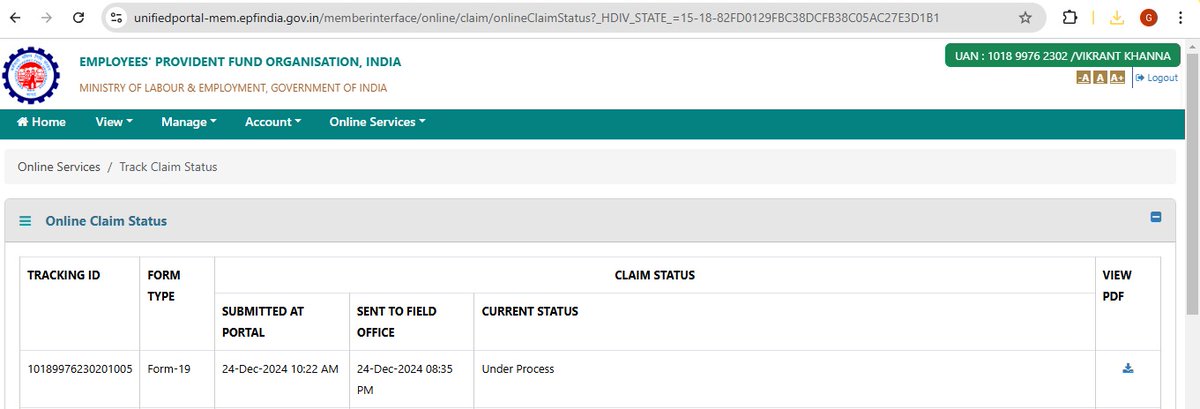
We’ve reapplied for PF, here are the UAN and tracking ID: Still, the final status is pending on-site progress after resubmitting 55 days back. Please solve the issue asap.
Almost 13 years now but I still have not received my PF
#PFClaim#EPFO#BhartiAirtel #CustomerService #LabourMinistry #FinancialInclusion #PublicGrievance #GovernmentSupport
@airtelnews@airtelindia@airtelnews
@EPFOIndi
@PMOIndia@socialepfo@LabourMinistry
The rise of OTT platforms has created new revenue opportunities for film producers beyond theatrical releases and TV licensing. With a strategic OTT distribution plan, producers can reach wider audiences and generate multiple revenue streams. Here’s how:
1. Select the Right OTT Model
a) SVOD (Subscription-Based) – Platforms like Netflix and Amazon Prime pay for exclusive content.
b) AVOD (Ad-Supported) – Free platforms like YouTube and MX Player generate revenue through ads.
c) TVOD/PPV (Transactional & Pay-Per-View) – Platforms like iTunes and Google Play allow users to pay per movie.
2. Distribute Across Multiple Platforms
Releasing films on multiple OTT platforms diversifies revenue and extends audience reach. Partnering with niche and regional platforms further enhances earnings.
3. Launch a Direct-to-Consumer (D2C) OTT Platform
Owning a streaming platform offers full control over content, pricing, and audience data. Mogi IO (https://t.co/CJjBjRkMDg) provides OTT solutions like white-label platforms, AI-driven video optimization, and real-time analytics to enhance monetization.
4. Maximize Licensing & Syndication
Film producers can segment licensing deals across SVOD, AVOD, and TVOD models in different regions to optimize revenue and extend a film’s lifecycle.
5. Expand into International Markets
Dubbing and subtitles allow films to reach global audiences, enabling licensing deals with foreign OTT services and unlocking new revenue streams.
6. Leverage Data Analytics
OTT platforms provide insights on viewer behavior, helping producers optimize content, pricing, and marketing for maximum revenue.
7. Monetize Ancillary Revenue Streams
a) Merchandising – Sell film-related products through e-commerce.
b) Sponsorships & Product Placements – Partner with brands for in-film advertising.
c) Crowdfunding & NFTs – Offer exclusive content through digital collectibles.
Conclusion
OTT distribution has transformed film monetization, offering multiple revenue streams. By leveraging the right distribution model, licensing strategies, and analytics, film producers can maximize earnings. Mogi IO helps filmmakers streamline content delivery with next-gen OTT solutions, making monetization more efficient.
Launch Your Own OTT Platform with Mogi IO! Take control of your content, maximize revenue, and expand your audience. Get started today!
Visit Mogi I/O at https://t.co/drbhBEKlmd, call us at +91 7678268453, or email us at [email protected]
#OTTPlatform #FilmProduction #FilmProducer #DigitalDistribution #Filmmakers #MogiIO
India's entertainment landscape is witnessing a digital revolution, with regional OTT platforms playing a crucial role in empowering local storytellers and filmmakers. Platforms like Aha (Telugu), Hoichoi (Bengali), Chaupal (Punjabi), and Mogi IO provide a dedicated space for vernacular content, allowing filmmakers to reach audiences beyond traditional cinema and TV. As global streaming giants focus on mass-market content, regional OTT platforms deliver culturally rich narratives that deeply resonate with local audiences. Here's how they are transforming India's content landscape:
1. Amplifying Vernacular Voices
Regional OTT platforms spotlight local languages and dialects, preserving linguistic diversity while enabling authentic storytelling. Platforms like Aha, Hoichoi, and Mogi IO have gained massive traction by focusing on regional content, providing local creators with an unprecedented stage.
2. Breaking Traditional Distribution Barriers
Filmmakers no longer need to rely on cinema halls and TV networks. Regional OTT platforms give them direct audience access, eliminating hurdles like screen availability and censorship. Small-budget films now have a chance to thrive without hefty distribution costs.
3. Encouraging Experimental and Niche Content
Mainstream media often avoids unconventional narratives, but regional OTT platforms embrace folk tales, regional myths, and social issues unique to their audience. This creative freedom lets filmmakers explore fresh perspectives with confidence.
4. Monetization Opportunities for Independent Filmmakers
Subscription models, pay-per-view, and ad revenue offer multiple monetization avenues. Many platforms provide co-production deals and funding opportunities, easing financial burdens. Mogi IO equips filmmakers with seamless monetization tools and customizable solutions to maximize earnings.
5. Building a Loyal, Engaged Community
By catering to local tastes and cultural nuances, regional OTT platforms foster strong audience connections. Higher engagement and viewer loyalty translate into direct feedback, fan interactions, and a growing personal brand for filmmakers.
Conclusion
Regional OTT platforms in India are more than a trend—they’re reshaping the entertainment industry. By empowering local storytellers, they not only preserve cultural heritage but also open doors for creative expression and revenue growth. Now is the perfect time for filmmakers to embrace the regional OTT revolution.
Ready to launch your regional OTT platform? Visit Mogi I/O at https://t.co/drbhBEKlmd, call us at +91 7678268453, or email us at [email protected]
#RegionalOTT #Filmmakers #ContentCreators #VernacularContent #StreamingPlatform #DigitalStorytelling #MogiIO
Lifestyle brands worldwide are leveraging Online Video Platforms (OVPs) to blend engaging content with seamless shopping experiences. Here’s how they’re doing it in China, India, and the US:
1. India: The Rise of Vernacular Video Commerce
Nykaa: India’s leading beauty retailer offers tutorials, reviews, and influencer content in multiple languages on Nykaa TV, simplifying the journey from discovery to purchase.
Myntra Studio: Uses short-form videos with styling tips and fashion trends, featuring direct purchase options that blend entertainment with shopping.
Meesho: Focused on social commerce, enabling resellers to create product videos in regional languages, driving sales through personal networks in tier-2 and tier-3 cities.
2. China: The Powerhouse of Live Commerce
Taobao Live (Alibaba): Revolutionized content-to-commerce with live streaming. Influencers demonstrate products in real-time, and viewers can purchase instantly via clickable links. During events like Singles’ Day, brands generate billions in hours.
3. United States: Blending Storytelling with Commerce
Nike Training Club: Integrates workout videos with product promotions, allowing viewers to shop gear featured in fitness routines
Amazon Live: Hosts real-time product demos and exclusive deals, driving impulse buying through interactive live streams
Maximizing OVPs: Strategies Lifestyle Brands Use
Shoppable Videos: Brands like Sephora and Nike create interactive videos where viewers can click and purchase instantly, turning passive viewers into buyers
Personalized Content: Using OVP data, brands recommend tailored videos and products. Lululemon offers yoga tutorials aligned with product promotions, creating a personalized shopping loop
Live Streaming Events: Brands host product launches and Q&A sessions. Glossier showcases new products via live streams with exclusive purchase links, boosting engagement and sales
User-Generated Content (UGC): OVPs help brands integrate real-life testimonials and use cases.
Social Media Integration: By linking OVPs to social platforms, brands like H&M share videos across Instagram and YouTube, driving traffic to their e-commerce sites
Enhanced Storytelling: Brands like Patagonia create documentary-style content that aligns with their values, subtly promoting products within compelling narratives
Data-Driven Insights: OVPs offer insights on viewer behavior, helping brands optimize content strategies. By analyzing engagement and conversion data, brands refine their content-to-commerce pipelines
Final Thoughts:
The fusion of content and commerce via OVPs empowers lifestyle brands to create immersive shopping experiences. By combining storytelling with seamless purchasing options, they’re turning viewers into loyal customers
Ready to Elevate Your Brand with OVPs?
Visit Mogi I/O at https://t.co/drbhBEKlmd, call us now at +91 7678268453
#OVP #ContentToCommerce #LiveCommerce #ShoppableVideos #OTT #Ecommerce #mogiio
The streaming industry has revolutionized how content is consumed, transforming entertainment, communication, and education. Over the past decade, video streaming has surged, with a market value of $555 billion in 2023 and projections reaching $2,668 billion by 2032 (Fortune Business Insights). This growth is fueled by widespread internet access and evolving user preferences for on-demand and interactive content.
Two dominant formats define the industry: Live Streaming and Video On Demand (VOD). While live streaming offers real-time engagement, VOD provides convenience. So, which one is right for you? Let’s explore their differences, benefits, and use cases
What is Live Streaming?
Live streaming allows content to be broadcasted in real-time, providing an immersive and interactive experience. Platforms like YouTube Live, Twitch, and Facebook Live have made this format widely accessible, helping businesses and creators engage instantly with audiences
Benefits of Live Streaming:
Real-Time Engagement – Enables instant interaction via comments, Q&A, and polls.
Boosts Authenticity – Offers a raw, unfiltered connection with the audience.
Global Reach – Expands visibility to worldwide audiences instantly.
Cost-Effective – Minimal production and editing costs.
Monetization Opportunities – Revenue options via ads, donations, and subscription
What is Video On Demand (VOD)?
VOD delivers pre-recorded content that users can access anytime, making it a preferred choice for entertainment, education, and business needs. Platforms like Netflix, Hulu, and Disney+ have capitalized on this format’s flexibility and quality.
Benefits of VOD:
Enhanced Flexibility – Viewers can watch anytime, anywhere.
High Production Quality – Allows refined content with editing and effects.
Evergreen Content – Ensures long-term relevance, ideal for education and training.
Multi-Device Accessibility – Supports seamless viewing across different devices.
Advanced Analytics – Provides insights into user preferences and engagement
Use Cases
Live Streaming: Ideal for virtual events, social media engagement, sports broadcasts, gaming, and fundraising campaigns.
VOD: Best suited for entertainment, online learning, branding content, corporate training, and fitness programs.
Which One to Choose?
Your choice depends on your goals. If you want immediate engagement and exclusivity, live streaming is ideal. If you prefer high-quality, long-lasting content, VOD is the way to go
What if you want both?
With platforms like Mogi I/O, you don’t have to choose. Mogi I/O offers a robust solution supporting both live streaming and VOD with advanced analytics, adaptive streaming, and monetization tools, ensuring a seamless viewing experience.
Want to enhance your content strategy? Engage, retain, and grow your audience with Mogi I/O today!
Visit Mogi I/O at https://t.co/drbhBEKlmd, call us now at +91 767826845
#LiveStreaming #VOD #StreamingIndustry #OTTPlatform #ContentCreation #VideoMarketing
With increasing competition in the OTT space, localized content has become key to attracting and retaining regional audiences. India’s multilingual landscape and global preferences for native-language content make localization a winning strategy.
Why Localized Content Matters
a) Stronger Connection – Native language content fosters emotional ties.
b) Higher Engagement & Retention – Regional audiences prefer relatable content, leading to increased watch time.
c) Market Expansion – Multi-language offerings help tap into new regional markets.
d) Competitive Edge – Regional focus differentiates platforms from global players.
Key Strategies for Success
1. Multi-Language Content
a) Create original content in regional languages rather than relying on dubbing.
b) Preserve cultural nuances to enhance authenticity.
2. Subtitles & Dubbing
a) Offer high-quality dubbing and subtitles in multiple languages.
b) Ensure voiceovers reflect regional accents.
3. Cultural Relevance & Personalization
a) Adapt humor, references, and storylines to local traditions.
b) Use AI to recommend content based on language preferences.
4. Localized UI & UX
a) Provide multi-language interfaces for easy navigation.
b) Customize content categories based on regional interests.
5. Regional Marketing & Influencer Collaborations
a) Partner with local influencers and celebrities for promotion.
b) Run targeted language-based ad campaigns.
Success Stories
a) Hoichoi (Bengali OTT) – Built a loyal audience by focusing on Bengali conten
b) Aha (Telugu & Tamil OTT) – Expanded rapidly with regional entertainment.
c) Disney+ Hotstar – Leveraged multi-language content to reach tier-2 and tier-3 cities.
Future of Localized OTT Content
With AI-driven dubbing, hyper-personalized recommendations, and increasing demand for regional storytelling, localization is the future of OTT. Platforms investing in native-language content will dominate regional markets and unlock new revenue streams.
Final Thoughts
Localization is no longer optional—it’s essential for OTT platforms. By embracing regional storytelling, personalized experiences, and strategic marketing, platforms can build a loyal audience and drive growth. The secret to success? Speak the audience’s language—both literally and culturally!
Ready to launch your own Regional OTT platform? Let’s grow together with Mogi I/O!
Visit Mogi I/O at https://t.co/drbhBEKlmd, call us now at +91 7678268453, or email me at [email protected]
#OTT #LocalizedContent #RegionalStreaming #OTTStrategy #MogiIO #VernacularVideo #RegionalOTT