@AFrogWithAGun@kinchisup@sailor_gloom@milawlena Y no por eso pienso que todos los mexicanos son misóginos o narcotraficantes. Si te guías solamente por las redes solo vas a ver mierda y gente mierda hay en todos lados, elijo creer que los buenos son más!
@CaroBahena11 ? que no se te vayan a caer a vos eh... que mensaje de mierda. Bardeala con mas gracia de última, en vez de caer en lo básico (algo que a fin de cuentas es natural viste).
BREAKING:
Israel is dropping white phosphorus bombs on civilian areas in the village of Arnoun, Nabatieh, South Lebanon.
These are internationally banned munitions — and Israel is unleashing them against civilians.
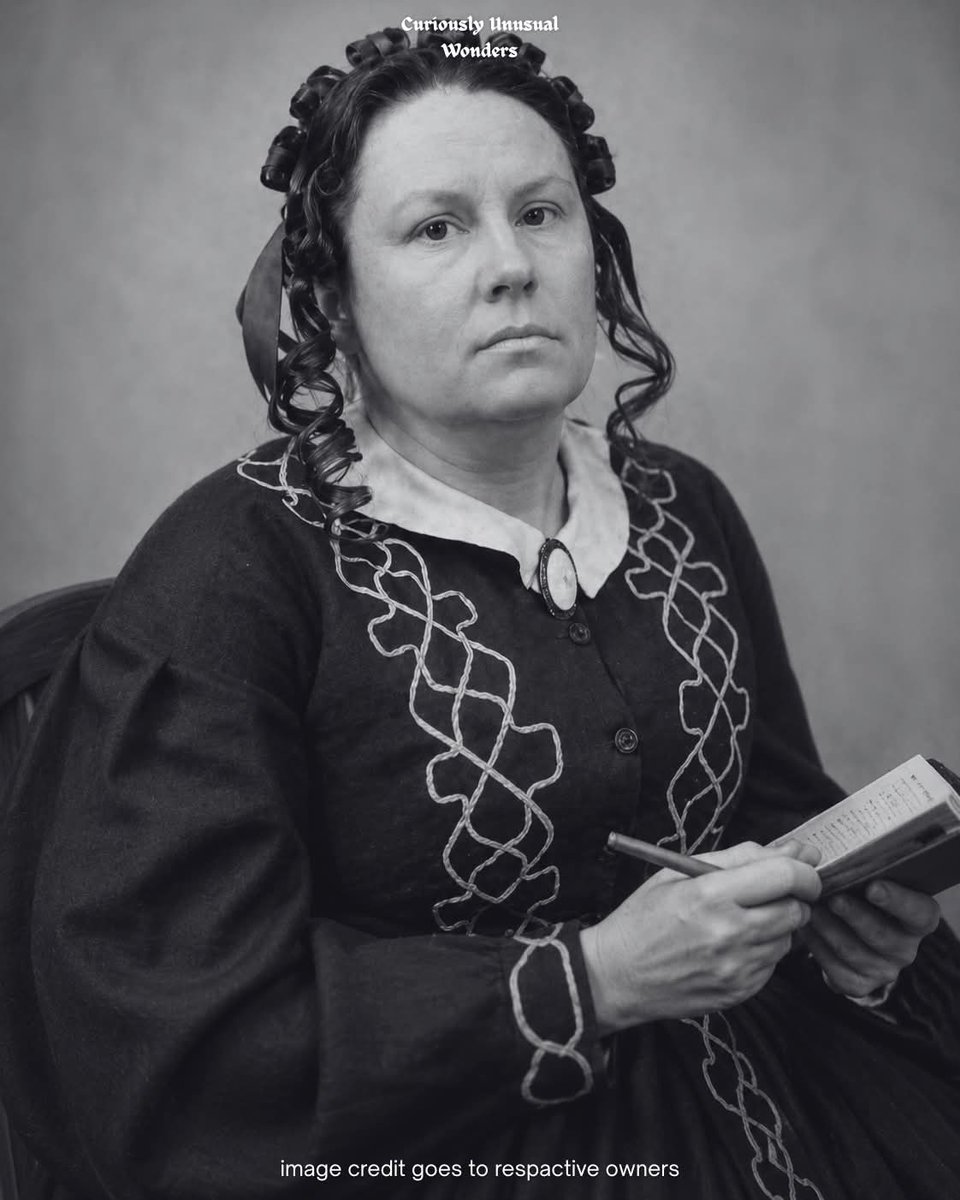
In May 1860, she kissed her six children goodbye. She thought about the dinner she would cook later. She thought about the laundry. She thought about the quiet life of a mother in Illinois.
She had no idea that when the front door clicked shut, it would stay locked for three long years.
Her husband, Theophilus Packard, was a respected minister. To the neighbors, he was a man of God. But inside their home, he was a man who could not stand a wife who thought for herself. Elizabeth Packard liked to read.
She liked to debate religion. She had her own opinions about life and faith. In the 19th century, for a woman to have a brain was considered a danger.
Theophilus decided to end the argument once and for all. He didn’t need a crime. He didn't need a witness. In those days, the law in Illinois said a man could commit his wife to an insane asylum without any evidence or a public hearing. He simply had to say she was "disturbed."
One morning, a group of men arrived at her home. They didn't listen to her logic. They didn't care about her tears. They dragged her away to the Jacksonville Insane Asylum. Elizabeth was 43 years old, perfectly sane, and suddenly a prisoner.
When she entered the asylum, she expected to see people who needed medical help. Instead, she found a warehouse of "inconvenient" women. There were wives who had argued with their husbands about money. There were daughters who refused to marry men they didn't love. There were women who were simply too loud or too independent.
"This is not a hospital," Elizabeth realized. "It is a cage for the unwanted."
The doctors tried to break her spirit. They told her that if she just admitted her husband was right and she was wrong, she could go home. They wanted her to say she was crazy for wanting her own thoughts. Elizabeth looked them in the eye and said, "I cannot buy my liberty by a lie."
She didn’t give up. Instead, she started to write. She hid scraps of paper in the linings of her clothes. She tucked notes under floorboards. She recorded every abuse, every scream in the night, and every story of the women around her. She became a secret journalist inside a living nightmare.
After three years, she was finally released, but her husband locked her in a room at home. He planned to move her to another asylum in a different state. This time, Elizabeth’s friends helped her get a message to a judge.
A trial was finally ordered to determine if she was actually insane.
The courtroom was packed. Theophilus was confident. He brought "experts" to say that her religious doubts proved her mind was broken. But then, Elizabeth stood up.
She didn't shout.
She spoke with the calm power of the truth. She explained her beliefs. She showed the jury that having a different opinion is not a disease.
The jury only needed seven minutes. They came back with a single word: Sane.
Elizabeth walked out as a free woman, but she found that her husband had taken everything. He had sold their furniture, taken her money, and disappeared with their children. She was alone and penniless.
Most people would have disappeared into the shadows. Elizabeth did the opposite. She spent the next forty years traveling the country. She stood before the legislature and demanded new laws.
She said, "A woman's mind is her own, and the law must protect it."
Because of her, states changed their laws. They made it illegal to lock a person away without a fair trial and a medical exam. She turned her private pain into a public shield for thousands of other women.
She proved that even if you take away a woman’s home, her money, and her children, you can never truly take away her voice.
Japón tiene un problema enorme:
su población es tan vieja que necesitan 570,000 cuidadores que no existen.
El trabajo es físicamente brutal, mal pagado, y los hombres jóvenes nunca lo consideraban.
Solución de una empresa en Nagoya: contratar culturistas. Les pagan el gimnasio, les subsidian las proteínas, y a cambio usan esa fuerza para mover pacientes, asistir en higiene y cuidar ancianos.
Lo que empezó como experimento ya incluye luchadores de MMA y ex-luchadores de sumo.
Atletas con carreras cortas y pocas salidas económicas encontrando propósito en residencias de adultos mayores.
El dato más brutal: si no se resuelve, para 2030 el problema le costará a Japón 58,900 millones de dólares en productividad perdida.
Y el plotw twist que nadie esperaba: la mayoría llega por los músculos y se queda por las personas. Un culturista que cuida a una señora que pinta con la boca porque no puede usar las manos dijo: "Llegué por la musculación. Descubrí que los cuidados son mucho más que eso."
🇧🇷Alana tiene 20 años y sueña con ser médica. Un hombre del gimnasio se obsesionó con ella y durante meses le envió flores y regalos anónimos. Cuando finalmente le dijo quién era, Alana lo rechazó con respeto: le agradeció el gesto, pero le explicó que estaba concentrada en sus objetivos.
Él no aceptó el “no”. Entró a su casa y la atacó con más de 15 puñaladas.
Alana pasó semanas luchando por su vida, incluso en coma inducido. Contra todo pronóstico, sobrevivió y acaba de salir del hospital entre aplausos del personal médico y sus seres queridos.
A veces se habla mucho de la “forma correcta” de rechazar para no herir egos. Pero incluso cuando el rechazo es respetuoso, parece que para algunas personas sigue siendo imposible aceptarlo.
¿Por qué un “no” todavía puede provocar tanta violencia?