@acaseofthegolf1 amazing stuff. But every time I hear these “bubble” stories, can’t stop wondering about the poor soul who got bubbled out… anyway, someone always has to be the first one out… congrats to Joe!
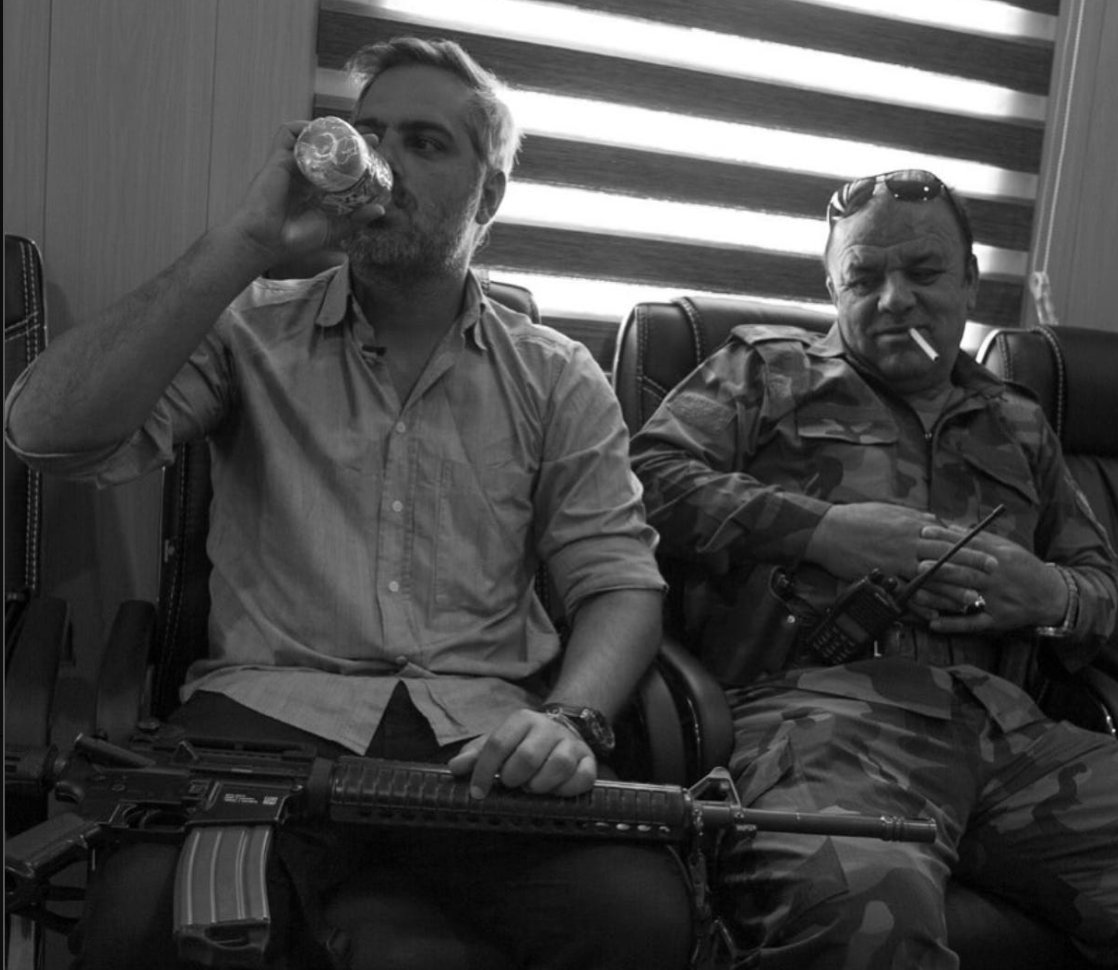
Quando minha filha nasceu, tomei a decisão de mudar minha rotina. Nada relacionado à saúde, alimentação ou outros hábitos. Mas depois de anos viajando pra cobrir guerras, eleições tensas, desastres ambientais em os lugares mais tensos do planeta, resolvi me afastar propositalmente. Ficar mais em casa pra me dedicar as tarefas paternas e pra não correr o risco de deixar a filha sem pai hehehe… Mas não foi um adeus ao jornalismo, foi uma mudança de lugar.
Mas quem trabalha com isso sabe: o jornalismo é um vício difícil de largar. E assim nasceu a newsletter Coisas Que Merecem Sua Atenção. Lá sigo fazendo o que sempre gostei: garimpar histórias pelo mundo, conectar assuntos importantes, compartilhar bastidores, provocar reflexões e escrever com total independência. Sem pauta encomendada, sem algoritmo ditando prioridade, sem precisar fazer dancinha ou thumbnail com cara de bobalhão.
Ver essa ideia chegar a quase 4 mil leitores em menos de um ano foi uma alegria enorme. E saber que estamos muito perto da marca de 100 assinantes pagos me deixa ainda mais empolgado. Eu vejo cada assinatura não é só como um apoio financeiro, mas um voto de confiança que o jornalismo ainda presta!
Agora, quero ir além: transformar a newsletter em um projeto ainda mais relevante. Quero trazer novos quadros, entrevistas, vídeos, convidados e outras ideias que estão na fila há meses. E é aí que você entra!
Se você gostou da ideia, vem conhecer (e, quem sabe, assinar). Conto com vocês! https://t.co/2bdLYZHJut
By 1976, Iggy Pop was expected to be dead. The wild man of The Stooges—walking on broken glass, creating punk rock, pushing himself too far—was burning out.
A brutal heroin addiction had completely destroyed his band, his solo attempts were falling flat, and he was broke, falling apart, and totally isolated.
The music world watched the chaos like a car crash, but almost nobody actually cared about him.
Except for David Bowie.
The two had met years before, and Bowie was completely captivated by Iggy’s raw, fearless honesty on stage.
By the mid-1970s, Bowie was a global superstar at the absolute peak of his fame, while Iggy was viewed as a tragic cautionary tale. But instead of watching from a distance, Bowie made a heavy choice.
He decided he was going to save his friend, not with charity or a handout, but with total, hands-on commitment.
To escape the toxic, drug-heavy scene of Los Angeles, they packed up and moved to West Berlin.
At the time, it was a gritty, divided city still scarred by war, far away from the shallow glamour of Hollywood. For Bowie and Iggy, Berlin wasn't a place to party.
It was a stark, quiet sanctuary where they could focus on survival through a simple daily routine and pure artistic creation.
They rented modest apartments in the Schöneberg neighborhood. They rode bicycles, visited local art museums, and lived relatively quiet lives.
Bowie put his carreer aside to focus entirely on resurrecting Iggy’s life. He co-wrote and produced two of Iggy's most legendary albums, The Idiot and Lust for Life.
During this intense period, Iggy finally learned how to create music while sober. He realized his identity didn't have to depend on slow-motion suicide.
Tracks like "The Passenger" and "Lust for Life" were born out of this survival, becoming massive anthems that proved he was far from finished.
When it came time to tour, Bowie didn't demand the spotlight. Instead, he quietly joined the live band as Iggy’s keyboardist, happy to fade into the background so his friend could shine.
Reflecting on that dark period, Iggy later admitted,
"He brought me back to life. He salvaged me from certain professional and perhaps personal ruin."
Bowie treated Iggy as a true creative equal, engaging him in deep conversations about German expressionism, literature, and electronic music.
That loyalty bonded them for the rest of their lives. Decades later, Iggy was still thriving and influencing generations of punk and grunge musicians, all because someone refused to look away when he hit rock bottom.
When Bowie passed away in 2016, a heartbroken Iggy openly mourned him. He shared his devastating loss with the world, saying, "David’s friendship was the light of my life. I never met such a brilliant person. He was the best there is."
We live in a culture that loves to watch people crash and burn, treating human tragedy like a spectator sport. It is easy to applaud a comeback story after the fact, but it takes real courage to pull someone out of the wreckage while they are still on fire.
David Bowie proved that the ultimate rock 'n' roll legacy isn't about the fame, the money, or the chart-topping hits. It is about having the guts to look a dying friend in the eyes and tell them they are still worth saving, even when the rest of the world has already written the obituary.