Three Voices, One Old Song, and a Nearly Perfect Moment
In 1976, on a simple stage lit by warm golden lights, Dolly Parton, Linda Ronstadt, and Emmylou Harris sat side by side. Dolly held a guitar, her blonde hair glowing under the lights. The three of them began to sing “Bury Me Under The Weeping Willow” — a classic folk song by The Carter Family.
There was no big orchestra. No special effects. Just three voices blending together so naturally that viewers almost forgot they were watching a performance. Dolly led the melody with her clear, pure tone that still carried the breath of the Appalachian mountains. Emmylou Harris added delicate high notes, while Linda Ronstadt brought depth and emotional weight. Together they created a harmony that made the already melancholic song feel both aching and graceful.
The song tells of longing for someone who has passed, and of the wish to rest beneath a weeping willow. In their voices, that old story was no longer just lyrics. It became a quiet whisper about connection, about the deep roots of American country music — music born from the land, from loss, and from simple love.
That moment was special because it showed Dolly Parton was not only the glittering star with big hair and sparkling outfits. Sitting there with a guitar, singing alongside two friends, she appeared as a keeper of tradition. She played with those signature long nails, yet the sound remained steady and true. There was no need for showmanship; talent simply shone on its own.
Years later the three women would record the celebrated album Trio. But this 1976 performance still holds a beauty of its own: the innocence, the mutual respect, and the love for old songs. They did not try to reinvent the piece. They simply let it live again through their voices.
Today, after Dolly Parton has left us, that footage feels even more precious. It reminds viewers of a genuine Dolly, an artist who always knew how to return to her roots. In the harmony of those three voices, one hears not only music, but also humility and reverence for those who came before.
Some performances make audiences applaud for technical skill. Others leave people silent because of pure feeling. This clip belongs to the second kind. Three women sat there, sang an old song, and accidentally left behind a nearly perfect moment — simple, clear, and still echoing.
“All the items in this room were once out of reach; some not yet invented, others too rare or costly for the vast majority of people. Today, most of us lucky enough to live with them walk past without a second thought.”
https://t.co/PzJv1XSy8K
Apollo HD - To The Moon And Back In 6 Minutes
This short film is a compilation of stunning Apollo moon landing film footage upscaled and interpolated to 60 FPS using modern techniques set to a beautiful music score The film was made by Mike Constantine of @Moonpans
by upscaling footage from the NASA Johnson Space Center and The Apollo Flight Journal.
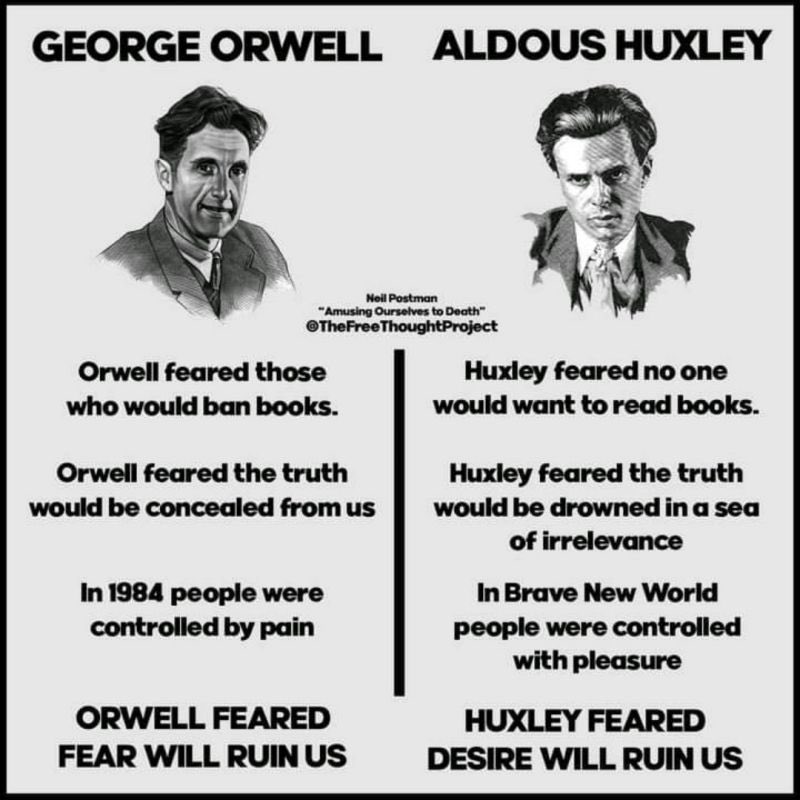
One of my longest-standing arguments is that we are not living in Orwell’s 1984, where truth is centrally suppressed and censored by force (that’s former communist societies, modern-day China, Russia, North Korea).
We are living in something much closer to Huxley’s Brave New World.
The truth is not hidden - it is almost always readily available. But it is buried beneath an industrial quantity of noise: propaganda, outrage, half-truths, conspiracy theories, influencer theatre, algorithmic rage bait and an endless stream of content designed not to inform us, but to keep us emotionally stimulated.
The modern information system does not need to censor the truth when it can simply drown it in noise.
A fact no longer has to be disproven - it only has to be surrounded by a hundred competing claims, stripped of context and nuance, turned into partisan ammunition and pushed into the same feed as celebrity gossip, memes and 15 second videos engineered to deliver the fastest possible dopamine hit. By the time the truth reaches us, it appears as just another piece of content competing for our attention.
That is the more sophisticated form of control: not preventing people from knowing, but exhausting their capacity to care.
Orwell feared a world in which people would be deprived of information. Huxley feared a world in which they would be given so much distraction, stimulation and triviality that they would lose the desire to seek it.
The defining struggle of our age is therefore not simply between truth and censorship, but between truth and indifference.
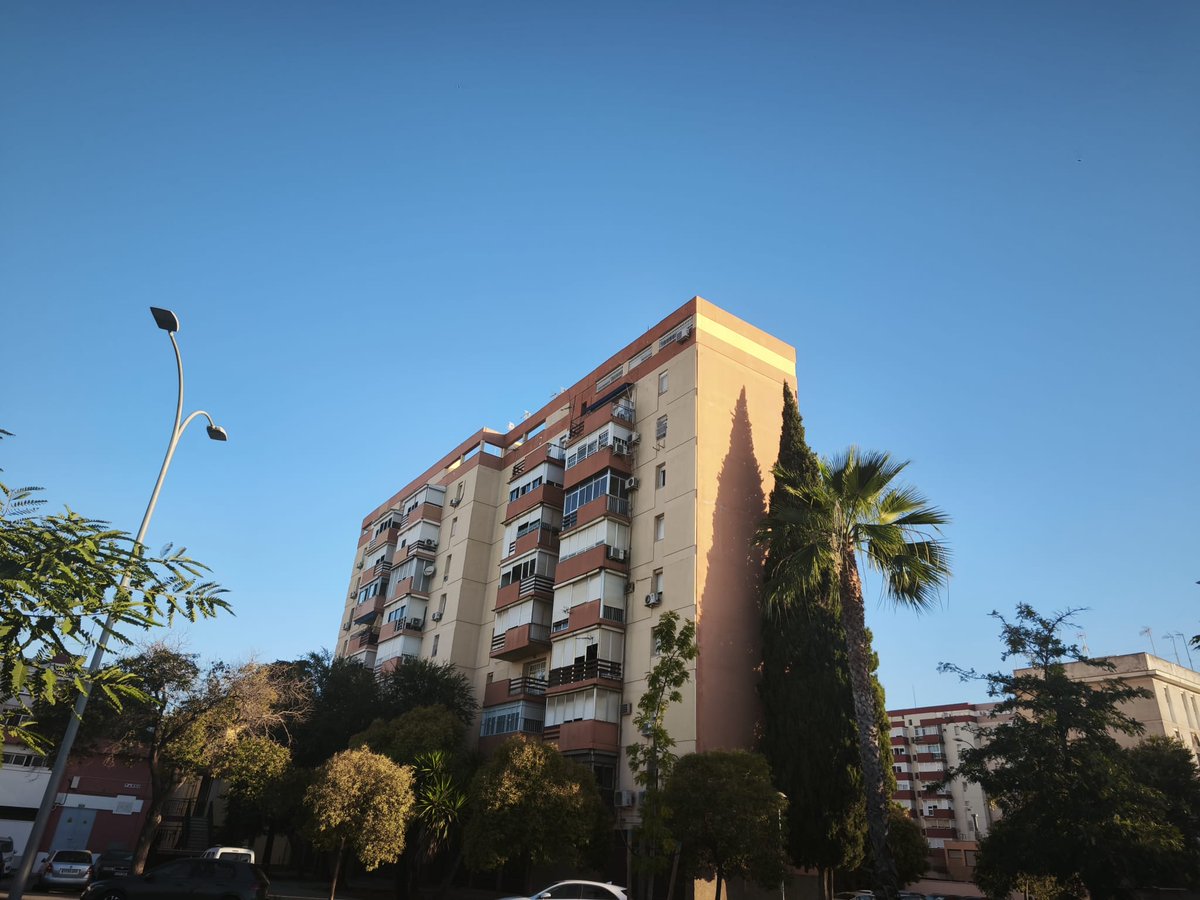
Después de 27 años, hoy es mi último día como conserje del edificio Cielo Azul. Me jubilo, tras haber visto pasar a varias generaciones de vecinos. Pero el que debería ser un día especial, se ha convertido en uno de los peores por la foto que acabo de encontrar... >>>
Hola, peque.
¿Sabes qué ha hecho papi hoy en el trabajo?
Pues mira, ¿recuerdas a tu maestra, a la que quieres tanto y te dedica tantas horas? La he agredido.
La he embestido por la espalda, haciendo que vuele y se reviente la cara contra el suelo.