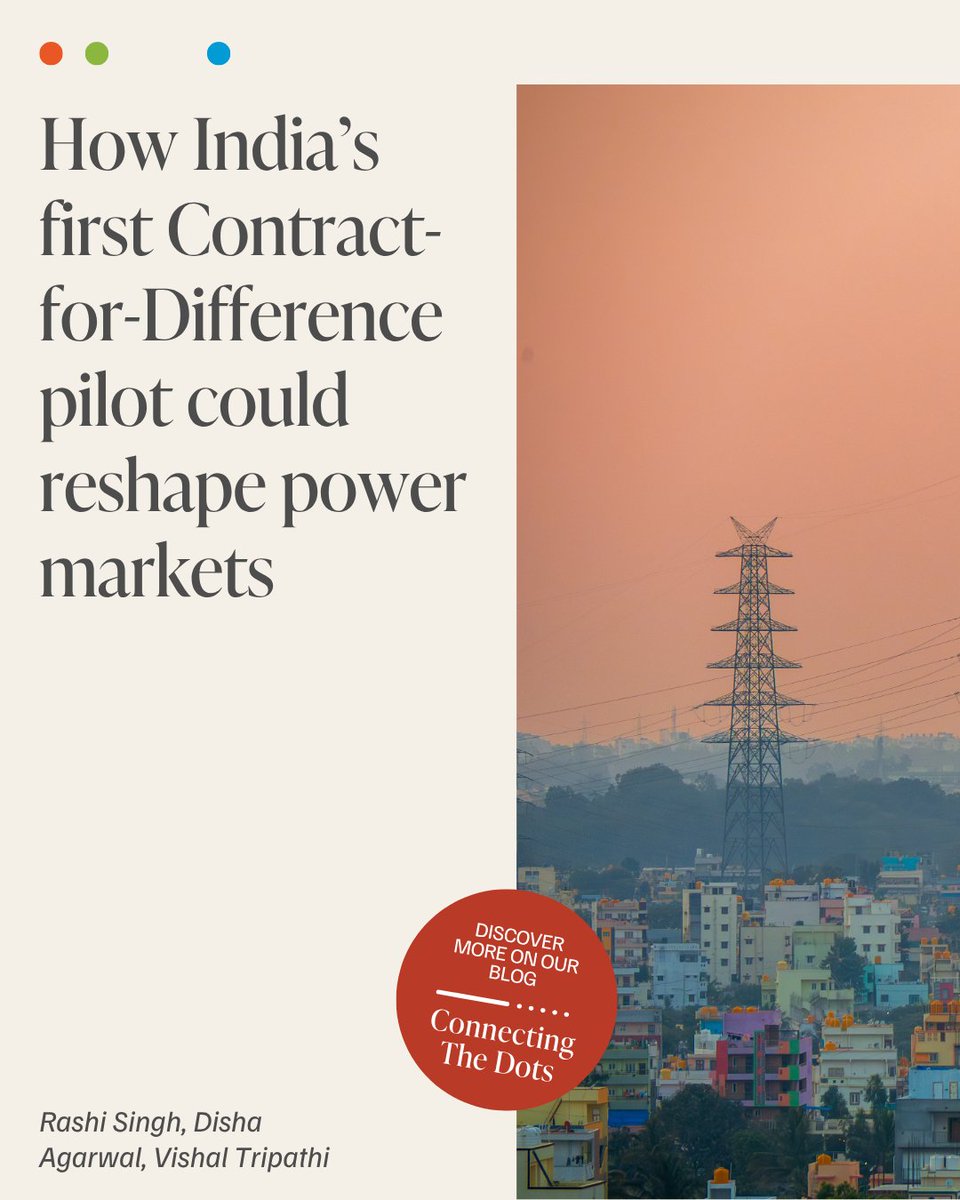
India’s first Contract-for-Difference (CfD) pilot marks an important step towards more flexible and market-driven power procurement. As the gap between peak and average power demand widens, CfDs can help de-risk #RenewableEnergy and storage projects while supporting cleaner peak power supply and more liquid wholesale electricity markets.
✍️ In our #NewBlog, @rashisingh29 , @disha_agarwal12, and @vishaltrip argue how scaling such market instruments could strengthen India’s evolving #PowerMarkets, provided they are backed by stronger pricing benchmarks, wider buyer participation, long-term hedging tools, and broader #electricity market reforms.
🔗 Read at https://t.co/5Ol3ZUROtL
@rishdotuk@dhanyarajendran@kavashivani All valid questions. The key enabler for any analysis of this is reporting requirements on data centres for key water, energy and carbon intensity metrics.
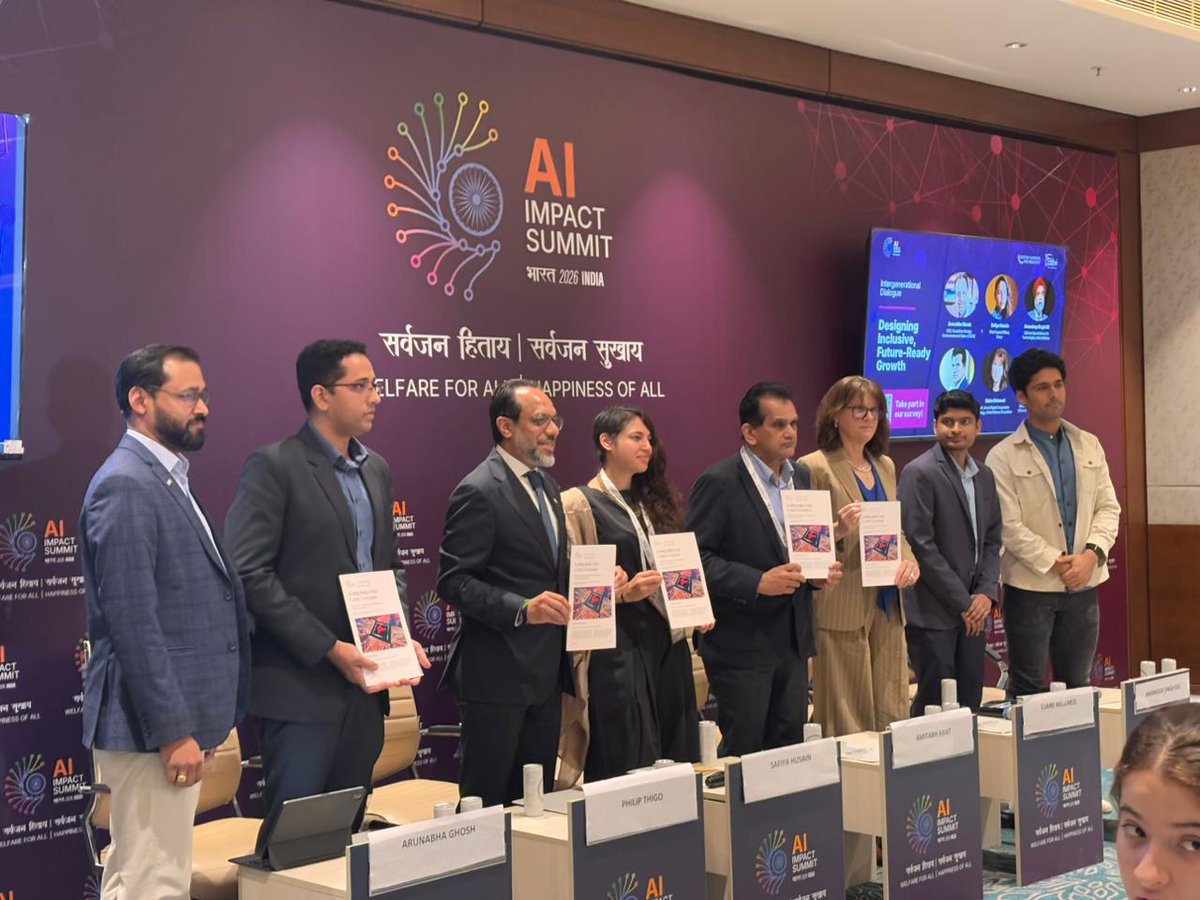
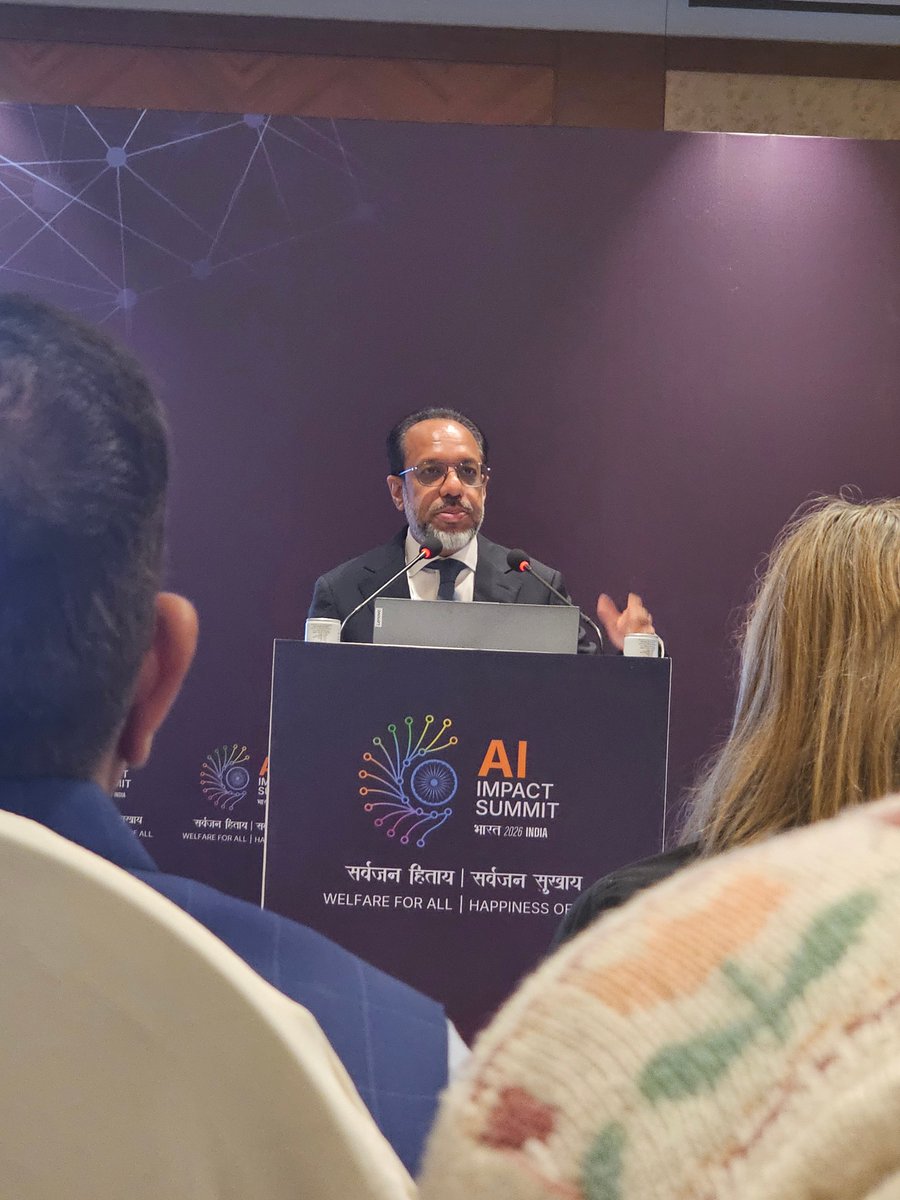
Very special to have both my past and present bosses unveiling this report I led on India’s data centre growth. If this topic interests you, I’d be glad if you could read it.
Link: https://t.co/kP2cSDGkx7
AI is powering the future.
But what is powering AI?
As India positions itself as a global hub for artificial intelligence and digital services, #DataCentres are expanding at an unprecedented pace. Yet behind every AI model, cloud platform, and digital service lies a fast-growing demand for electricity, land, and water.
In partnership with @SYSTEMIQ_Ltd , our new study on India’s data centre growth unpacks a fundamental question: Can India scale its digital ambitions without locking in #carbon-intensive infrastructure?
Launched today at the @OfficialINDIAai Impact Summit 2026, the study finds that while India is emerging as one of the world’s fastest-growing data centre markets, its long-term resilience hinges on the availability of land, energy, and water. Stakeholder insights reveal how strategic siting, power, cooling, and backup choices can secure the sustainable acceleration of #AI.
The study recommends:
🔹 Proactive grid planning so new data centre clusters are matched with renewable energy capacity and transmission readiness.
🔹 Stronger renewable procurement pathways, including developing regulatory frameworks that allow BESS integration and monetising data centres as a flexible load.
🔹 Pilot water-efficient cooling technologies to reduce pressure on water systems.
🔹 Transparent reporting frameworks for energy, emissions, and resource use.
🔹 Incentives that reward green data centres, not just rapid expansion.
📘 Read Scaling India’s Data Centre Ecosystem: Stakeholder perspectives on infrastructure, energy, and resilience at https://t.co/JzAkAh6V1Y
✍️ By @vishaltrip, Debanjan Bagui, Prateek Aggarwal, Lotte Straathof, Lara Rabinowitz, Daksh Jain, and Avantika Vashishtha
@ajainme, @GhoshArunabha, @amitabhk87
@yaa_saw@Manekagandhibjp This entire concept of feeding zones makes no sense to me. Feed the dog within its territory, usually early morning or late at night when less people are around.
@CivicOp_india@narendramodi I'll informed takes like these unfortunately have flooded the internet. India needs less bureacracy but a lot of more bureacrats - we need to build state capacity, not destroy it.
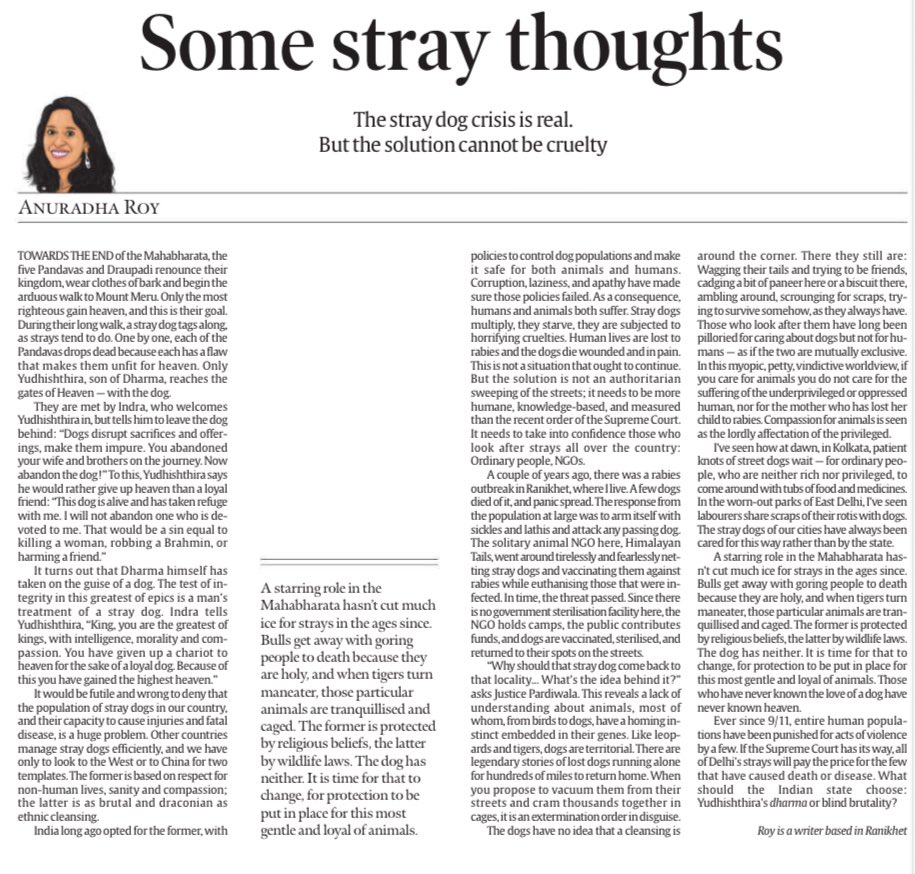
Could not have put it better than Anuradha Roy. As someone who's adopted strays, I support the idea that Animal NGOs should be financially supported rather than wasting funds on municipalities. There are numerous NGOs like @himalayantails which can do the job well.
@KyojuroHashira5@study_agora@LiveLawIndia This simple difference should be taught in school so that our legally illiterate population can make sense of what goes on it court
ThePrint #50WordEdit:
SC order for stray dogs in Delhi-NCR to be moved to shelters is unthinking and disastrous. Dog bites have risen purely from govt’s failure with sterilisation, community feeding and rehabilitation. You cannot banish animals you see as a nuisance. Would the court act similarly on stray monkeys, cows or pigeons?
https://t.co/xhOFOSuzuI