The Seedance 2.5 Claude Skill Is Now Available!
Our new VAIC Claude Skill for Seedance 2.5 is live inside Visual AI Club.
Create cinematic videos with more control over scenes, camera movement, composition, and storytelling.
👇 Download the Skill and start creating.
GPT Image 2 on ChatGPT
Upload a reference image before generating.
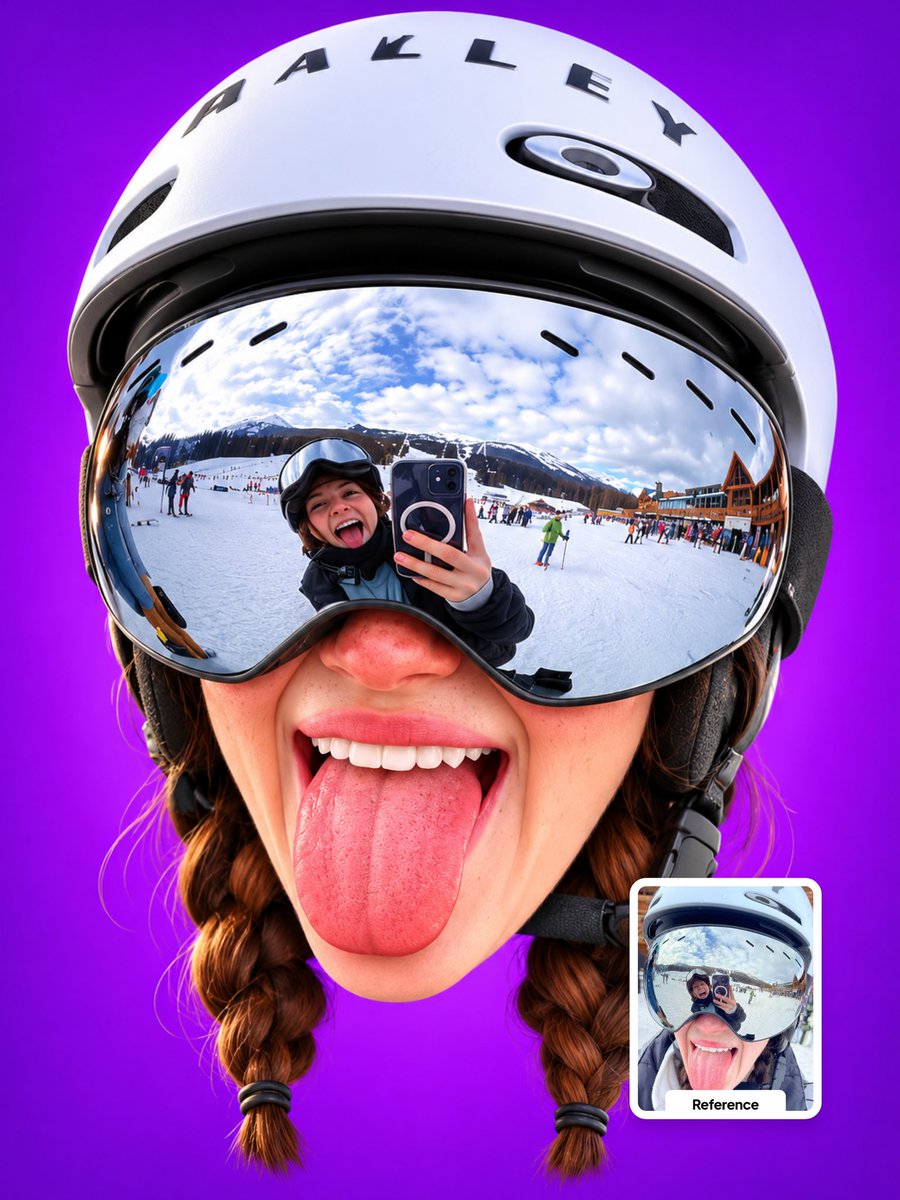
MAIN PROMPT — PHOTO TO PREMIUM 3D FLOATING-HEAD AVATAR
Use the uploaded photograph as the sole identity reference. Transform the person into a premium stylized 3D cartoon avatar, showing ONLY the head, floating independently in the center of the composition.
IDENTITY LOCK
Preserve the person's recognizable facial identity, original skin tone, face shape, facial proportions, hairstyle, hairline, and expression. The result must remain clearly recognizable as the same person while translating their appearance into a polished 3D cartoon style.
HEAD-ONLY REQUIREMENT
Show ONLY the head. Absolutely no neck, shoulders, torso, or body. The head must appear naturally floating, fully visible, and cleanly isolated, including the hair and ears where applicable. Do not invent clothing or body elements.
3D AVATAR STYLE
Create a premium modern 3D cartoon avatar featuring rounded facial features, subtly stylized proportions, smooth sculpted geometry, clean surfaces, soft realistic shading, and a refined glossy finish.
The aesthetic should feel modern, stylish, cute, visually striking, and sophisticated. Avoid childish exaggeration. Balance cartoon stylization with strong facial recognizability.
FACIAL DETAILS
Faithfully recreate the hairstyle, hairline, eyebrows, eyes, nose, lips, ears, beard, mustache, beauty marks, facial hair, and other distinctive features visible in the reference.
Maintain the original facial expression and preserve the subject's natural skin tone. Use smooth, subtle tonal transitions and refined facial modeling.
ACCESSORIES LOCK
Recreate only accessories visible on the head or face in the reference, including sunglasses, glasses, earrings, facial piercings, and other head-related accessories.
Preserve their shape, placement, proportions, colors, and recognizable appearance. Do not invent, remove, or redesign accessories.
BACKGROUND
Use a clean, minimal studio-style background with a solid vibrant color or a subtle modern gradient, such as pink, purple, blue, or a harmonious soft gradient.
Keep the background uncluttered and distraction-free, focusing entirely on the floating head.
LIGHTING & MATERIALS
Use soft studio lighting with gentle highlights on the forehead, cheeks, nose, lips, hair, and accessories. Add smooth ambient shading, clean glossy reflections, subtle dimensional contrast, and polished material rendering.
Maintain a premium 3D finish without excessive shine, harsh shadows, or photorealistic skin textures.
COMPOSITION
Vertical 3:4 aspect ratio. Center the floating head within the canvas. Use large portrait framing while keeping the entire head comfortably visible and leaving balanced breathing room around the silhouette.
Create a clean, iconic, balanced composition suitable for a premium profile picture or digital avatar.
STYLE LOCK
Premium stylized 3D cartoon avatar, floating head only, modern digital-avatar aesthetic, smooth sculpted geometry, rounded facial features, polished glossy finish, clean studio lighting, vibrant minimal background, high-end 3D illustration.
NEGATIVE PROMPT
Neck, shoulders, torso, body, clothing, bust, cropped head, cut-off hair, altered identity, changed skin tone, changed expression, altered hairstyle, missing accessories, invented accessories, photorealistic portrait, flat 2D illustration, anime, low-poly geometry, rough textures, excessive gloss, extreme caricature, cluttered background, text, logo, watermark.
FORMAT LOCK
Vertical 3:4 aspect ratio. One standalone image. High-resolution, sharp, polished 3D avatar.
FINAL REQUIREMENT
Produce a premium stylized 3D floating-head avatar that faithfully preserves the identity and distinctive features of the reference person. The final composition must contain ONLY the head, centered and fully visible, with absolutely no neck, shoulders, or body.
GPT Image 2 on ChatGPT
Upload a reference image before generating.
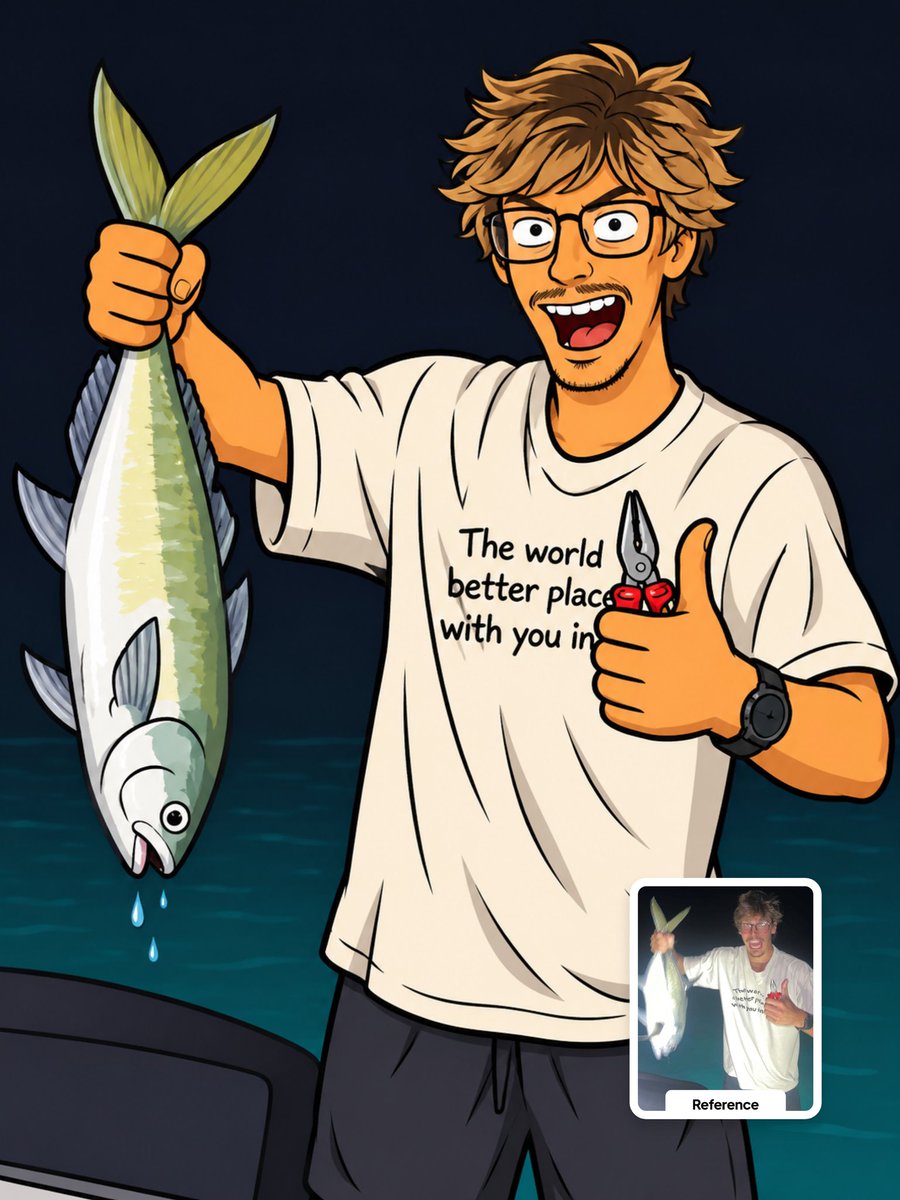
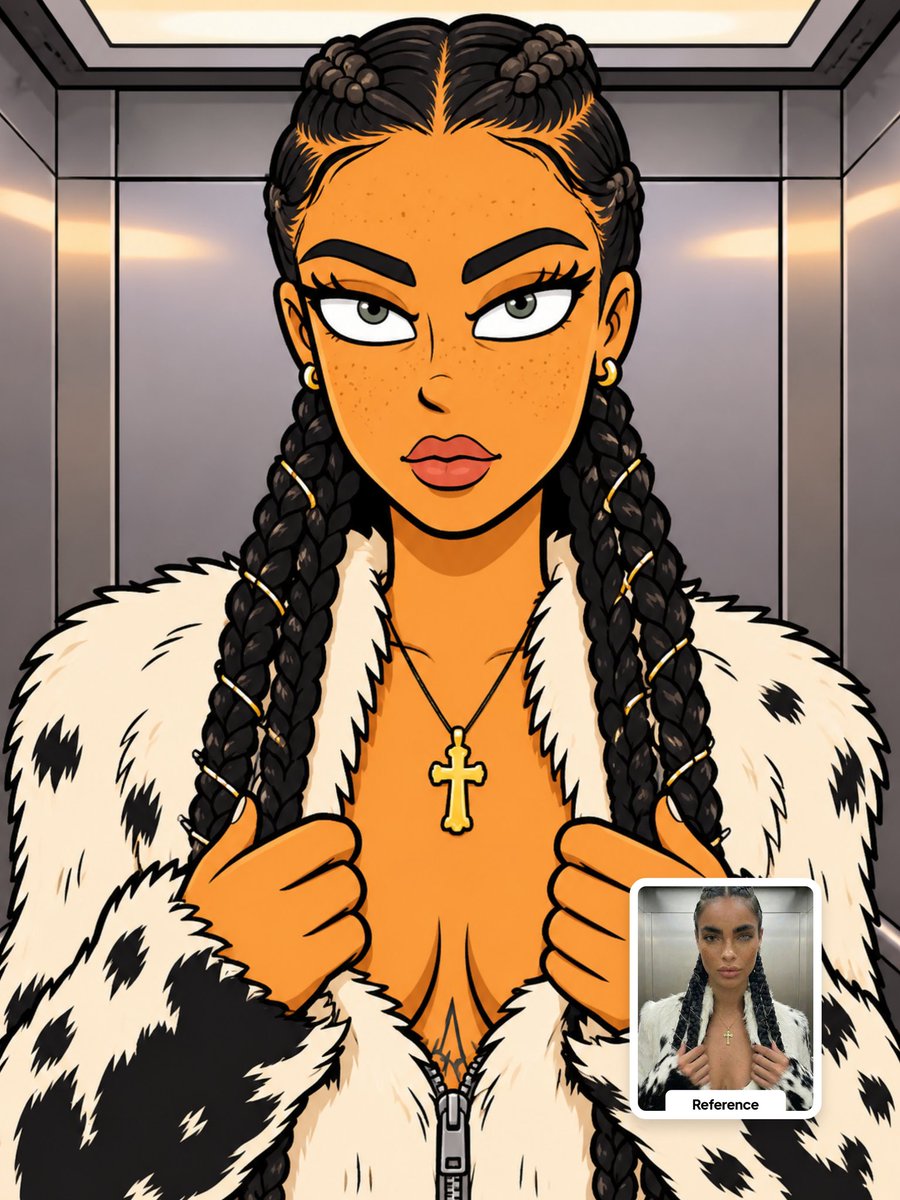
MAIN PROMPT — PHOTO TO SIMPSONS-INSPIRED CHARACTER
Use the uploaded image as the sole visual reference. Transform the person into a clean, recognizable 2D cartoon character inspired by the classic Simpsons animation aesthetic.
IDENTITY & SKIN-TONE LOCK
Preserve the person's original skin tone exactly as the visual basis for the illustration. Do NOT automatically turn the skin yellow. Retain the person's natural skin tone, whether dark, brown, medium, tan, or light, and adapt it naturally to the cartoon style.
Preserve the person's recognizable facial identity, facial expression, hairstyle, clothing, accessories, pose, and posture. The result should unmistakably resemble the same person.
ANIMATION STYLE
Apply classic Simpsons-inspired visual characteristics:
- Simplified cartoon anatomy and proportions.
- Large, round, expressive cartoon eyes.
- Bold, slightly rough black outlines.
- Simplified nose, mouth, and facial details.
- Clean, flat cartoon color fills.
- Minimal, simple cel shading.
- Smooth, recognizable cartoon silhouettes.
- Classic 2D television-animation aesthetic.
REFERENCE PRESERVATION
Do not change the person's pose, hairstyle, clothing, accessories, expression, or distinctive facial characteristics. Do not invent additional objects or redesign the subject unnecessarily. Adapt the original image faithfully into the cartoon illustration style.
STYLE LOCK
Classic Simpsons-inspired 2D cartoon illustration, bold black outlines, large expressive eyes, simplified shapes, clean flat colors, minimal cel shading, recognizable cartoon anatomy, faithful likeness, original skin-tone preservation.
NEGATIVE PROMPT
Automatic yellow skin, altered skin tone, changed identity, different facial expression, altered hairstyle, changed clothing, missing accessories, changed pose, photorealism, 3D rendering, anime, painterly textures, complex shading, excessive detail, invented objects, distorted anatomy, blurry outlines.
FORMAT LOCK
Vertical 3:4 aspect ratio. Clean, high-resolution, fully illustrated 2D cartoon.
FINAL REQUIREMENT
Re-draw the same person as a Simpsons-inspired cartoon character while preserving their real skin tone, identity, expression, hairstyle, clothing, accessories, and pose. Change the artistic style only, not the person.
Remaining prompt: 👇
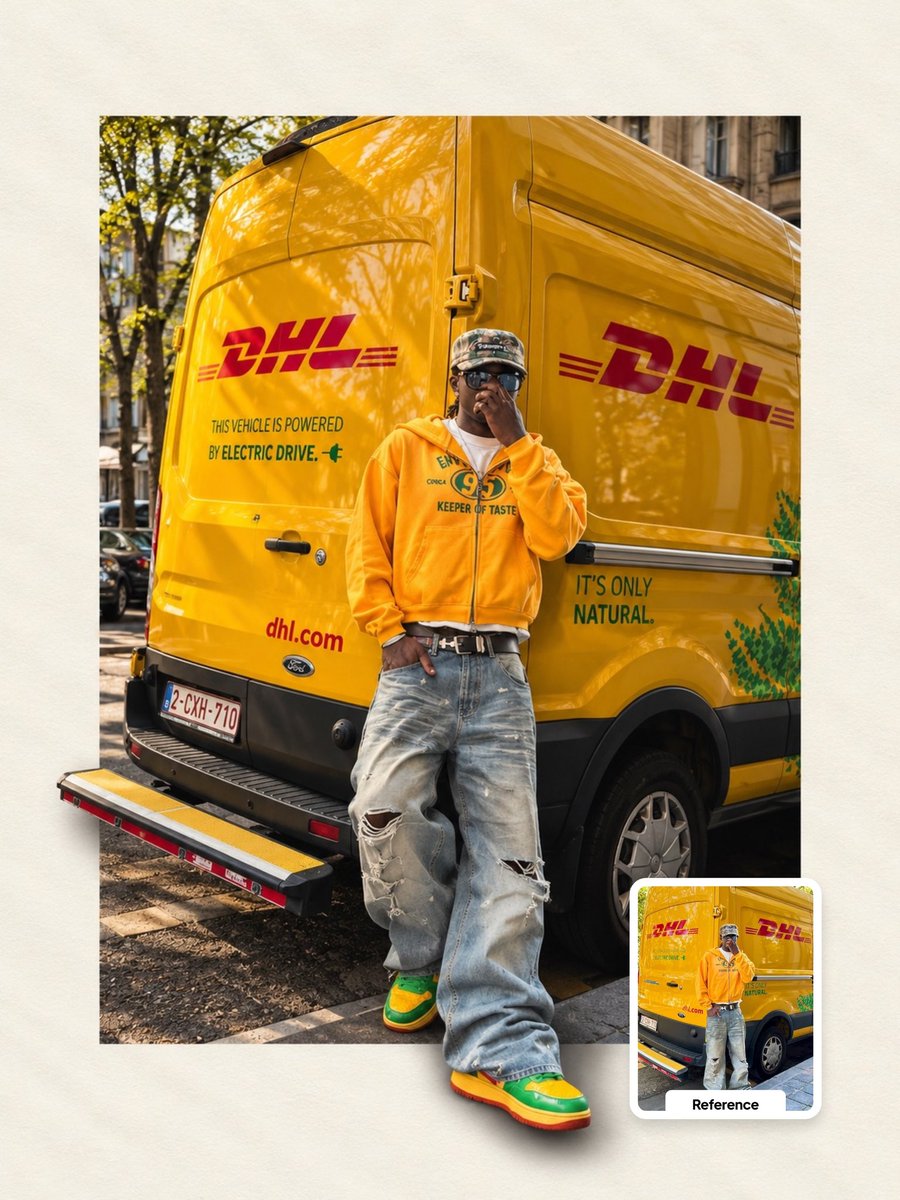
Keep the ivory paper softly lit and neutral. Apply polished cinematic color grading with controlled saturation, believable contrast, and natural colors. Maintain a refined, premium photographic aesthetic without excessive artificial effects.
REFERENCE STYLE LOCK
Use the uploaded reference image as the guide for the visual treatment, composition, paper finish, lighting, photographic realism, shadow behavior, and three-dimensional breakout technique. Reproduce its overall artistic language, not its exact subject or composition. Adapt the visual approach to the requested subject and create a distinctive, original result.
IMAGE QUALITY
Ultra-realistic editorial photography, premium art direction, exceptionally detailed textures, precise edges, realistic materials, natural depth of field, physically accurate shadows, convincing ambient occlusion, seamless subject integration, crisp focus, refined tonal balance, and museum-quality print presentation.
NEGATIVE PROMPT
Flat collage, ordinary framed photograph, rounded corners, thick borders, weak breakout effect, pasted-on subject, poorly masked edges, white halos, artificial outlines, floating objects, disconnected body parts, incorrect anatomy, distorted proportions, inconsistent lighting, mismatched shadows, unrealistic perspective, plastic textures, excessive paper grain, cluttered layout, oversaturated colors, artificial gradients, cartoon rendering, illustration, blurry subject, low resolution, text, captions, logos, watermarks, incorrect aspect ratio.
FINAL REQUIREMENT
Create one cohesive, original, photorealistic editorial poster featuring [MAIN SUBJECT] in [SCENE AND ENVIRONMENT]. Preserve the minimalist ivory-paper background and central rectangular photograph while making [KEY BREAKOUT ELEMENTS] emerge convincingly into the surrounding space. Prioritize premium editorial art direction, elegant negative space, realistic materials, physically accurate shadows, and a seamless, unmistakable three-dimensional pop-out illusion. Maintain a strict vertical 3:4 composition with a target resolution of 1080 × 1440 pixels.
GPT Image 2 on ChatGPT
Upload a reference image before generating.
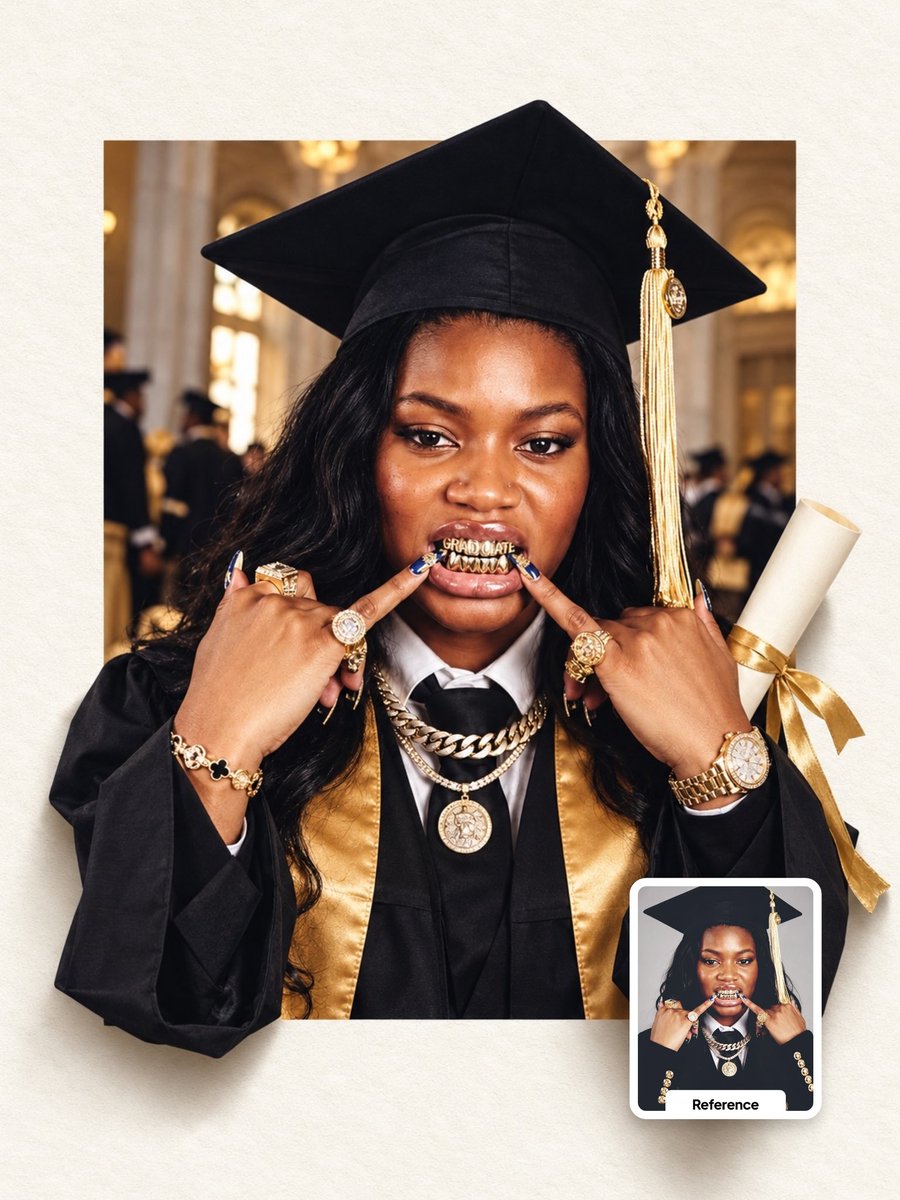
Create a premium, ultra-realistic editorial photograph poster using the uploaded reference image as the primary style reference. Match its art direction, composition, lighting, paper texture, photographic treatment, and three-dimensional depth illusion while creating an original scene featuring [MAIN SUBJECT] in [SCENE AND ENVIRONMENT], posed in [POSE OR ACTION], with [KEY BREAKOUT ELEMENTS] extending beyond the photograph.
CANVAS & COMPOSITION
Use a vertical 3:4 aspect ratio, targeting 1080 × 1440 pixels at 300 PPI, with an ultra-detailed, photorealistic, 4K-quality finish. Create a sophisticated, minimalist editorial design suitable for a premium Instagram carousel.
BACKGROUND & PAPER TEXTURE
Use a warm ivory, off-white background resembling luxurious textured art paper. Add extremely subtle natural paper fibers and fine grain across the canvas. Keep the surface clean, softly illuminated, and nearly monochromatic, with generous negative space around the central image, especially at the top and bottom. Avoid pure white, visible gradients, excessive noise, patterns, and decorative typography.
CENTRAL PHOTOGRAPH
Place a large, vertically oriented rectangular photograph in the center, occupying approximately 64–68% of the canvas width and 60–68% of its height. Use perfectly straight edges, no border, and no rounded corners. Depict [MAIN SUBJECT] within [SCENE AND ENVIRONMENT] using authentic environmental details, realistic materials, natural lighting, rich but controlled colors, and professional depth of field. Keep the main subject sharply detailed against a naturally softer background. The photograph should resemble premium fashion magazine or cinematic editorial photography, never generic stock imagery.
SIGNATURE 3D BREAKOUT EFFECT
Make the subject appear to physically emerge from the central photograph into the surrounding ivory paper space. Keep the rectangular photograph intact underneath while allowing selected elements, such as [KEY BREAKOUT ELEMENTS], to cross its boundaries naturally and convincingly.
Create a powerful three-dimensional pop-out illusion using physically plausible cast shadows on the paper, subtle ambient occlusion, realistic contact shadows, accurate perspective, natural overlaps, and consistent lighting. Match the texture, focus, sharpness, and color grading of the protruding elements to the subject within the photograph. Ensure the subject feels physically integrated into the original scene rather than pasted onto it.
The breakout effect must be immediately visible and visually convincing. Avoid masking errors, white halos, artificial outlines, detached fragments, awkward intersections, or floating elements without believable contact shadows.
SUBJECT & VISUAL BALANCE
Give the subject a strong, recognizable silhouette and expressive, dynamic pose. Keep most of the subject inside the photograph while extending one or more meaningful elements beyond its rectangular boundaries. Select the breakout points according to the subject's anatomy, movement, and natural interaction with the environment. Maintain realistic proportions, anatomically correct details, and believable spatial relationships.
Keep the composition elegant, intentional, and balanced. Allow protruding elements to overlap the surrounding paper without overwhelming the layout. Choose a camera angle, perspective, and crop that enhance the subject's presence and emphasize the illusion of physical depth.
LIGHTING & COLOR GRADING
Use sophisticated editorial lighting with natural highlights, dimensional shadows, rich tonal separation, and realistic surface textures appropriate to the subject, including skin, fabric, metal, fur, feathers, or other materials. Ensure consistent light direction, softness, and color temperature across the photograph, protruding elements, cast shadows, and paper background.
GPT Image 2 on ChatGPT
Upload a reference image before generating.
MAIN PROMPT — REFERENCE PHOTO TO VINTAGE CARTOON
Use the uploaded reference photograph exclusively as a visual guide for the subject’s identity, physical appearance, pose, clothing, accessories, props, camera angle, framing, and environment. Transform the entire scene into an original, hand-painted 1940s vintage cartoon illustration.
OUTPUT RULE
Generate ONLY the final transformed illustration. The original photograph must never appear in the final output. Do not reproduce, display, insert, collage, combine, or juxtapose the reference photograph with the illustration. Use it strictly as visual guidance.
VINTAGE CARTOON STYLE
Create a classic 1940s hand-drawn cartoon aesthetic featuring bold, expressive black ink outlines, slightly irregular handcrafted contours, flat gouache-painted colors, slightly exaggerated cartoon anatomy, expressive hand-drawn facial features, and bouncy, rubber-hose-inspired proportions and movement.
Use charming vintage character design, simplified organic shapes, expressive silhouettes, playful visual storytelling, and painterly background construction. The artwork should feel like an authentic hand-crafted animation frame from the golden age of traditional cartoon illustration.
COLOR & TEXTURE
Use a warm, nostalgic vintage color palette with muted reds, ochres, creams, faded greens, dusty blues, and earthy tones where appropriate to the reference.
Incorporate subtle paper texture, delicate grain, faded ink, gently imperfect color registration, and restrained aged-print characteristics. Use flat gouache color fills, hand-painted environmental details, and subtle tonal variation without photographic rendering.
REFERENCE PRESERVATION
Preserve the subject’s recognizable identity, facial structure, hairstyle, skin tone, clothing, accessories, pose, props, and distinctive features. Maintain the original camera perspective, framing, and general arrangement of the environment.
Reimagine every visible element in the vintage cartoon art style rather than copying photographic textures. Both the subject and background must be fully illustrated and stylistically consistent.
COMPOSITION
Create a single full-frame illustration. Preserve the original composition and camera perspective as closely as possible. Maintain the original spatial relationships and recognizable environmental details while translating everything into the hand-painted cartoon aesthetic.
The entire image must look illustrated, with no photographic portions whatsoever.
STYLE LOCK
1940s vintage cartoon illustration, classic hand-drawn animation, bold black ink outlines, expressive cartoon anatomy, rubber-hose-inspired stylization, flat gouache painting, hand-painted backgrounds, warm nostalgic palette, aged paper texture, subtle grain, faded ink, handcrafted contours, whimsical playful atmosphere.
NEGATIVE PROMPT
Photograph, photorealism, realistic photographic textures, 3D rendering, CGI, modern anime, contemporary vector art, glossy digital illustration, mixed photo-and-cartoon effects, original photograph visible, collage, split screen, photo panels, white gloves, mouse ears, existing cartoon characters, recognizable copyrighted cartoon characters, unwanted logos, extra text, borders, frames, dividers, duplicated subjects, invented props, altered identity, changed pose, composition drift.
FORMAT LOCK
Vertical 3:4 aspect ratio. Single full-frame illustration. High-resolution, polished vintage cartoon artwork.
FINAL REQUIREMENT
Generate only the final transformed vintage cartoon artwork. Faithfully preserve the visual identity and composition of the reference while completely reimagining the scene as an original, charming, hand-painted 1940s cartoon illustration.
No original photograph visible. No collage. No split screen. No text. No borders.
GPT Image 2 on ChatGPT
Upload a reference image before generating.
MAIN PROMPT
Reconstruct the entire scene from the uploaded reference image as a genuine real-time 3D render inspired by Grand Theft Auto V, running inside the RAGE engine. Rebuild the scene as if it were an authentic GTA V gameplay screenshot captured on a high-end PC with ultra graphics settings.
Do not apply a 2D filter, paint-over effect, or simple stylistic overlay. Reconstruct the visual content as a fully modeled, game-world scene with native-looking polygonal 3D assets, game-ready materials, textures, lighting, and environmental geometry.
REFERENCE & SCENE LOCK
Use the uploaded image as the sole visual reference. Preserve the original composition, camera position, perspective, framing, subject identities and appearances, poses, clothing, accessories, vehicles, architecture, terrain, props, object placement, spatial relationships, and environmental details.
Reconstruct all visible elements as actual 3D geometry. Maintain the original scene layout and recognizable details while translating everything into GTA V's distinctive game-world visual language.
3D ASSET CONSTRUCTION
Convert all subjects, vehicles, architecture, terrain, objects, and props into clearly modeled polygonal 3D assets. Use visible geometric structure, game-ready mesh construction, baked normal maps, optimized textures, and realistic-to-game material properties.
Characters should follow GTA V character proportions and anatomy, with slightly exaggerated, rigid, digitally sculpted game-character features. Skin should be matte and game-textured without photographic pores. Hair should appear clumped, card-based, slightly stiff, and game-engine constructed. Clothing should use game-style fabric shaders, visible seams, texture repetition, and modeled folds.
ENVIRONMENT & WORLD DESIGN
Reconstruct the environment using Los Santos or Blaine County visual logic. Buildings should feel modular, game-constructed, and optimized, with slightly sharp edges, repeated architectural elements, tiled textures, and polygonal construction.
Roads, sidewalks, terrain, vegetation, street props, vehicles, and background elements should be simplified yet densely detailed, clearly resembling assets built for an open-world video game.
Asphalt should appear flat and grainy. Metal should have simple controlled specular highlights. Glass should be clean with limited reflection depth. Vegetation should appear slightly stiff and stylized. Surfaces should have the unmistakable visual consistency of game-engine assets.
LIGHTING & RENDERING
Use GTA V real-time lighting behavior. Apply strong directional sunlight or overcast skylight according to the reference scene. Create hard shadows with defined edges, subtle ambient occlusion in corners, imperfect screen-space reflections, and the recognizable slightly saturated GTA V color grading.
Maintain controlled but punchy contrast. Materials must read as video-game materials rather than physically accurate cinematic surfaces. Avoid photorealistic rendering, studio lighting, excessive cinematic effects, and photographic depth characteristics.
CAMERA & GAMEPLAY CAPTURE
The camera should feel like an authentic gameplay or Rockstar Editor screenshot. Preserve the reference camera composition and perspective while maintaining a game-camera feel, with third-person or free-camera framing, slight wide-angle distortion where appropriate, stable framing, and natural in-game camera positioning.
No depth-of-field blur. No artificial bokeh. No cinematic motion blur, except minimal engine-native motion blur if naturally appropriate.
Full prompt: 👇👇
GPT Image 2 on ChatGPT
Upload a reference image before generating.
MAIN PROMPT
Transform the uploaded photograph into a premium, relaxed, hand-drawn chibi illustration. Use the photograph exclusively as a visual reference for the subject’s identity, appearance, clothing, accessories, pose, and distinctive details. Automatically interpret the subject without requiring additional descriptions.
REFERENCE & IDENTITY LOCK
Faithfully preserve the subject’s recognizable facial features, skin tone, hairstyle, hat, sunglasses, clothing, accessories, muscular physique, original pose, and distinctive objects. Recreate the shirtless man wearing a black cap, sunglasses, black shorts, wrist accessories, and holding his padel racket in the same relaxed position.
Maintain the essence and recognizability of the original subject while simplifying the anatomy into a charming 2–3-head-tall chibi character. Do not reproduce the photograph itself.
CHIBI STYLE
Create a tiny, premium hand-drawn chibi character with an oversized head, compact body, short limbs, simplified but recognizable anatomy, imperfect organic outlines, soft flat colors, subtle textured shading, deadpan fish eyes, half-closed eyes, and quietly awkward humor.
Use loose, slightly imperfect hand-drawn contours, restrained color fills, minimal shading, subtle sketch texture, and charmingly understated facial expressions. The character should feel relaxed, tender, slightly goofy, and effortlessly cool.
COMPOSITION & SCALE
Place the character near the lower center of the canvas, occupying approximately 20–30% of the total image area. Keep the character small and fully visible, with generous clean negative space surrounding him.
Do not enlarge, tightly crop, or visually overwhelm the character. Preserve the entire character and racket within the canvas.
BACKGROUND & COLOR
Use a near-white, warm cream, or very subtle pale-sage background inspired by the original photograph's colors. Keep the background clean, minimal, and uncluttered.
Add only a small, soft grounding shadow directly beneath the character. No decorative scenery or invented objects.
STYLE LOCK
Independent hand-drawn character illustration, relaxed chibi aesthetic, imperfect organic linework, oversized head, compact proportions, soft matte colors, subtle textured shading, deadpan half-lidded eyes, understated humor, minimal composition, refined character sketch, generous negative space.
NEGATIVE PROMPT
Photorealism, 3D rendering, glossy plastic appearance, generic anime styling, overly polished vector artwork, exaggerated facial distortion, altered identity, incorrect clothing, missing sunglasses, missing cap, missing racket, altered pose, invented accessories, extra objects, oversized character, tight crop, busy background, decorative scenery, original photograph, photo-and-illustration comparison, split screen, collage, borders, dividers, text, logos, watermarks.
FORMAT LOCK
Vertical 3:4 aspect ratio. One standalone illustration only. Clean near-white, warm cream, or subtle pale-sage background. Character positioned near the lower center with generous negative space.
FINAL REQUIREMENT
Produce a charming, premium, relaxed hand-drawn chibi illustration that preserves the recognizable identity and distinctive details of the original subject while translating them into a tiny, expressive, slightly goofy character.
Output a single standalone vertical 3:4 illustration. No original photo, comparison layout, split screen, collage, borders, dividers, text, decorative scenery, invented objects, logos, or watermarks.
MAIN PROMPT
Create a collectible architectural silkscreen print of [Landmark] in [City], designed as a refined, contemporary travel-art poster. Vertical 3:4 aspect ratio.
ARCHITECTURAL FIDELITY & COMPOSITION
Preserve the landmark’s defining silhouette, architectural identity, distinctive features, and authentic proportions. Use a commanding three-quarter perspective that conveys scale, depth, and architectural presence. Include one tiny human visitor as a subtle scale reference.
Create an instantly readable composition with strong silhouette recognition, elegant geometric simplification, and carefully balanced negative space.
SCREENPRINT STYLE
Render the entire image as a sophisticated three-ink silkscreen print using three carefully registered, opaque colors inspired by the destination’s atmosphere, landscape, or cultural identity, balanced against pure-white paper.
Use broad flat color shapes, crisp stencil edges, deliberate geometric simplification, rhythmic lines for repetitive architectural details, selective ink overlaps, subtle screen-mesh texture, and authentic printmaking imperfections.
LIGHT & SHADOW
Use dramatic diagonal shadows to sculpt the architectural form and create striking graphic contrast. Build depth through carefully layered flat ink shapes rather than gradients or photorealistic rendering. Preserve the purity of the white paper and the restrained three-ink palette.
PRINT QUALITY
Refined printmaking craftsmanship, confident graphic composition, subtle ink texture, clean stencil boundaries, purposeful color registration, sophisticated architectural illustration, strong visual hierarchy, and premium collectible poster aesthetics.
NEGATIVE PROMPT
Photorealism, 3D rendering, excessive colors, gradients, soft blurry edges, overly detailed photographic textures, distorted architecture, inaccurate silhouette, incorrect proportions, cluttered composition, multiple people, oversized visitor, lettering, typography, logos, borders, frames, watermarks.
FORMAT LOCK
Vertical 3:4 aspect ratio. Pure-white paper background. Exactly three opaque printing inks plus the white of the paper. High-resolution print-ready artwork.
FINAL REQUIREMENT
Produce a striking collectible architectural silkscreen print that faithfully represents the landmark, combining architectural recognizability, commanding perspective, dramatic shadows, disciplined three-color printmaking, and refined contemporary poster design.
No lettering, logos, borders, or watermarks.
Want to learn how to create realistic AI images and videos like this?
Join Visual AI Club and explore our tutorials, creative workflows, prompt engineering techniques, and exclusive AI resources.
Start learning here 👇
https://t.co/oIvRuutDgP
Creating AI animations might look like a 'one-click process' from the outside, but capturing that exact impact and visual detail takes way more effort than you think. ☄️🏙️
What do you think is the hardest part of making AI animations like this?
This damn prompt is amazing. A** UGC killer.
{
"prompt_type": "reference_template_identity_replacement",
"CORE_RULE": "Use the supplied image as a locked photographic template. Preserve the photograph as closely as possible, but replace the woman's fa.."
Full Prompt 👇🏻
This damn prompt is amazing. A** UGC killer.
{
"prompt_type": "reference_template_identity_replacement",
"CORE_RULE": "Use the supplied image as a locked photographic template. Preserve the photograph as closely as possible, but replace the woman's fa.."
Full Prompt 👇🏻
This damn prompt is amazing. A** UGC killer.
{
"prompt_type": "reference_template_identity_replacement",
"CORE_RULE": "Use the supplied image as a locked photographic template. Preserve the photograph as closely as possible, but replace the woman's fa.."
Full Prompt 👇🏻
This damn prompt is amazing. A** UGC killer.
{
"prompt_type": "reference_template_identity_replacement",
"CORE_RULE": "Use the supplied image as a locked photographic template. Preserve the photograph as closely as possible, but replace the woman's fa.."
Full Prompt 👇🏻
Found a video style you love? Recreate it with your own AI character. 👀
Just 2 steps. No complicated workflows.
Try it for $3 → https://t.co/JHftYxId6N
GPT Image 2 on ChatGPT
Transform the uploaded image into a premium, meticulously rendered 3D-informed digital painting with a distinctive, polished, semi-realistic video game concept art aesthetic.
RENDERING STYLE: Create clean, sculpted three-dimensional forms using precise silhouettes, broad connected color planes, crisp light-shadow separation, rich midtones, controlled gradients, and subtle directional brushwork. Combine the dimensional solidity of high-end 3D artwork with the refined finish of professional hand-painted digital illustration. Every form must appear deliberately modeled, cleanly defined, and visually cohesive.
LIGHTING AND SHADING: Use large, clearly structured areas of illumination, midtone, and shadow to describe the volume of every subject and object. Introduce luminous peach-gold, apricot, and coral highlights contrasted with dusty periwinkle, muted cyan, lavender, and blue-violet shadow planes. Create sophisticated warm-cool contrast across complete surfaces, with selective bright highlights and clean tonal transitions. Avoid flat lighting, thin rim lights, and indiscriminate color overlays.
SUBJECT DETAIL: Render faces with carefully constructed planes and smooth dimensional transitions. Paint hair using defined locks and tapered strands. Model skin, fabric, denim, leather, metal, glass, vehicles, architecture, and other materials with distinct surface qualities, precise edges, controlled reflections, and intentional detail. Use smooth, polished shading with subtle visible brushstrokes. Avoid photographic microtexture, excessive grain, and messy painting.
ENVIRONMENT RENDERING: Preserve and repaint the existing environment using simplified geometric forms, organized tonal groups, clean architectural edges, and controlled surface detail. Distant and secondary elements should have softer edges, lower contrast, and less detail than the foreground. Maintain convincing depth while keeping the entire image visually cohesive.
COLOR ART DIRECTION: Apply a sophisticated pastel cinematic palette built around dusty periwinkle, muted blue, blue-violet, lavender, mauve, peach, coral, apricot, and pale gold. Balance these colors with the original local colors of the subject and objects. Keep colors luminous, harmonious, and restrained rather than oversaturated.
VISUAL HIERARCHY: Render the main subject and important foreground objects with the greatest sharpness, dimensionality, and detail. Simplify secondary elements without making them unrecognizable. Maintain crisp silhouettes, strong form separation, and a polished, professionally art-directed finish.
STRICT IMAGE PRESERVATION: Preserve the original identity, facial features, anatomy, pose, clothing, accessories, objects, subject count, environment, architecture, vehicle designs, object positions, camera angle, perspective, framing, and aspect ratio. Do not invent, remove, replace, or reposition elements. Adapt the lighting to the existing scene rather than redesigning it.
EXCLUSIONS: No photorealistic finish, anime, flat vector graphics, black outlines, plastic CGI, generic Instagram filters, excessive texture noise, sketchy strokes, muddy blending, exaggerated gradients, altered faces, distorted anatomy, invented scenery, text, logos, watermarks, borders, or graphic overlays.
FINAL RESULT: A clean, richly dimensional, pastel-toned, hand-painted 3D-informed game illustration with precise forms, sophisticated cinematic lighting, crisp planar shading, controlled brushwork, and a polished professional finish.
Apply this rendering technique consistently to any uploaded photograph. Change the visual rendering, never the original scene or its composition.
This damn prompt is amazing. A** UGC killer.
{
"prompt_type": "reference_template_identity_replacement",
"CORE_RULE": "Use the supplied image as a locked photographic template. Preserve the photograph as closely as possible, but replace the woman's fa.."
Full Prompt 👇🏻