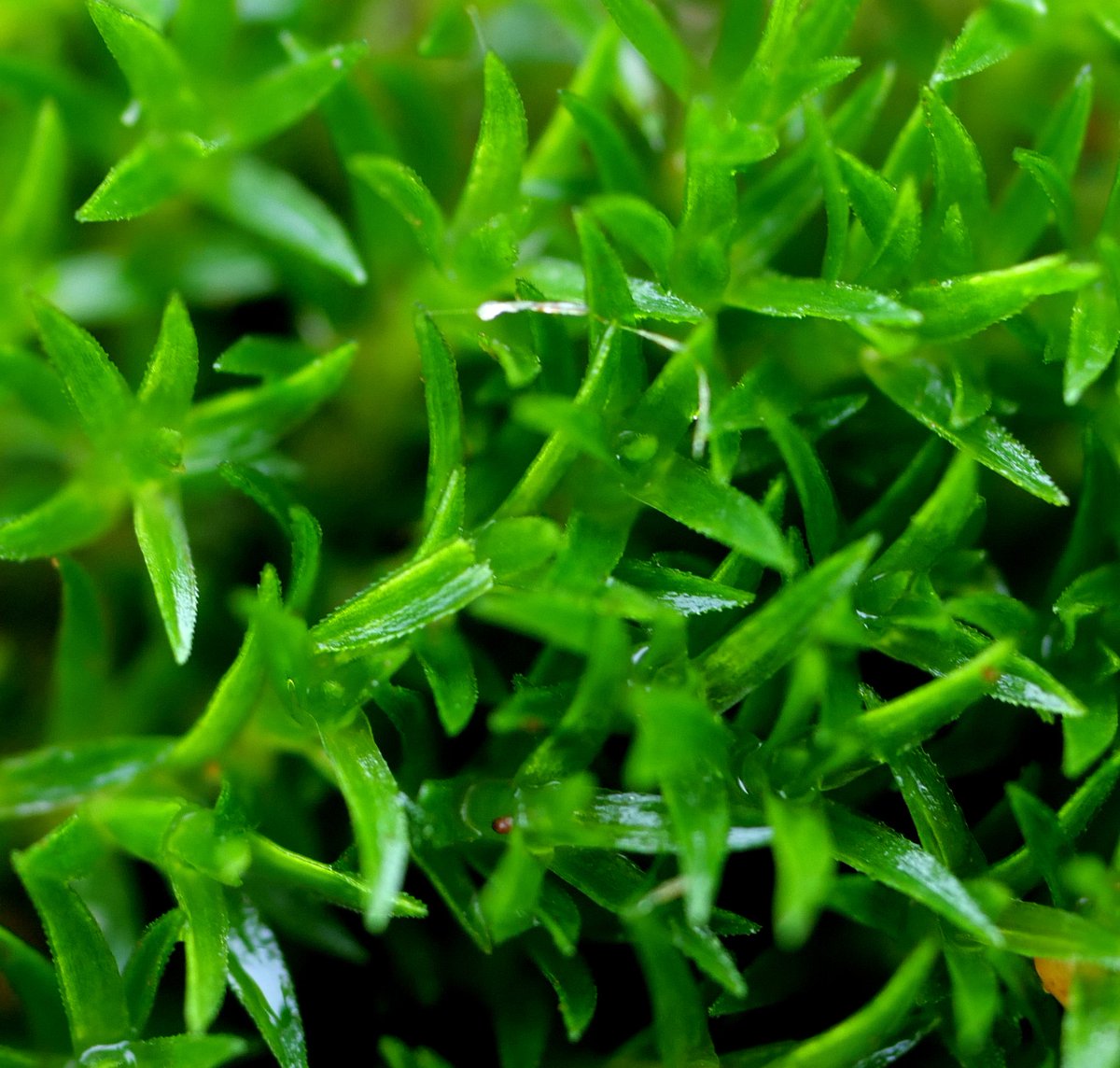
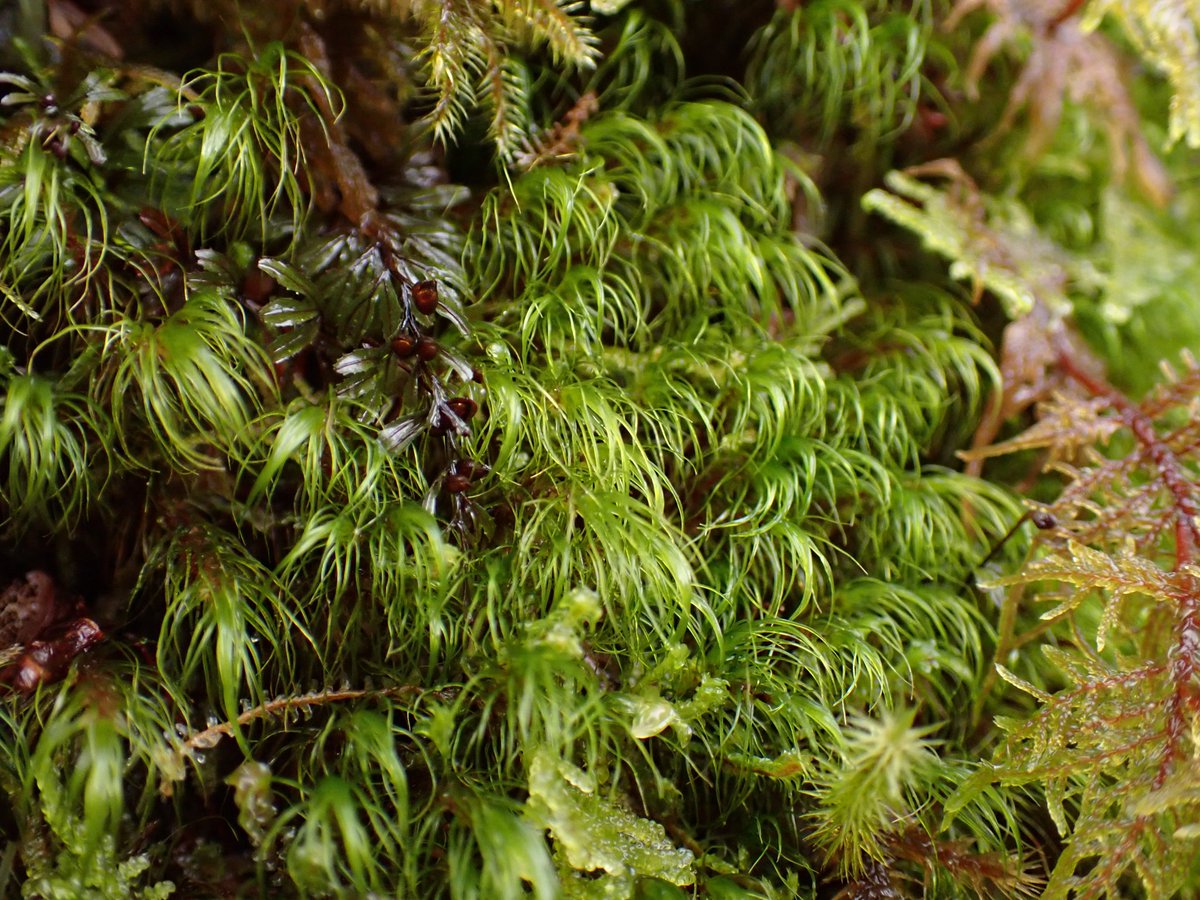
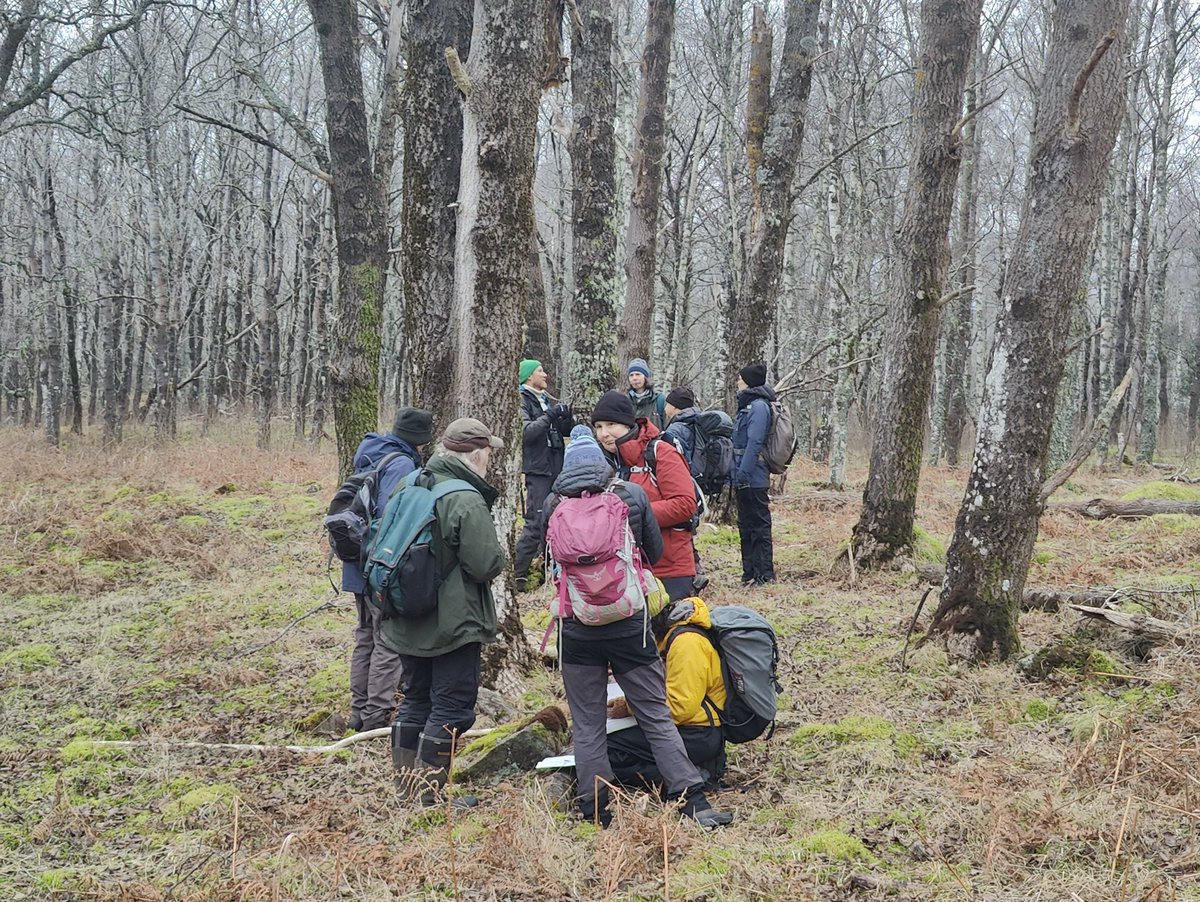
@thenewgalaxy@BSBIbotany@smurfett722 Seems early (Spiranthes do not appear on our lawn in Jersey until mid August- no sign yet); nevertheless signs of Autumn are all about with Scilla autumnalis in full flower already
A great day out with NE Scotland Bryophyte group at Muir of Dinnet NNR - learning to recognise the rare Nyholmiella gymnostomum & N. obtusifolium. Made all the better by finding a new group of Buxbaumia @BBSbryology
@BSBIbotany @botanyone Studies last year (in press, Pl Eco & Diversity) have largely confirmed the improvement in id apps reported by Razanny et al. since our 2020 study. However recent tests in Australia showed signif. less success with the diverse flora there incl. high local endemism
Blown away by a few days in Kangaroo Island (S Australia) last week, where in a couple of (semi-)random roadside stops saw four endemics to KI including these beauties -KI Woolly-bush and KI Spyridium @BSBIbotany@BotSocScot
A wonderful day for the NE Scotland bryology group's first meet of the season at the Rocks of Solitude - let us hope we can choose such nice days for the rest of the season! @BBSbryology
A successful hunt for the gorgeous Tomentypnum nitens in the Moorfoot hills last week - but why could I only find it in the previously recorded 20 m2 patch where previously known, among acres of similar ground??@BBSbryology
If any of you (especially, but not only, professional ecologists) have a spare 30mins 😏, the group at Bangor Uni would greatly appreciate help completing a survey investigating the practicalities of habitat condition assessment for Biodiversity Net Gain. See QR code attached
Part-way through my annual count of Spiranthes spiralis (Autumn ladies tresses) on our Jersey lawn (1824 so far on c.20% of the area!). They only occur on areas well-mown all year- so "no-mow May" definitely not suitable for them @BSBIbotany
@TrisNorton @1DavidElston Thanks for the great day counting the stunning Saxifraga hirculus (new to me), with the added bonus of also finding two mosses new to me (Sphagnum riparium and Calliergon giganteum)