My new research project has been funded!
We'll explore whether learning different languages presents different cognitive challenges — and whether language learning could help keep our minds active as we grow older. (Dedicated to my grandma).
#HealthyAgeing#LanguageLearning
Did you know that Edinburgh’s Behavioural Research UK has a curated set of learning resources for AI? So you don't go crazy over a multitude of AI tutorials out there. This is handpicked and good: https://t.co/HMv9loykyn
One uncomfortable point in this paper on academic productivity: prolific publishing is not just about discipline or ambition. It also depends on “temporal capital” – who has uninterrupted time to write, and at what price. https://t.co/Mwc3UQvXCh
Can you hear it? 🎧
beat — bit
bat — bet
but — boot
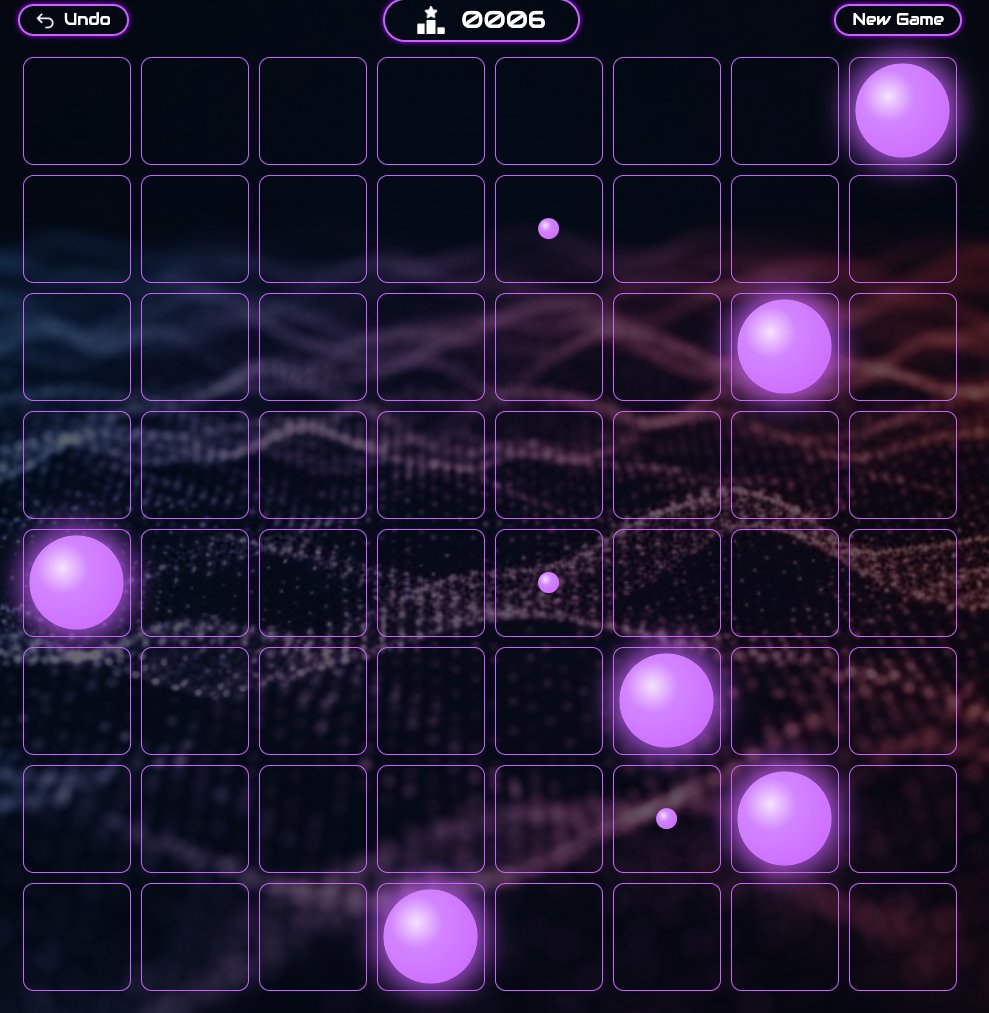
Test yourself with Audiolines (code: 1234), the phonetic training game we use in our research:
https://t.co/CzBatzTU5c
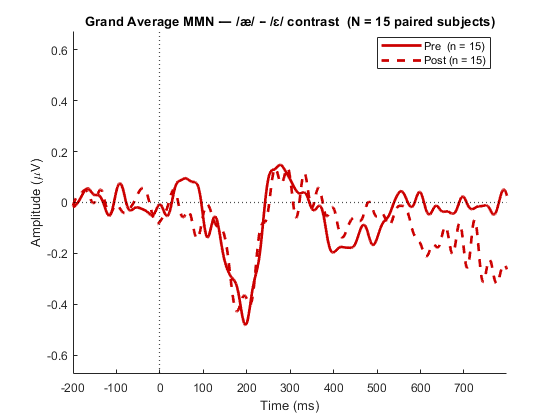
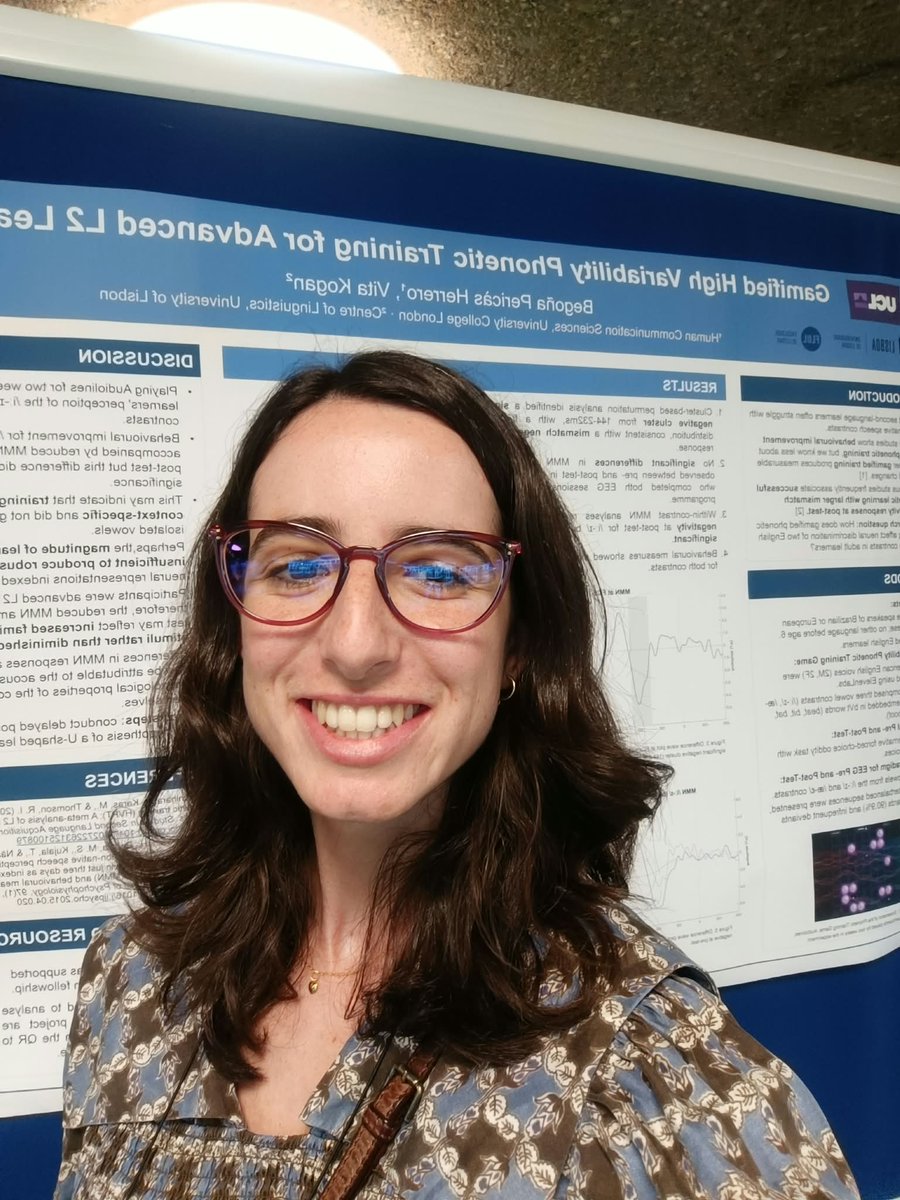
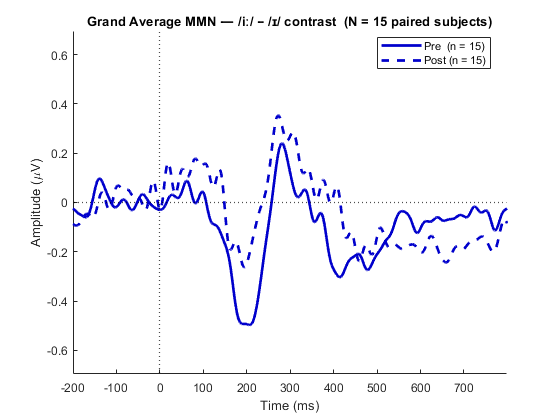
Our EEG data have finally escaped the lab and made it onto a poster. 🙂
At NeuroLang, Begoña is presenting what happened to neural discrimination after game-based vowel training – including a rather interesting mismatch between behavioural improvement and the EEG story.
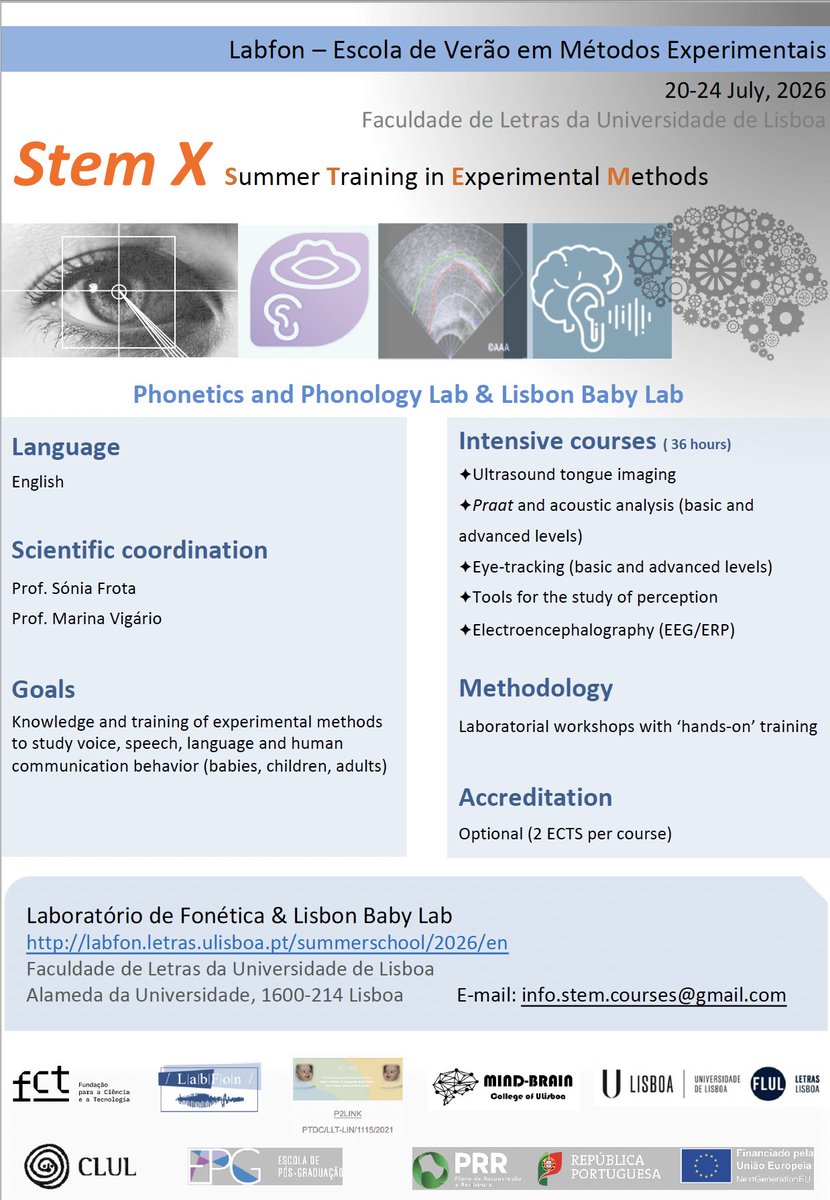
It was a great tenth edition of Summer Training in Experimental Methods (STEM X) at the University of Lisbon! We had a full week of courses teaching about ultrasound tongue imaging, Praat / acoustic analysis, eye-tracking, tools for perception studies, and EEG. Join next summer!
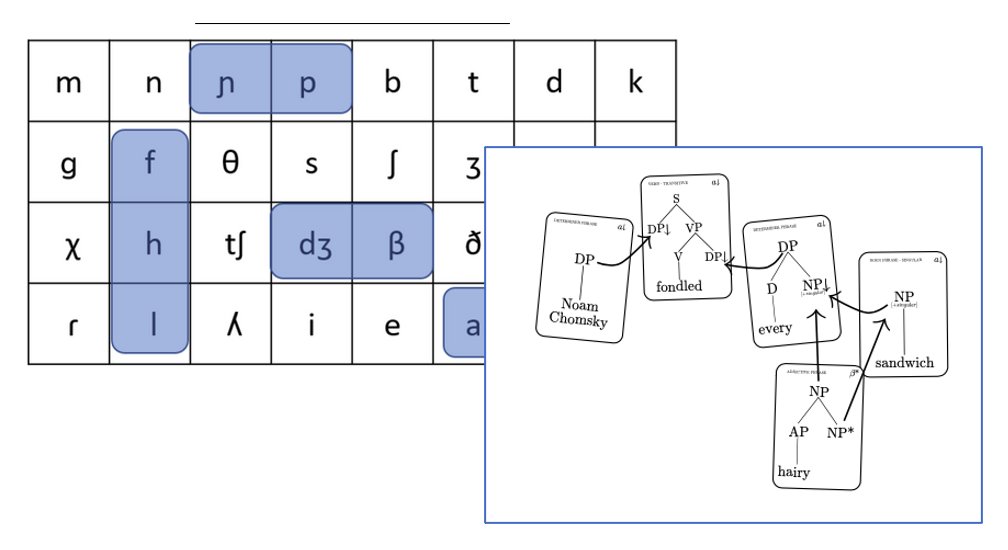
Even minimal contextualization changes how learners process L2 speech. Wrap phonetic training in a story and watch phonological learning improve dramatically.
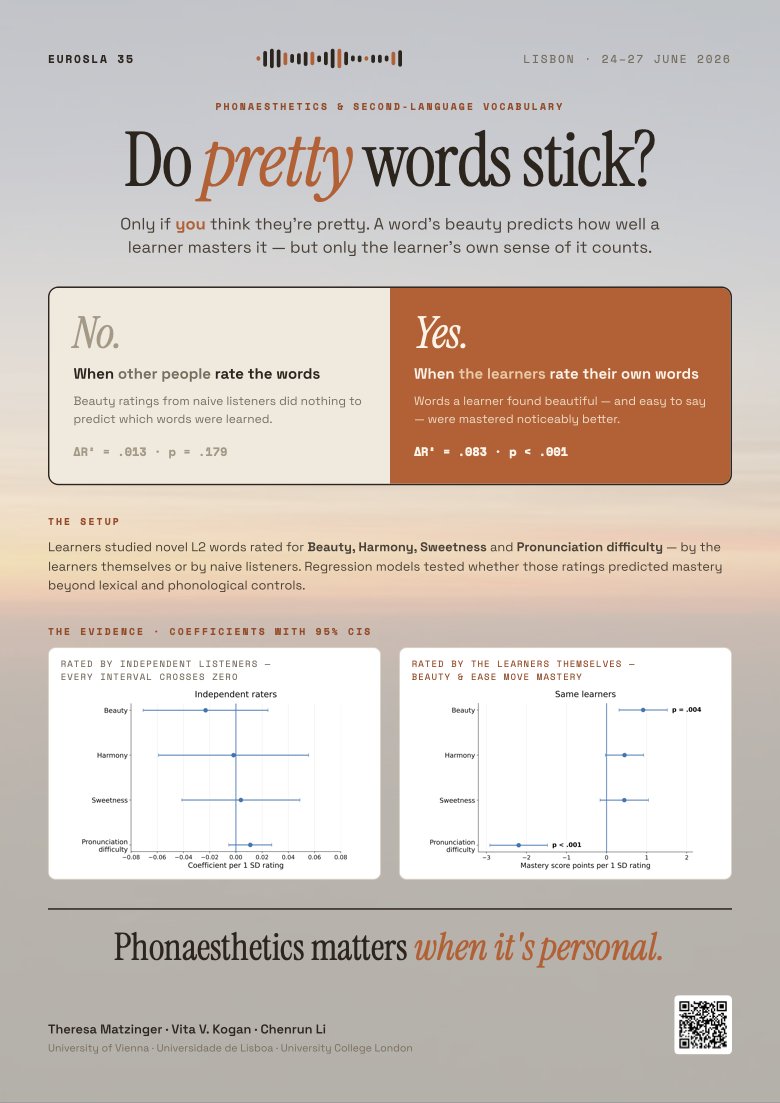
The aesthetics of language: what sound patterns reveal about language aesthetic appeal | Language and Cognition | Cambridge Core - https://t.co/YSnhSuLL2O