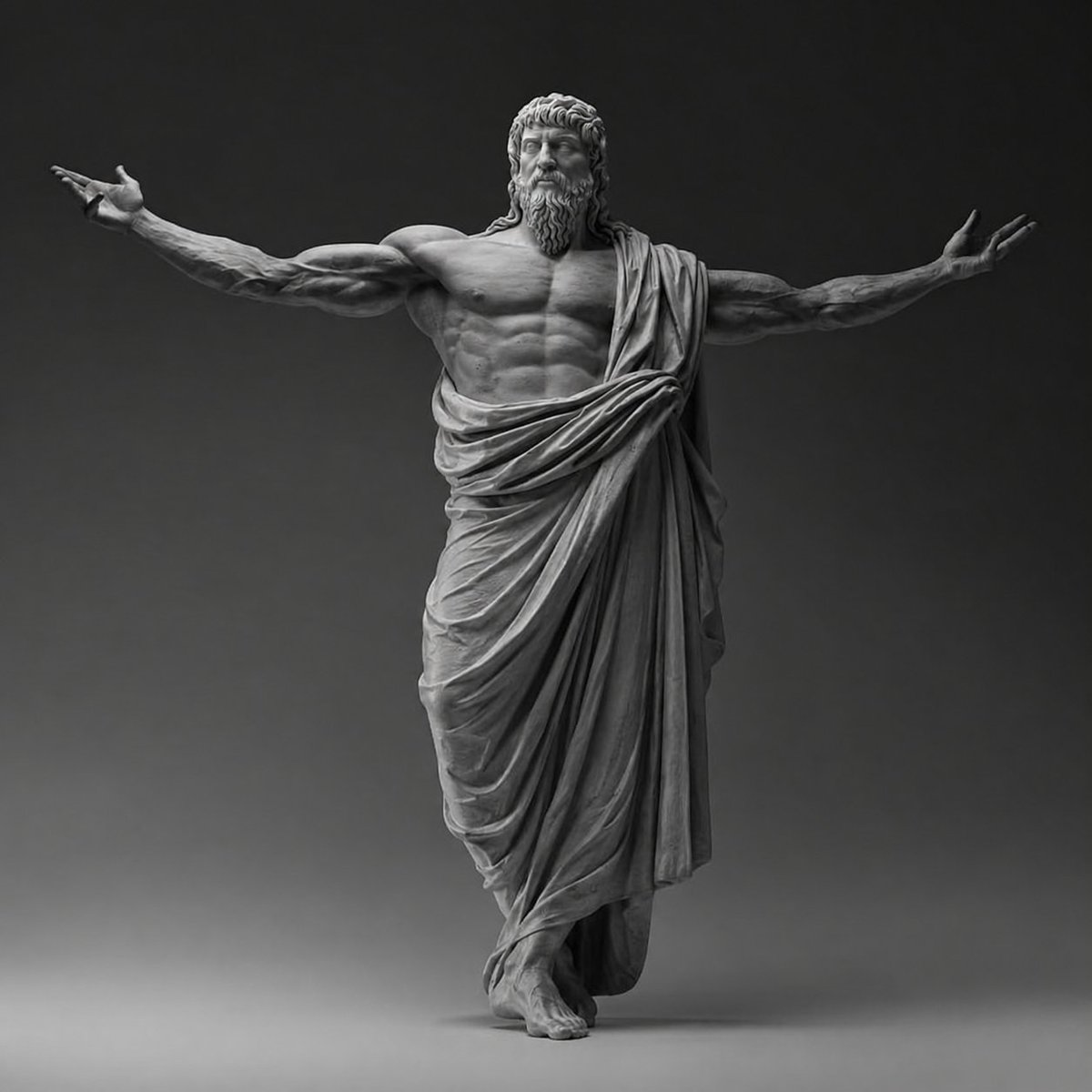
The eternal technological Atlantean pagan space empire will be resurrected, its foundations will be fueled by human vitality and will be the destruction of the Setian decay, the resurrection of Osiris/Dionysus will fuel man's Teleology as being stewards in the image of the Gods
That’s why I wrote Pagan Threat: Confronting America’s Godless Uprising. This book exposes the ancient spiritual ideas resurfacing beneath modern culture and makes the case that Christians cannot defeat paganism by accommodating it. We have to recognize it, confront it, and offer the world something better: the truth and power of Jesus Christ.
The pagan resurgence is already here. The question is whether the Church is prepared to meet it.
Order your copy here:
https://t.co/2erlGu6wXg
@StoicWyrdism 11.) I agree
12.) I agree
13.) the Gods are perfect, thus we are glorifying them
14.) I agree
15.) they're the source of fate and Immanent and Transcendent within reality
@StoicWyrdism 2.) True, however change implies that it is progressing towards perfection and Telos, if truly perfect, change is not required
3.) Embodiment is a tool
4.) no one's making you
5.) virtue is what is measured, good is what measures it
6.) both immanent and Transcendent
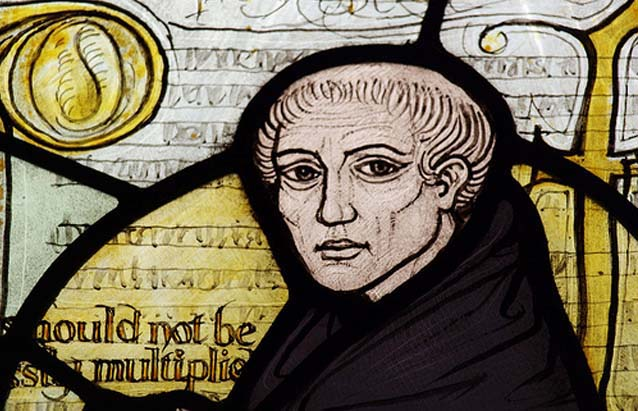
Nominalism is the theory that universals are mere words and that things have no objective "natures. This means that universals are inherently arbitrary human inventions and that human beings may conceptually carve up the world in any way they like. It is nominalism that is at the root of claims that such things as race and “gender” are “socially constructed.”
@theralkia Apollonius is better as he was a divine Esoteric Pythagorean sage, while Jesus didn't really embody truth because Christianity destroyed the earlier Esoteric truths found in the Pagan religions
Jesus and Buddha are both avatars, each of them embodying and containing the wholeness of potentiality, all archetypes and energies, all divinity.
Where they are experientially different is in their actualization.
Buddha actualized divinity through radical non-attachment - he recognized that even in death and despair, there is purpose and beauty. From the perspective of God, there is value to it, it needs to occur. He allowed it to be and focused on his own insight.
Jesus recognized the same, but he instead became a divine sword - he reentered duality from nonduality, slicing through falsehood with Truth, burning the unconscious masses with the Promethean fire.
Something there.
@PlatonicPath Brahman/Parashivashakti is sat cit anada, those labels are linguistic tools as to describe the transcendent inconceivable ontology of brahman is apophatically described, Ishvara is Nous, which is personhood, the jiva and atman analogy with the two birds is a good analogy