Gm! We had a great progress last week at Cournot. See what the first verifiable AI-native oracle can do 🧵
1/ Oracle Performance
We continued improving overall oracle performance across our benchmark and shadowing pipeline.
Sports resolution accuracy is now >99% in our latest targeted evaluation, with the accuracy for other categories are over 95%.
Ongoing improvements are focused on reducing invalid outcomes and improving retrieval reliability
Cournot is partnering with @primus_labs to strengthen how offchain evidence is verified before AI reasons over it.
Primus zkTLS can prove that web/API data came from the claimed source. Cournot then interprets that verified evidence and turns it into a structured, auditable judgment.
Verified Evidence → Cournot Reasoning → Verifiable Judgment
This creates a stronger foundation for:
• Prediction markets, where resolution depends on proving the authenticity of source data before interpreting the outcome
• Private credit and RWA, where sensitive financial conditions can be verified without exposing the underlying data
Primus verifies the source. Cournot determines what it means.
From market resolution to privacy-preserving financial intelligence, together, we’re building a more accountable path from offchain data to onchain decisions.
💛 YZi Labs stands alongside our founders as the industry navigates recent security incidents.
We’re in close contact with our portfolio companies and ready to support them wherever we can.
We keep building -- and keep backing mission-driven founders for the long run.
Traditional oracle infrastructure is good at answering structured questions: What is the price? What was the value at a specific time?
But more of the real economy depends on questions that aren’t contained in a single feed.
Did an event actually happen?
Does the available evidence satisfy a defined condition?
How should multiple sources be interpreted together?
That’s the layer we’re building Cournot for and prediction markets are only one expression of it.
The same reasoning infrastructure can apply to tokenized equities, private credit, real estate, commodities, and other RWAs where value depends not only on price, but on interpreting real-world events and composing information from multiple sources.
The next generation of oracles won’t just tell applications what the data says.
They’ll need to help applications determine what it means.
AI agents can become incredibly capable. But capability doesn’t matter if users don’t trust them enough to act.
This figure shows an important key takeaway. The real adoption bottleneck is not capabilities of the agents, but the confidence:
• What did the agent know?
• Why did it make that decision?
• Can the evidence be verified?
• Was the outcome actually delivered?
The next generation of agents won’t win on capability alone. They’ll win on verifiability.
BNB Seoul was the place to be 🇰🇷
We gathered the ecosystem under one roof to talk about what’s next onchain, from more assets to stronger infrastructure for the next wave of users.
None of this happens without the people who keep building and showing up.
Till next time, Seoul 🫰
This is exactly why we're building @CournotProtocol in the first place. We know that AI gives agents intelligence and Blockchains give them money.
The missing layer is machine-verifiable reality and that is what we are building.
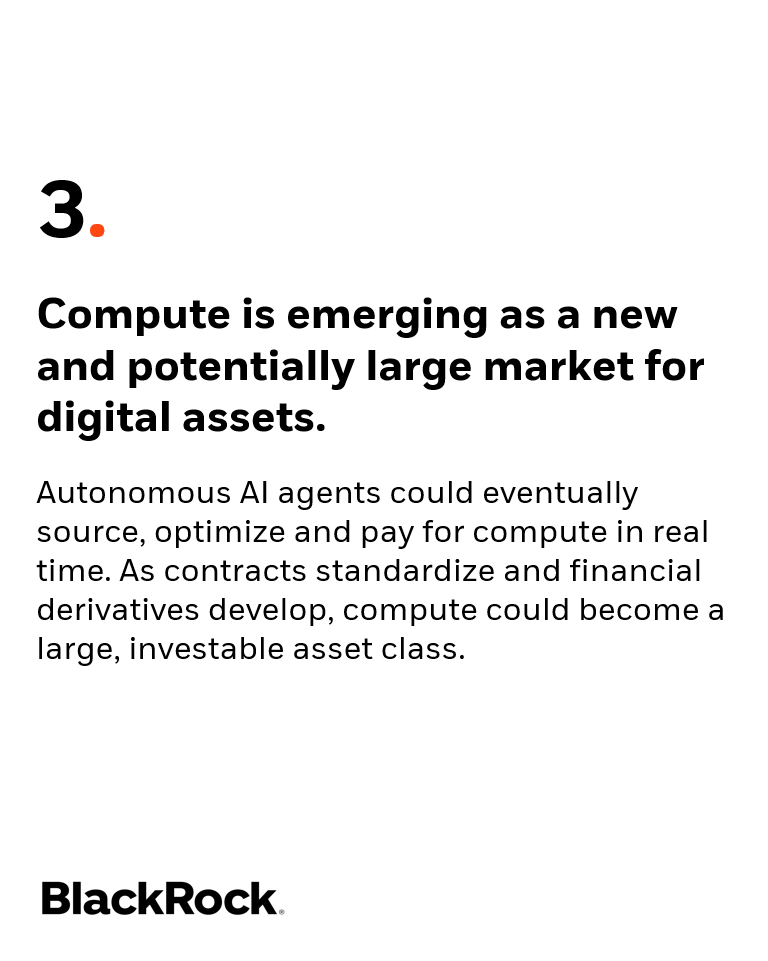
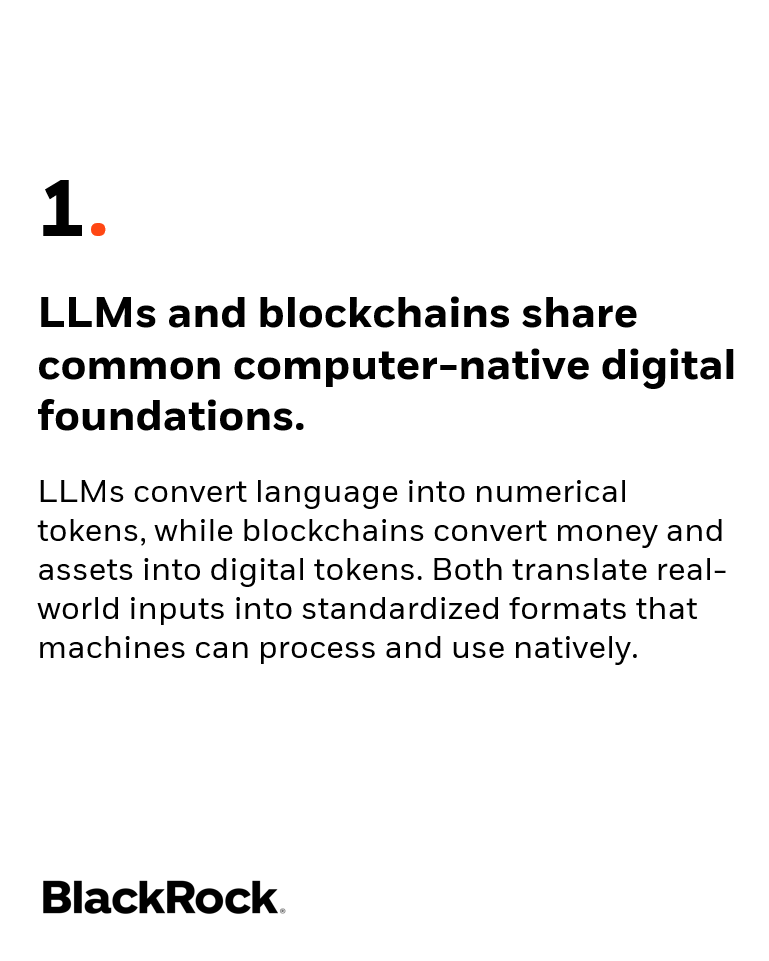
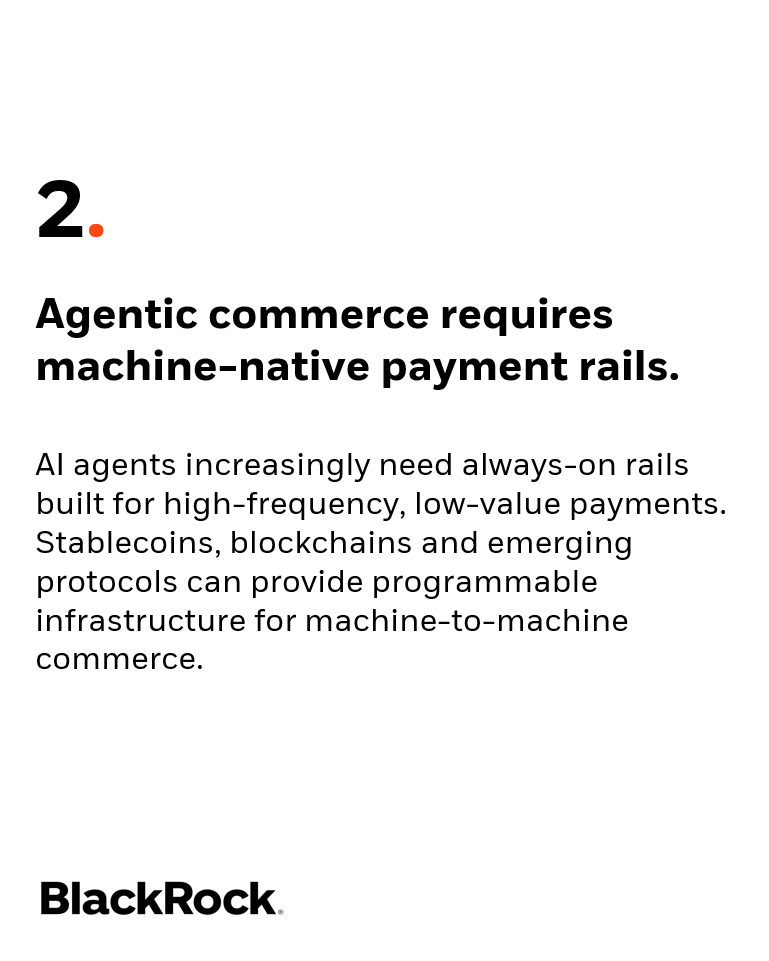
Our latest research paper explores the growing connection between AI and digital assets and explains why broad AI adoption may drive new demand, utility and applications across the digital asset economy. https://t.co/z5T88Orble
A number can be correct and still be misleading without context. “Volume” is a good example: notional, cash exchanged, open interest, and actual risk transfer are not the same thing.
This is why the next generation of oracles needs to do more than retrieve data. It needs to preserve the meaning, methodology, and evidentiary limits behind that data.
That’s the problem we’re building Cournot to solve.
The next generation of oracles will not only verify that a number is authentic. They will need to verify what the number means, how it was produced, and how far the available evidence allows us to trust the conclusion built on top of it. https://t.co/KfRXD7qJdz