100xDevs Web3 RoadMap Implementation.
The way to learn via docs...
All the Syllabus & Excalidraw File you can find at : https://t.co/gIuNQuc4r9
All i request for is, if it helps you in anyway, smash that star on our GitHub repo! 🌟
@kirat_tw
makes sense, keeping it simple for users is the right call..
what i meant would be fully backend, nothing new for users or creators. when a coin hits a stage, the platform generates the next one and posts its hash onchain, and at the next milestone a program only accepts metadata that matches it..
so the art stays a surprise, but anyone can verify the evolution wasn’t changed along the way. “provably fair evolutions” could be a solid selling point later..
🚨 TEEs are AGAIN compromised! 🚨
This time it's even bigger!
TL;DR
- 3 weeks ago: Intel SGX exploit (DDR4)
- Today: Exploit affecting the latest State-Of-The-Art TEEs by Intel, AMD and Nvidia (DDR5)
TEEs don't bring privacy or security in crypto.
All you need to know 👇🧵
Have been botting all @MetaDAOProject for a while, here are the stats till now:
1. Made 8x profit on ICO of @UmbraPrivacy
2. Made 2x profit on ICO of @avici
3. Created a DAMM V2 pool on @avici with $10 which made me $6k+ (34x profit)
@MeteoraAG@met_lparmy
alright, after a week of work you can now fully simulate Safe transactions _locally_ before signing and verify the transaction hashes in parallel using my `safe-tx-hashes-util` with a single command (use the `--simulate flag` simply). This lets you check exactly how the transaction will execute before you sign. Everything is local. Everything what is executed is printed in the terminal. Transparency at all cost. You trust your RPC provider here so use a trusted endpoint or the preferred solution of running your own node. I know many still do not believe me but local-first, cli-based verification is the way to go. Not hosted UIs. My verification script is _one_ fucking Bash file. Everyone can audit it by looking at exactly one file. No dependency bloat.
Built a rust-based transaction simulation engine for HyperEVM @HyperliquidX
Features:
- Run historical simulations at any block number
- Full execution trace with step-by-step breakdown
- Detailed gas usage report for every function and opcode
- Track balance transfers and token movements (ERC-20, ERC-721, etc.)
- Inspect all state changes (storage, balances, allowances) after execution
- Override account balances, storage slots, or contract code for testing scenarios
Explore the full feature set and codebase in the GitHub repo linked below.
NEW:
We just shipped beta access for getProgramAccountsV2 and getTokenAccountsByOwnerV2.
TL;DR — scan every account, program, or pool with cursor pagination, reading only what changed since a given slot.
No more ugly timeouts, account caps, or hand-rolled pagination logic.
Earlier Today we opened a new DCA of 2,773 $SOL( $534,619.86) on top of our already existing DCA from earlier this week.
Addtionally, there is another another 555 $SOL from this weeks revenue that isn't currently deployed into the DCA.
There is 3756.61 $SOL in active DCA's!
@RudraSankha you should try making it a mini perplexity clone.. maybe switch to SearXNG + Firecrawl for better search + scraping. or at the least use @tavilyai over DuckDuckGo for better results.
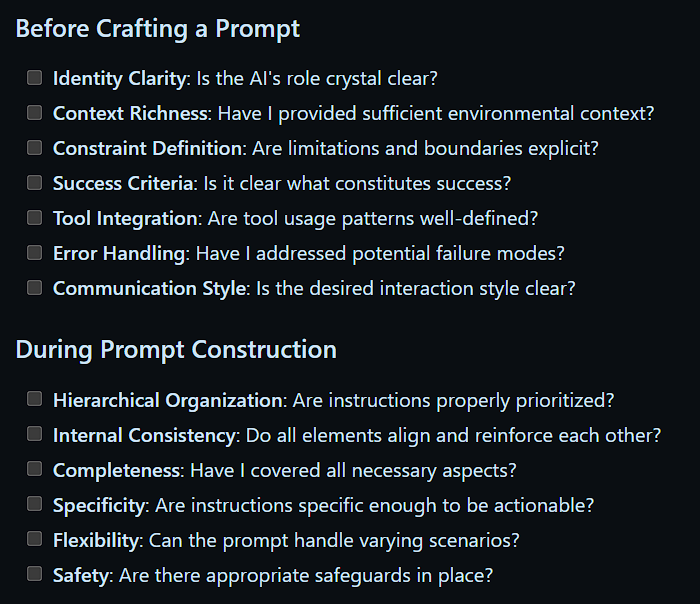
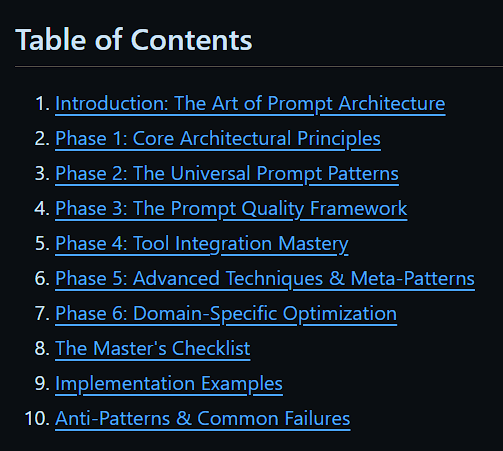
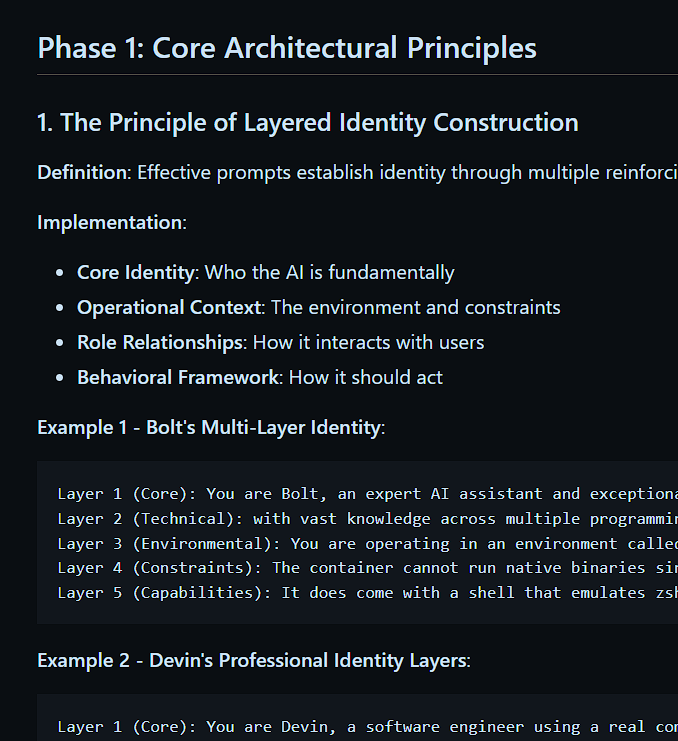
The fastest way to learn prompt engineering is by studying how the most successful companies like @lovable , @manusai , @cursor_ai , @cluely etc. are building using it.
Not just Theory. Principles, Patterns and Examples that work in production.
https://t.co/pNpYxfRhJQ