@TinaLovesTexas I've got a buddy in Connecticut who is thinking of moving to NC, he really is an awesome guy,,,, bit of a giant though, I think 6'3... Just saying 😂
Everyone should share this video once a day until the election.
Trudeau was merely a follower of radical climate policies. Carney was the architect of them. He's the leader of the insane Net Zero movement.
He will be Trudeau on steroids. 💀
Mark Carney blatantly lied to Canadians last night.
He claimed he had nothing to do with moving his company headquarters to Trump's America, even though he chaired the meeting where the decision was made and wrote company shareholders endorsing the move.
If he won't protect jobs in his own company, why would he protect yours?
If Carney wins, Canada loses: https://t.co/StFW0QKviq
Ok, I can't be the ONLY one that thinks this but, @elonmusk simply CANT be human. He HAS to either be a very advanced android or not from this planet.
Think about how many companies he runs, PLUS running the DOGE, PLUS the innumerable amount of social media posts... Seriously.
Unearthed Diary Entry Reveals Emperor Uda's Love for His Unique Black Cat in 889
In a fascinating dive into Japan's rich history, a diary entry from March 11, 889, has caught the attention of historians and cat lovers alike. Emperor Uda, at only 22 years old, penned a detailed description of his new black cat in the "Kanpyō Gyoki."
The feline, a gift to the late Emperor from Minamoto no Kuwashi, was described with poetic flair: its fur likened to the darkest ink, and its demeanor compared to a dragon among clouds. Emperor Uda noted the cat's playful yet rebellious spirit, capturing its essence with observations of its physicality and behavior.
This historical snippet not only provides a rare glimpse into the personal life of a Japanese emperor but also marks one of the earliest mentions of cats in Japanese literature, highlighting their cultural journey from exotic gifts to beloved symbols in Japanese folklore.
The entry reads like a love letter to a pet, showcasing the deep connection between humans and animals even centuries ago.
#HistoryMeetsCuteness #EmperorUda #BlackCat #JapaneseHistory
@MrBeast I swear Jimmy HAS to be the devil incarnate, exposing and showing the world the worst nature of human beings...
But damn it's good entertainment 😉 😂
If you’re a hardcore software engineer and want to build the everything app, please join us by sending your best work to [email protected].
We don’t care where you went to school or even whether you went to school or what “big name” company you worked at.
Just show us your code.
My children didn't choose to be born, I chose to have children they owe me nothing I owe them everything Without them, I would be an empty shell going through the motions of life.
Thank you for bringing purpose and joy into my life. I hope 2025 is an amazing year for you both.
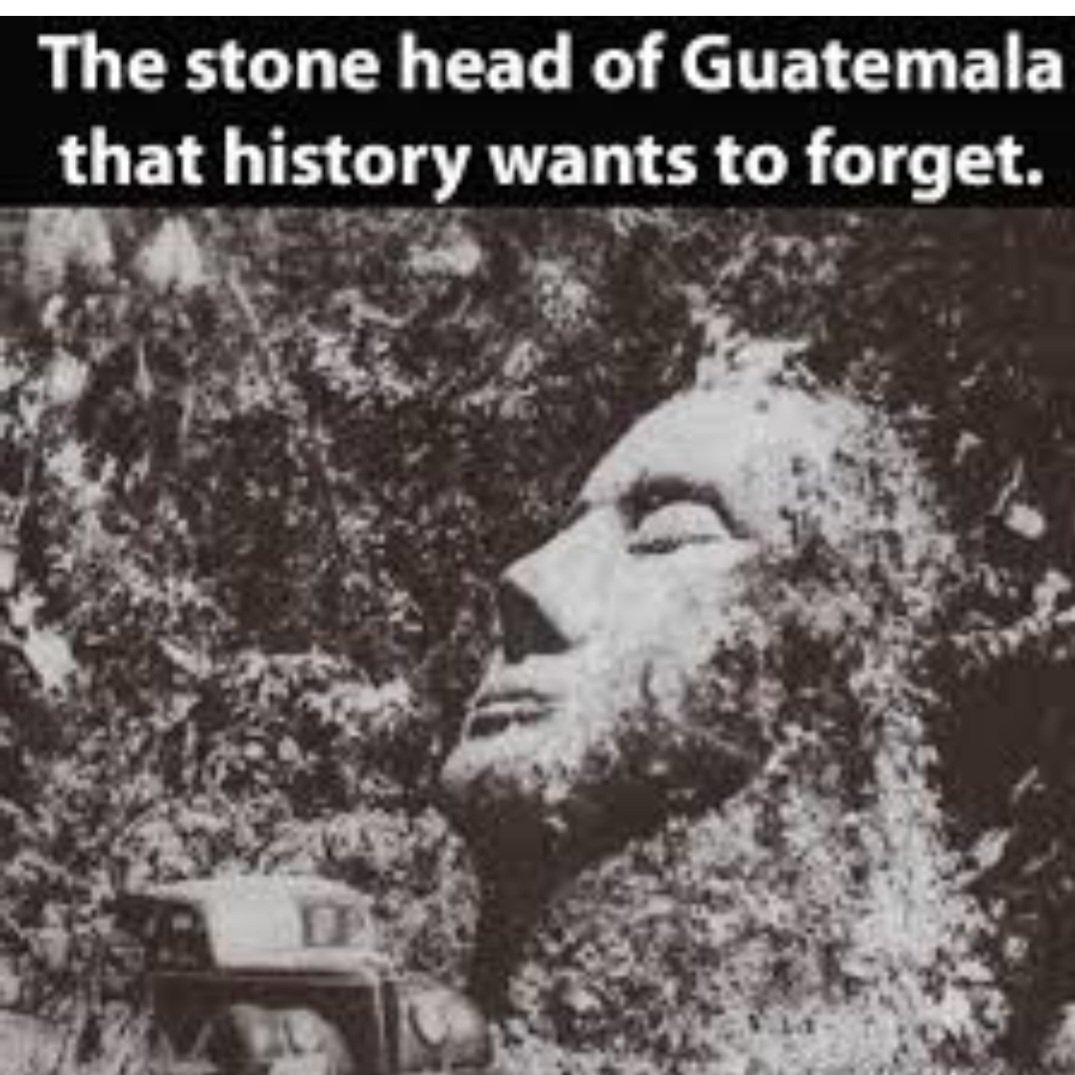
The stone head of Guatemala that history prefers to overlook. More than fifty years ago, explorers in Guatemala's dense jungles stumbled upon a huge stone head with distinctive features: thin lips, a prominent nose, and eyes gazing upwards. Unlike any known pre-Hispanic sculptures, this monolith displayed clear Caucasian characteristics, sparking immediate interest. However, the story of this mysterious artifact quickly faded from public memory.
The narrative resurfaced in 1987 when Dr. Oscar Rafael Padilla Lara, a philosopher and notary, received an old photograph of the head purportedly taken in the 1950s by a local landowner. The photo depicted the enigmatic statue nestled in the jungle. This find was briefly highlighted in the newsletter 'Ancient Skies,' catching the attention of explorer David Hatcher Childress. Motivated by curiosity, Childress traced the head’s location to La Democracia in southern Guatemala.
Upon arriving at the site, Dr. Padilla discovered that revolutionaries had used the head for target practice, causing severe damage. The destruction made further examination impossible, and the artifact slipped back into obscurity. Years later, the head featured in the documentary "Revelations of the Mayans 2012 and Beyond," controversially linking it to extraterrestrial contact, reigniting public interest along with skepticism.
Despite the controversies and doubts, the photograph’s authenticity and Dr. Padilla’s account remain unchallenged. This raises enduring questions about the stone head’s origins and creators. Was it an Olmec artifact or evidence of an unknown civilization? The mystery remains unsolved, waiting for a new generation of explorers to unveil the truth behind this ancient enigma.
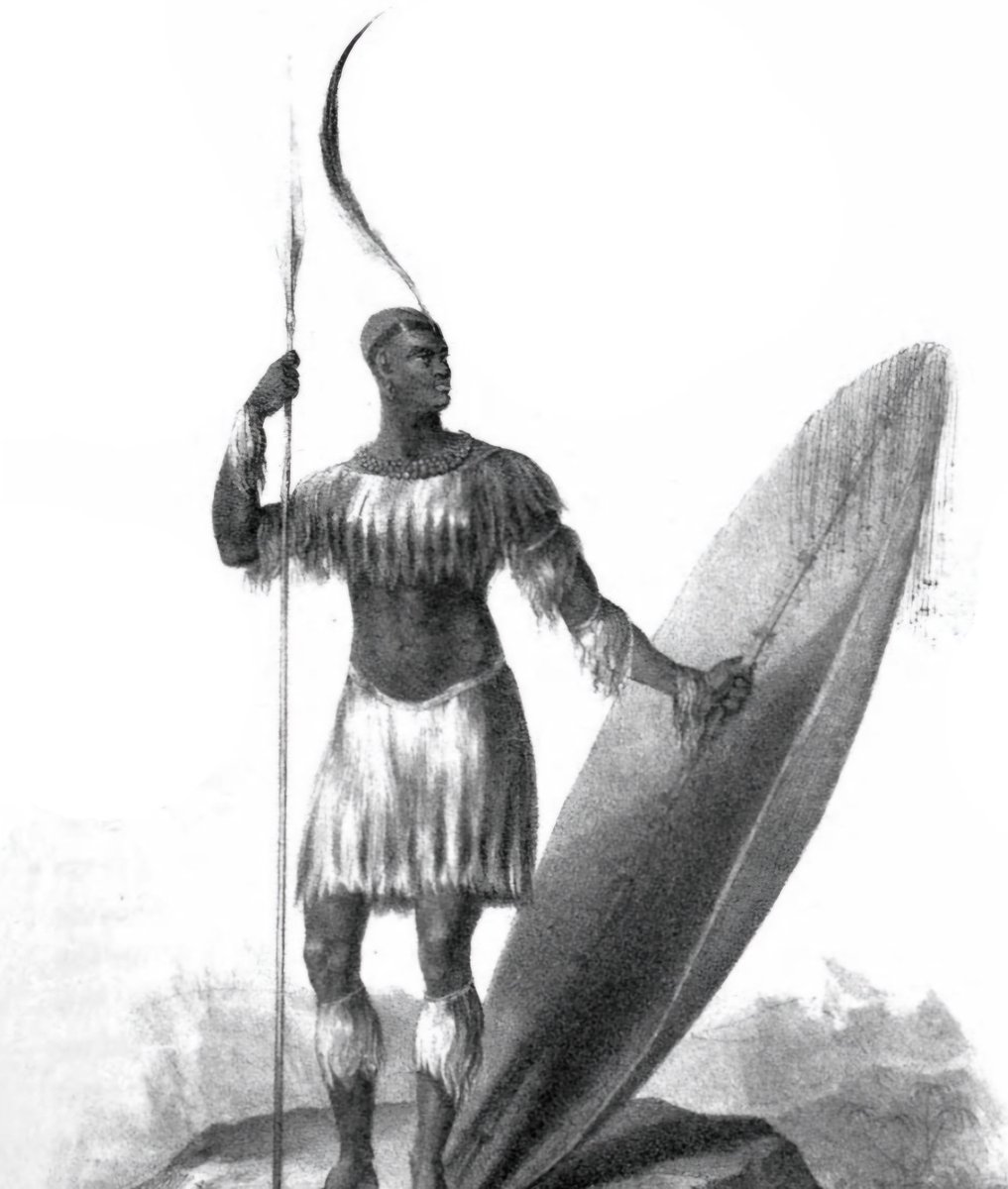
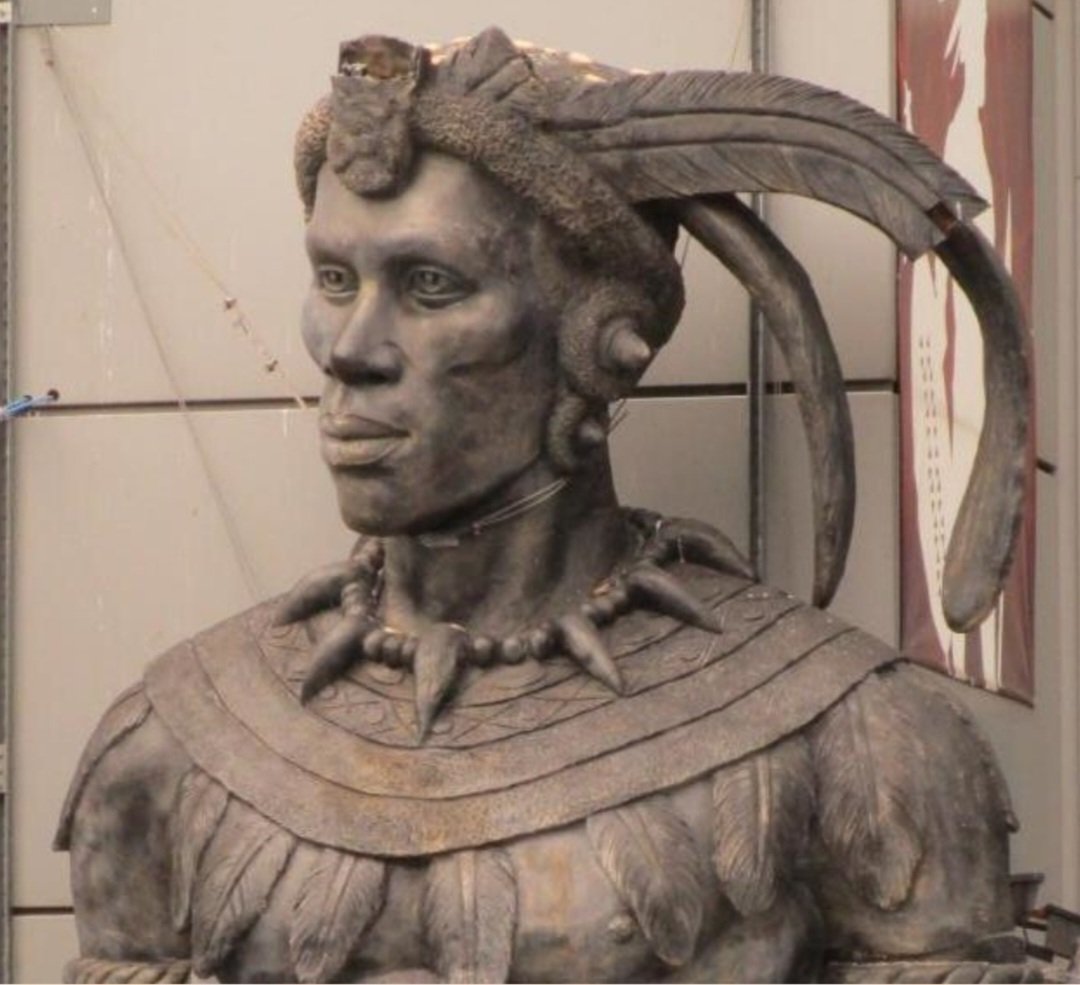
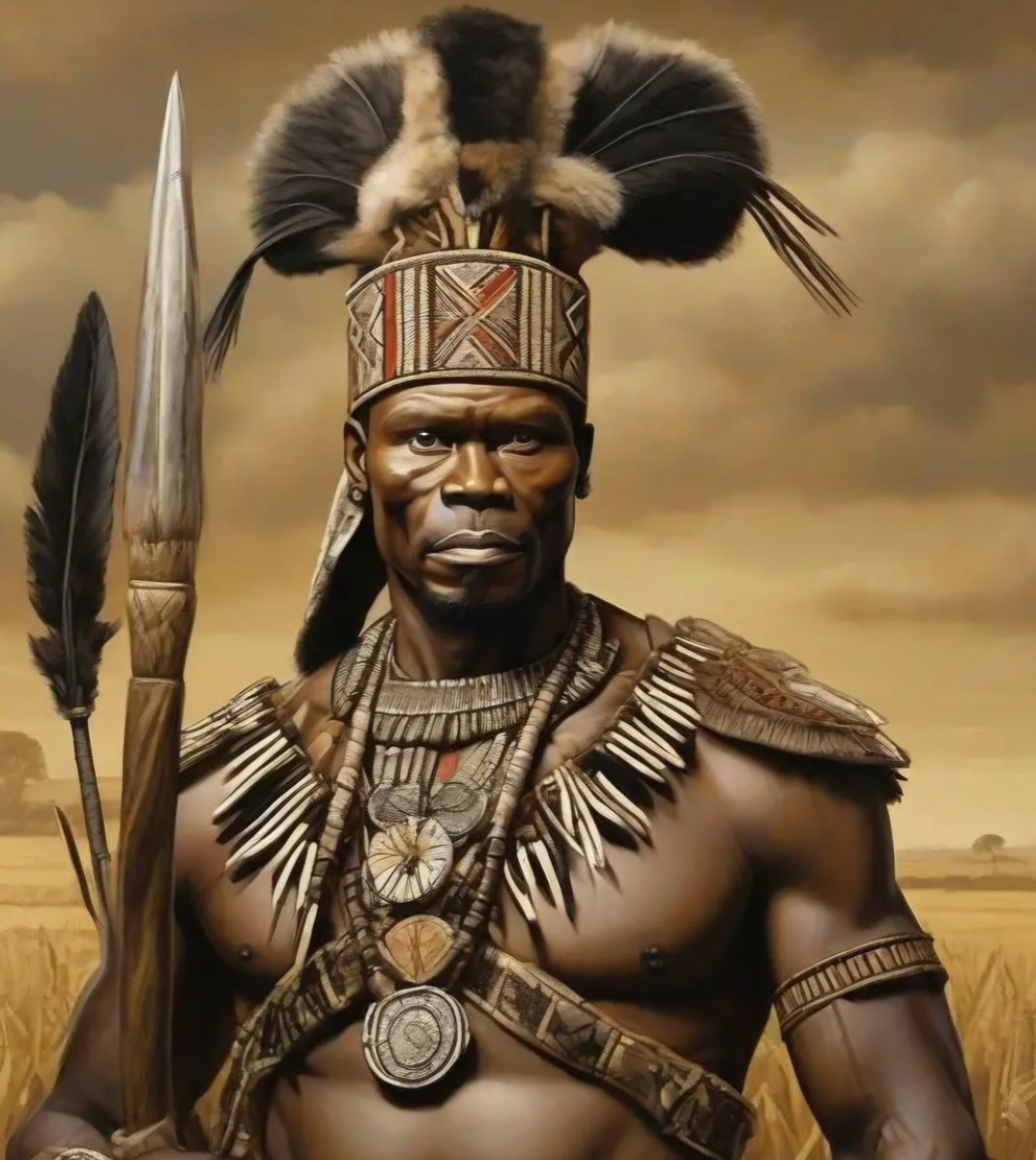
I am not a POC, but I remember as a little kid being SO fascinated by the TV mini series of Shaka Zulu that the story stuck with me all my life. Shaka's story of redemption and determination is one of the most inspirational stories I've ever read. I am kind of surprised there hasn't been a modern day remake of this story.
You don't know who Shaka Zulu was? Below is a brief description that doesn't really do him justice, please google him and read about his amazing life story,
Shaka Zulu was born around 1787 in the small Zulu clan of the Nguni people in present-day KwaZulu-Natal, South Africa. His father, Senzangakhona, was a minor Zulu chief, and his mother, Nandi, belonged to the Langeni tribe. Shaka's early life was marked by hardship due to his parents' separation and his mother's subsequent exile from the Zulu clan. Despite these challenges, Shaka grew up to become one of the most iconic and powerful leaders in African history.
Shaka became the leader of the Zulu clan after the death of his father, following years of service as a warrior under Dingiswayo, the chief of the Mthethwa confederation. His reign marked the transformation of the Zulu clan from a small community into a powerful empire.