Her skin doesn’t age; it accumulates. Yesterday I found three millimeters of grey limestone powder behind her left ear — the exact compression of a Tuesday afternoon in July. She didn’t look up from her vanity. “Don’t sweep it,” she murmured. “That’s the year we met in Prague.”
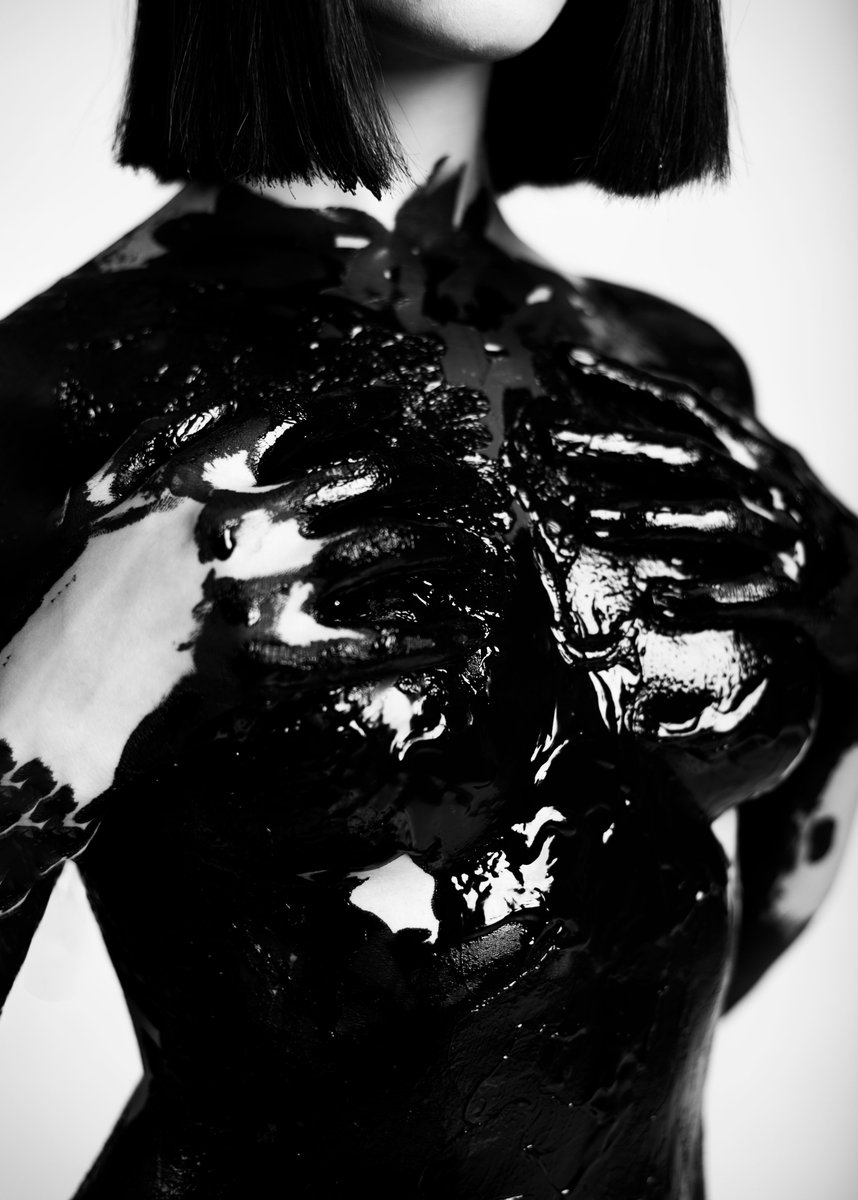
The invitations called for raw silk. She arrived wearing nothing but three gallons of unrefined lacquer. It took four hours to dry against her ribs, hardening into a brilliant, unyielding armor that smelled faintly of a luxury hotel immediately after a fire.
We found the sister under the frozen cistern, her hair locked into a flawless web of black ice. Her mouth was propped open with a silver thimble. The winter wind blowing through her teeth played a single, perfect note that kept the crows off the roof until March.
In this valley, you don’t build a fence to keep things out — you build it to give them a place to lean. Every November we leave a bowl of tallow-grease on the top rail. If the bowl is dry by dawn, the winter will be short, but someone’s firstborn will stop speaking.
The liturgy requires you to forget your mother’s middle name before the third candle burns down. If the memory remains, the deacon uses a small brass hook to peel the skin from the roof of your mouth. By dawn the basin was full of pink ribbons, and no one could pray.
The cradle didn’t rock — it vibrated. When the mother peeled back the wool flannel, there was no child. Just six inches of cold black well-chain coiled tightly, sweating rusted grease that smelled of old rain. She didn’t cry. She sat down and began to nurse it anyway.
She wore my mother’s old perfume and the dress I buried her in. We made love on the living room floor while the television whispered static. When I came she held my face gently and let her tongue—longer than should fit—slide behind my eye to stroke the optic nerve like a lover.
She wore my favorite black dress and kept smiling at me over candlelight. When she finally winked, her eyelid split horizontally instead, revealing a wet gold iris underneath, patient and unembarrassed, as if it had been waiting years to be introduced.
She spent the afternoon making her grandmother’s stew, the apartment thick with salt, onions, and something sacred. I bit down and cracked a silver baby tooth between my molars. She wiped the blood from my lip and whispered, “Now we’re family.”
We love walking past the abandoned asylum after dark. She always holds my hand tighter near the graveyard. I thought it was affection until tonight, when I looked down and realized grey soil was falling from her fingers, quietly rooting our hands together.
She whispered a secret against my ear, lips brushing softly enough to raise gooseflesh. It sounded like a promise of forever. But when she pulled away, the voice stayed behind—burrowing deeper into my skull, laying eggs somewhere dark.
The deep-sea camera didn’t find wreckage at the bottom of the trench. It found a colossal, perfectly smooth limestone staircase descending into the crust. On the third step stood my childhood bicycle, rusted with salt, its front wheel still spinning.
We slow-danced in the kitchen, her head on my chest. Her heartbeat was wrong—too slow, like something moving in deep mud. She looked up adoringly & whispered, “I kept your place warm for nine thousand years.” Her collarbone split, revealing the pulsing dark. I pulled her closer.
She challenged me to a rap battle in the middle of a snowstorm in Oslo. She stepped forward in a fur coat worth more than my bloodline and destroyed me in perfect iambic pentameter laced with quantum physics and generational trauma. The snow kept falling like it was taking notes.
I mistook her quietness for shyness. Animals never did. Sparrows landed in her palms. Stray cats slept at her door like disciples. One night I found her hovering perfectly still above the kitchen floor, hair drifting softly around her while the rest of the world stayed heavy.