Prompted fable 5.2 to create an animated contour map with morphing terrain and depth-of-field blur. Claude used a combination of blender scripts for the scene renders and EffectCraft mcp for glowing layers, vignette and film grain.
I prompted Opus 5.5 to download random photos and use PhotoCraft MCP to create a photo manipulation of a city. Claude decided to create a "drowned metropolis at dusk, with a colossal humpback gliding overhead past a blood moon".
I prompted Opus 5.5 to download random photos and use PhotoCraft MCP to create a photo manipulation of a city. Claude decided to create a "drowned metropolis at dusk, with a colossal humpback gliding overhead past a blood moon".
I’ve been testing VectorCraft, the Adobe Illustrator clone, through its MCP server. So I prompted Claude Opus 5.5 to create a phone wallpaper in the style of “The Great Wave off Kanagawa”.
Some observations:
Claude rendered the canvas after every stage and fixed what it saw.
Batches can be atomic, so one undo rolls back the whole batch.
VectorCraft takes raw SVG path data.
Gradients, blend modes and live effects all come through the MCP.
Claude Opus 5.5 built a System 1 / System 2 AI layer into re3, the reverse-engineered GTA III. Type an activation cheat and nearby NPC's become agents.
TypeSafe Jev makes the decisions like walk, run, fight, talk, or drive. GPT-4.1-mini writes everything agents say and think, and it takes over when Jev is unsure or an action is serious, like an unprovoked attack.
The bridge is a Python server the game talks to over local HTTP. Every second the game sends a snapshot of the street, and the bridge replies with what each agent should do, say and think.
Each agent has a name, personality and a plan in the city. It remembers what happened to it, who it trusts and what it was told.
Agents talk to each other, pass on gossip, and they answer when I talk to them. Ask one to drive you to the hospital and they get in the driver’s seat and take you there. Attack someone and witnesses may fight you or run to a payphone to call the police.
Astra automates Premiere Pro with an MCP bridge (CEP) and does the boring work: dropping in clips, cutting them, editing them together. It even ran Adobe Media Encoder. Huge time saver.
Simple and inexpensive ESP32 device. The manufacturer provides libraries and Arduino IDE examples. Here I used the built-in wifi to make API calls and display Muni bus routes.
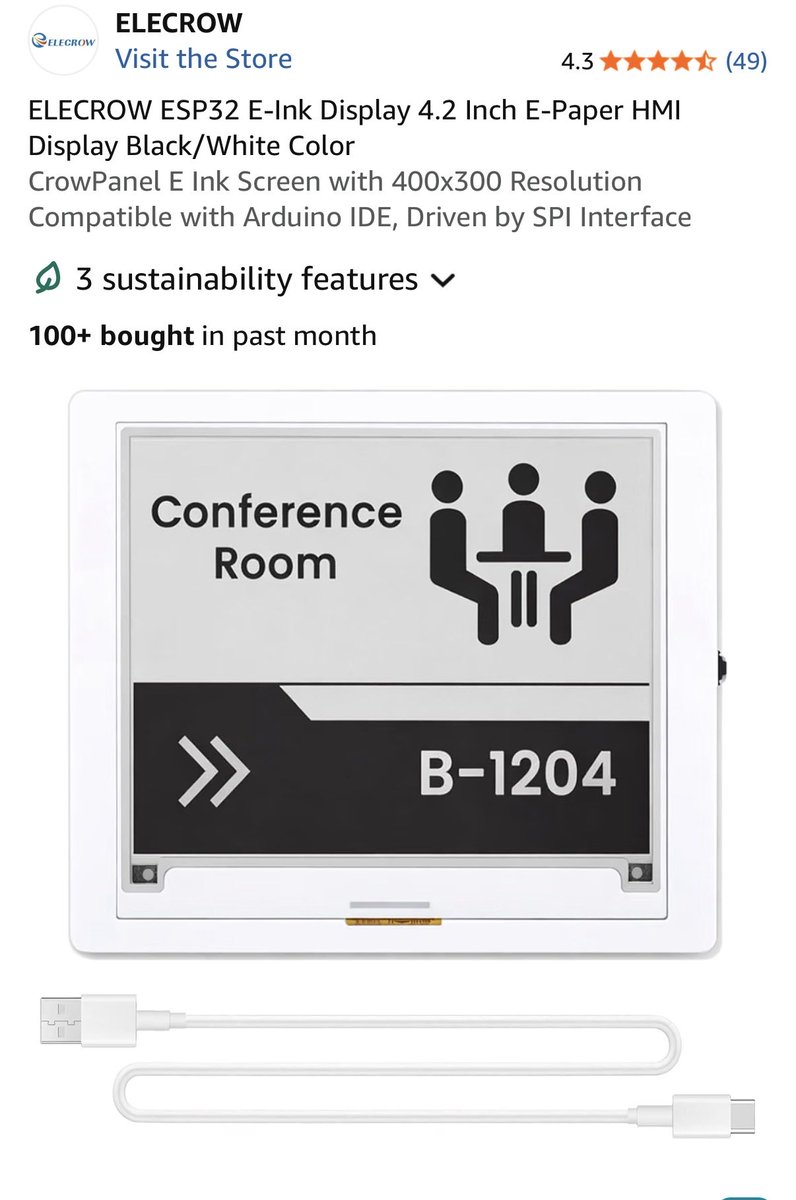
For example: digital signage. Digital signage is a huge industry, generally selling bad products with high subscription fees. Here’s a $40 e-ink ESP32 board with WiFi. You could make your own conference room digital signage solution with AI.
My local Mexican restaurant has digital signage with the prices updated with masking tape on the sign. 😀 Probably because the back end broke or they stopped paying the subscription.
AI is going to seriously disrupt crappy SAAS providers.
Seam carving: To narrow a photo without squashing anything, delete one wandering line of pixels at a time, routed through whatever matters least. It was slow because it kept notes on the route as it went; not storing which way each step came from and working it out backward afterward was the single biggest speedup, and the output is identical either way.
compositing algorithms
A Laplacian pyramid: Blur an image and you lose the fine detail. Keep that lost detail at every zoom level and you can add it all back to get the original exactly, which is what a Laplacian pyramid stores. The fiddly bit is odd numbers: halve a row of seven, and you get four, but four can double back to seven or eight, so the code has to be told which one you meant.
Reinhard color transfer: Take the average color and the amount of color variation from one photo and adjust another photo's colors until they match, which is just matching a mean and a standard deviation per channel in Lab. The video shows the product's pixel cloud drifting across a chart until it sits on top of the scene as you turn the strength up.
React furniture catalog that renders models with studio lighting, on-model dimensions, fabric colorways, and view-in-your-room AR.
Asset pipeline: Blender decimates each mesh and scale-corrects it to real meters against Poly Haven's dimensions. gltf-transform then compresses geometry with Draco and textures with KTX2, forcing ETC1S on every slot so the VRAM win survives a small download.
The frontend is a poster grid, one WebGL context per page, with dimension hotspots, GPU-free luminance-preserving colorways, and AR through the model-viewer's native button.