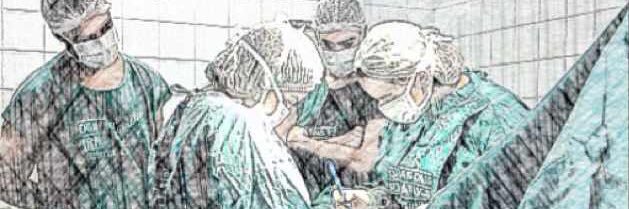
🚨🔥HOT OF PRESS🔥Just check how we integrated #cryobiopsies & Lung Transplants in this interventional surgical trial!! Defining Optimal Settings for Lung Cryobiopsy in End-Stage... : Journal of Bronchology & Interventional Pulmonology https://t.co/8lXNR6WmGB
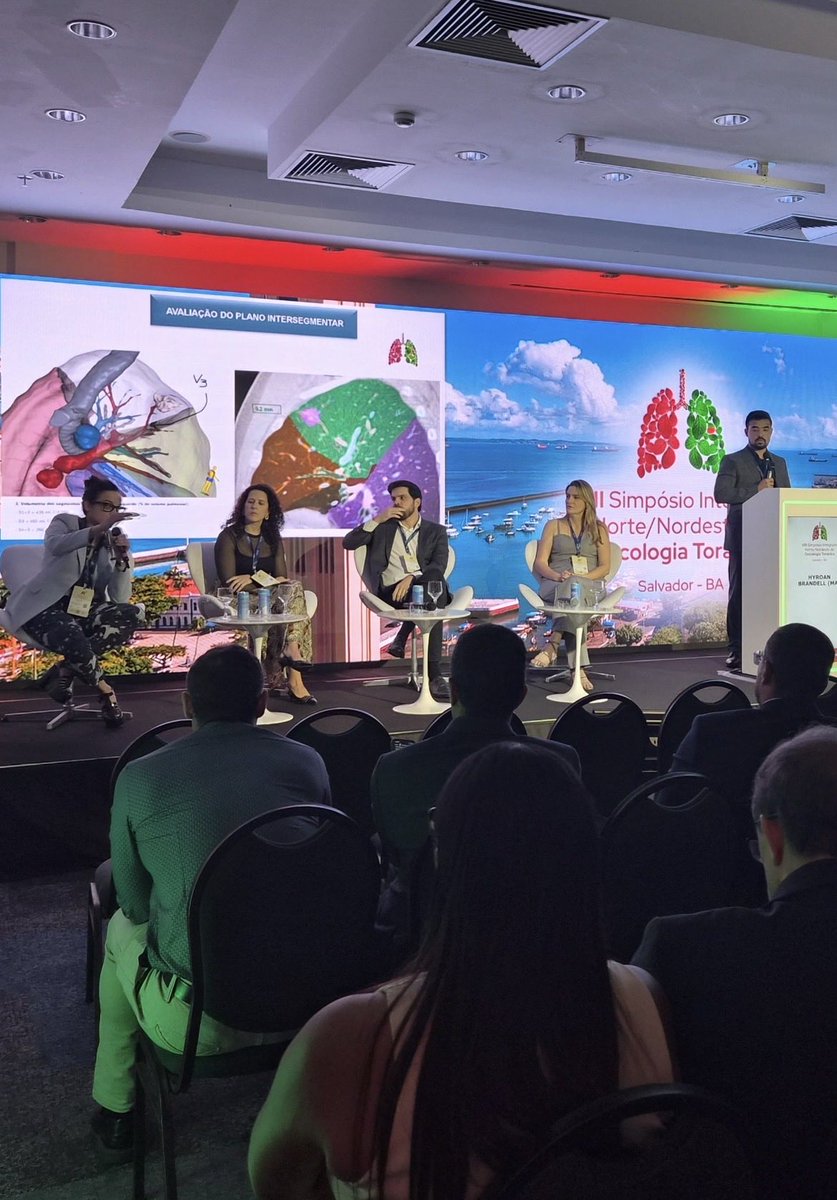
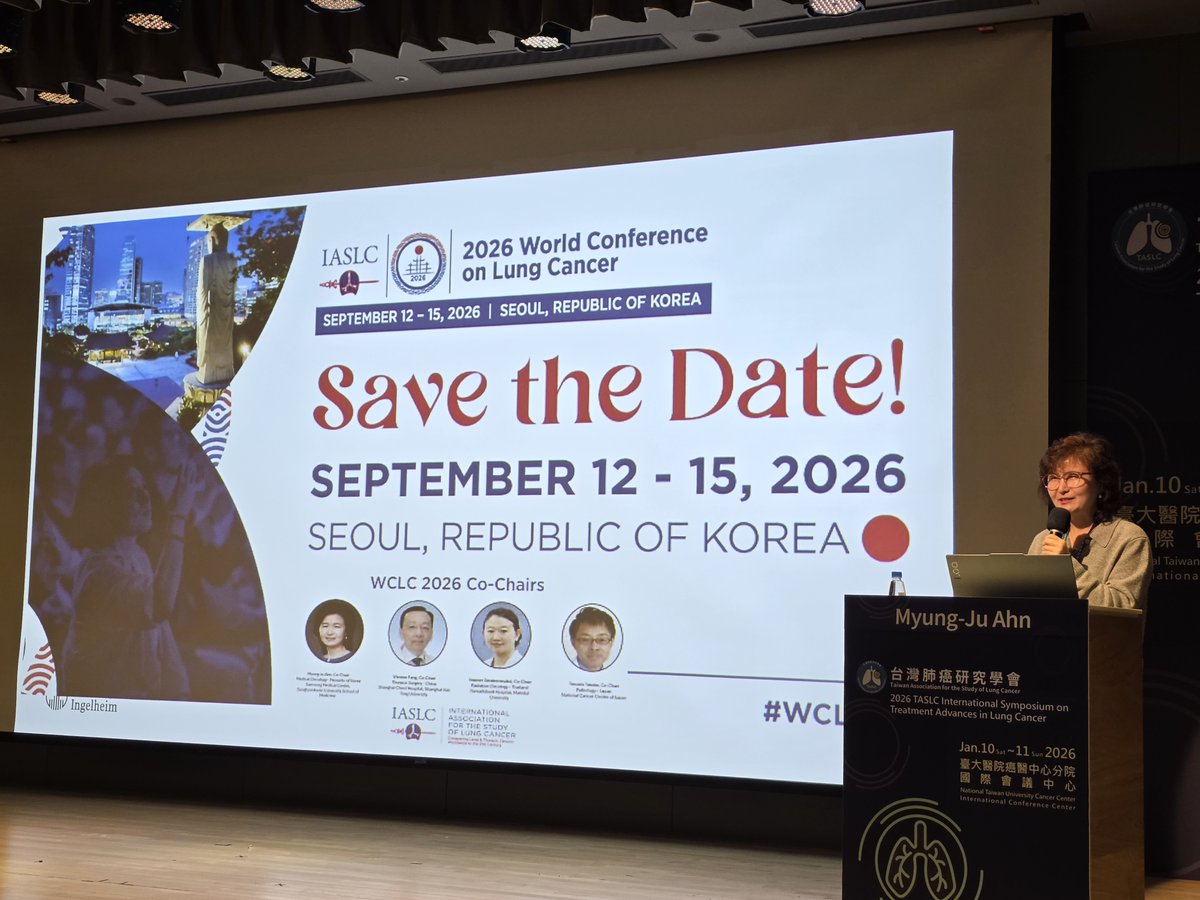
Happy to visit South Korea for the #WCLC2026. Happy to see everyone from my thoracic oncology community. Thank you so much @IASLC for the appreciation and looking forward to see the best of Seoul including the endoscopy, robotics, AI-assisted diagnostic devices & food🤩.
For every Black woman who has ever wondered if she belongs in neurosurgery — this is what it looks like when you do.
Dr. Odette Harris, MD, MPH, Professor of Neurosurgery at Stanford School of Medicine and Director of the Stanford Brain Injury Program, is a global leader in traumatic brain injury care, research, and rehabilitation. With more than 25 years of distinguished service, her work continues to advance both the science of neurotrauma and the pursuit of health equity in neurosurgical care.
Her impact is both clinical and cultural. As the Paralyzed Veterans of America Endowed Professor of Spinal Cord Injury Medicine, she made history as the first African American woman in neurosurgery and the first woman at Stanford to receive this honor — a testament to her excellence, leadership, and enduring influence.
Her extraordinary contributions have earned national recognition, including the establishment of the Odette Harris Lectureship by the Congress of Neurological Surgeons — an honor reserved for leaders whose work has transformed the field.
Because when one Black woman rises in spaces like this, she doesn’t just take a seat at the table — she expands it.
At the American Society of Black Neurosurgeons, we proudly celebrate trailblazers like Dr. Harris who embody our mission as The Home of Black Neurosurgical Excellence — advancing leadership, research, and equitable neurosurgical care worldwide.
#WomensHistoryMonth #WHM #ASBNOrg #Neurosurgery #ASBNConnects #BlackWomenInMedicine #BlackExcellence
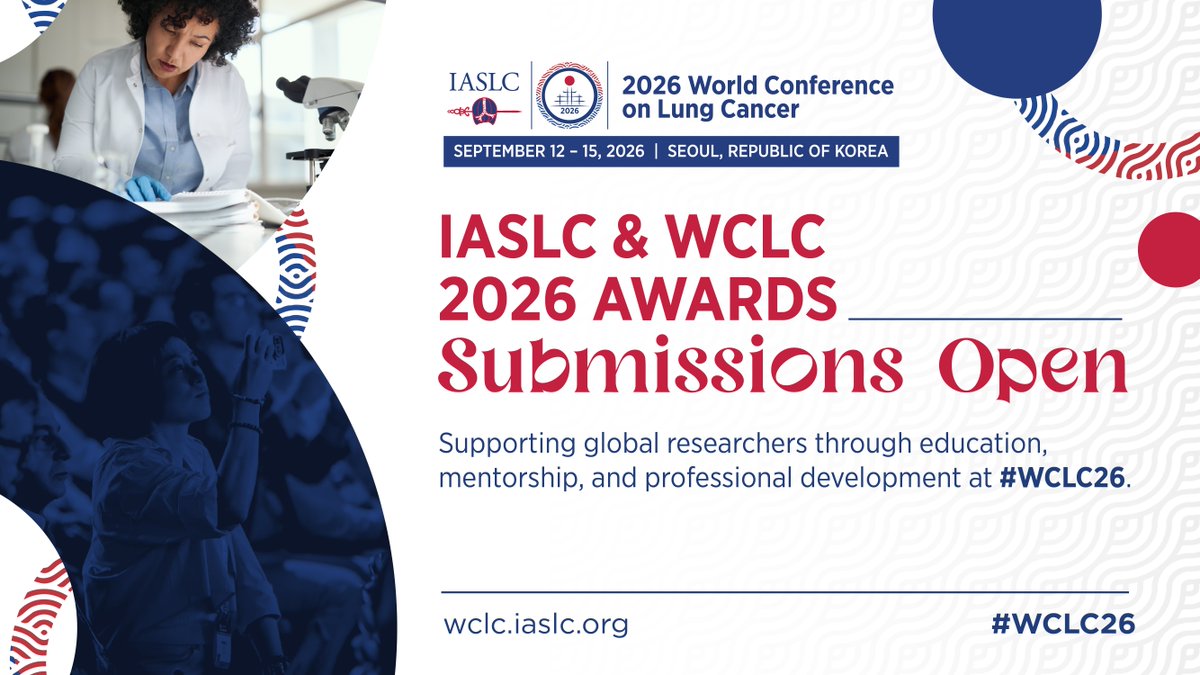
Looking for support to attend #WCLC26 in Seoul?
Explore IASLC opportunities open now:
🔹Early Career Education Awards
🔹Developing Countries Awards
🔹Nurse/Allied Health Awards
🔹Tobacco Control Awards
🔹IASLC Mentorship Program
🔹Reviewer Workshop
🔹Patient Advocate Awards.
Learn more & apply: https://t.co/HHpWAyCWyq
When you operate bad lung diseases in children your focus on daily setbacks or adulthood problematic switch easy to gain small battles and evolve step by step.
A Brazilian scientist worked in silence for 25 years on something medicine said was impossible: regenerating the spinal cord.
Dr. Tatiana Sampaio extracted a protein from placentas that acts as "biological glue" — recreating the conditions that let embryonic neurons connect.
Six patients with complete spinal cord injuries regained movement.
Bruno Drummond was tetraplegic after a car accident. Two weeks after treatment, he moved his toe. Today he walks, climbs stairs, dances.
Her quote when asked why she finally went public:
"I no longer have the right to be conservative."
25 years. No social media. No self-promotion. Just the work.
This is what real science looks like.
Patients with unverified lung lesions should not be excluded from #LTx, as only a small proportion of them are malignant. Long-term survival is unaffected, even in case the histology proves an early-stage lung cancer. 🫁
🔗: https://t.co/GoJ2VmbmIU
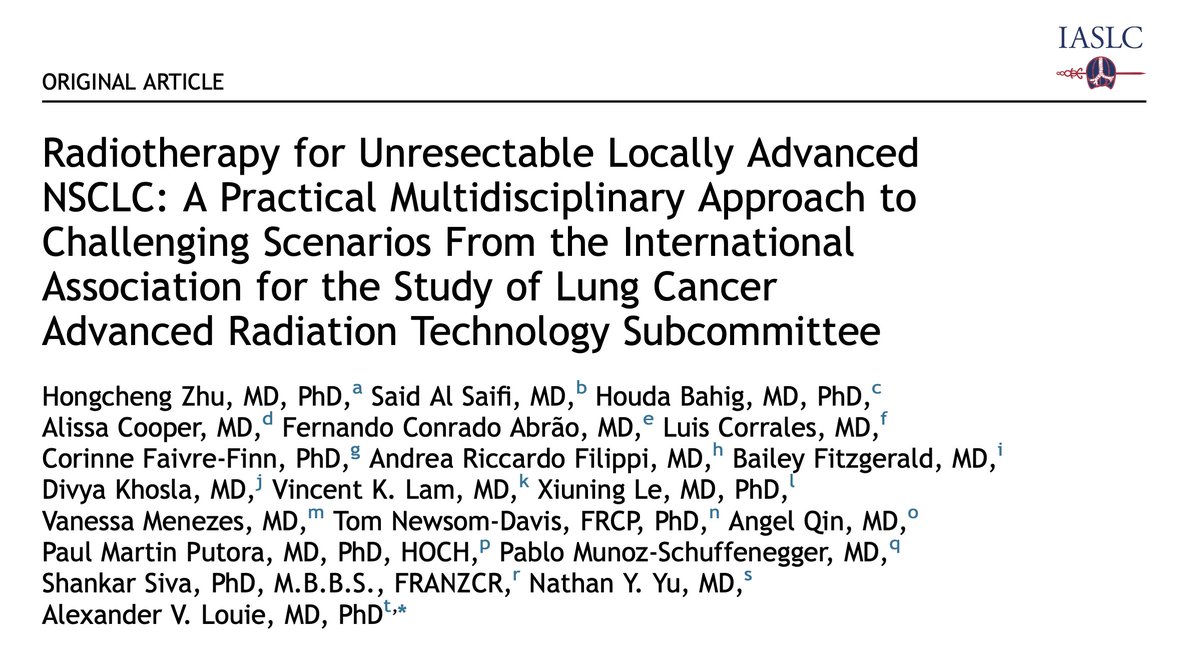
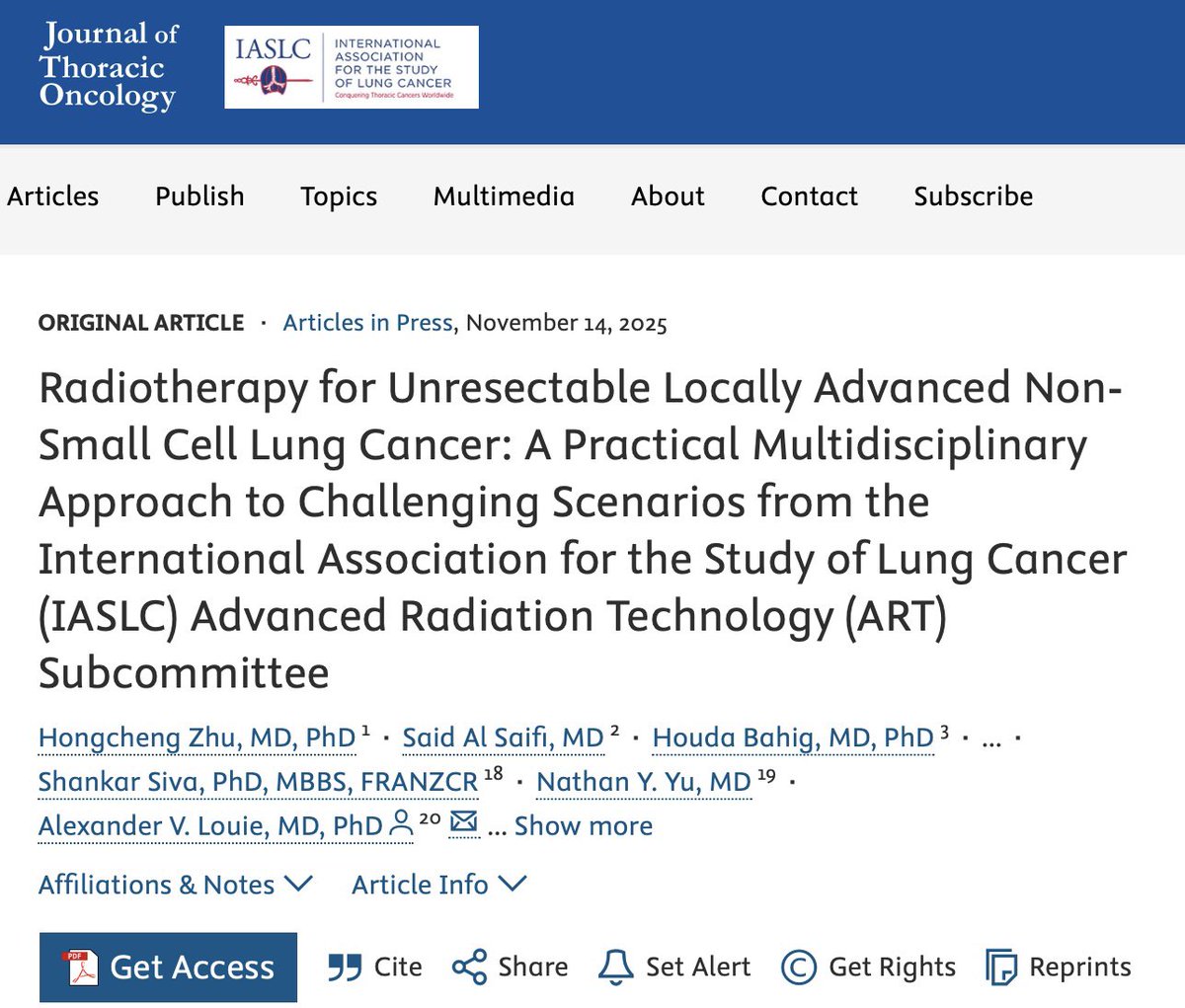
Practical approaches to learn from the 5 cases of #LA-NSCLC, which may inspire more thoughts in the future management
Thanks for the strong support from MCSC & ART Subcommittee of @IASLC, and great leadership of @DrAlexLouie
Team work & collaboration are essential in #MDT 🫁
From @DrHongchengZhu and the @IASLC Advanced Radiation Technology (ART) subcommittee - Practical management of 5 unresectable locally advanced NSCLC cases here ➡️ https://t.co/o1I5Lt6jAr a☢️🫁🧵...
The @IASLC MCSC & ART has just published the practical approach for unresctable LA-NSCLC in @JTOonline! We provides 5 cases representing challenging scenarios for multidisciplinary discussion, inspiring best care for thoracic tumor boards.
Read more 👉 https://t.co/sW0BThq5AK
Lung cancer is the #1 cancer killer of men and women in the U.S.—smokers and non-smokers alike. Kills >70k women/
Year vs ~40k with breast cancer.
Unlike breast or colon cancer, we still use highly exclusive guidelines that assume only heavy smokers are at risk.
Every day:
• Never-smokers
• Young women with young families
• Minorities and others
…are dying with advanced lung cancer because they were never eligible for screening.
Our new @JAMANetworkOpen study shows: current screening is ineffective and misses most cases. But age-based screening would catch ~94% of lung cancers, reduce disparities, and is cost-effective.
If we’re serious about saving lives and achieving health equity, it’s time to fix lung cancer screening urgently.
#LungCancer #HealthEquity #Women #Minorities #EarlyDetection
https://t.co/fqBGylp9wY
A novel method to diagnose pulmonary hypertension before major pulmonary surgeries, the PAPUS paper. Thank you to our interventional pulmonology colleagues for their collaboration. https://t.co/YVP7rbGabq
Specially where 🌎 🌍 there are some limitations for PET-CTs, as predominance of granulomatosis/inflammatory diseases or when the exam is not largely available.
Reserve mediastinoscopy for cases w discordant CP-EBUS-to-imaging results (eg, nondiagnostic CP-EBUS of large or FDG-avid lymph nodes in a ⬆️-risk patient) or suspicious findings not thoroughly sampled by CP-EBUS.
@AAB_IP : https://t.co/SDHM4ZgG5Q
Nice N-American guidelines about mediastinal staging in the context of #lungcancer but would be great to hear the rest of the world impressions about it.