🌏🍄🧬 It's time to integrate fungi into ecological modeling and conservation planning! We identified the factors driving soil 🍄 α, β, γ, phylogenetic, and 8 ecological groups' diversity and build their global maps. Paper link below.
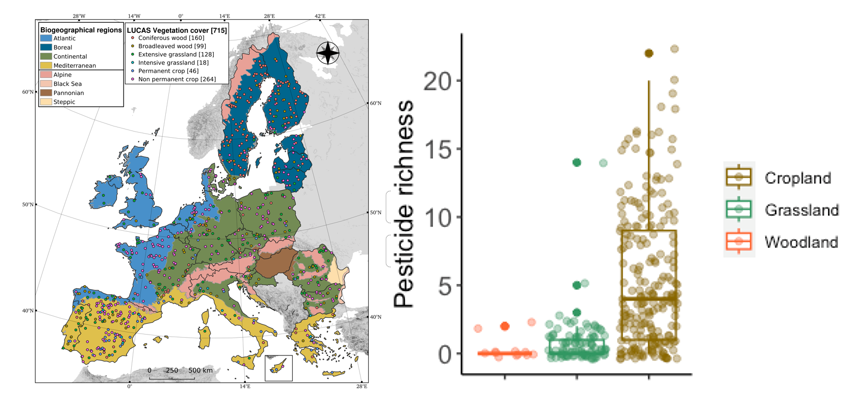
Some further reflections on our recent findings that 70% of the soils in Europe contain traces of pesticides and that pesticides have a major impact on soil ecosystems and soil biodiversity:
https://t.co/HMloOtI8IE
1) our study demonstrates that pesticides have a clear impact on soil biodiversity and are a major disturbance to soil ecosystems (some organisms benefit, like a range of bacteria, while others are suppressed (like beneficial mycorrhizal fungi)
2) a wide range of pesticids are very persistent in soils and can stay there for years, even decades. Many pesticides are much more persistent as their half-life time indicates.
3) Unfortunately, many pesticides are not very specific and not only target pests but also other organisms including several beneficial soil organisms (such as mycorrhizal fungi).
4) if a farmer sprays pesticides, large amounts (up to 70%) do not only reach the targeted pest, but fall on the soil or end up in the air.
5) If we had used more sensitive methods, probably 90% (or more) of the tested soils in Europe contained traces of pesticides. We do not see them, but they are there.
6) There is a good reason why pesticides are so widely used. Many of them can effectively combat diseases, pests or kill weeds. It is important to know that for many crops there are disease resistent cultivars available (such as fungi resistance grape cultivars). If farmers would grow such resistent cultivars or have more extensive crop rotations, they can drastically reduce pesticide use which also can save money because pesticides are not always cheap. It is important that consumers buy such resistent cultivars and support organic farmers or farmers with integrated production aiming to lower pesticide use.
7) organic farmers also use specific pesticides (natural substances allowed in organic farming). Farming is about producing enough food, so pests need to be suppressed.
8) Pesticides are very regularly detected in streams, rivers and even in our drinking water. Some are linked to human diseases.
9) in Switzerland the governmental agencies have banned many pesticides considered to be toxic or risky (over 225 substances have been banned in the last 20 years).
10) other farming practices like tillage or fertilisation also have a big impact on the soil ecosystem. The difference with tillage is that the soil can recover, while some pesticides, once applied stay in the soil for decades. It is not well understood and investigated what these traces are doing. Are they simply sitting there (covered within aggregates) or are they "silent" background actors that influence soil biodiversity and soil functioning?
11) Pesticides are an integral part of agriculture in many parts of the world. I (MH) personally do not understand it why (big) companies still sell specific synthetic pesticides (e.g. in Africa) that have been banned in many countries and where risk assessment procedures in different countries (and by various independent organisations) show clearly they are problematic for humans or for the environment. Several of these companies are very succesful and have many other succesful products. Hence, is it really worth the money?
Our new paper is out in @Nature
Pesticide residues alter taxonomic and functional biodiversity in soils
Largest in field assessmnt of the effects of pesticides on soil life🧬🇪🇺🦠🍄
https://t.co/YntSRPWkYr
🦠🧬🌱 Aarhus University’s department of agroecology (Denmark) invites applications for a #Postdoc in plant-microbe interactions & microbial ecology (2025-2028). Ideal candidates hold a PhD in microbial ecology, bioinformatics, or related fields.
https://t.co/qJMw6gdiSZ
🍄📖 Does publishing in high-impact journals lead to more fungal species discoveries? Think again! Our research found that low or even no-impact factor journals contribute significantly! 1/2
New free dataset available on
@EU_ScienceHub soil data centre🗣️
💊Antibiotic resistance and biosynthesis genes in >600 🇪🇺 soils🤎
Download➡️https://t.co/09C8ebaE3b
Full article➡️ https://t.co/Ds9S2H1vZV
EUKARYOME 1.9. - a new release available. Special release for long-reads targeting AM fungi (Glomeromycota + Mucoromycotina) and dark taxa (undescribed fungal lineages) with alphanumerical codes: https://t.co/2HRvWznjOA
#IMC12#AMF#fungi
eDNA-classical mixed phylogenetic classification framework reveals novel families and orders in arbuscular mycorrhizal fungi - Glomeromycota and Endogonomycetes. An example of using eDNA and long reads in typification. https://t.co/mgFglSmItl
#IMC12
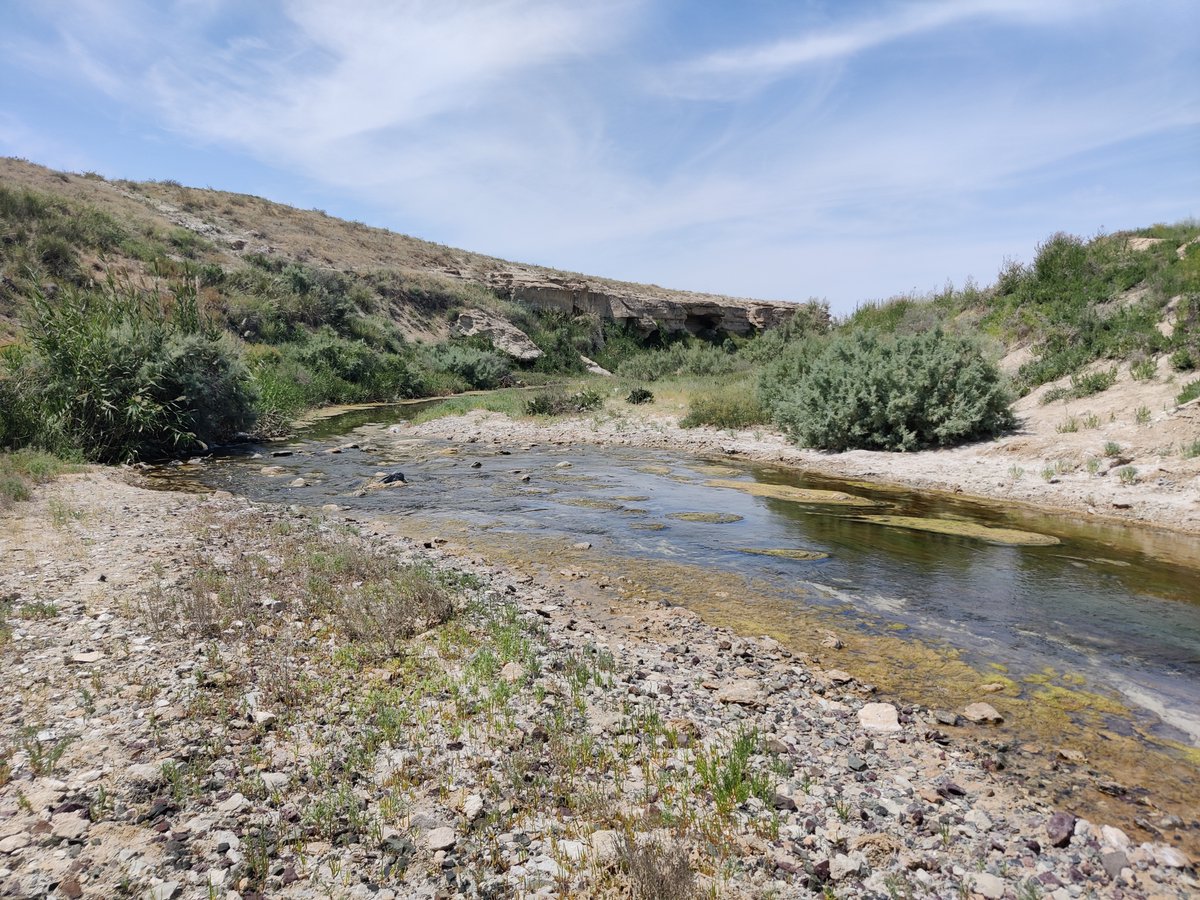
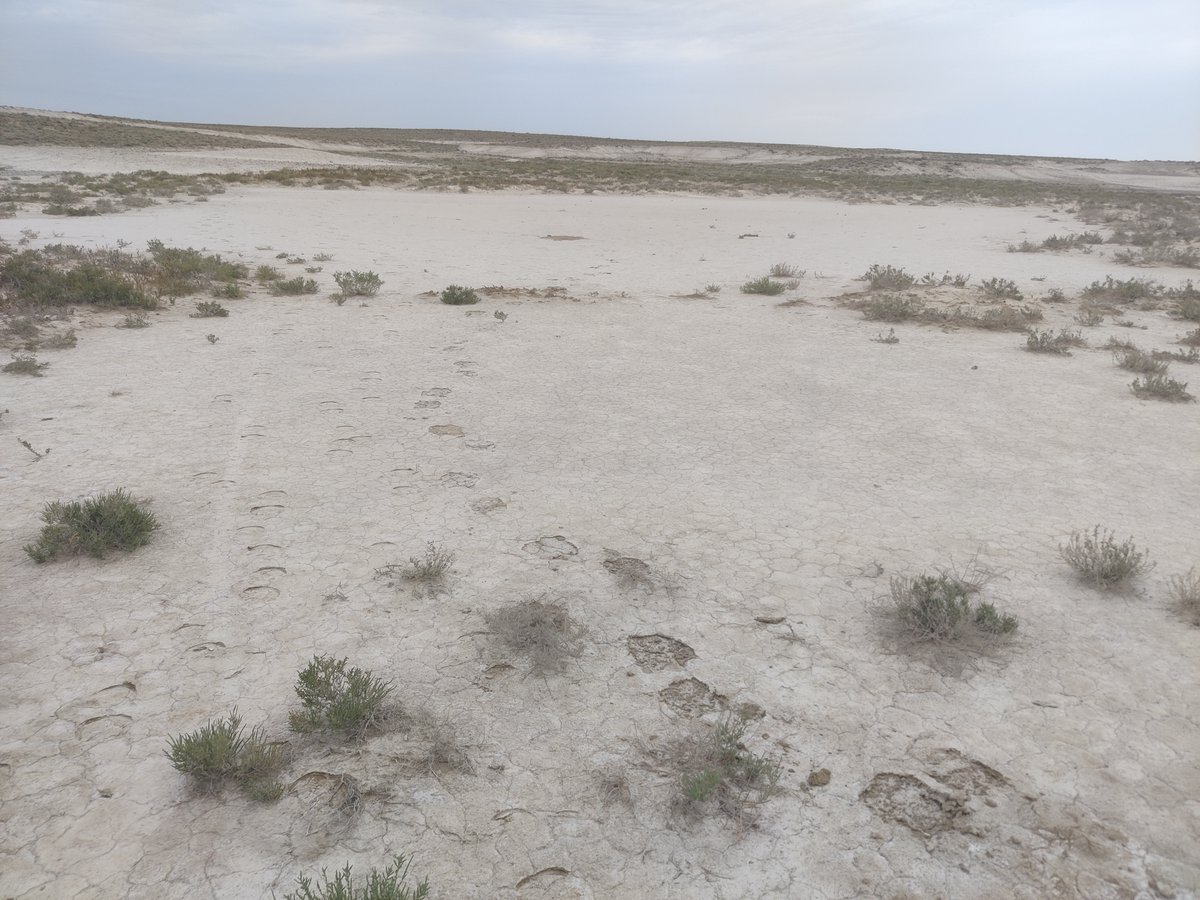
🚨@FunAqua_EE collection has been replenished with samples from the salty rivers and lakes of West Kazakhstan deserts and the largest and sixth oldest inland body of water on Earth - the Caspian Lake 🏞️🦠✨ Stay tuned for amazing discoveries! #Aquatic#Fungi#Biodiversity
🚨 Exciting News! 🚨 GSMc, FunLeaf, & FunHome have received samples from Kazakhstan! 🌍 Get ready to explore the fascinating fungi of the Mangyshlak and Ustyurt salty deserts, as well as the Kazakh part of the Tian Shan mountains. 🦠✨ #Science#Research#Fungi#Biodiversity
🌍🧬 New Paper Alert! 🚨 We examined genes for antibiotic synthesis & resistance in 🇪🇺 LUCAS soil metagenomes as functional traits. Our study shows these traits are linked but primarily shaped by the environment to be functional and advantageous.