@ESC_Journals@VranckxPascal@cvrints Very nice editorial and interesting new issue!
Congratulations and good luck to @VranckxPascal for this important milestone.
Sure that he with the new editorial team will do a fantastic job for the journal and all the readers!
15. The issue is completed by an important #COVID19 paper:
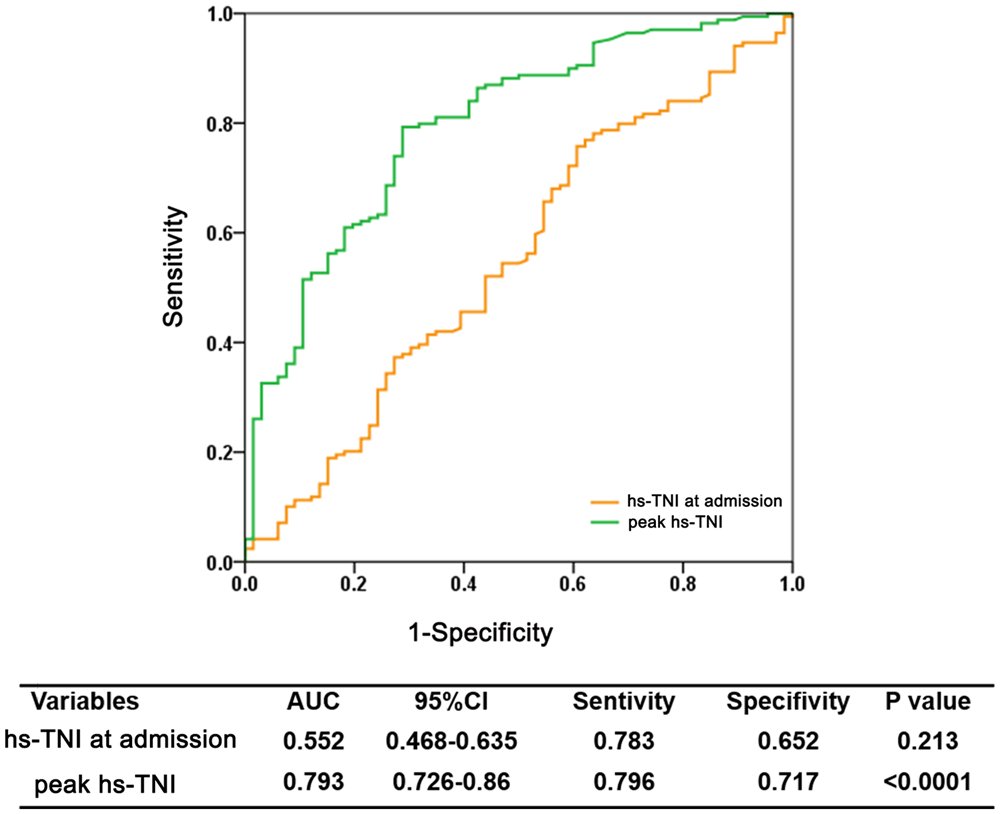
A study from Wuhan showed that peak levels of high sensitive troponin I and not admission levels predict in-hospital mortality in #COVID_19 patients with cardiac injury https://t.co/U4cB5iflOE
#EHJACVC
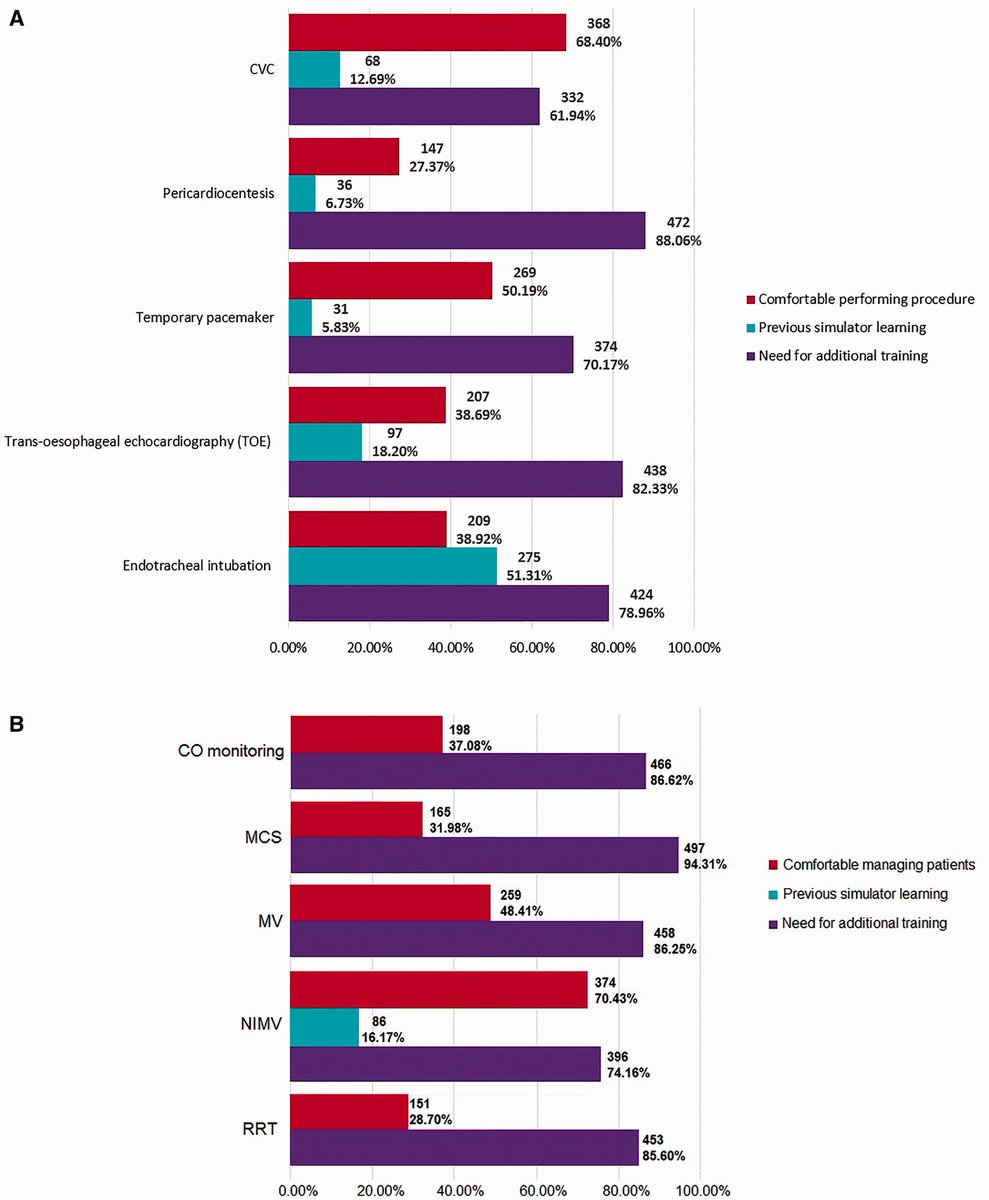
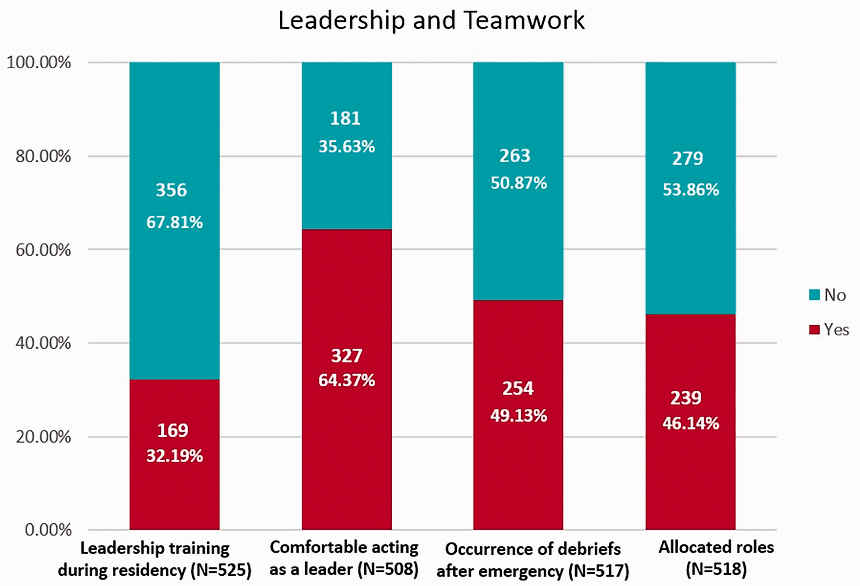
14. The third one is an excellent young #ACVC_ESC initiative evaluating the current status of #AcuteCardiovascularCare training in Europe:
Current status and needs for changes in critical care training: the voice of the young cardiologists https://t.co/87VDZeuT5h
#EHJACVC
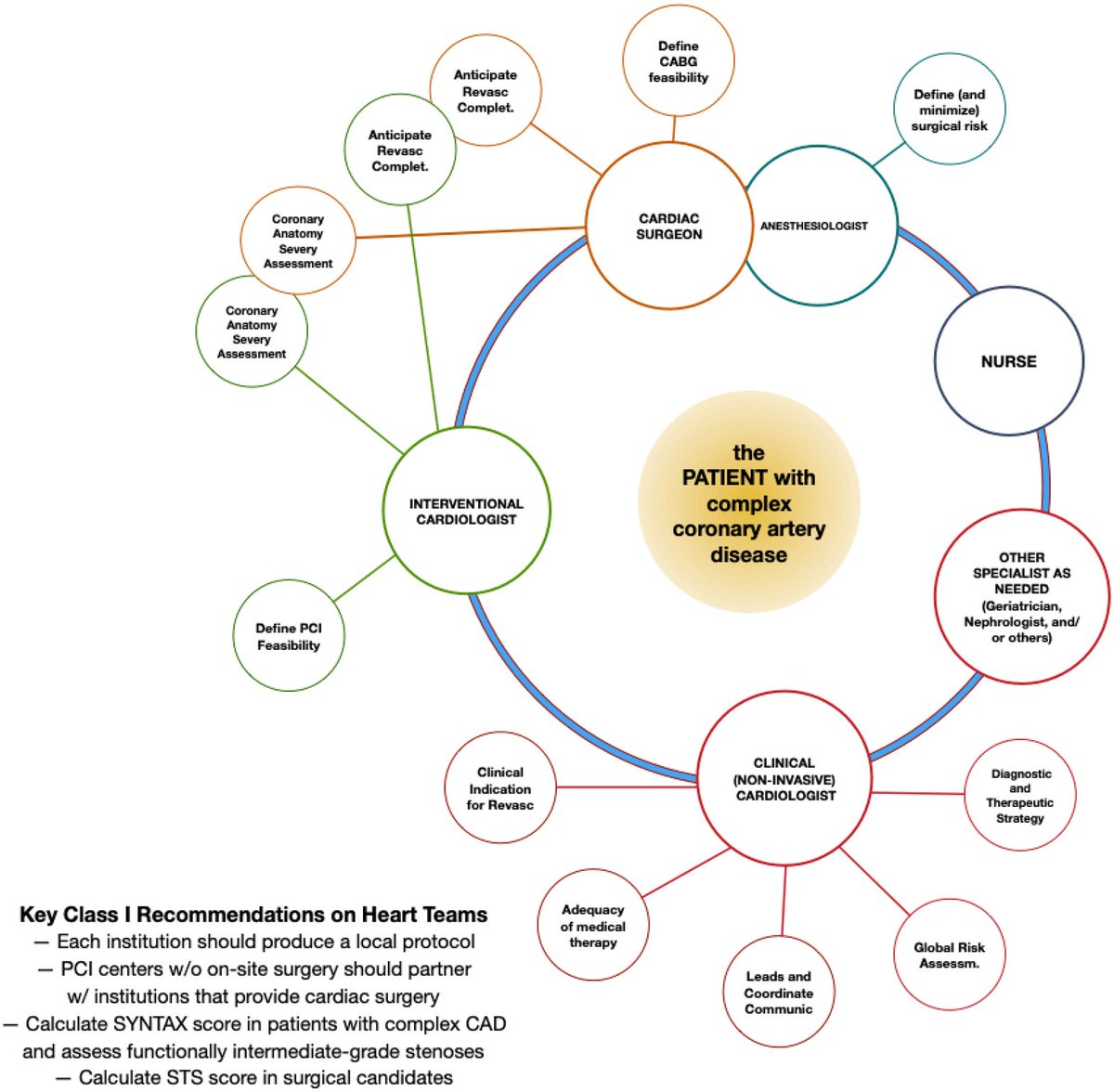
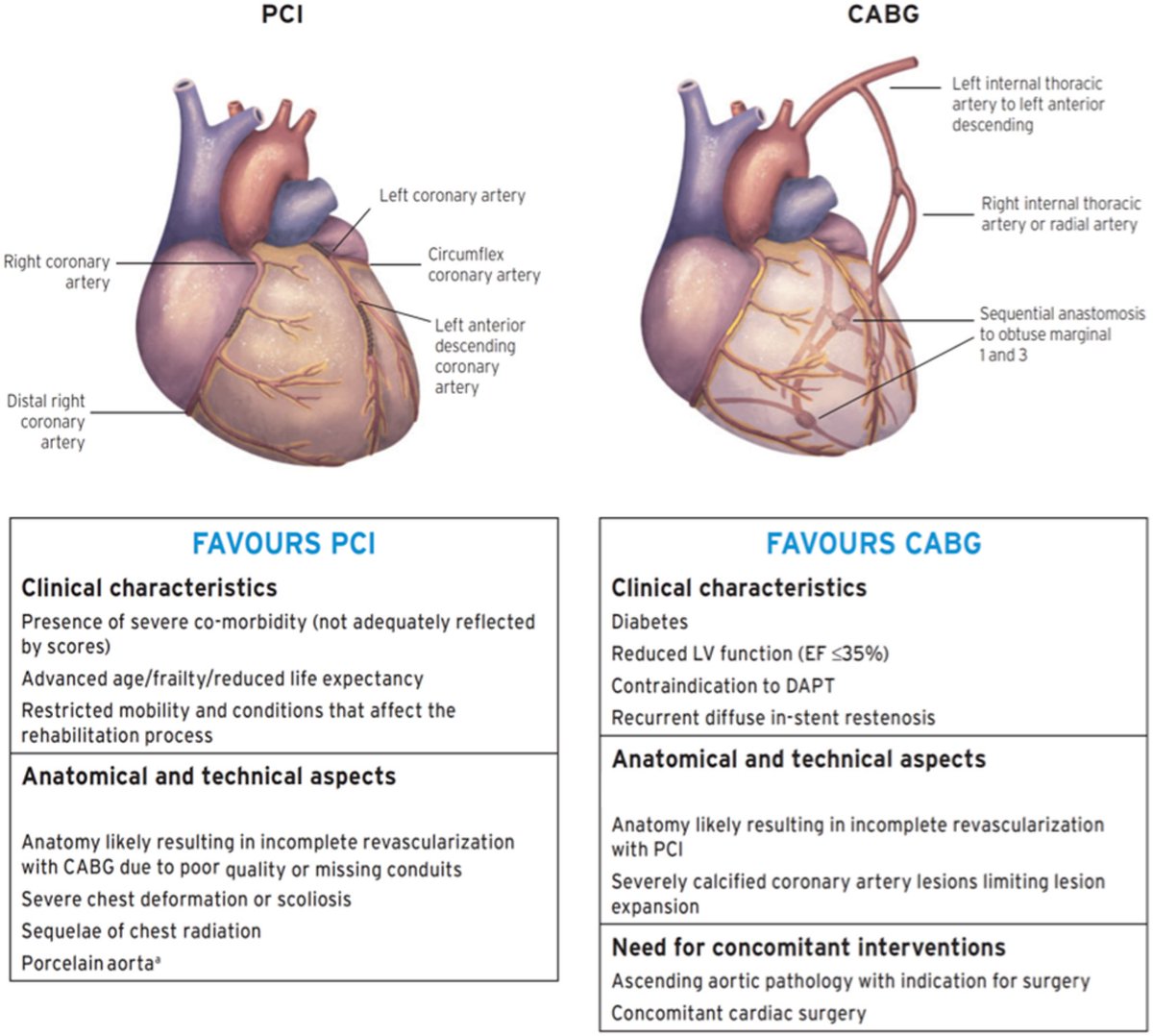
13. The second position paper deals with the composition, structure and function of the #HeartTeam: a joint position paper of @escardio#ACVC_ESC#EAPCI@EACTS and @EACTA focusing on the patient with complex CAD requiring revascularisation https://t.co/juFvgRJDCz
#EHJACVC
12. The issue also features three excellent reviews and position papers:
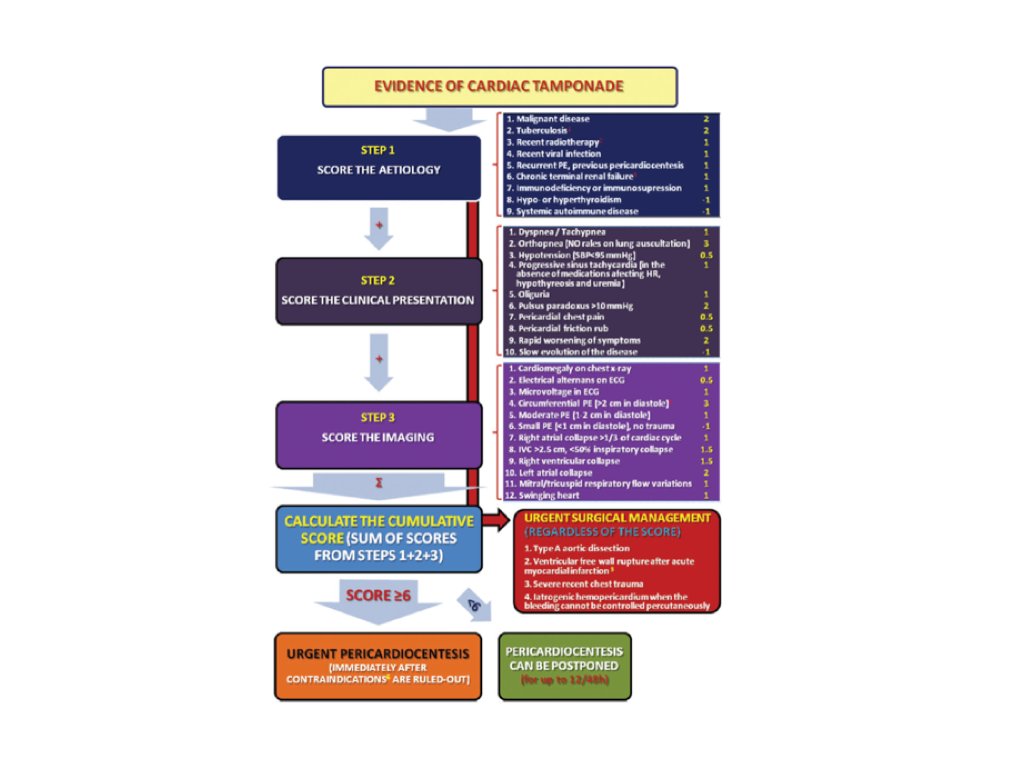
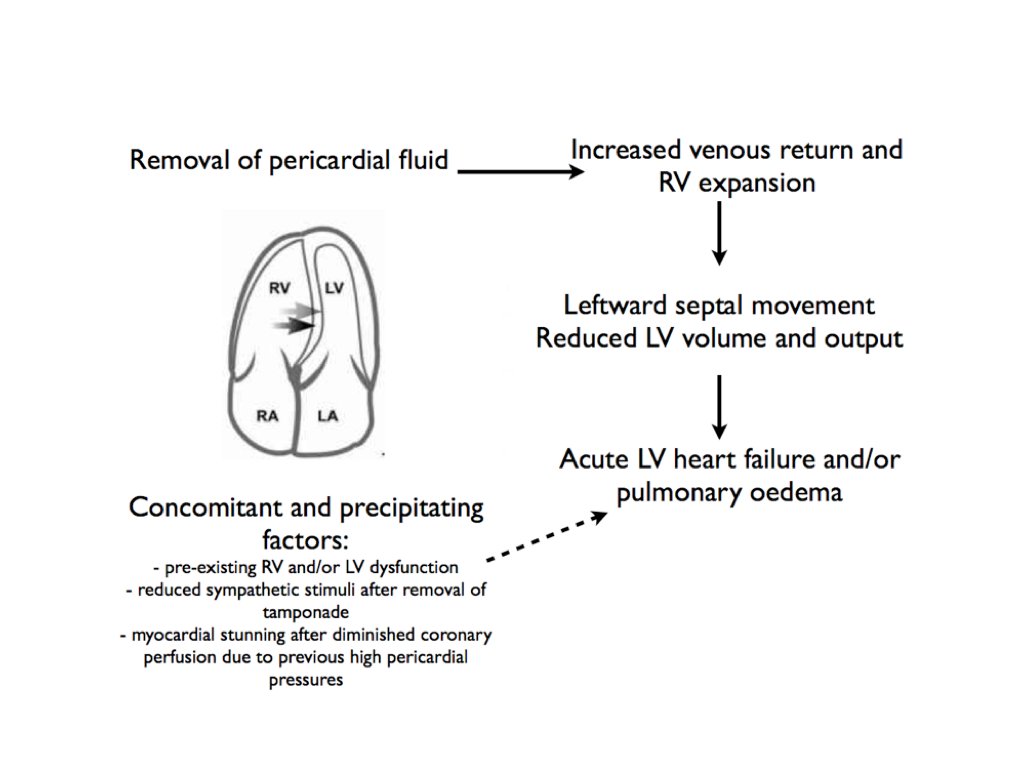
The first one is a comprehensive educational review on cardiac tamponade - from pathophysiology and diagnosis to pericardiocentesis https://t.co/TbQiRJxqi5
#EHJACVC
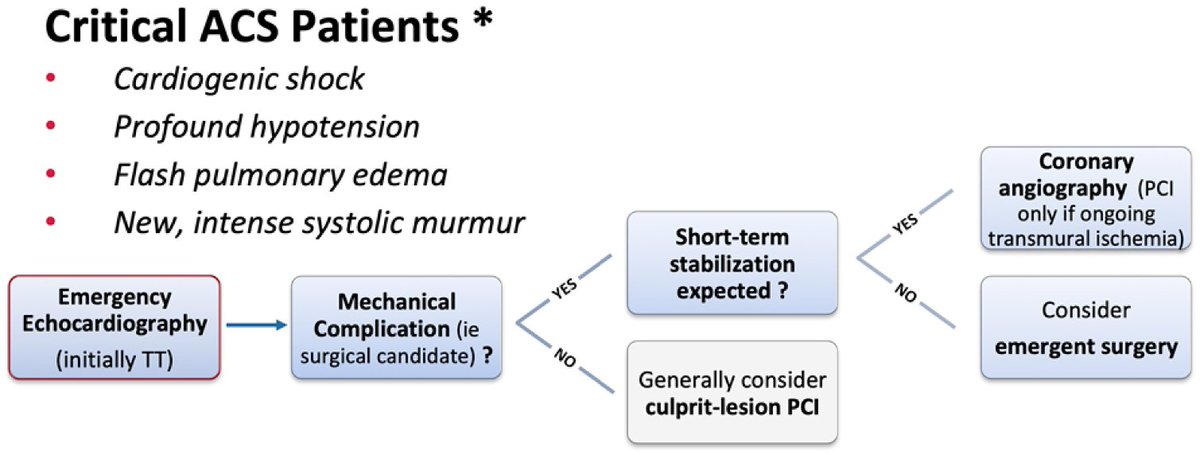
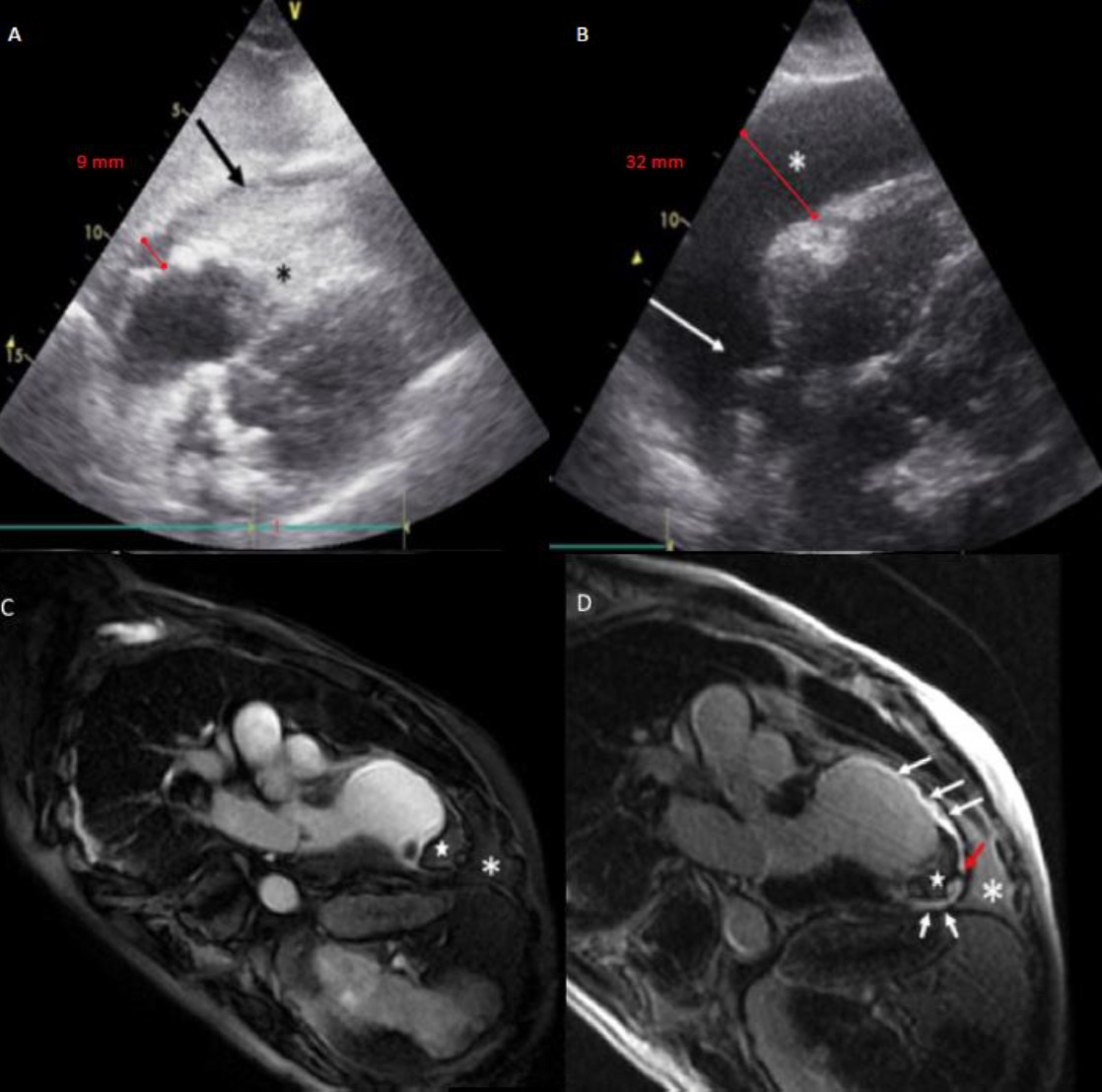
11. What is the prognostic relevance of pericardial effusion (PE) in #STEMI treated with pPCI?
In a large registry study from Italy, PE was not associated with mortality. Free wall rupture is rare but more frequent in patients with PE https://t.co/KkmTb4dAlp
#EHJACVC
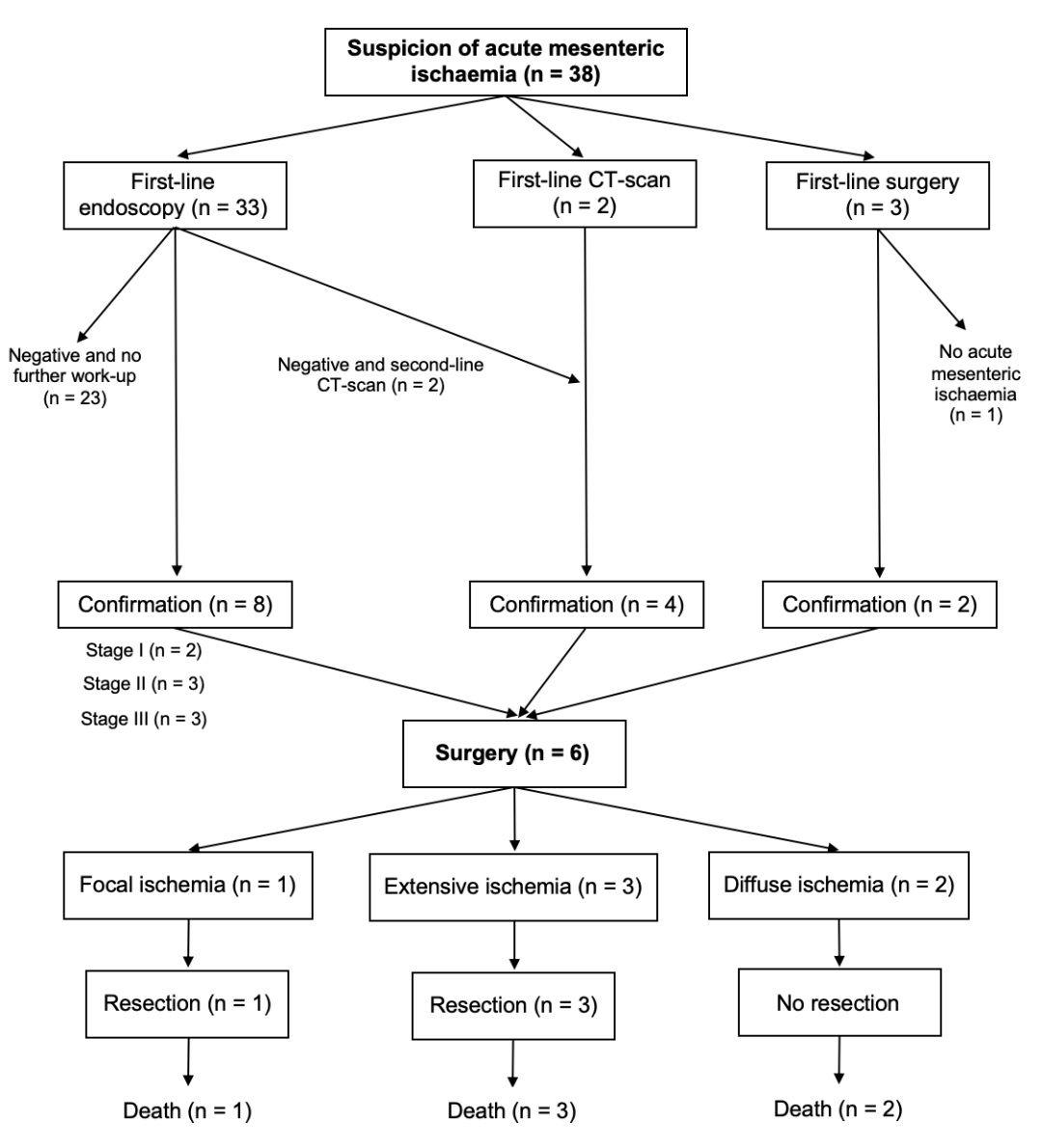
10. In this French analysis, Renaudier et al. showed that 14 of 150 VA-#ECMO patients suffered from acute mesenteric ischemia, with a 100% mortality. Risk factors included RRT and second shock, early enteral nutrition was protective https://t.co/FuwTJD3Olm
#EHJACVC
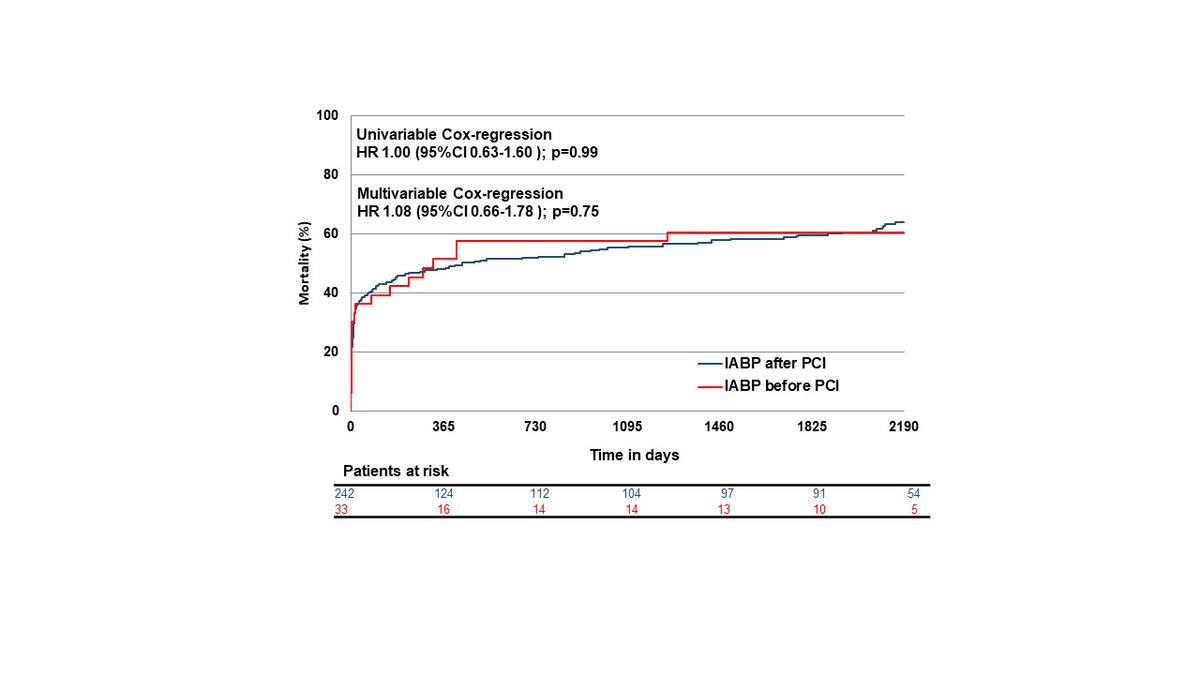
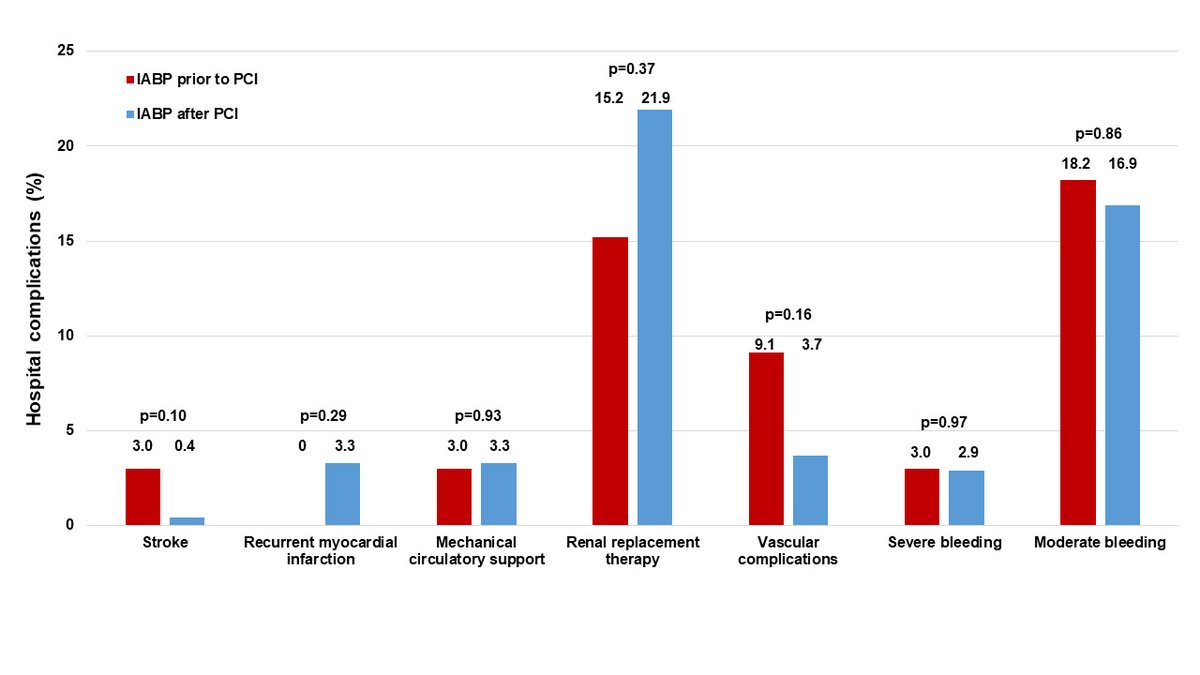
9. In an IABP-SHOCK-II subanalysis, G Fürnau and @thiele_holger studied timing of IABP implantation.
They could show no outcome difference in #AMICS patients whether IABP was implanted pre or post pPCI https://t.co/nGGkAz3OjJ
#EHJACVC
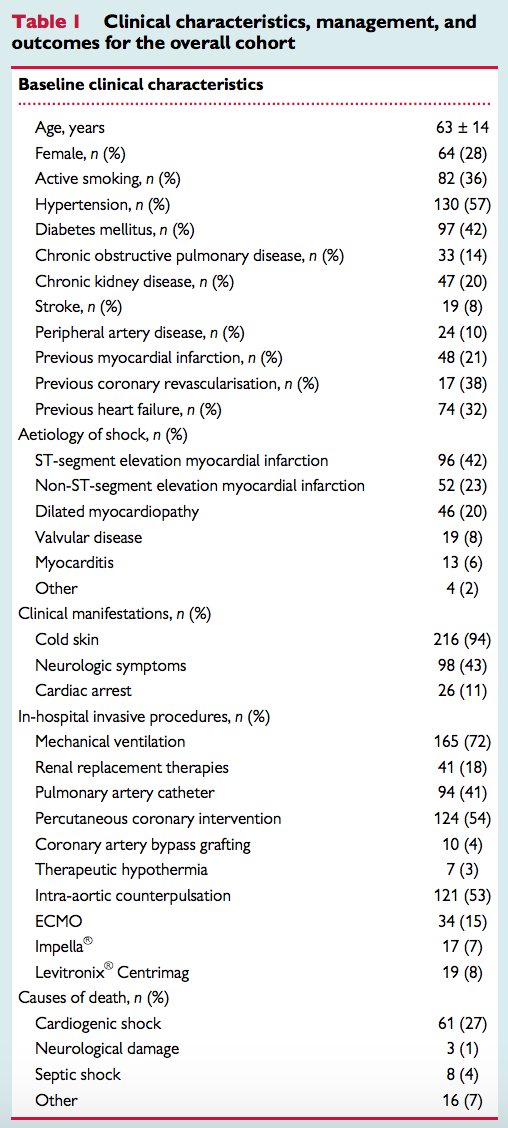
8. Elena Collado et al. analysed the hospitalisation-related economic impact of patients with #CardiogenicShock in a reference centre.
Economic cost was significant, but with a low ratio of cost per life-year gained https://t.co/azxSEgwwUW
#EHJACVC
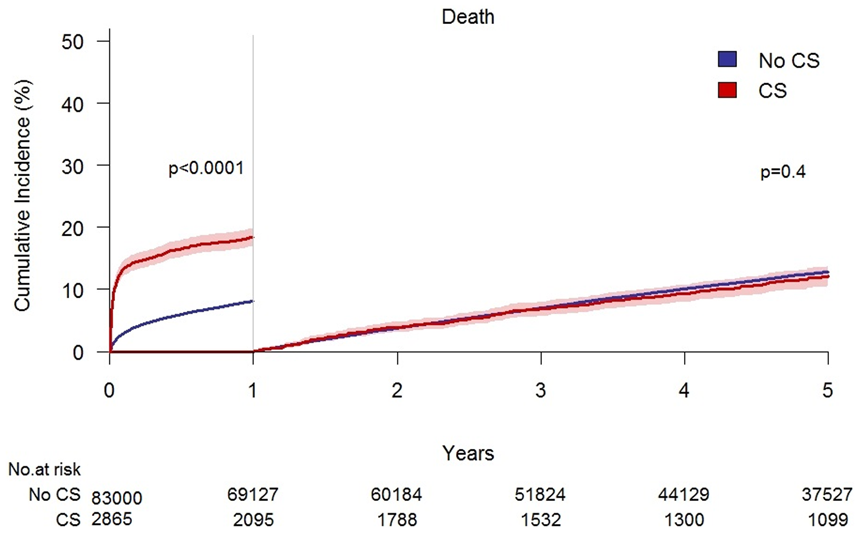
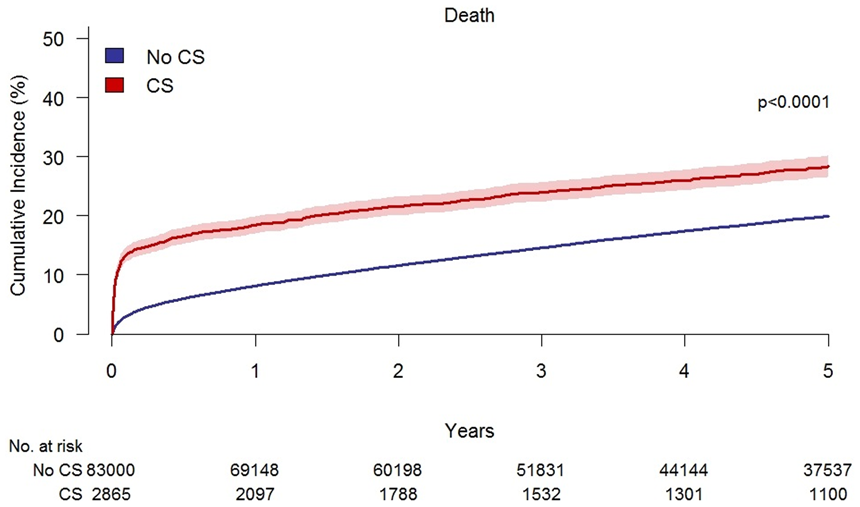
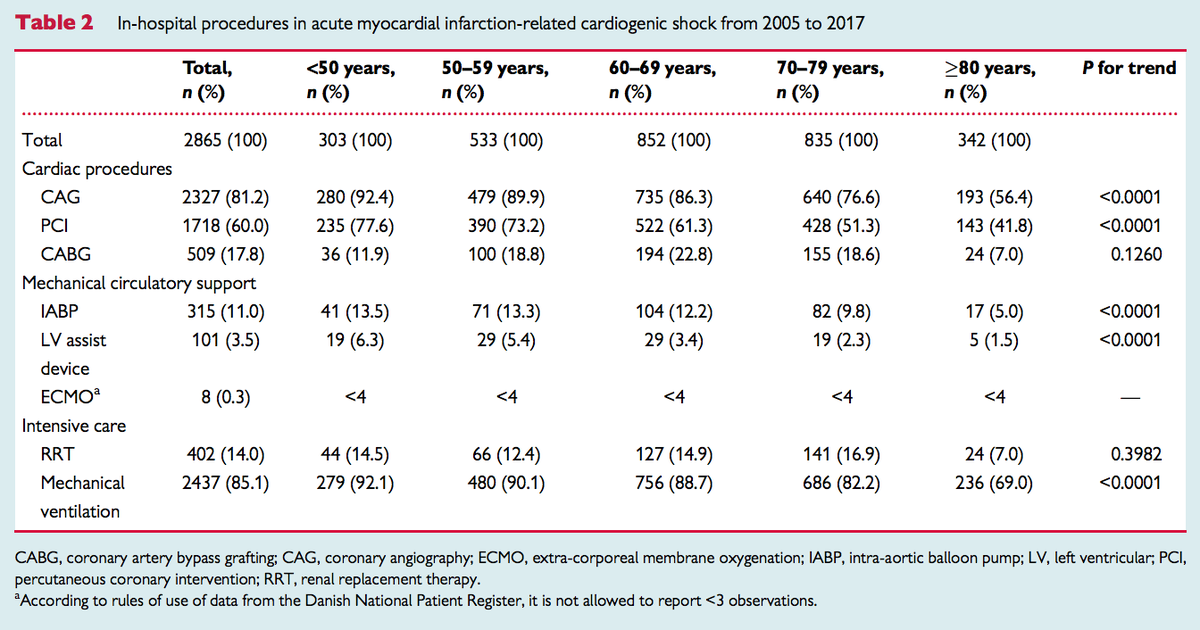
7.What's the long-term prognosis after AMI- #CardiogenicShock? A markedly ⬆️ rate of #HeartFailure hospitalisation & 1-yr mortality is the paramount finding of this study.
But among 1-yr survivors of MI, remaining 5-yr mortality was similar with/without CS
https://t.co/QVn3ql5S1g
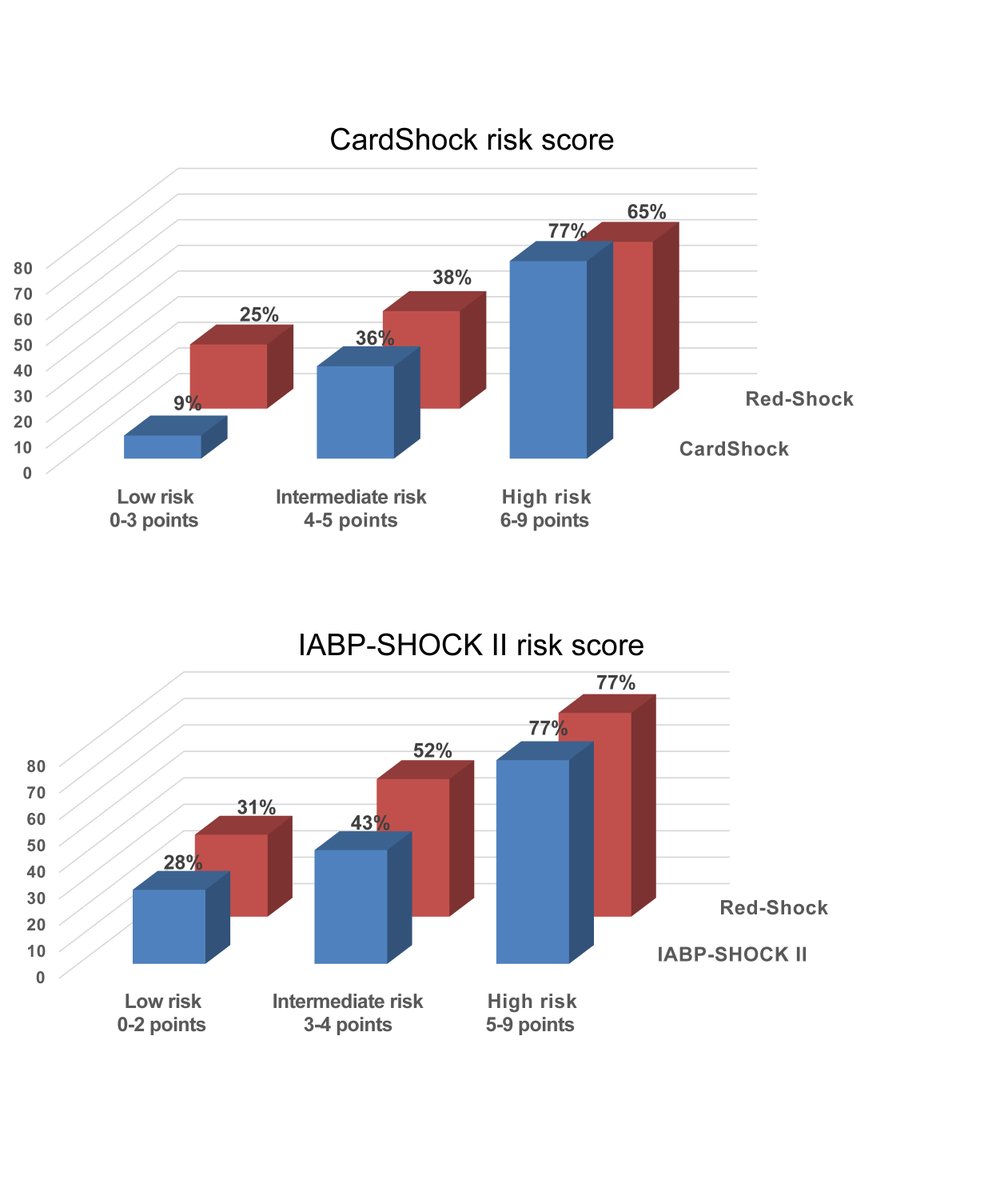
4. In the Spanish 5-center Red-Shock cohort, @m_rivaslasarte et al. provide external validation and comparison of the #CardShock and IABP-SHOCK II risk scores.
The authors demonstrate both were good predictors of in-hospital mortality in ACS-related CS https://t.co/WxueZQlKfE
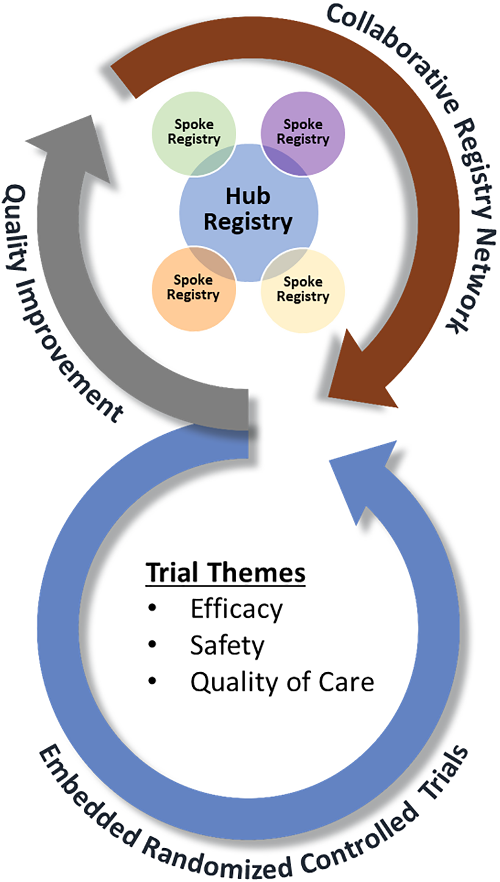
3. In an editorial titled "Potential growth in cardiogenic shock research though an international registry collaboration", @seanvandiepen and Dave Morrow call for a Hub-of-Spokes model in #CardiogenicShock research https://t.co/pujBvsXg9F
#EHJACVC#CardioEd
1. Hot off the press - #EHJACVC Issue 1/2021 tweetorial 🔽
The issue opens with an editorial by new EiC @VranckxPascal, highlighting the aims of the journal, presenting the new editorial board and thanking @cvrints, former EiC https://t.co/qkSXPuJ3ty
#ACVC_ESC#cardiotwitter
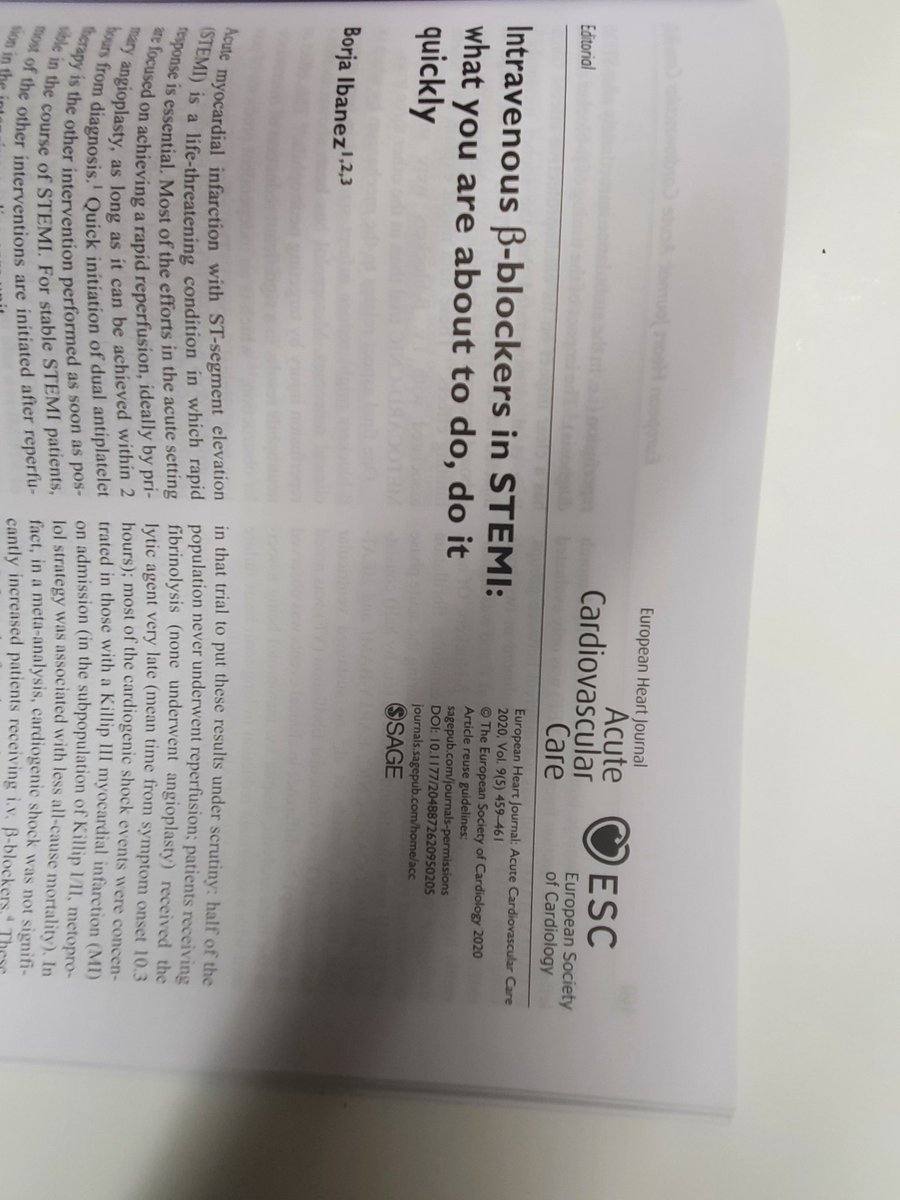
Now in EHJ: Acute Cardiovascular Care. More data on the use of intravenous beta-blockers in STEMI.
IV Beta-blockers in STEMI patients with KILLIP class<3 in the acute phase is associated with a significant reduction in malignant arrhythmias without increase in cardiogenic shock.