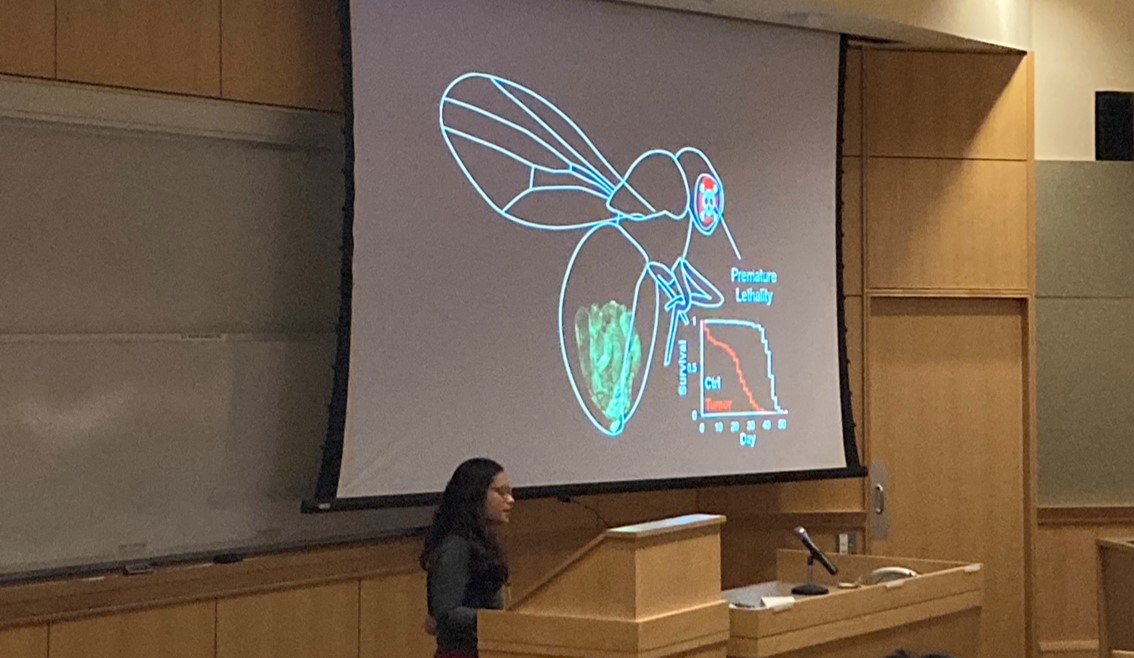
Did you know that flies are powerful model organisms to study cancer? At the #DamonRunyonFellowsRetreat, @DamonRunyon and Mark Foundation Fellow @KatyOng1 gave a fantastic talk on using drosophila models to study tumor-host signaling mechanisms driving paraneoplastic syndromes.
I’m super excited and proud that our paper on inviable Xenopus hybrids is finally out in @CurrentBiology! 🥳🥳 It was so much fun to collaborate with @SmithOwenK and @astraight, and of course I can’t thank @rebeccaheald enough for an amazing PhD experience 😊🐸💚
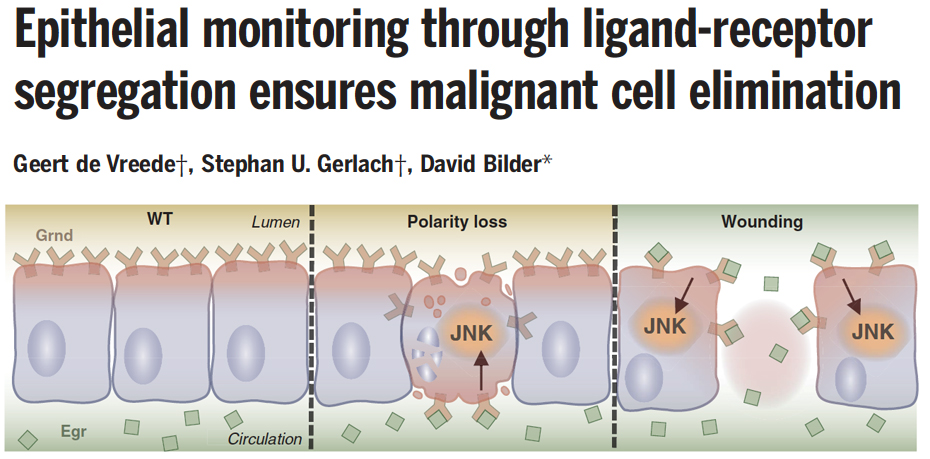
Out now in @ScienceMagazine: Read how epithelia can detect breaches & eliminate malignancies—using TNF & cell polarity as a damage-associated molecular pattern (DAMP)
Congratulations to co-authors @VreedeGeert & Stephan Gerlach!
https://t.co/NcHwDTuDc7
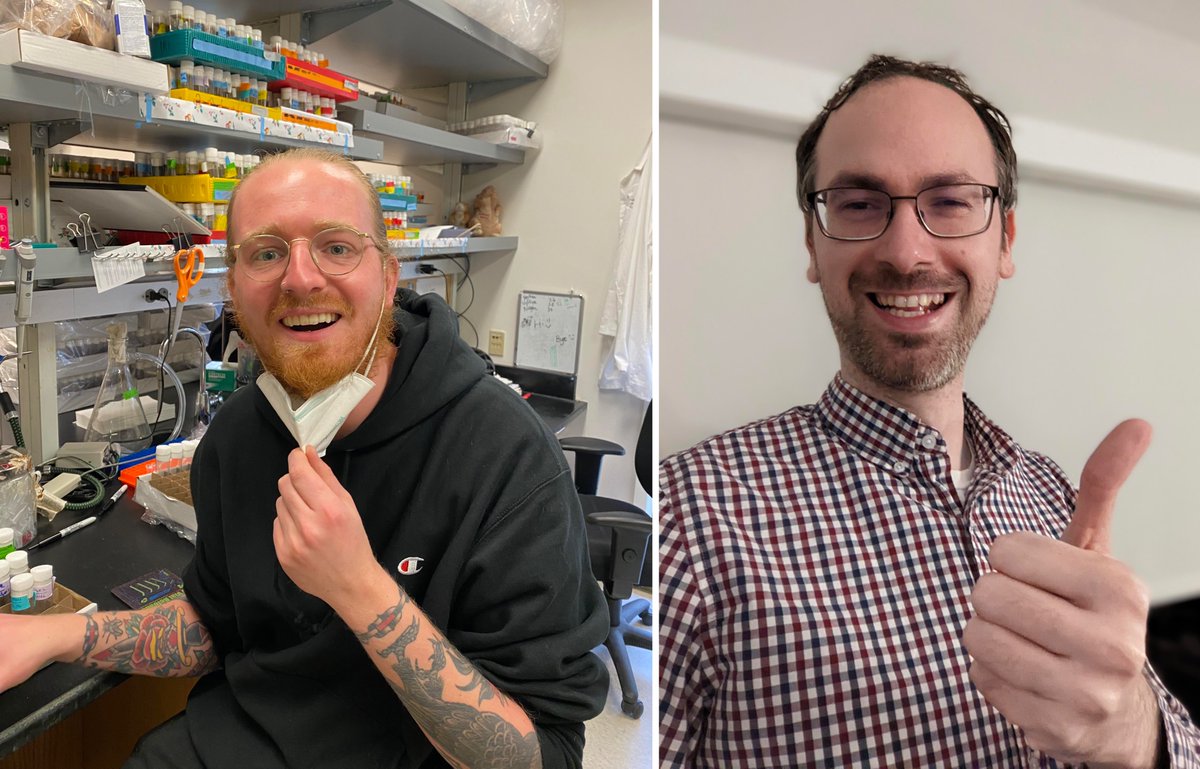
What’s the best time to receive a paper acceptance? Maybe the Friday evening before a holiday weekend, if these candids of co-authors Stephan Gerlach and @VreedeGeert are any indication.
How does #cancer kill? Learn about a new mechanism involving tumor-induced opening of the blood-brain barrier, in both flies & mice. Superb longterm work by @Jung_Kim_PhD; collab with @david_raulet & Kaoru Saijo labs @berkeleyMCB. https://t.co/p3c3BtqHgS
Check out the latest from @bilderlab; awesome work by the incredible @Jung_Kim_PhD reveals an elegant mechanism for tumors to kill their hosts via blood-brain barrier disruption. A collaboration with the @david_raulet and Saijo labs @berkeleyMCB.
https://t.co/Rgv2jn8Qkq
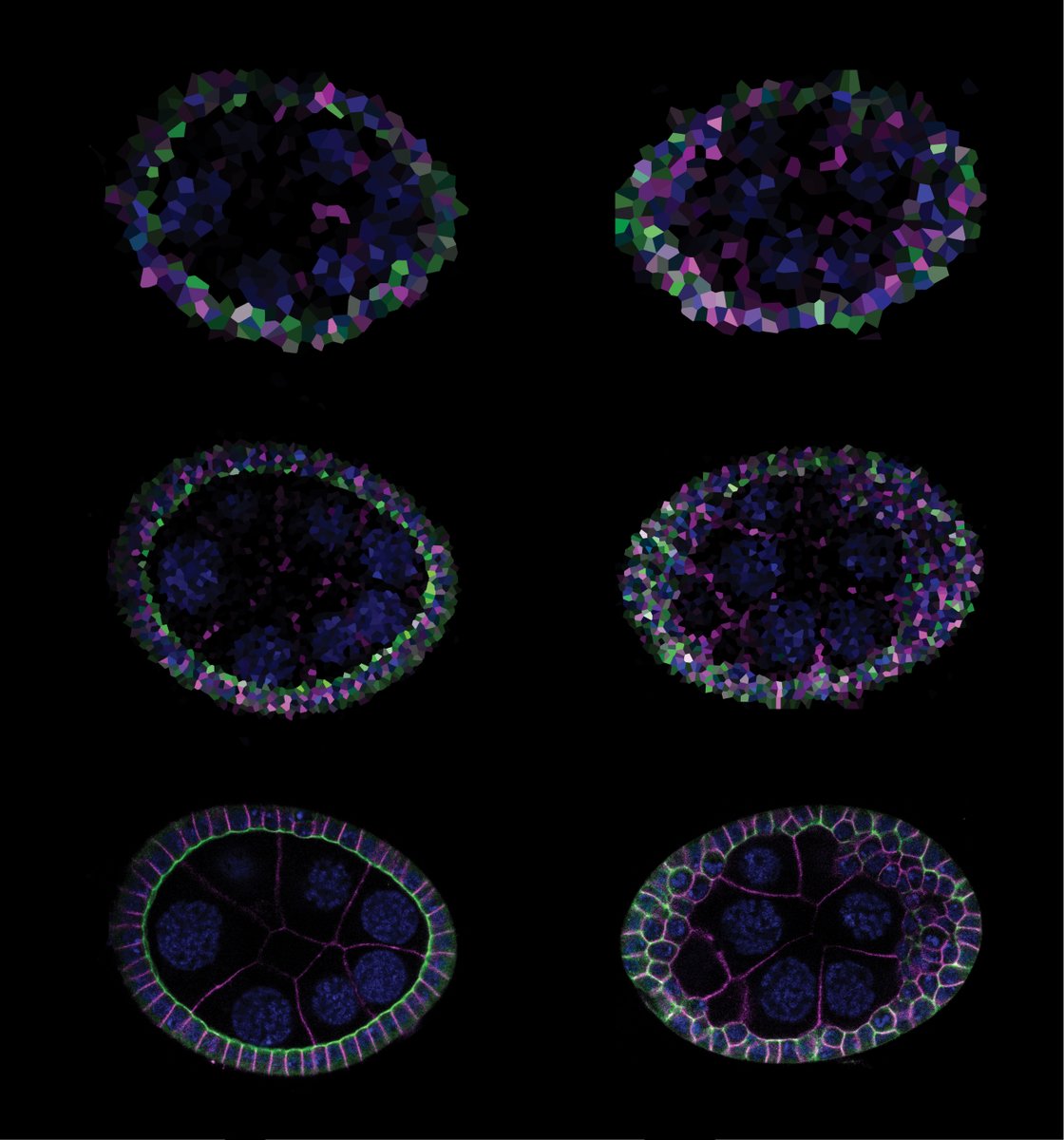
If you're looking for an awesome, creative #devbio story, look no further than this super cool new #preprint from @m_emmonsbell, @ryasutomir and @HariharanLab. So glad to finally see this work out in the world! https://t.co/EudztICOvZ
Thanks so much to Anja Schmidt and @peiferlabunc for the great highlight of our's and @Polarity_i3S's papers. One step at at time to figure out what the heck these proteins are doing.
https://t.co/Jew9DwLavc
Super excited to share the published version of our paper, online now @PNASNews! Grateful to the reviewers for all their helpful comments and of course, @bilderlab for the infinite support and guidance.
https://t.co/tioyK6xjeO
Congrats to @bilderlab postdocs Jung Kim and @VreedeGeert for awesome #TAGC20 talks! If you think epithelial cells are cool, check out their recorded talks online!
Mark has just posted the lab’s latest preprint on @Biorxiv, tackling a long-standing puzzle in cell polarity —in short, how a cell can distinguish its head from its tail. Check it out, along w/ complementary work from @Polarity_i3S
https://t.co/y2EKJ3b0iz
https://t.co/jCUnVWEe1P
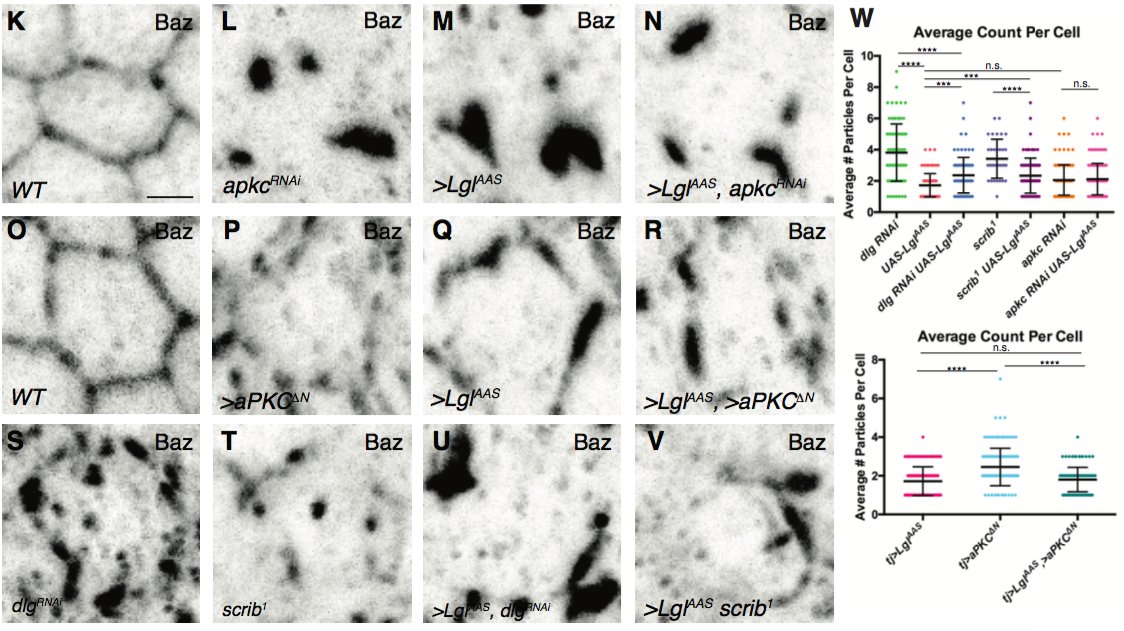
Instead, by using a specific Lgl phosphomutant construct generated by @Polarity_i3S lab, we hypothesize that Scrib and Dlg enable the aPKC-inhibiting function of Lgl at the basolateral membrane by limiting phosphorylation of 2 key residues.
This leaves us with a model where we think that Dlg brings Scrib to the membrane and then both Scrib and Dlg are required to limit the phosphorylation of specific residues in Lgl, allowing it to be an effective aPKC inhibitor.
Finally, I want to shout out to Ventura and @Sofia__Moreira et al. and @Polarity_i3S lab's preprint and their awesome complementary work, where they nicely show that Scrib and Dlg regulate Lgl cortical dynamics by restricting aPKC activity.
https://t.co/kKXaux6LeX