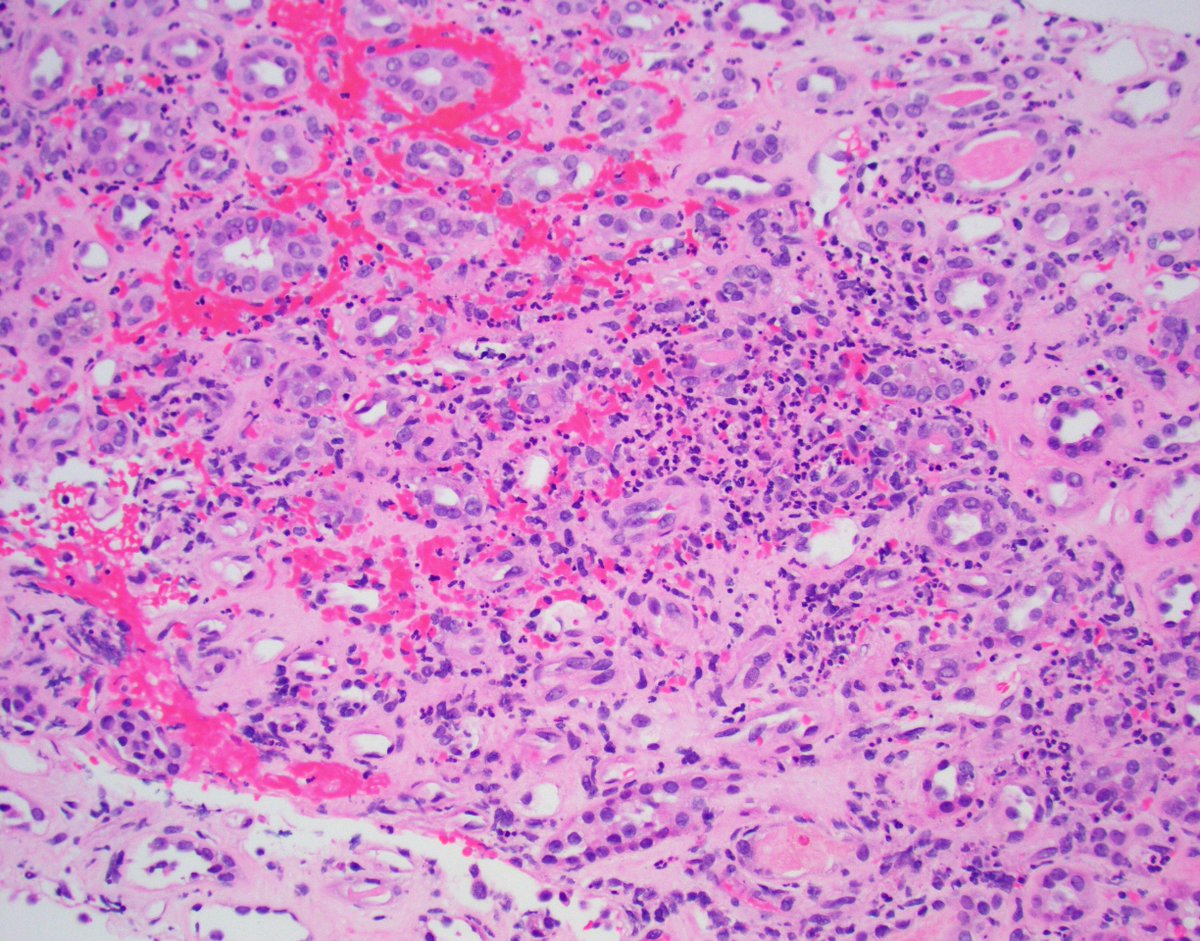
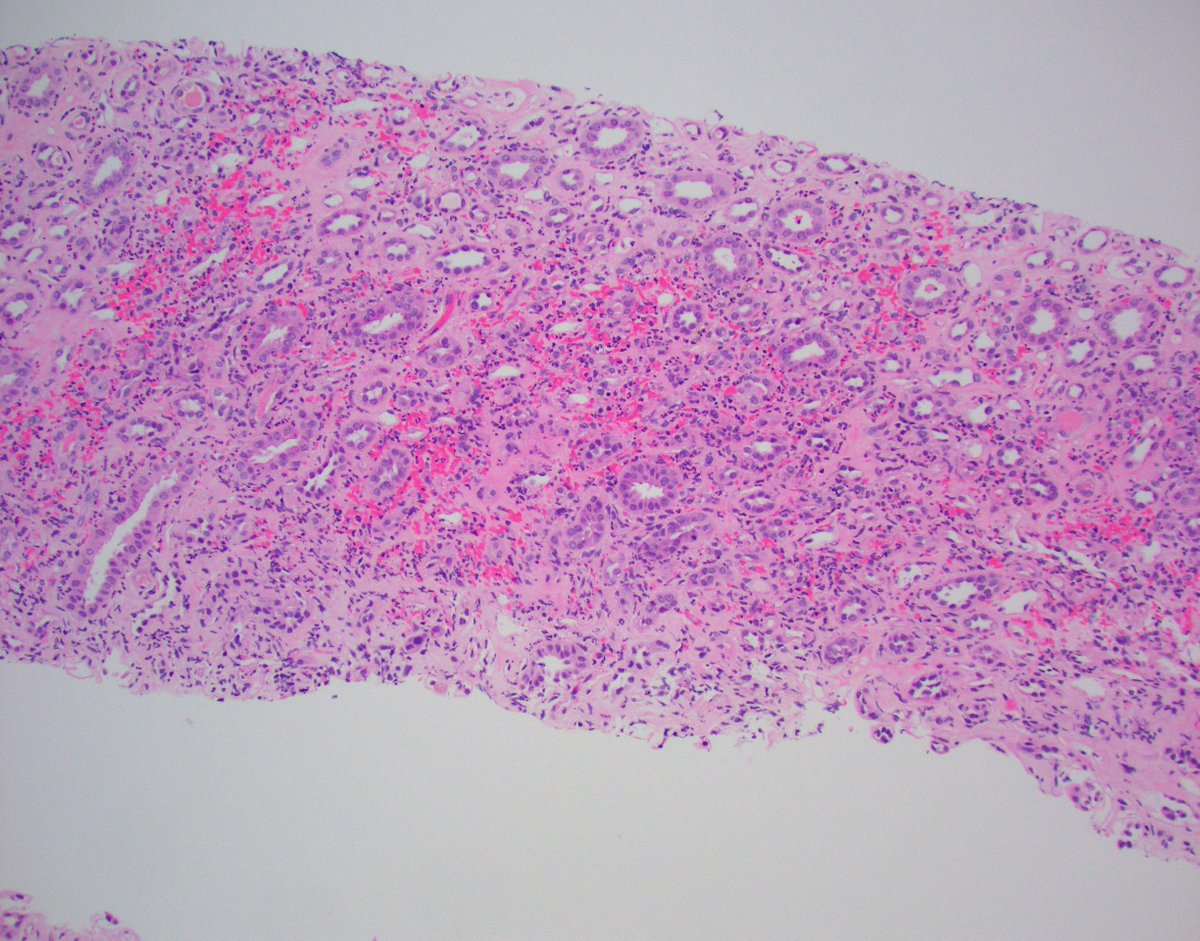
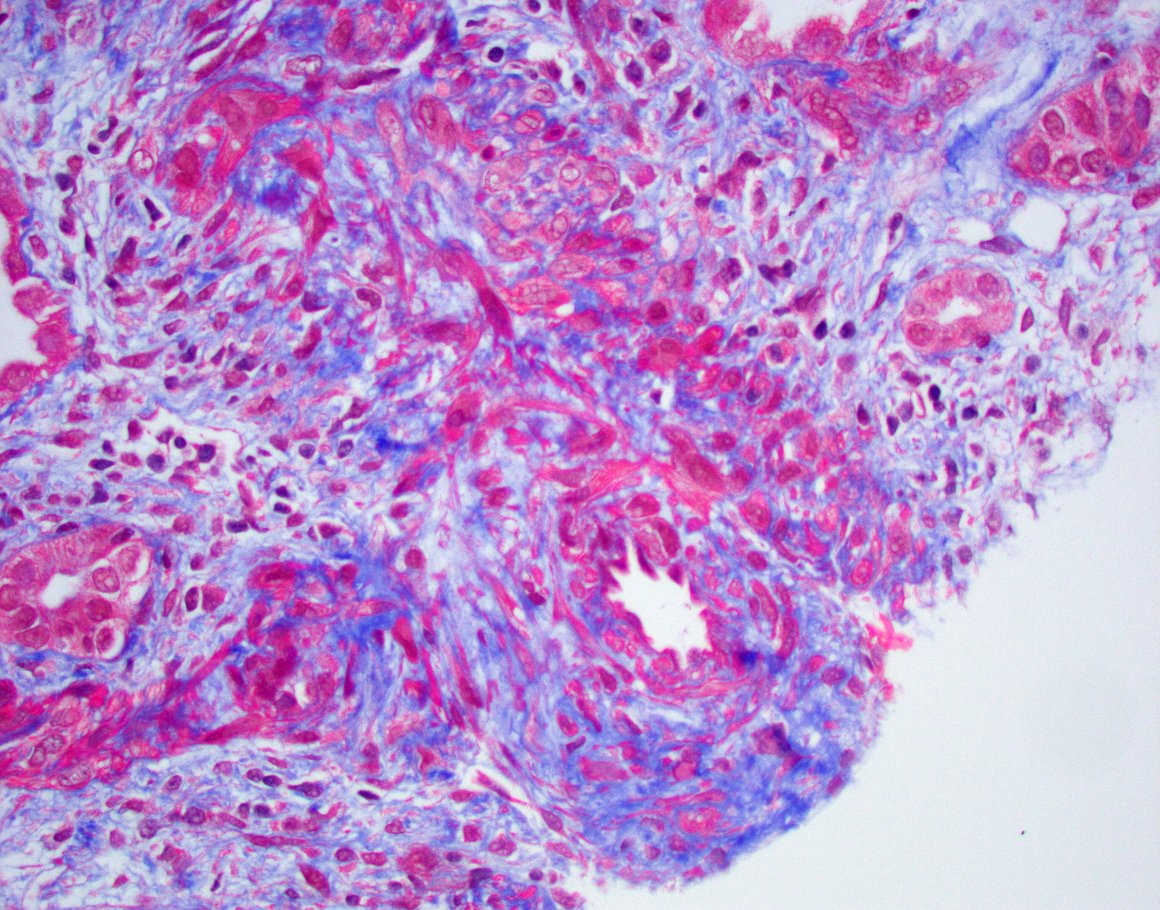
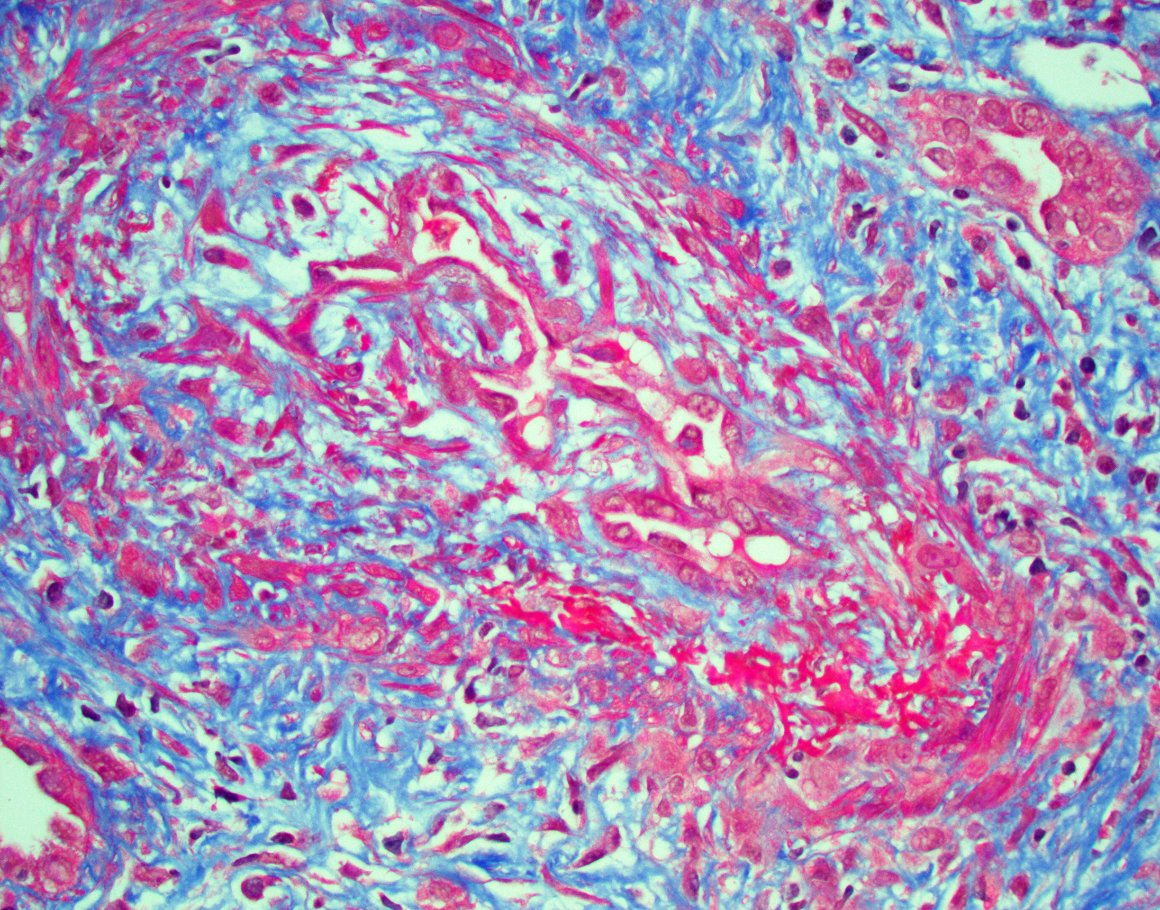
@SethiRenalPath Thank you for sharing the unusual case. Can we suspect platelet thrombi on light microscopy? Are there any specific features... Thank you
Complete summary and more of IgA nephropathy using mass spectrometry.
1. Majority of IgA is IgA1.
2. Smaller amounts of IgA2 are also present.
3. Both IgA1 and IgA2 colocalize with IgG, showing that the deposits are composed of IgA1/IgG and IgA2/IgG.
4. Dominant IgG subclass is IgG1.
5. J chain that binds monomers of IgA into dimers is present in majority of cases, indicating that the IgA is mucosal derived (as circulating IgA is monomer and doesn’t have J chain)
6. Absence of PIGR indicates that IgA is not derived from secretions such as saliva, tears, etc. PIGR is a peptide in IgA (present in secretions), that prevent the breakdown of IgA by bacteria.
Taken together: IgA immune complexes in IgA nephropathy are made up of antigenic (galactose-deficient) mucosal-derived IgA and IgG.
7. Complement: Large amounts of C3 and C9 indicating alternative and terminal pathways of complement activation.
8. Minimal classical/no lectin pathway proteins.
9. Some correlation with MESTC score but bottom line= all IgA nephropathy shows lots of C3 and C9.
10. Abundant CFHR5 indicating that there is breakdown of C3 into inactive C3=iC3b.
11. Complement is a major player in the inflammatory process in IgA nephropathy.
https://t.co/06ukMk01ss
Book on DCD released at the ISOT2026 Hyderabad. A comprehensive source of information on Donation after circulatory death organ transplantation. Gratitude to all authors and editors.
To Whom It May Concern,
1. Doctors are human beings.
2. No university or school educates doctors’ children free of charge.
3. No builder gives them a house free of cost.
4. Credit card bills are not waived for doctors either.
5. Doctors must pay for branding, carpenters, plumbers, and other services for their clinics and hospitals.
6. Doctors must pay for their equipment, medications, and other supplies. No one provides these free of cost.
7. Doctors must obtain many licenses before opening hospitals or clinics, and these processes are not free of corruption.
If no one is giving doctors anything for free, there should be no unreasonable expectations from them.
I have seen prices rise simply because a “doctor” tag is attached.
A doctor’s job is one of the most difficult in the world:
1. One death, and even a good doctor can be painted as the villain.
2. One complication, and the entire system can turn violent against the doctor.
3. One human error, and the doctor can be slapped with a medical negligence case.
4. Doctors fall under the Consumer Protection Act, yet people still expect them to treat their work as unpaid public service.
5. Fees at private medical colleges run into crores, but there is little public anger about that.
6. Many government hospitals in India operate in poor conditions. Few people question the politicians they vote for. They demand accountability only from doctors.
7. Visit any corporate or government hospital, compare the duty hours with the salary, and you will not want your child to become a doctor.
8. Every profession has corruption, but not every professional is corrupt.
In the future, doctors may even be blamed for the country not becoming developed.
I request all of you to help keep this profession alive. With so much scrutiny and hostility, fewer doctors will encourage their children to follow the same path.
Well developed example of medullary angiitis (https://t.co/oqTXYTE2Fx) in a case of MPO-ANCA associated GN. Neutrophils and hemorrhage in the medulla. Also plenty of active crescents in this case. #renalpath#pathwitter#nephrology
Mimic:
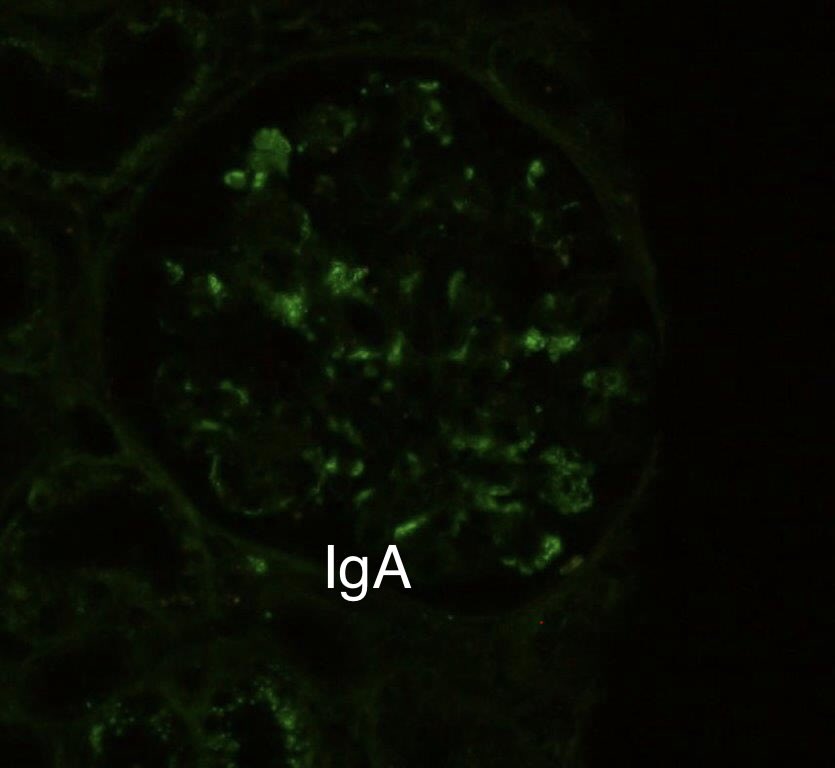
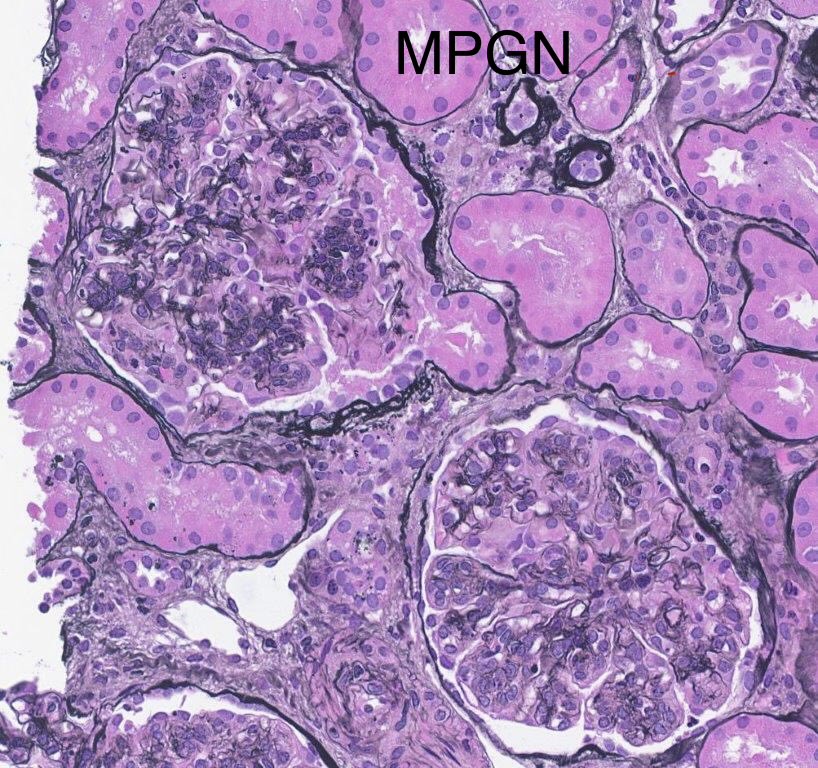
IgA Nephropathy can mimic immune complex (IC)-MPGN.
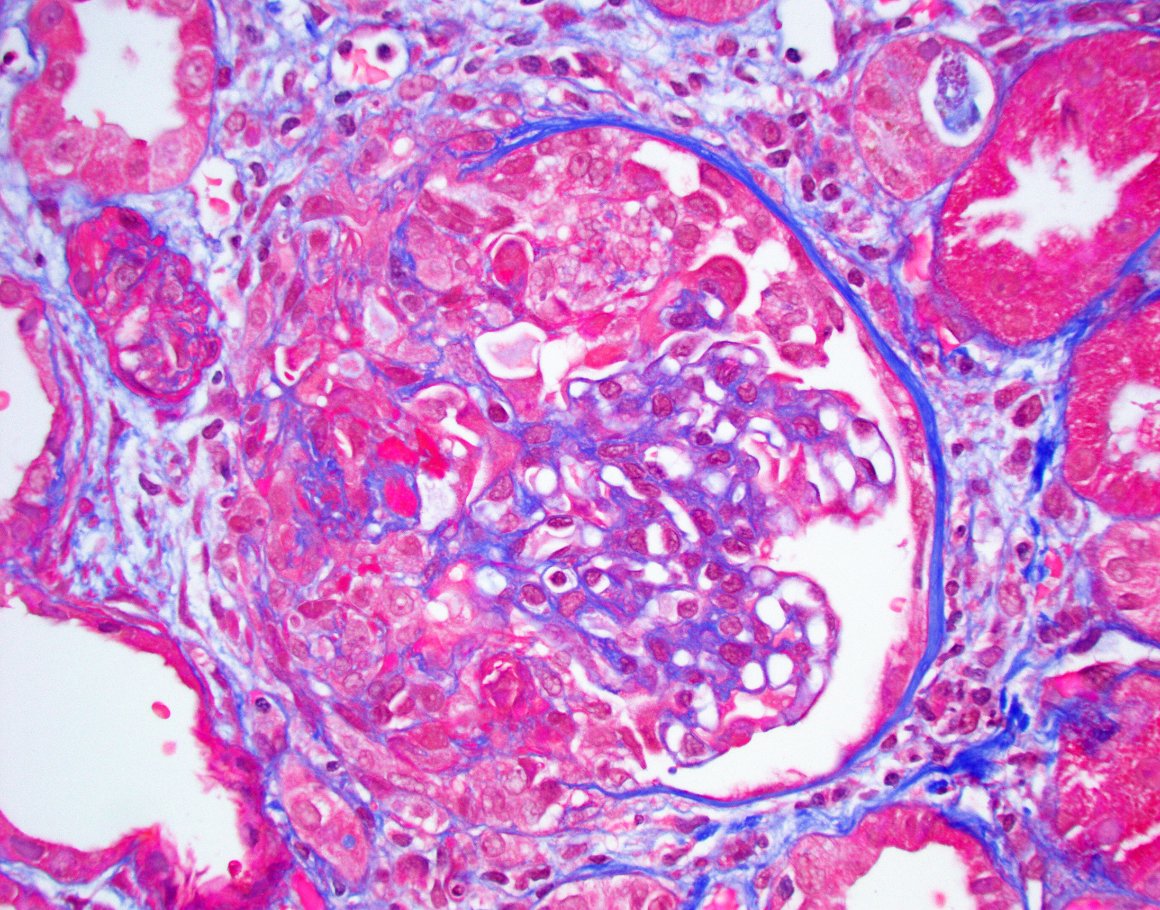
LM: Membranoproliferative (MPGN) pattern
Routine IF: inconclusive
Pronase IF: mesangial IgA 2+
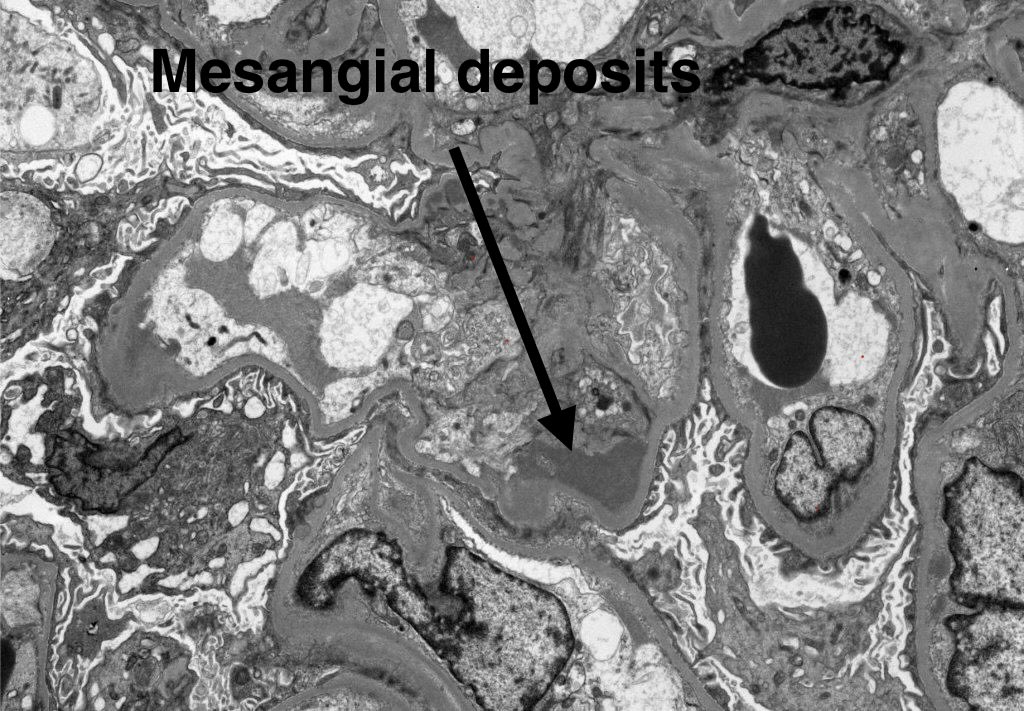
EM: mesangial deposits
Dx: IgA nephropathy M1 E1 S0 T0 C0
Case was labeled primary IC-MPGN
50-yr old with hematuria and proteinuria. Serology negative.
The image captures the transition of an arteriole as it loses its internal elastic lamina (black arrow). Note that the smaller arteriole branch, while lacking this elastic layer, still retains smooth muscle cells (red arrow). The elastic tissue adds structural integrity to arterial and larger arteriolar walls during pulsatile distension from higher intravascular pressure, and the retained muscular layer in small arterioles helps provide an important component of the pre-capillary sphincter mechanism, whereby regulation of blood flow to capillary beds occurs.
#TeachingPoints #kidneypath #renal #pathology
PR3-ANCA associated GN with vasculitis. Temporal heterogeneity can be seen in the vasculitis lesion with both active fibrinoid necrosis and transmural sclerosis with mural disruption c/w old scared vasculitic lesions. Acitve crescents too. #renalpath#pathtwitter#nephrology.
Interesting case of dense deposit disease following eculuzimab treatment. F/u bx with C3 deposits and IgG-kappa deposits in some gloms and TBMs c/w eculuzimab deposition. #renalpath https://t.co/GKlESh2sHX
@VrushaliPatho I also want to emphasize that at best the IF staining can demonstrate monotypisms (a restricted immunoglobulin staining pattern); however, definite diagnosis of monoclonality requires sequence level data on the variable region which is not possible by IF at this time.
@VrushaliPatho The bottom line of all this, is that our conventional IF techniques are imperfect and we have to use our best judgement when suggesting a monotypic process.
@JZRenalPath Lambda is not completely absent
Can we still call it kappa restricted?
Is there a difference between kappa restricted and kappa dominant ? As we are defining the disease on the basis of staining intensity of both the light chains.
Thank you