One of the most useful observations with delayed protraction:
Large-wick candles often struggle to expand through the open.
That makes the daily open an important draw/level.
Instead of expecting unlimited continuation, consider whether price is more likely to:
• Reverse toward the open
• Retrace into the range
• Consolidate around the profile
The wick changes the expectation.
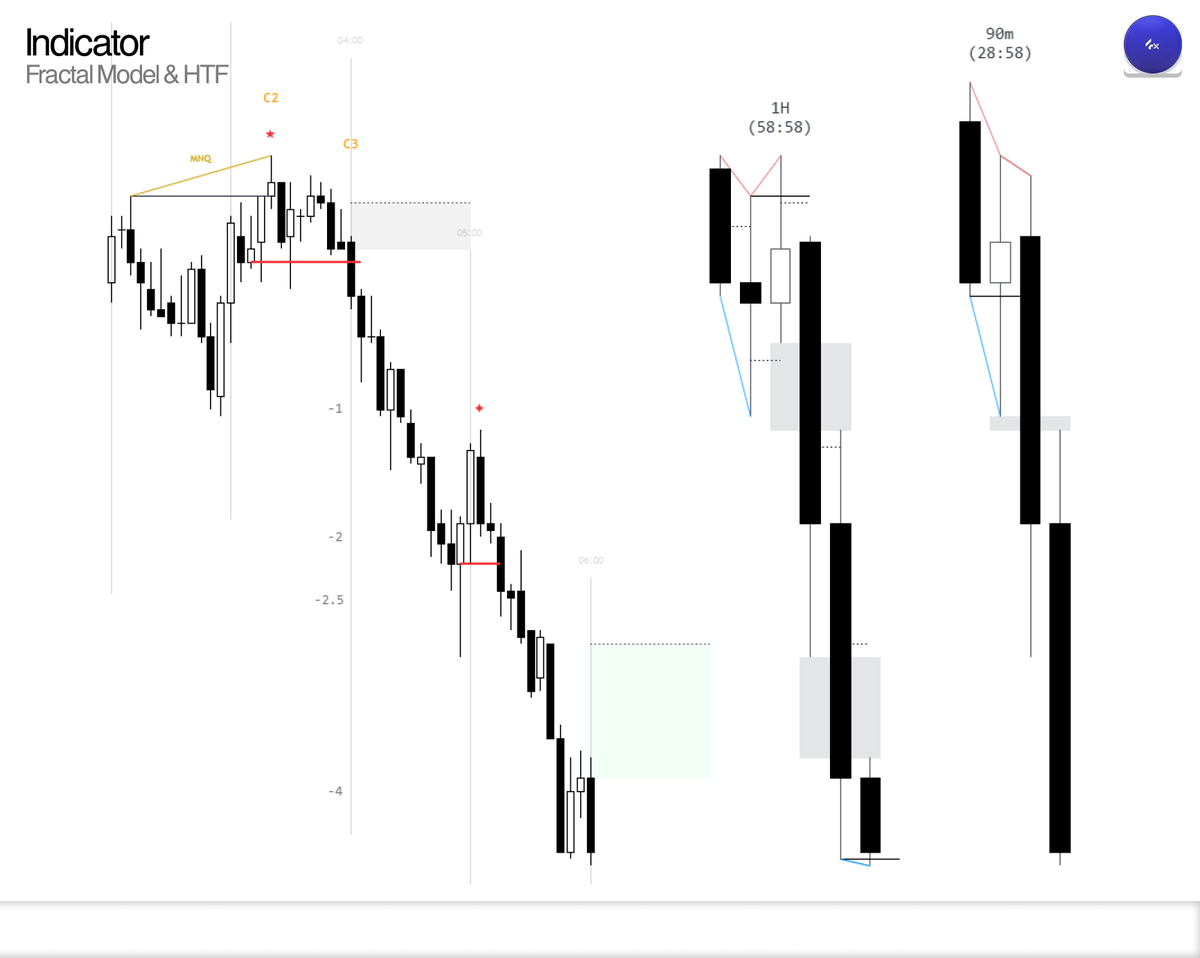
Everything you need in one indicator.
• 90M, 6H & 7H HTF Candles
• Micro SMT & Early CISD Detection
• LTF & HTF SMT Confirmation
• HTF FVG Confirmation
• C2 & C3 Confirmation on LTF
🔗https://t.co/Ee5HTUoGZI
Quarterly Theory can help time delayed protraction.
A large 4H wick can be reframed through the 6H structure.
Example:
4H shows delayed protraction
↓
6H open encapsulates the wick
↓
New phase of price begins
↓
Expansion becomes easier to frame
The higher-timeframe wick doesn't have to be the entry.
Sometimes the next quarterly opening gives you the better alignment.
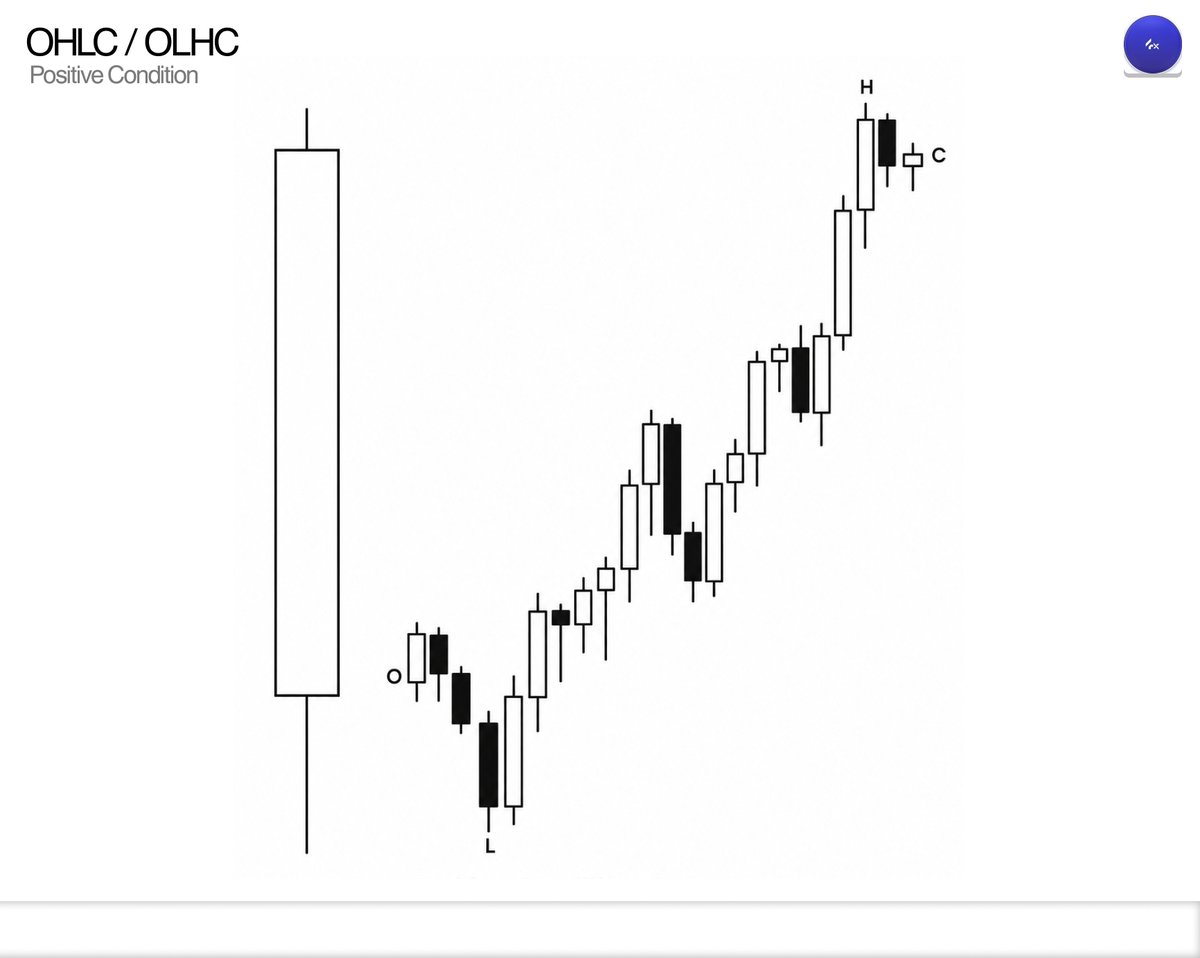
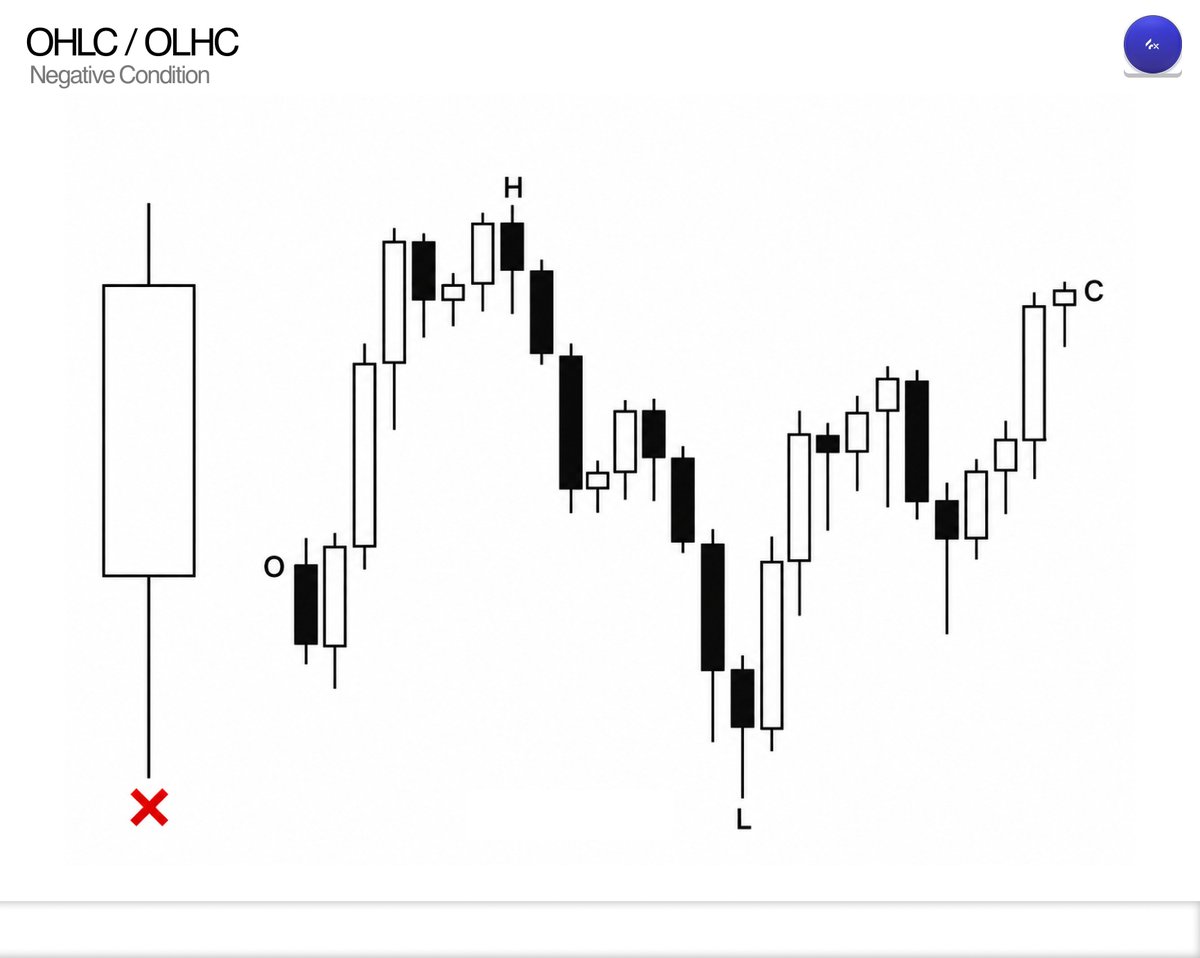
OHLC candle profiling has two key components:
Wick Size
Small opposing wick → more room/time for expansion.
Large opposing wick → less room for expansion and often favors reversal rather than same-candle expansion.
Candle Profile / Protraction Phase
For a bullish expansion candle, the ideal profile is Open → Low → High → Close.
For a bearish expansion candle, the ideal profile is Open → High → Low → Close.
Positive Condition
A bullish candle opening low first is a positive condition because the manipulation phase is completed early, leaving more time and range for expansion.
A bearish candle opening high first follows the same logic.
Negative Condition
If a bullish candle opens high first, especially when that high manipulates into something relevant, it is a negative condition for bullish expansion.
Likewise, if a bearish candle opens low first, it is a negative condition for bearish expansion.
The key is not simply whether price trades above or below the open first. The first meaningful manipulation is what defines the open high/open low.
If price only consolidates after the open, I don't consider that an open high or open low. The first side that gets meaningfully manipulated determines the candle profile.
OHLC is not just about where the candle closes. The way the candle forms tells you how much potential it has to expand.
Don't blindly trade every Q3, every SMT, or every True Open.
Use them as pieces of a larger framework.
Time → Cycle → Quarter Sequence → Liquidity → Confirmation → Execution.
That's where the real value of Quarterly Theory starts.
One of the biggest questions before entering:
Has the market already expanded toward its objective?
If yes, chasing the move becomes much less attractive.
Big expansion → often followed by consolidation/lackluster price action.
You don't always need to predict the next move.
Sometimes the best trade is recognizing that the best move already happened.