Today marks 25 years of Research4Life by WHO.
Since 2001, Research4Life has grown into one of the world's longest-running public-private partnerships for access to scientific knowledge.
Where it stands today:
More than 12 000 institutions in over 120 countries can use 250 000+ journals, books and databases, helping researchers:
- develop better treatments,
- inform health policies, and
- improve health outcomes for people around the world.
Learn more: https://t.co/uukfm5NOjj
Together for health. #StandWithScience
In a turbulent world of increasing division, we can all agree that everyone who sets out on a journey, to work, to school, to see the people they love, should reach their destination safely.
I call on world leaders to ensure yesterday’s @UN declaration on #RoadSafety becomes more than words on a page.
Let it be a promise to every family who was not in the General Assembly Hall, but who lives every day with the loss of a loved one.
We can halve road deaths by 2030. Let’s keep that promise—for them.
Access to knowledge can change the trajectory of health research.
For 25 years, Research4Life has helped researchers in lower-income countries reach the evidence they need to strengthen health systems and improve lives.
The impact is measurable: up to 75% more research publishing and over 20% more participation in international clinical trials.
Learn more: https://t.co/uukfm5NOjj
Together for health. #StandWithScience
Road deaths fall by 21% globally but stronger action is needed to save lives: https://t.co/9c1bHniMko
This progress shows that change is possible when countries invest in safe road systems.
I commend countries for the strong political declaration they adopted today at the @UN High-Level meeting on Global #RoadSafety, which aims to accelerate action to ensure more roads are designed for people first, not motor vehicles, with safety as priority.
All road deaths are preventable and none are acceptable.
Have you heard about Research4Life?
Research4Life opens the door to the latest scientific evidence for researchers and health professionals in lower-income countries.
It has helped increase:
- scientific publications,
- participation in international clinical trials, and
- research by women scientists.
The result: better health solutions and stronger health systems worldwide.
Together for health. #StandWithScience
High blood pressure is a silent but serious threat — and knowing your numbers can save your life.
Check your blood pressure regularly and track your readings over time.
Aim to keep your blood pressure below 140/90 mmHg — and remember: the lower, the better for your heart, brain, and kidneys.
Taking action today protects your health tomorrow.
Know your numbers. Take control. Stay healthy.
.@JeanTodt got me safely to the @UN. Mission accomplished.
Now it's time for the real mission. World leaders are gathering for the High-Level Meeting on Global #RoadSafety to make new commitments that will save lives on the world's roads.
@WHO stands ready to support them, so everyone can reach their destination safely.
Thanks for the virtual ride, Jean!
WHO Goodwill Ambassador for Leprosy Elimination Yohei Sasakawa reflects on the experiences that shaped his advocacy and strengthened his commitment to working alongside affected communities to advance leprosy elimination.
#HealthForAll
Common symptoms of #anaemia include:
🥱 Tiredness
😵 Dizziness or feeling light-headed
❄️ Cold hands and feet
😖 Headache
🫁 Shortness of breath, especially upon exertion
🫀 Irregular heartbeat
If you experience any of these symptoms without any apparent reason, you may have anaemia. Consult your doctor for advice
Everyone who sets out on a journey deserves to arrive safely.
Yet every minute, more than two people lose their lives on the world’s roads.
My friend @JeanTodt and I have arrived in New York for the UN High Level Meeting on #RoadSafety with one message for world leaders: invest in safer road systems now. Lives depend on it
People answer how science shapes their everyday lives in Panama city. We want to hear from you! Share your story about how science has improved your well-being and health in the comments below. #StandWithScience
High blood pressure - or #hypertension - often shows no warning signs, yet it increases the risk for heart disease, stroke, blindness, dementia, and other complications.
A simple blood pressure check can be life-saving.
Getting your blood pressure measured the right way helps ensure accurate results.
Incorrect positions can lead to incorrect readings.
✔ Sit with your back supported
✔ Legs uncrossed and feet flat on the floor
✔ Arm supported with the cuff at heart level
✔ Use correct cuff size
✔ Rest for at least 5 minutes before the reading
✔ Do not talk during or between measurements
✔ Avoid exercise, tea/coffee, and smoking for at least 30 minutes before reading
Small steps can make a big difference in protecting your health.
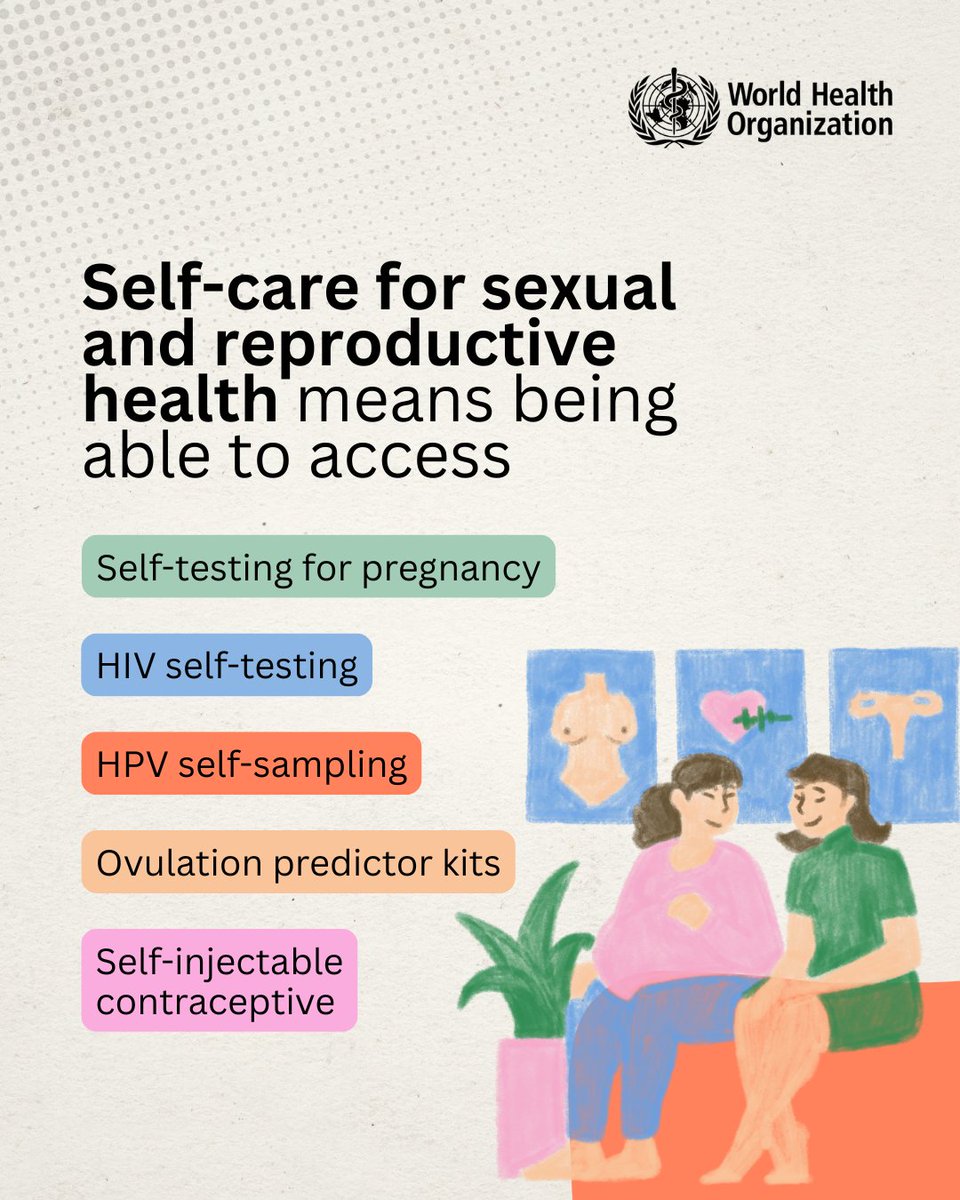
Self-care is also about increasing access to essential health services.
When it comes to your sexual and reproductive health, it could mean access to:
- HIV self-testing,
- Self-testing for pregnancy
- and more.
A big part of self-care is also about having the tools and the right to make decisions about your own body — without barriers.
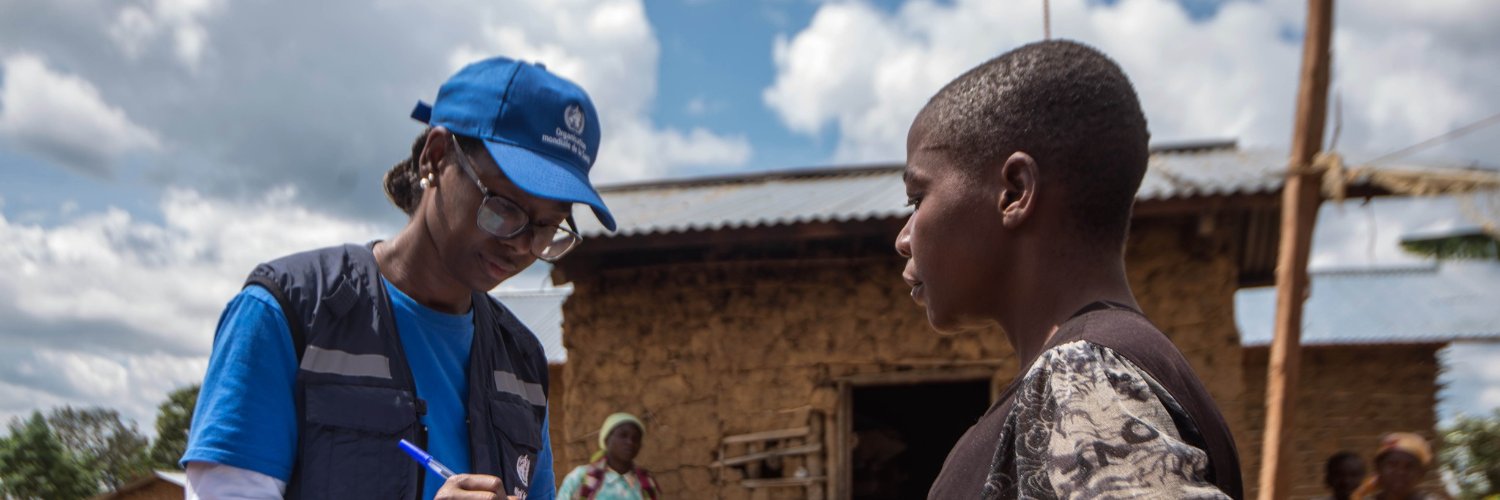
Two months into the #Ebola outbreak in the #DRC, intense transmission in Ituri province is our primary concern.
More than 2,000 cases and almost 800 deaths have been reported. Most new cases are being detected outside known contact lists, and two-thirds of deaths are occurring in communities.
@WHO, @AfricaCDC and partners are supporting @MinSanteRDC to rapidly expand treatment, laboratories, contact tracing and community engagement.
But armed conflict is obstructing access and putting patients and responders at risk. Yesterday, an Ebola treatment centre in Bunia was attacked.
Health interventions alone will not stop this outbreak. Urgent political action is needed to secure access, protect health workers and scale up the response. Even a temporary ceasefire would help.
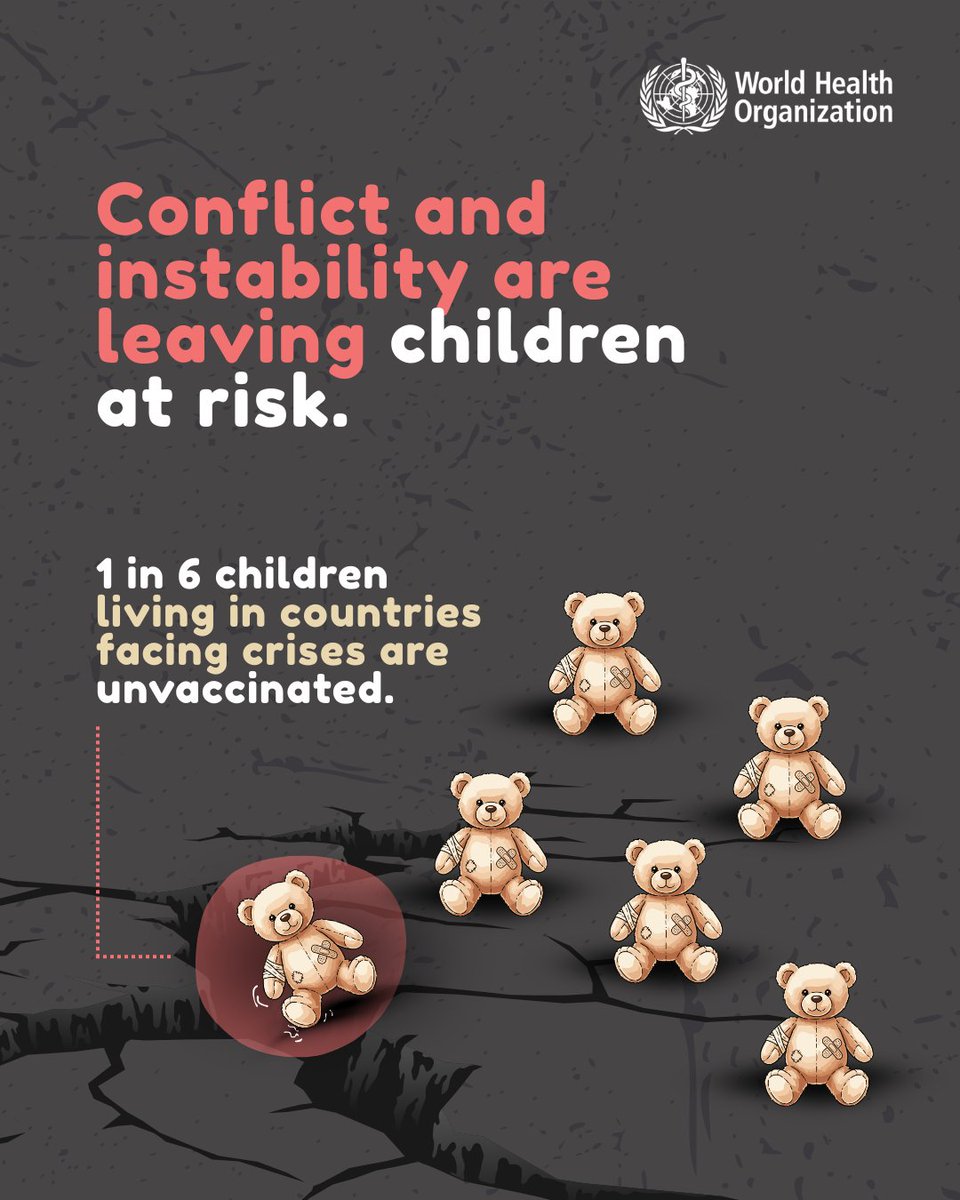
Imagine a child facing conflict and deprived of health care.
Many children today in countries facing crises are far more likely to miss out on vaccines: 1 in 6 are unvaccinated, compared with 1 in 14 in more stable countries.
No matter where a child lives, they deserve the chance to grow up healthy and protected.
#HealthForAll