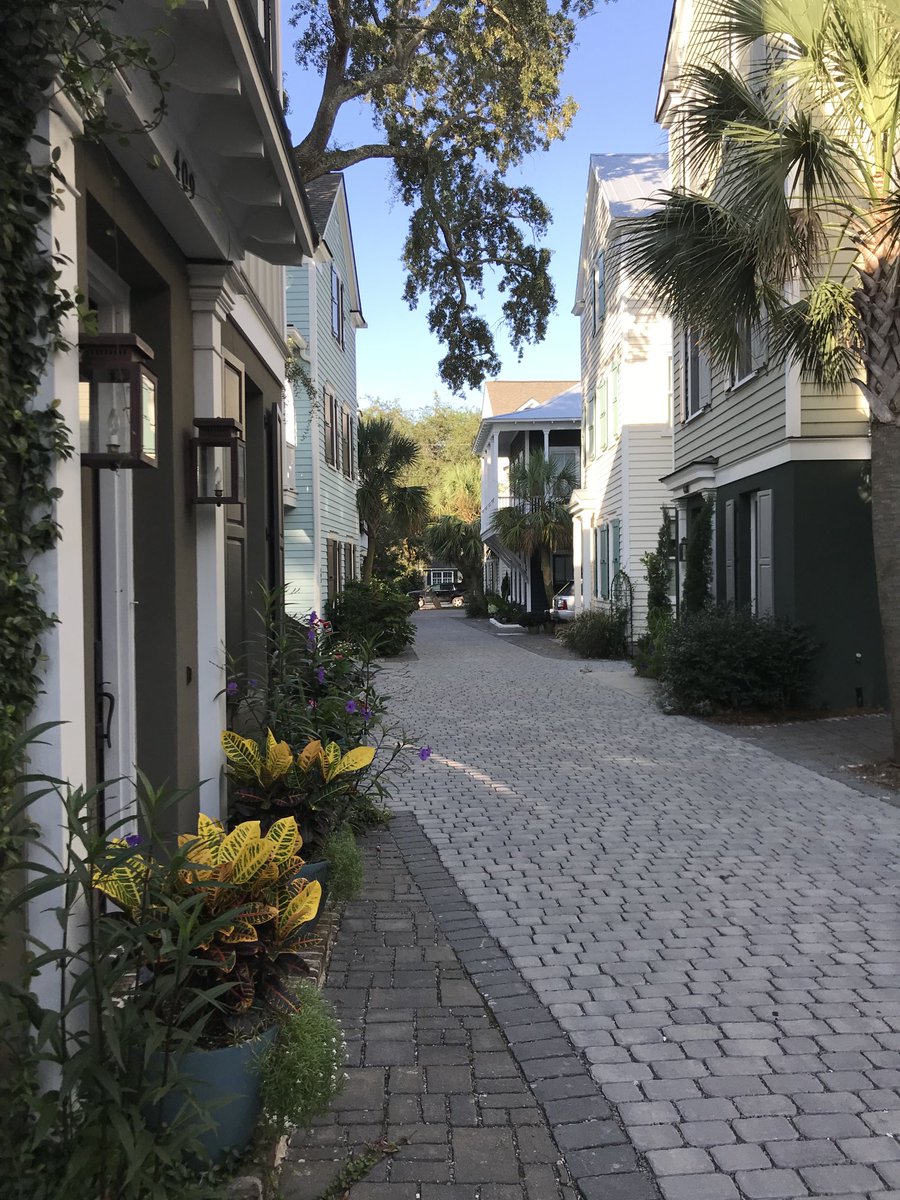
Quiet & cobbled, the former service lanes, stables & garages run behind the grand brick & stucco-fronted houses of Georgian & Victorian west London: Kensington & Chelsea, Notting Hill and Holland Park. Their appeal is their paradox: discreet, modest & manageable but....
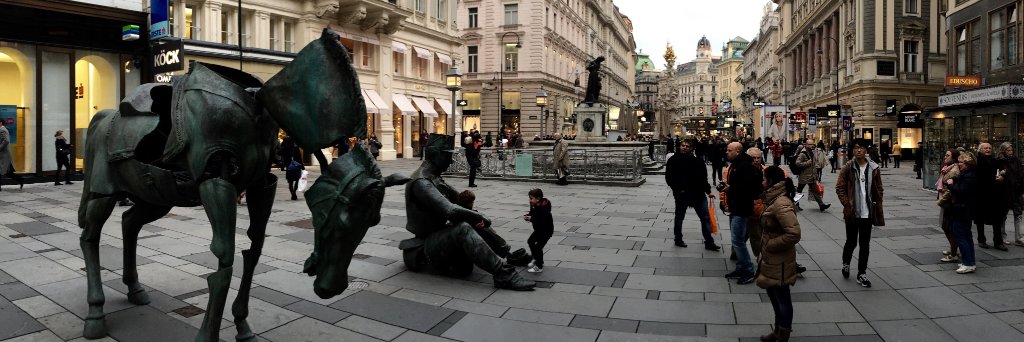
Paris has boulevards. Vienna has its Ringstrasse. Rome has piazzas. New York has its avenues slicing down Manhattan. Venice has its fondamente besides canals and its sottoporteghi under buildings. But surely the quintessential London street is the mews?
The Remitly graphic, based on @LifeAtPurdue University’s Income Satiation Study, offers a fascinating perspective on global wellbeing by estimating the income level at which additional earnings no longer produce meaningful gains in happiness.
Australia ranks as the second most expensive country in the world for achieving this ‘happiness threshold,’ at approximately A$245,000 per year (US$161,300)…just behind Iceland and ahead of Switzerland, New Zealand and the United States.
https://t.co/5G9xMVJWlH
But isn't there quite a concentration of cities in the bottom-left section of the graph (eg Chicago) where the price-to-income ratio is low and the average housing starts are also low?
#housing
8/ Criticism: A Copy of the Past?
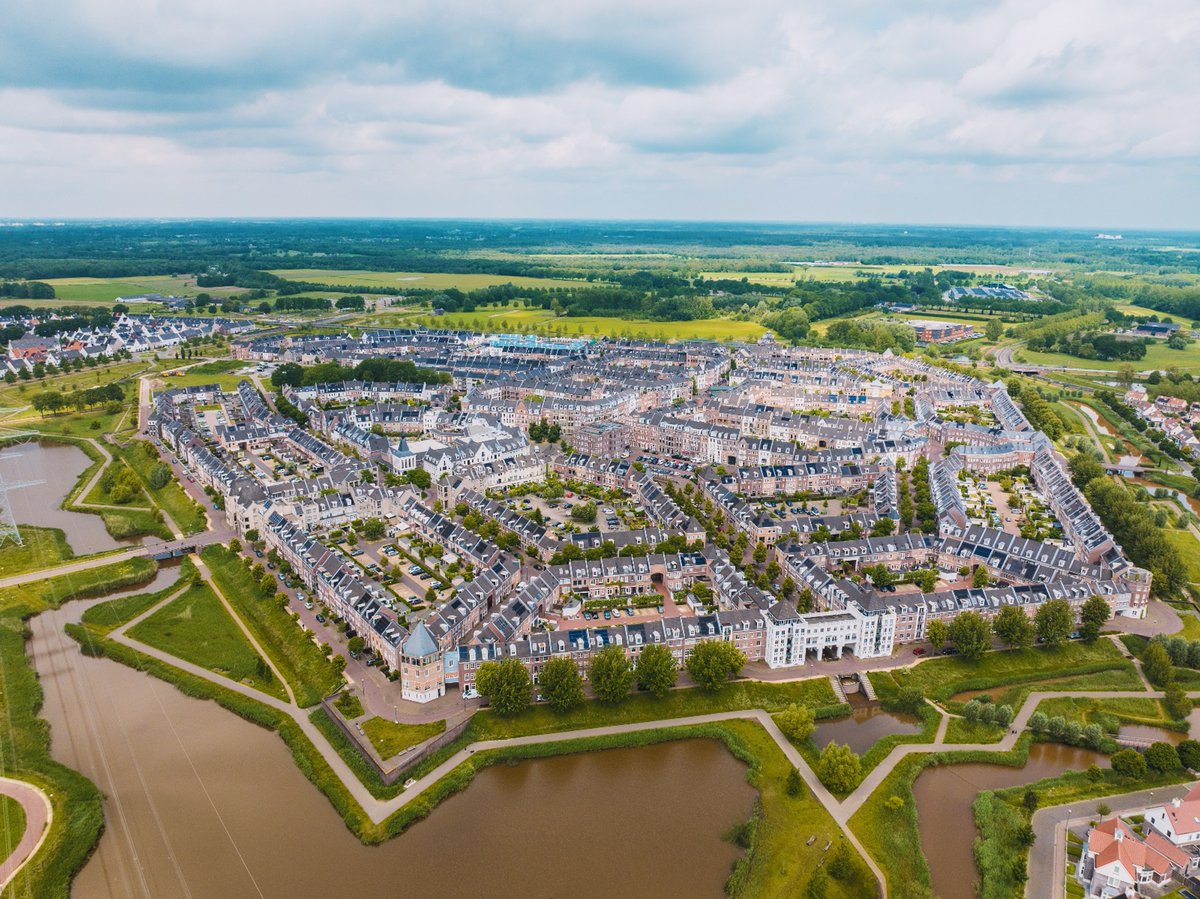
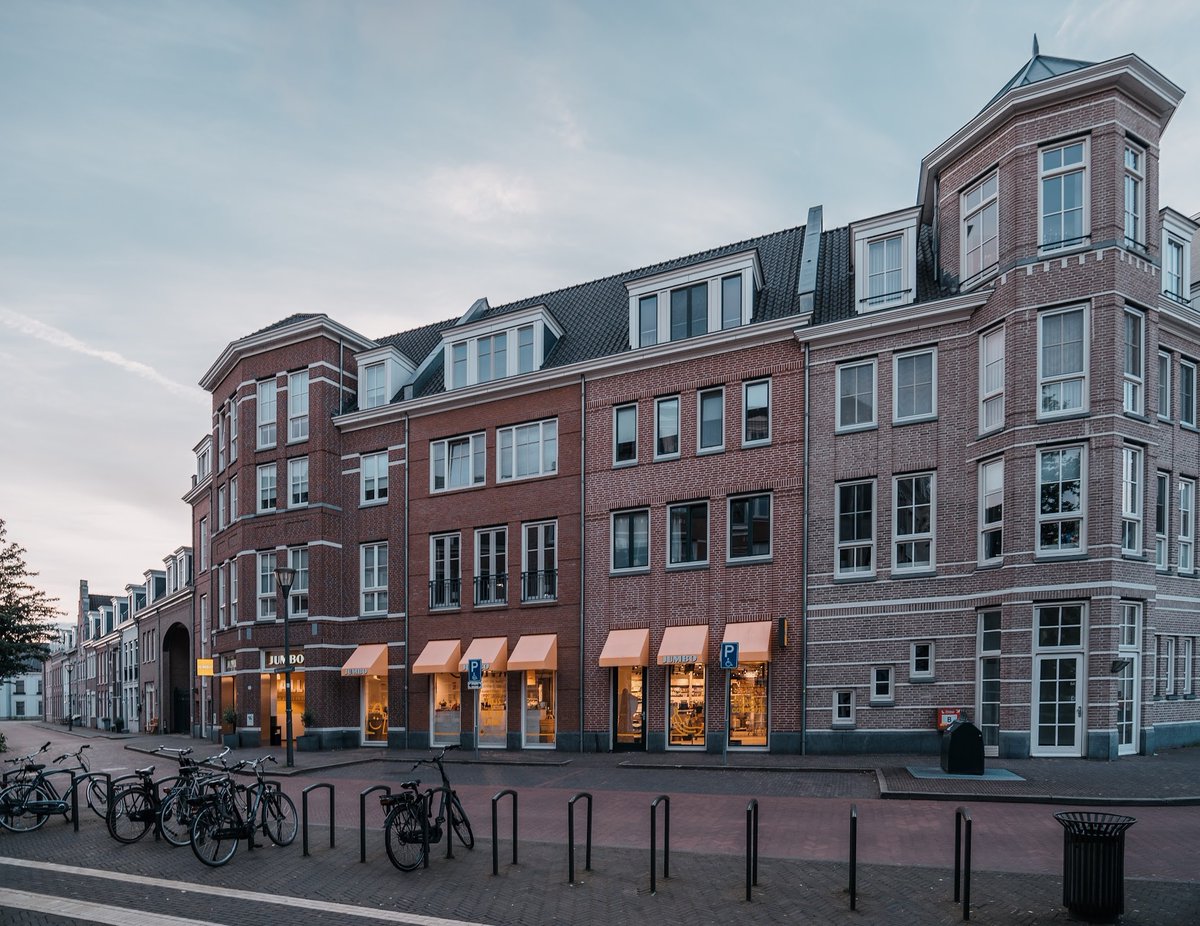
Critics argued that Brandevoort was just a nostalgic copy of old towns.
But in reality, it’s not about nostalgia at all: it’s simply a new town using time-tested principles, proving once again that learning from the past can go hand in hand with modern living and contemporary desires.
In June, I'm co-organizing a popup village called Edge Esmeralda!
It will be a place for people who believe the future can be better & are actively working to make it happen
It's also a prototype for a permanent new town I'm building — more on that in a future post 🙂
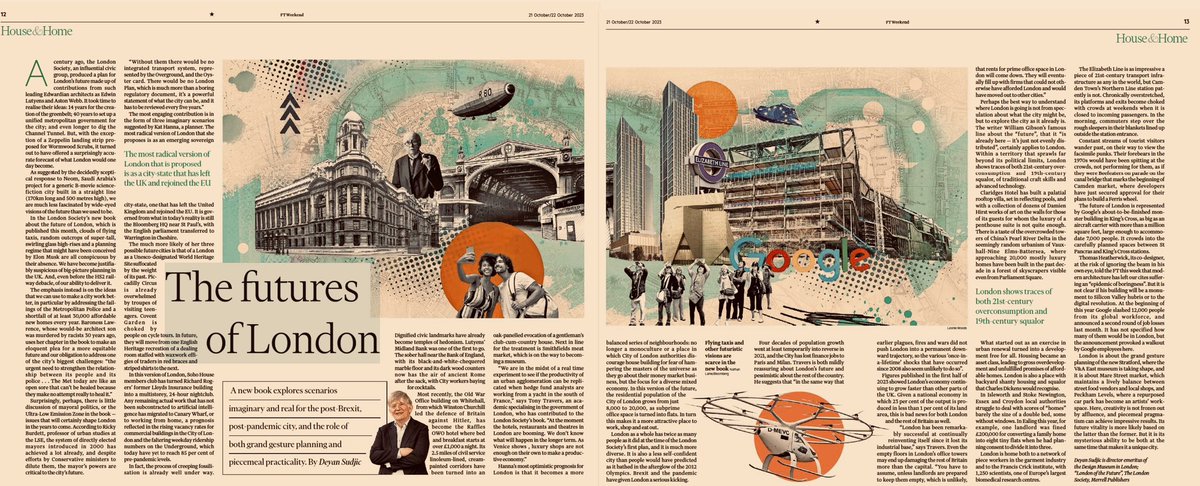
Financial Times | Deyan Sudjic In the London Society’s new book about the future of London, which is published this month, clouds of flying taxis, random outcrops of super-tall, swirling glass high-rises and a planning regime that might have been conceived by Elon Musk are all conspicuous by their absence.
https://t.co/cQcsKRT31E
The most engaging contribution is in the form of three imaginary scenarios suggested by Kat Hanna, a planner….
Hanna’s most optimistic prognosis for London is that it becomes a more balanced series of neighbourhoods: no longer a monoculture or a place in which City of London authorities discourage house building for fear of hampering the masters of the universe as they go about their money market business, but the focus for a diverse mixed economy.
In this version of the future, the residential population of the City of London grows from just 8,000 to 20,000, as subprime office space is turned into flats. In turn this makes it a more attractive place to work, shop and eat out… https://t.co/hgXq98qq8x
Based on the analysis from https://t.co/I3AeUZARA3, Blackfort and CoreLogic granny flats have the ability to quickly and affordably address some of the current housing crisis.
https://t.co/Qqq1Jr3cUF
Across Australia’s three largest capital cities there is the capacity to introduce 655,792 self-contained two-bedroom units as an addition to existing dwellings, providing an immediate opportunity to address the severe shortage of housing in these cities.
Public Square | Timeless walkable N/Hoods need safe and interesting places to walk…and useful destinations. That's where mixed-use centers come in…
Discernible centres and well defined edges are the hallmarks of timeless neighbourhoods…. https://t.co/szHQyQQs4E
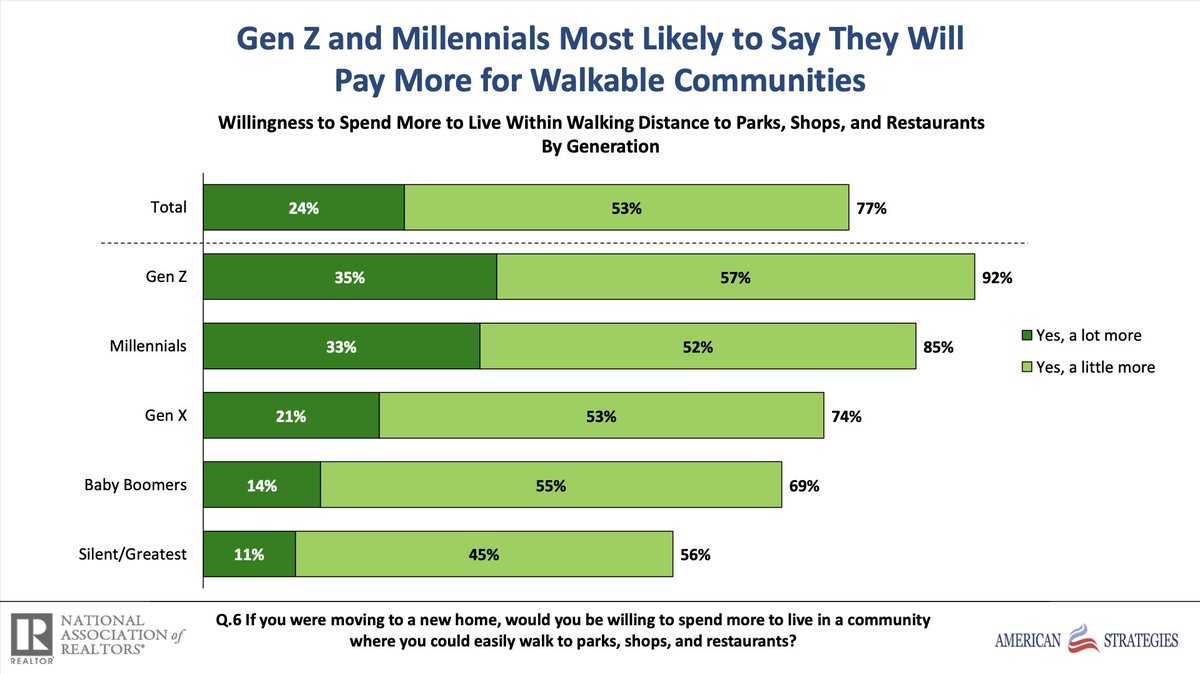
It’s not just Tampa. Everyone is waking up to how deep the demand for walkability is. 92% of Gen Z would pay more to live in a walkable neighborhood.
Every city is in a dogfight to become more walkable before the others do. Even if they don’t know it yet.
Every generation wants to live in a walkable neighborhood. But what I want to know is why the gap between Millenials and Gen X is so much bigger than the gap between Gen X and Boomers?