When I was in grad school, "Doctor Flemson or something" was one of our catch phrases. Funny only to us, but that's why you go to grad school, to find the people who share your obsessions and think the same niche jokes are funny.
That phrase is from the 1987 Apple "Knowledge Navigator" concept video. It's a great video. Squarely in the lineage of Vannevar Bush, J. C. R. Licklider, and Alan Kay, but prescient in its own right. The video shows a foldable tablet, a touch-screen interface, a conversational voice assistant with a strong personality and access to both personal and global information, realtime video generation, realtime computer vision, seamless video call integration, delegation of complex tasks for autonomous execution, and what we might today call "continual learning."
None of these ideas are particularly surprising to us in 2026. But Apple made this video 40 years ago. Before the Internet. Before most computer users had even seen a mouse, much less a touch screen.
What *will* be surprising to some people is that we can actually build this today. The team at @tavus re-created "Knowledge Navigator" using their conversational video agent tech stack and posted a video, captured in a single take.
"Re-interpreted" is probably an even better description of this project than "re-created." The original video features an academic (portrayed by an actor) preparing a lecture. The Tavus video captures actual use of this real personal assistant application: some recreational 3d printing, some vibe coding with Claude Code. "Let me model you a tapered adapter right now," delivered in my terrible version of a British accent, is my new catch phrase.
Response times are very fast, including the 3d model generation. Tavus worked with @cerebras on the video. I posted recently about how fast Kimi K2.6 is on Cerebras and how well the model does on my benchmarks. If you haven't spent much time with K2.6, it's worth watching the video just to get an intuitive sense of the speed, natural conversation dynamics, and structured data strength of this model.
I'm always, always impressed by the Tavus team. (After grad school, you move to San Francisco to find even more people who share your obsessions.) @hassaanraza wrote a wonderful, meditative blog post on the experience of building and using this new version of a knowledge navigator. Link in thread.
Introducing Phoenix-4, the most advanced real-time human rendering model ever built.
Its the first real-time model to render every pixel at runtime, generate and control emotional states, listen actively, and actually behave the way humans do in conversation.
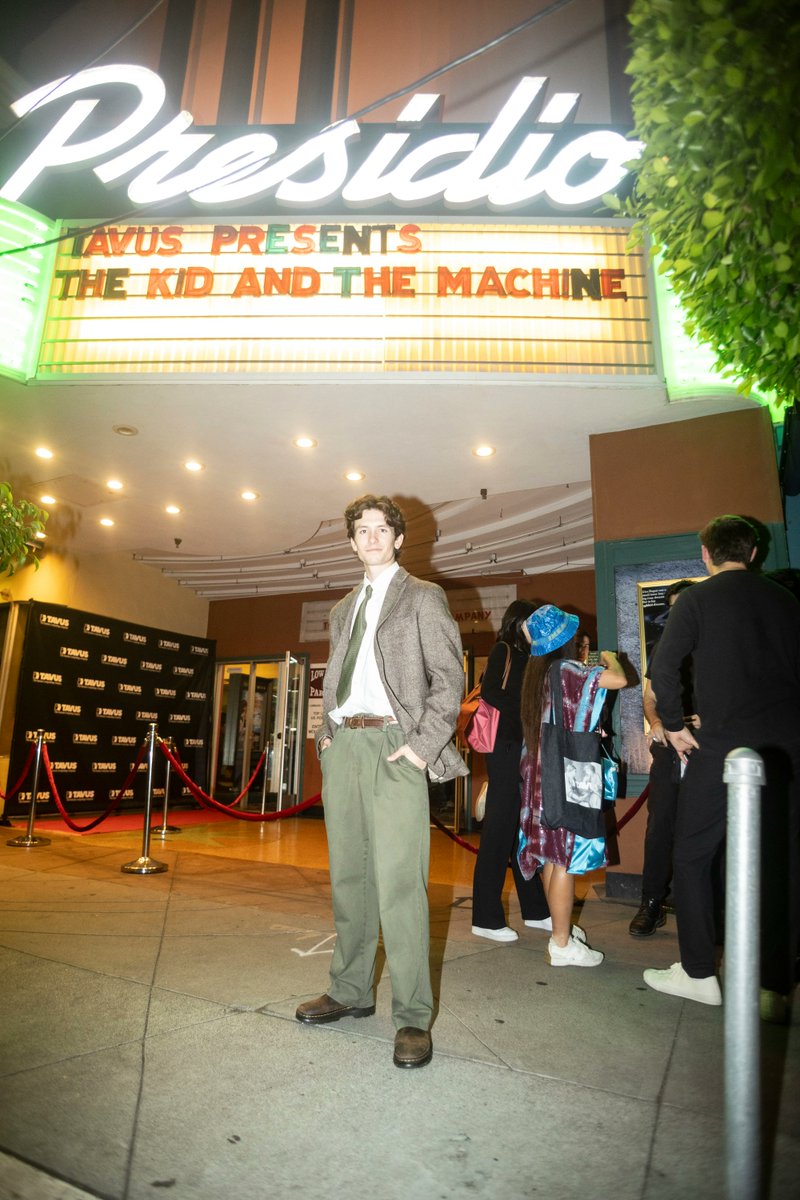
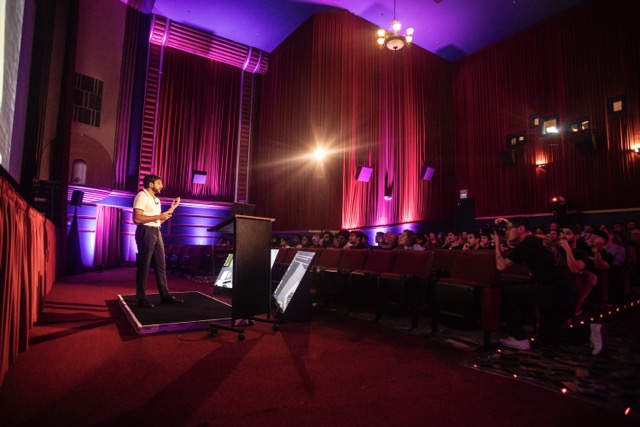
Last night we rolled out the red carpet for a special premiere and a first-ever look at the future of human computing.
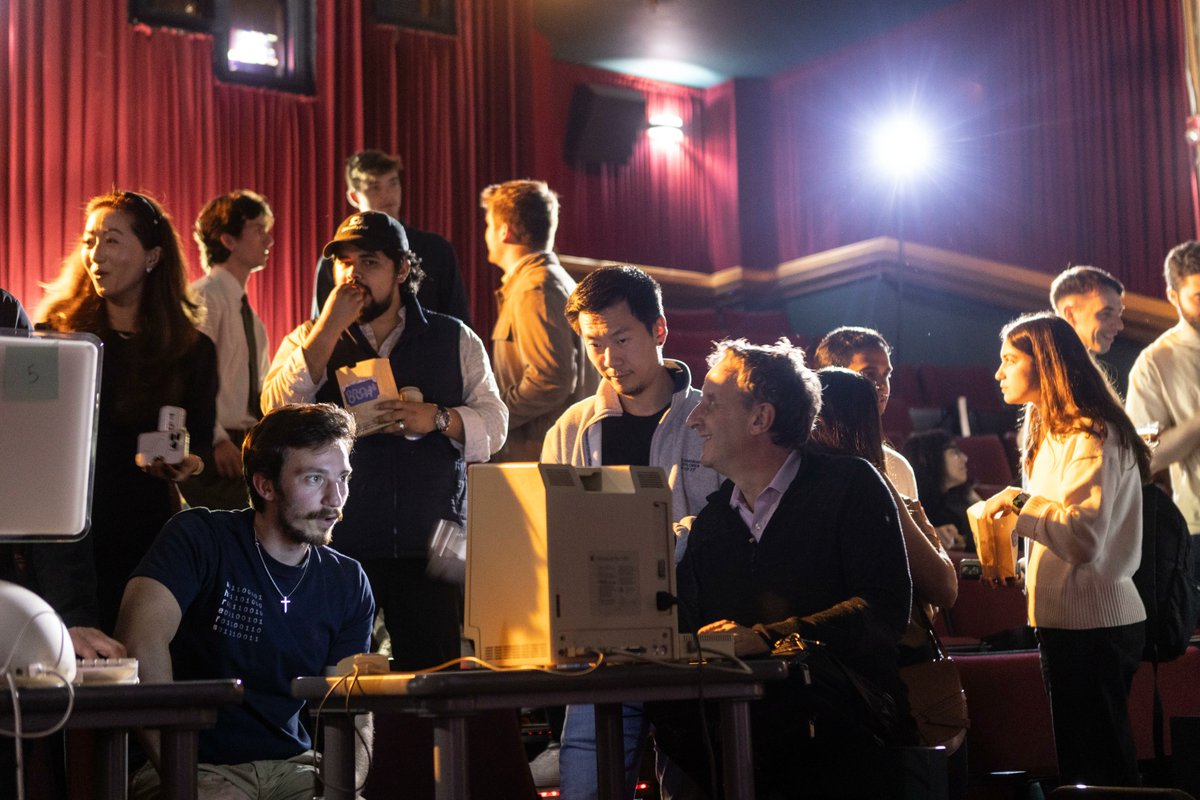
We took over the Presidio theatre in SF, filled it with retro computers, and brought everything back to life for a full on immersive experience.