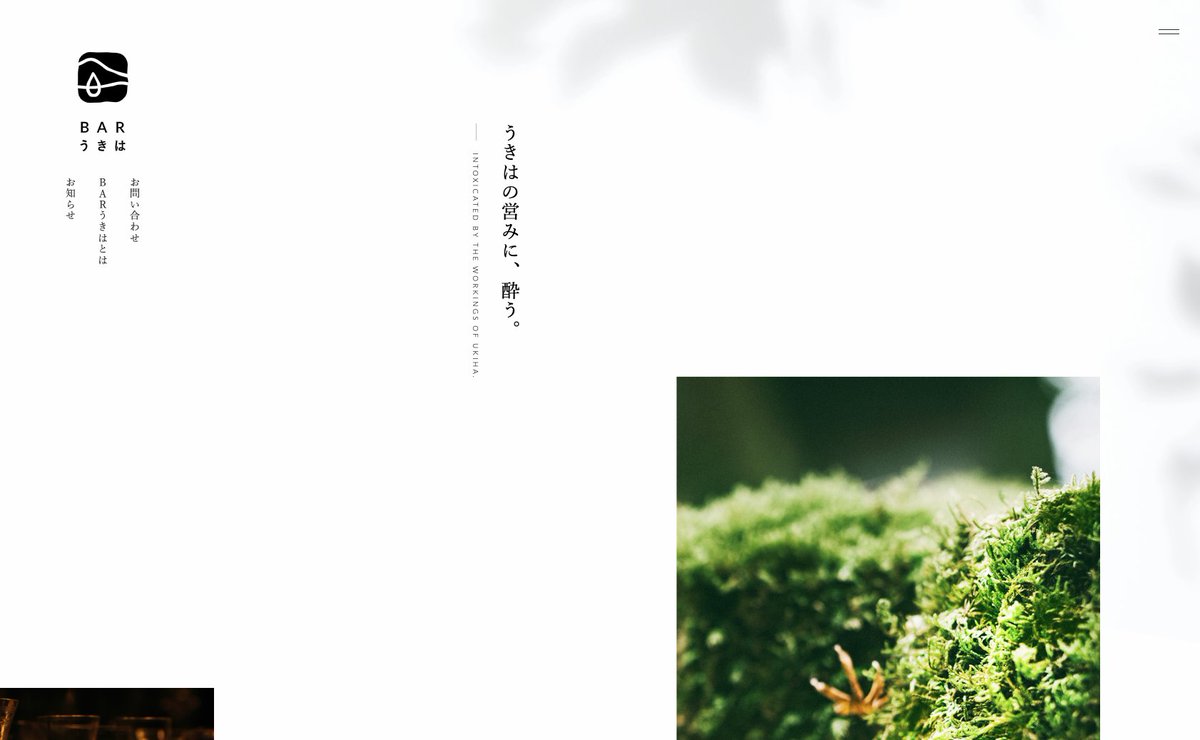
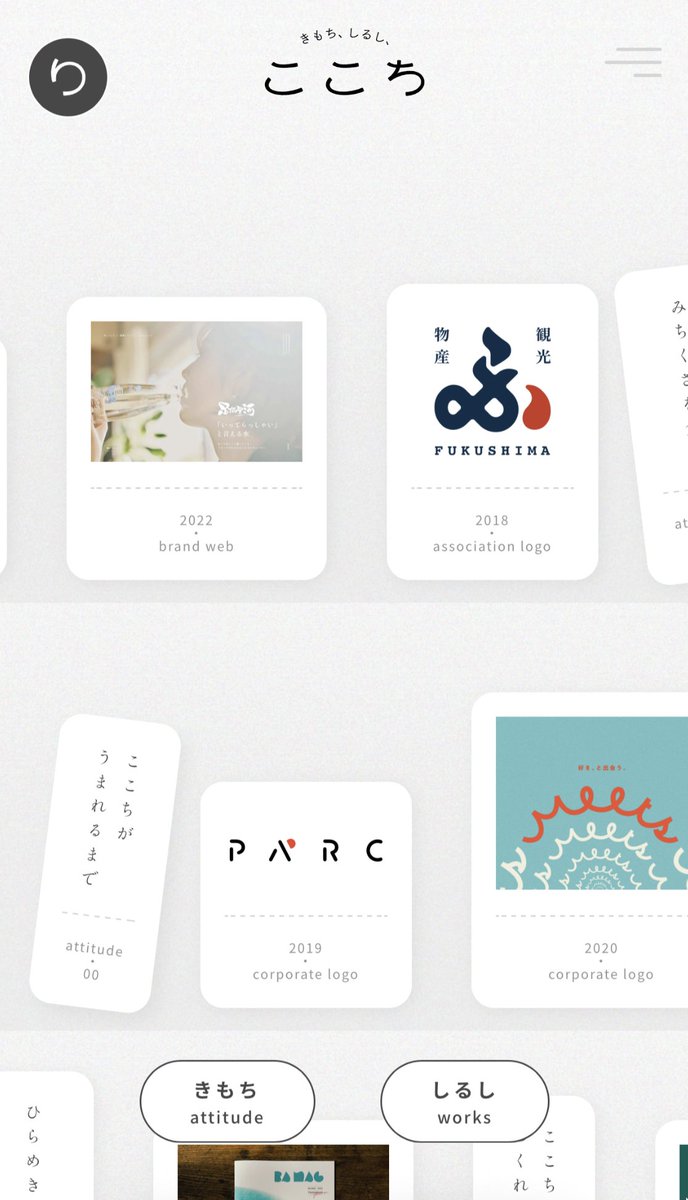
AI 只是换了一种生产方式,skill 变成了模版。大家开始都开始变成橙黄色阶,开始使用 instrument serif 字体。设计和市场营销其实是一场关于流量零和博弈的游戏,如果设计和市场策略看上去都一样,也就意味着策略失效了。如果我们把这个过程外包给 AI ,那意味结果没有价值了。
所以回归原始的问题,回归原始的定义,回归经典的设计准则,回归自然,培养审视事物美好一面的能力 - 即审美能力,时而不是的磨平 AI 对脑子的侵蚀。
Cursor is hiring design engineers.
looking for people with taste, systems thinking, and deep care for fast, polished experiences – especially folks excited to build the tools that help designers, engineers, and agents ship quality code.
know someone? tag them or DM me 📧
Building apps has never been easier.
With Sites, Codex can turn your work, ideas, and plans into an interactive website or app your team can explore, use, and share with a URL.
Rolling out to Business and Enterprise plans, before expanding more broadly.
the inspiring moment.
"We’re going to sell those ten million computers in ’86, whether they look like a piece of shit or they look great.
By ’86, ’87, pick a year, people are going to be spending more time interacting with these machines than they do interacting with their big automobile machines today. People are going to be spending two, three hours a day sometimes, interacting with these machines.
So we had three options. One was to do nothing. And as I mentioned, we’re all pretty young and impatient, so that was not a good option. The second one was to put a piece-of-garbage computer in a book. And we can do that, but our competitors are doing that, so we don’t need to do that.
The third option was to design the computer that we want to put into the book eventually, even though we can’t put it into the book now. "
https://t.co/VhnqsGC7u1
new software is the online doc
to collaborate, to communicate.
the generation growing up with ai will naturally build with ai, or not learn a lot old, heavy, clumsy softwares.
We just launched Sites into Codex!
Software creation was always about more than writing code. Sites in Codex fundamentally gives the power of end-to-end software creation to every user, no matter their technical fluency.
These Sites are fully deployed to a URL, private to workspaces, come with authentication, can have static files, and can store dynamic data in databases.
It is in preview for business and enterprise teams and will be rolling out to all workspaces over the next day. Give it a try by typing @ Sites into Codex and ask it to build anything!
This project took a massive amount of effort across hundreds of people at OpenAI - proud that we were able to get this out and excited to see what you all build with it!
thoughts on old softwares and building new:
AI is reshaping the competitive landscape of productivity and creative tools.
Before the AI era, the biggest challenge for new entrants was competing against dominant incumbents. These companies owned comprehensive feature sets, mature workflows, massive user bases, and deeply ingrained user habits. The entire software industry was fundamentally built around the idea that humans learn tools and operate tools.
But AI-native entry products like Anthropic Claude, OpenAI OpenAI Codex, and Anysphere Cursor are becoming a new kind of work interface. Users are starting to rely less on complex software operations, and instead collaborate with AI by describing goals and expressing intent.
The traditional barriers built by software companies — editor complexity, feature completeness, template ecosystems, and deeply rooted workflow dependencies — were all fundamentally products of a GUI-era design philosophy centered around humans operating software directly. But when humans begin collaborating directly with agents, the importance of software itself starts to decrease, while the importance of underlying capabilities increases.
Traditional productivity tools were fundamentally about improving efficiency. A great product was defined by being faster, cheaper, and more standardized. But AI is rapidly driving execution costs toward zero. Generation, layout, production, and editing are all becoming low-cost commodities.
What will matter more in the future is no longer how fast something can be made, but how creative, tasteful, and emotionally resonant it is. The truly valuable capabilities will become aesthetic judgment, creative reasoning, storytelling, and a deep understanding of culture and emotion.
If we continue following the old logic — building a smarter, more automated, more efficient version of Canva Canva or Figma Figma — we are still fundamentally building better tools. The paradigm itself remains unchanged.
From the user side, the next generation will naturally grow up in a world where AI is always present. They will no longer learn software first and create afterward. Their natural workflow will instead be continuous conversation, exploration, generation, and iteration with AI.
In that world, understanding products primarily through the lens of “tool supply” — adding more features, more buttons, and more complex editors — will increasingly stop making sense.
The real question for next-generation products is no longer:
「What tools can we provide?」 But rather: 「How can we become collaborative intelligence within the user’s creative process?」
The opportunity is that any player now has the chance to redefine a new “bridge layer” between AI-native interfaces and their own products — a layer that helps users unlock creativity and amplify imagination.
We're hosting an event on June 16th in San Francisco.
Compile is a one-day event that brings together engineers, researchers, designers, and builders of all kinds to discuss the future of software.
https://t.co/8YERlPFooL