Do you know how insane it is that women have been fighting to be treated like humans with equal rights for centuries and this is all the progress we’ve made? OVER CENTURIESSSS???? Can you imagine how horrible it previously was? That in big 2026, rape victims are still afraid to speak up due to stigma and knowing nothing will likely happen to the perpetrators?
Lord, grant me the serenity to accept when it's no longer my circus, the courage to control the monkeys that are still mine, and the wisdom to know the difference.
Do you remember those days when photo albums were given to visitors as entertainment? And one member of the family would sit next to visitors, to give details of each photo🤌😅
Another scam people have normalised is capitalists selling five pots with lids and calling it a 10-piece cookware set, because apparently lids have suddenly started counting as separate cookware.
Right up there with “per person sharing,” mxxm.
passports are imperial documents designed to regulate the flow of people from postcolonies to metroples. they are not neautral travel documents. & it's not like colonizers applied for visas when they went & colonized vast swathes of the globe.
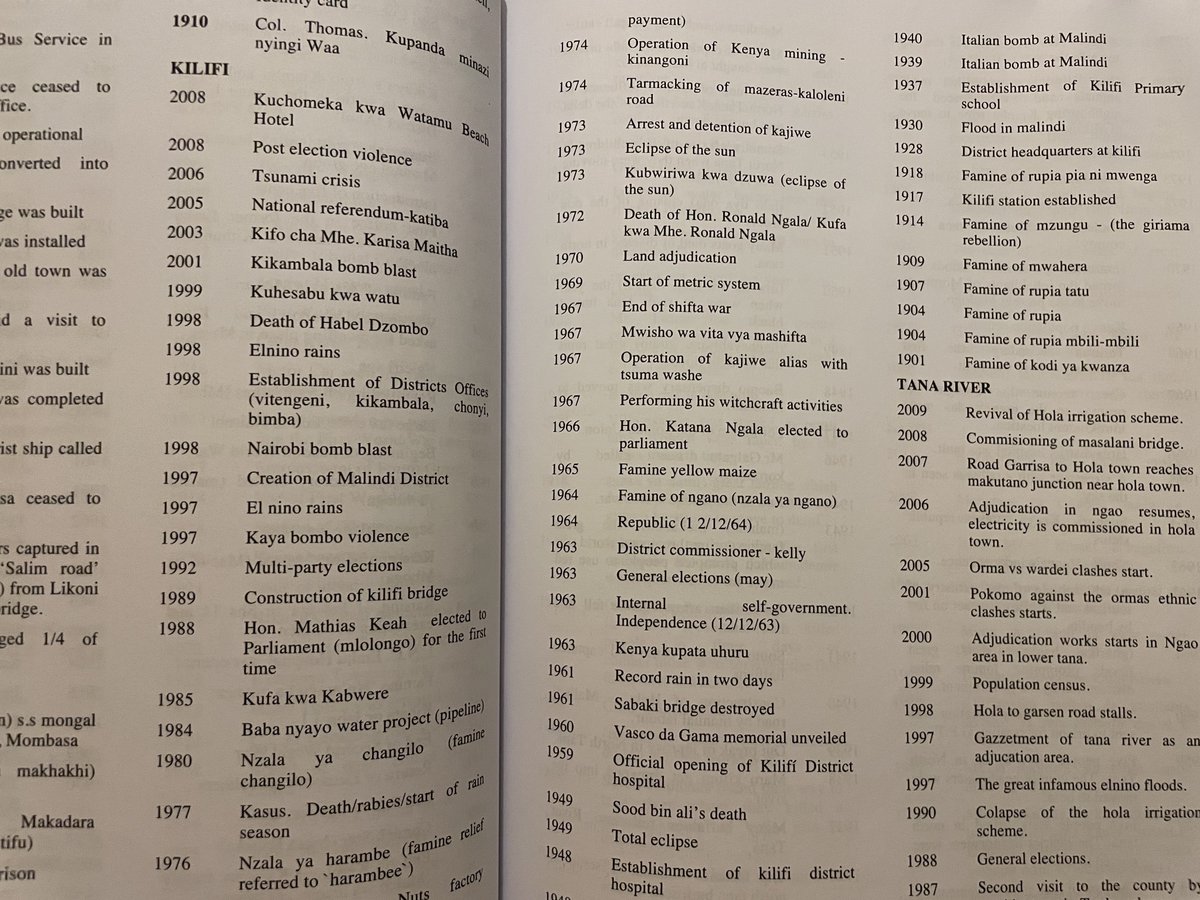
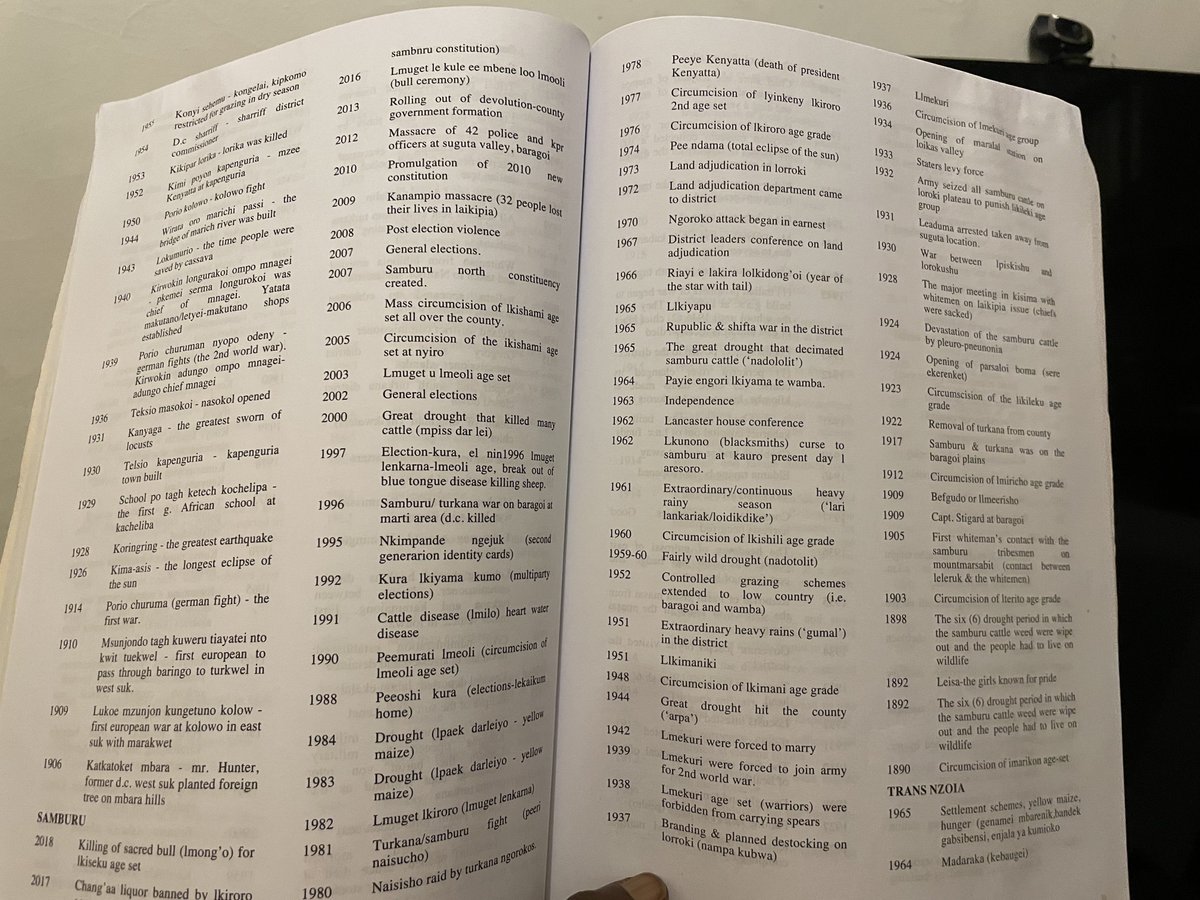
I just got my hands on the most detailed chronological collection of historical events in Kenya - aggregated per subtribe or locality.
The first version of this appendix was compiled in 1962 - the version I have can’t be published for “reasons”.
@TiskTusk peep Samburu depth F4
As the Internet shutdown begins in Uganda, please note that telecoms and banks will be compensated for their losses, using your hard-earned taxes, as happened previously.
Those multinational parasites still make billions, regardless of the state of governance.
And...just like that, the affordable killing project has been stopped. Unfortunately, Makau Mutua blocked me before this ruling, so I'll have to rely on others to insult him for me
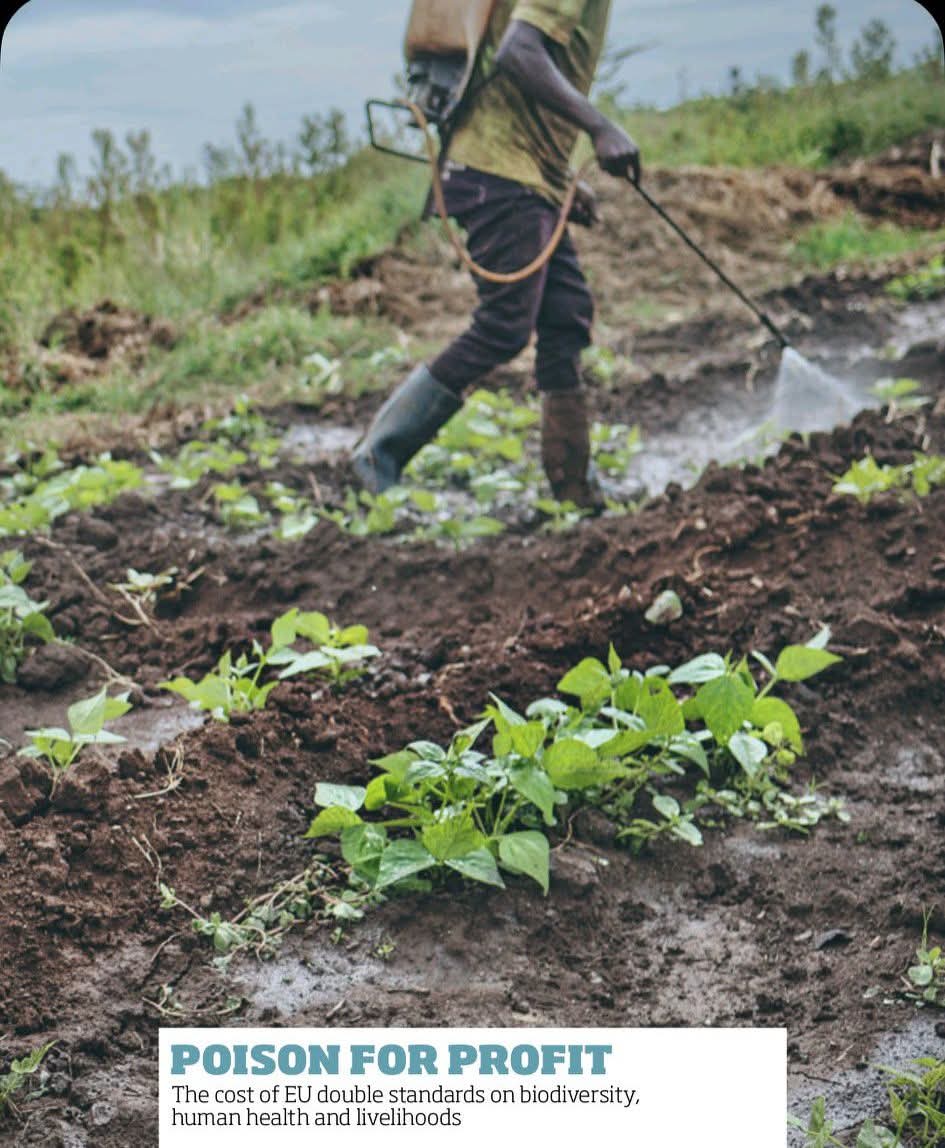
An important PDF report titled “Poison for Profit: The Cost of the EU’s Double Standards on Biodiversity, Human Health, and Livelihoods” presents an investigative study that exposes the ongoing export of pesticides banned within the European Union to the African continent, pesticides whose use causes serious harm to farm workers and ecosystems. Focusing on Kenya as a case study, the report shows how thousands of tons of these chemicals leave EU markets every year, many of them outlawed for domestic use due to well-documented risks to human health and the environment. Yet EU law still permits their manufacture and export to African countries, offering a stark example of Europe’s environmental and human rights double standards.
The report also documents the widespread effects of these pesticides on Kenyan farmers and local ecosystems. Workers interviewed for the study described severe eye and skin irritation, respiratory problems, and in some cases farmers collapsing in the fields and even deaths. Health professionals noted an increase in cancer rates in agricultural regions, while farmers reported environmental damage including the disappearance of bees and contamination of water sources.
The risks observed in Kenya mirror a recurring pattern across many low and middle income countries, where fruits and vegetables are grown using pesticides manufactured in Europe and banned there, only to be exported back to European markets. This paradox reveals a deep contradiction at the core of the global capitalist system. Europeans prohibit the use of these substances within their borders to protect their own citizens and ecosystems, yet continue to produce and export them to the Global South. At the same time, Europe allows the import of agricultural products grown with these banned pesticides as long as chemical residues remain below EU defined maximum limits, even when the substances themselves are classified as hazardous and prohibited in Europe.
As a result, produce cultivated with banned toxins can still be accepted in European markets as long as it does not exceed the dose determined by the North. Meanwhile, the economic burden of rejected shipments falls entirely on vulnerable African producers. This was evident in 2022 when Kenyan agricultural exports to the EU faced 31 seizure incidents that resulted in the loss of more than 118,000 tons of vegetables. Around 20 of these cases are believed to be directly linked to banned pesticides or their residues, compared to 79,000 tons in 2016. Despite growing efforts to promote voluntary monitoring, pesticide companies and retailers have shown no meaningful action to address these impacts on the ground. The accountability gap therefore persists as the most vulnerable communities bear the consequences of unsafe exports, while major EU based companies continue to profit at the expense of human life and the environment in Africa.
To read or download the full report: https://t.co/acY81MLef6
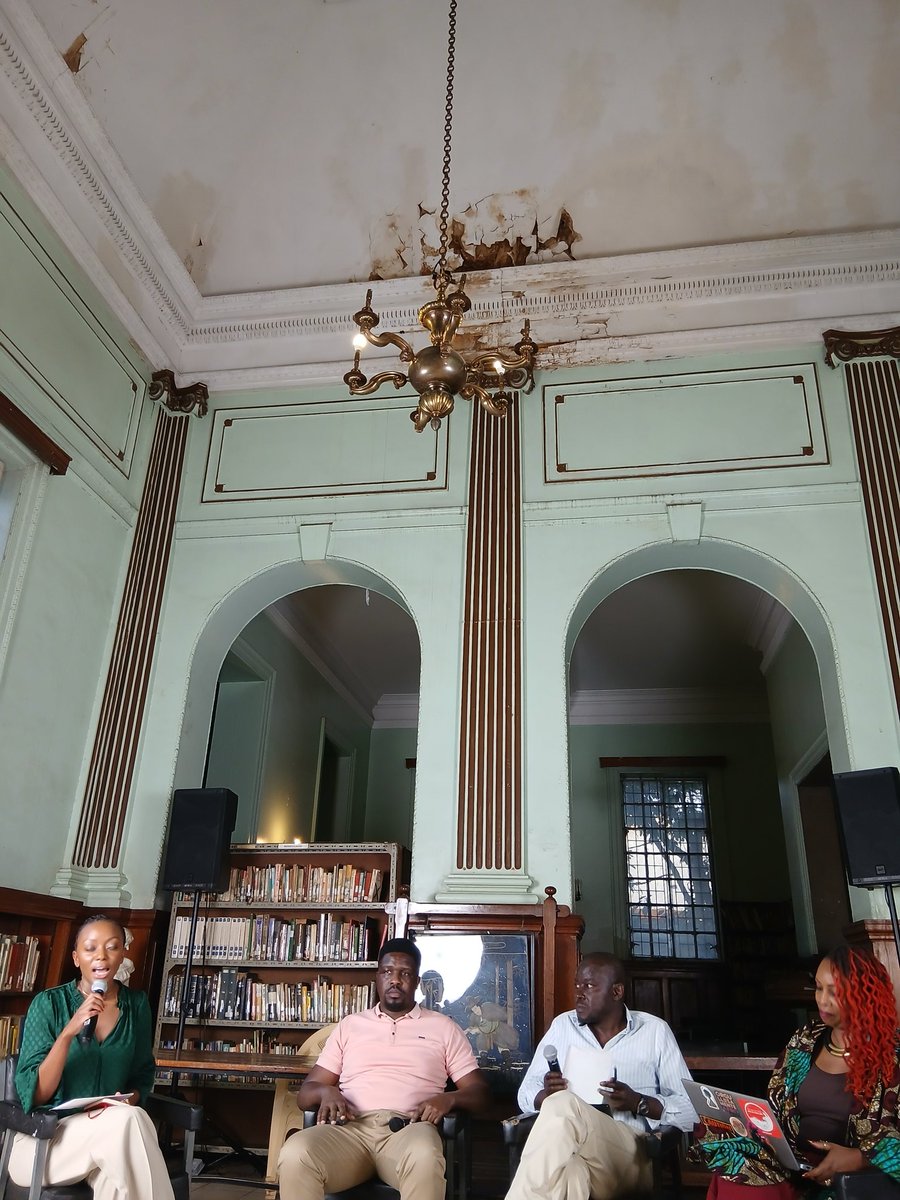
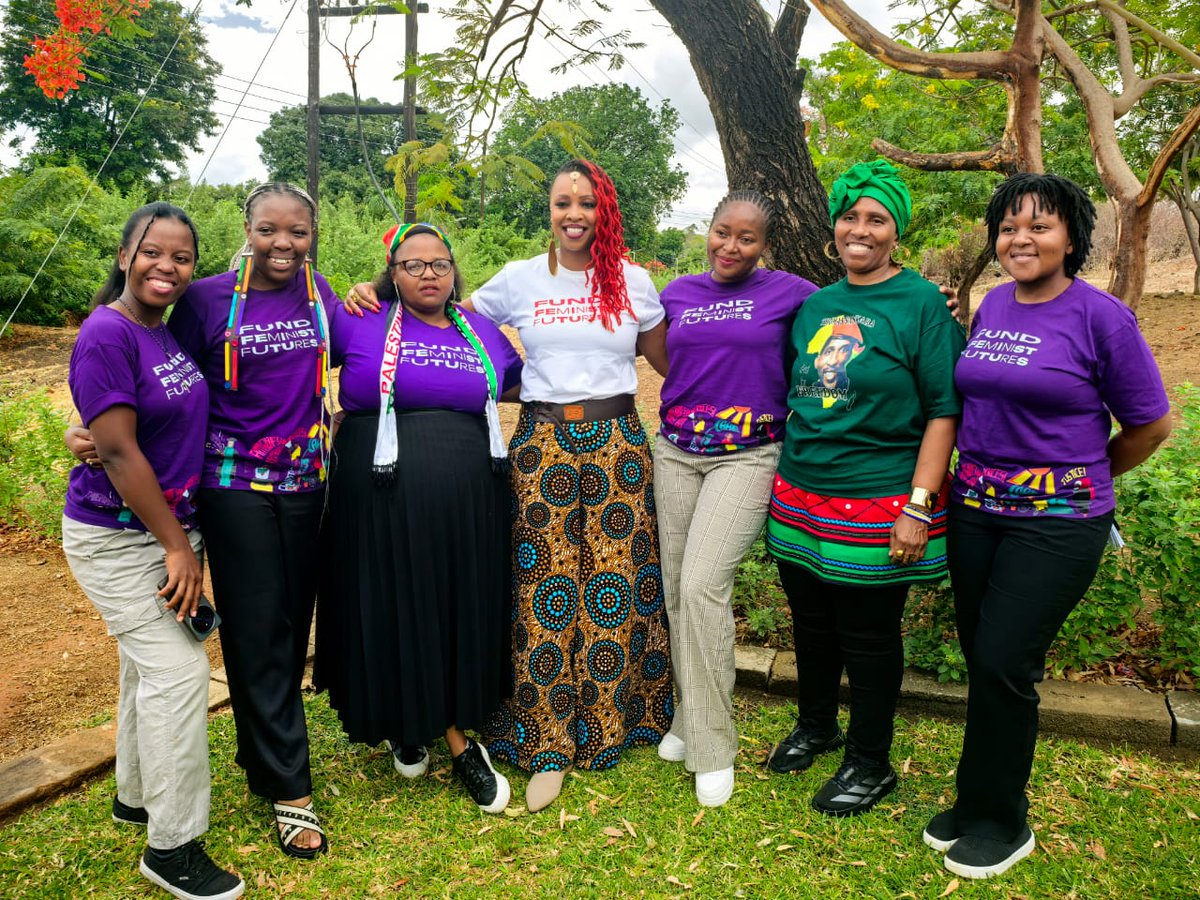
Celebrating 30 years since the Beijing Declaration with ActionAid Malawi🇲🇼
Our YUW Zandile Mabaso had the honor of being in the presence of Dr. Khanyisile Litchfield-Tshabala as she joined a panel moderated by Wangari Kinoti, exploring Intergenerational and cross-regional lessons and implications for Global Feminist organizing ✊🏾
#BuildingFeministFutures