We haven’t forgotten you, Ann.
And we never will. 🙏❤️🇬🇧
Ann Widdecombe was murdered in her own home on Dartmoor. A 78-year-old woman, sitting down to lunch. Targeted for who she was and what she stood for. Brutal.
Already the cameras have largely moved on.
Why does it feel like no one is talking about her anymore? It’s as if the story has been allowed to fade.
We still haven’t forgotten. Even if parts of the media have.
Justice for Ann Widdecombe. Not silence. Not Cover Up’s. JUSTICE!
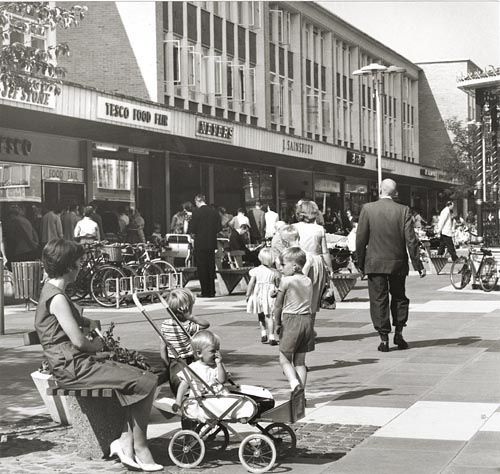
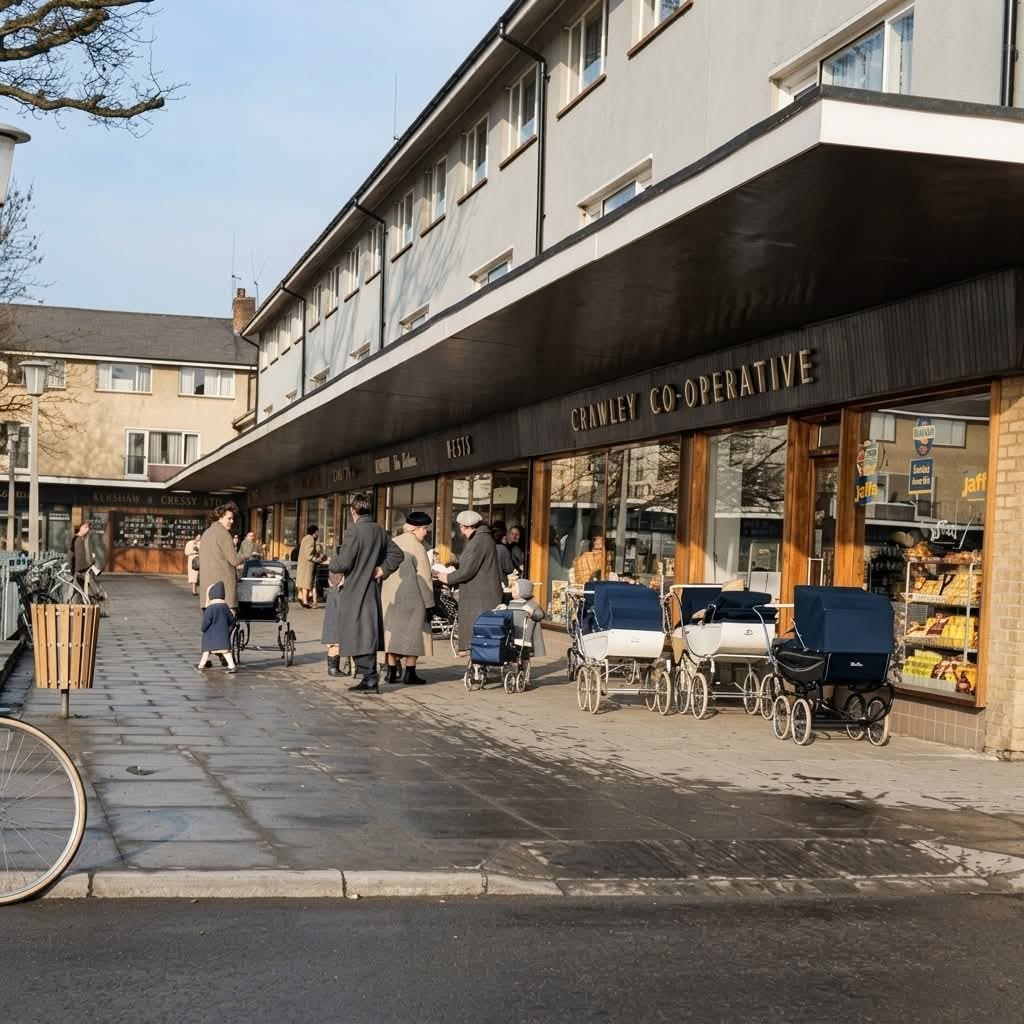
Did you have a local shop similar to this? Where the shopkeeper who lived in the flat above would not only know your name but also the names of everyone in your house.
The rarest thing on Clarkson's Farm is not the Lamborghini tractor. It is Kaleb Cooper.
A young man, genuinely young, who wanted to farm and does. Who runs the place, knows the ground, drives the machinery he was raised around, and has built an entire working life on a farm before the age most people have chosen a career. On screen he is comic relief, the exasperated professional rolling his eyes at Clarkson. Step back and he is the single most valuable and most endangered thing in British agriculture, and the show never quite says so.
Because here is what Kaleb actually represents.
The average British farmer is past sixty. In America it is 58 and climbing, with the over-65s now the largest group by far. Right across the developed world the story is identical: the people who grow the food are ageing out, and almost nobody young is coming in behind them. Not because the young do not want to. Because the door has been bricked up.
Work out what it takes for a young person to farm today. You need land, and farmland costs a fortune precisely because it is a tax shelter rather than a business, so it is priced out of reach of anyone who actually intends to earn from it. You need capital for machinery that runs to six figures a unit. You need to survive years of thin or negative margins with no cushion. And you need to accept that the reward for clearing all three hurdles is the £144 profit the whole country watched Clarkson find.
So the miracle is not that farming is short of young people. The miracle is that Kaleb exists at all.
He came into it, stuck at it, and made it work, and the reason a few million people know his name is that a television programme happened to point a camera at him. For every Kaleb on screen there are a thousand villages that no longer have one, where the young left because the maths told them to, and the farm went to the retiring neighbour who was already too big, and the land got a little more consolidated, and the countryside got a little older.
Kaleb barely wants to leave the county, let alone the country. When the show finally took him abroad it was an event. And that rootedness, the sheer unfashionable determination to stay put and do one hard thing well, is precisely the trait the entire food system depends on and has spent fifty years making financially irrational.
The old farmers are retiring. The young ones were priced out before they started.
We are down to hoping enough Kalebs turn up by accident, because we built a country where choosing to feed people on purpose is the wrong financial decision.
Fifty-year-old Jack Hobbs on his way to 117, Surrey v Somerset, July 26th 1933. It was his 89th and penultimate hundred at The Oval - his last came a fortnight later. He only made one more century - v Lancashire at Old Trafford the following May - and retired at the end of that summer. Of his 199 hundreds he made 144 for Surrey, 16 for The Players, 15 for England, 12 for the MCC. After The Oval, Lord's was his best ground with 16 hundreds and then Scarborough with 10. Leeds was his least successful major ground with only one hundred and a record of 708 runs at 32.18 in 13 matches
“I’ve been appalled at the way that she's been traduced by people who should know better."
@IainDale calls out scumbag leftists for their gleeful reaction to Ann Widdecombe’s brutal murder.
A rare and fascinating 1930s film showing the flow of traffic on Westminster Bridge in London. Trams, cars, bicycles, horse drawn carts, and pedestrians all make their way across.