OMG, I want to live in this article! Spiegehalter puts in words exactly how I approach probability: it doesn't exist as an objective measure, but it's still useful to pretend it does.
In a way, it feels like Calibrated Bayes, my favorite kind of Bayesian!
Referrals to PR from Primary Care.
Not many, low severity of of functional breathlessness, and 64% of them had previously attended PR...
https://t.co/aE7n3w0ZrS
Doing a systematic review and meta-analysis for the first time?
Check out this useful guide:
A 24‑step guide on how to design, conduct, and successfully publish a systematic review and meta‑analysis in medical research
https://t.co/fd7lQ9m6cD
Starting a #PhD? You need to read this article about: The care and maintenance of your adviser/supervisor. Download the Nature article on this topic here. https://t.co/xFnzQWEt5p #PhDchat#PhDforum#postgrad#VitaeCon2024
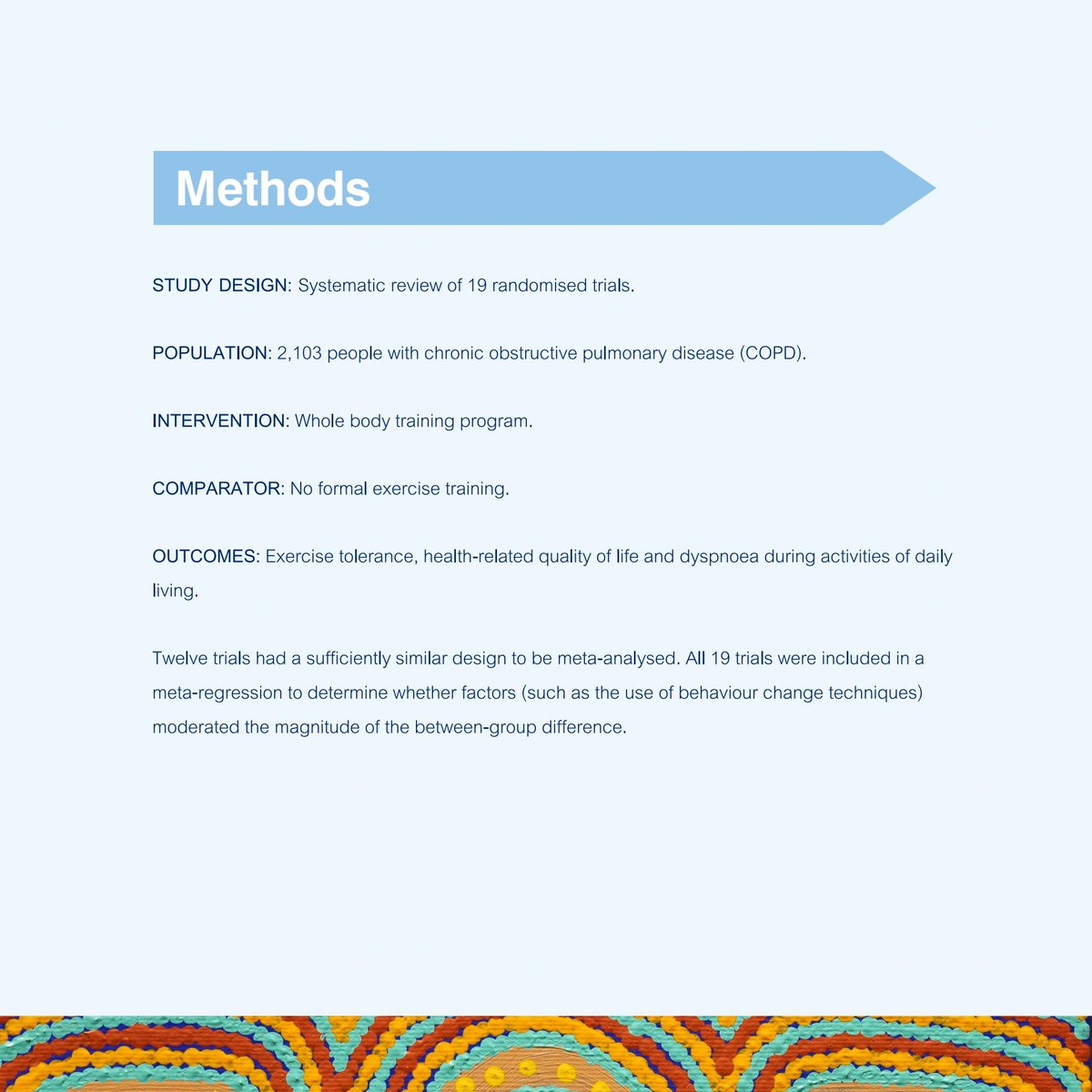
InMotion featured a nice little summary of our systematic review investigating maintenance of training-related gains in people with COPD who complete an exercise training program: https://t.co/iESiyyvcS4
@vincavalheri@DanielGucciardi@KylieHill2015 and Hollie
In #COPD, applying behaviour change techniques with a clear focus on participants integrating regular structured exercise into daily life beyond completion of an exercise training program is important for promoting maintenance of training-related gains. https://t.co/ba3suYR6EI
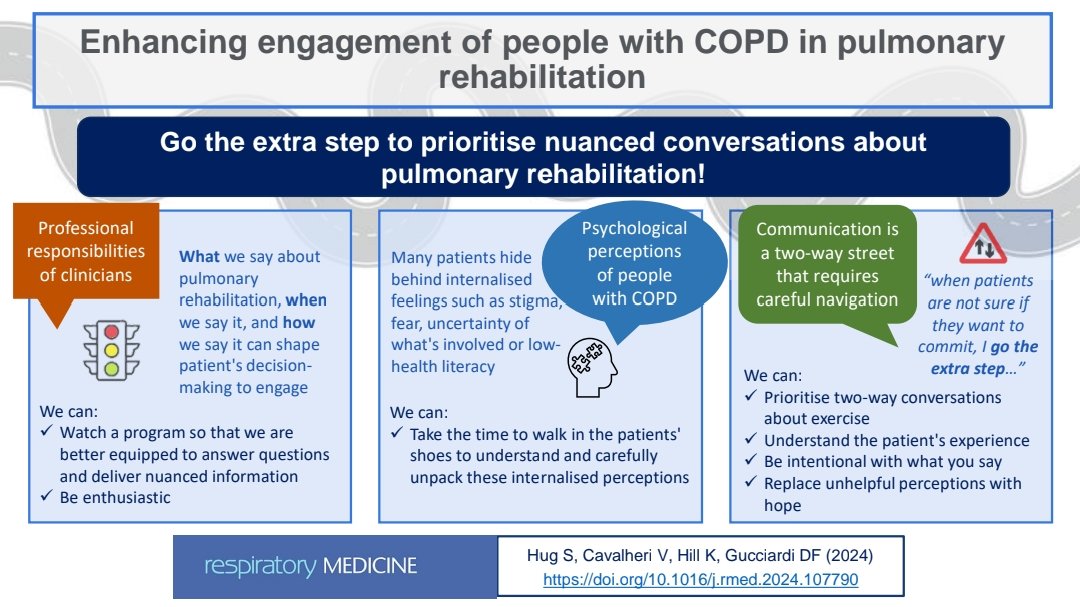
Prioritise talking about it 🗣 show patients you believe in it 💪 walk in their shoes to understand psychological perceptions 🧩... going the extra step to support engagement in pulmonary rehabilitation 🤝
@KylieHill2015@vincavalheri@DanielGucciardi@warrp2@CurtinAlliedHth
@ScholarshipfPhd Your supervisor is in the driving seat for the first 12 months (at least) - they are the experienced researcher! They (usually) won the grant money and are responsible for the success of the project. The need for independence by the student too early can derail the project.