Posted this on the "other site" but wanted to share here:
I made a new gif for a new site tracking JWST observations of exoplanets (still a work in progress): https://t.co/WS9WyAswMz
What an exciting ~3 years it has been! ✨🔭✨
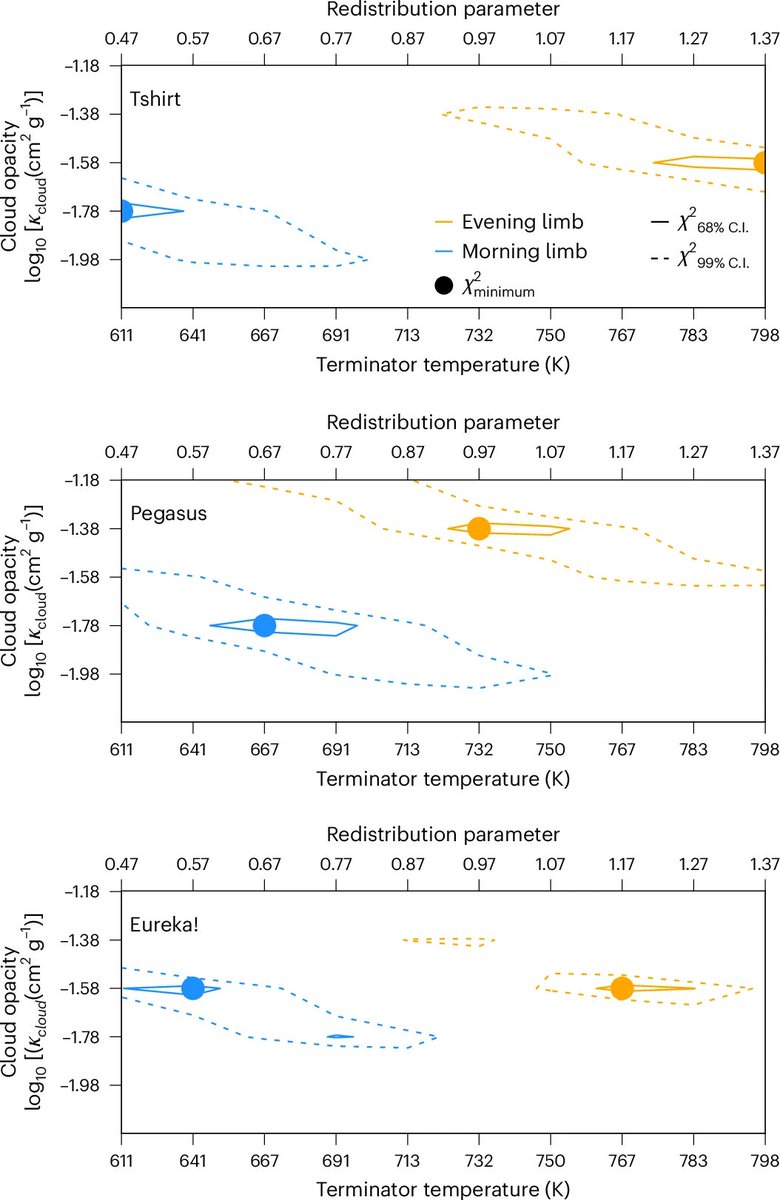
WASP-107 b is a cool low-density exoplanet that experiences ~100 K of morning-evening temperature difference usually found in much hotter planets. Complex atmospheric models are needed to explain this behaviour. Murphy et al.: https://t.co/h71frb5UIk / https://t.co/P4MZqZPFHi
Descubierto un planeta gigante tan ligero como el algodón de azúcar. El @iaa_csic colidera el estudio del nuevo planeta, que es un 50% más grande que Júpiter, pero con una densidad aproximada a la décima parte de la del gigante gaseoso.
➡️https://t.co/Yv5cMNTKRO
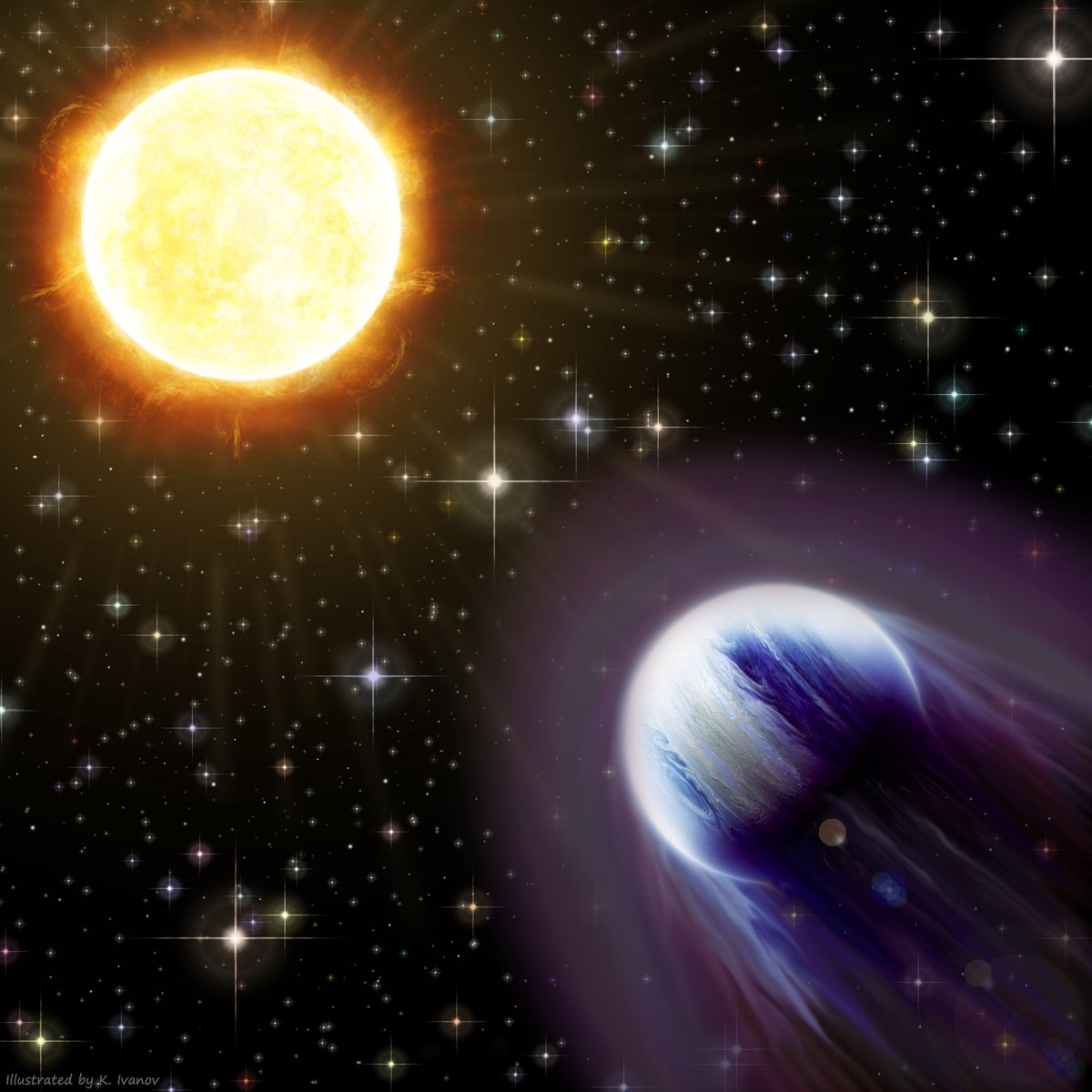
🆕 Have astronomers detected the first ever extrasolar ‘glory’?
🌈 Potential signs of the rainbow-like ���glory effect’ have been detected on a hellish planet outside our Solar System.
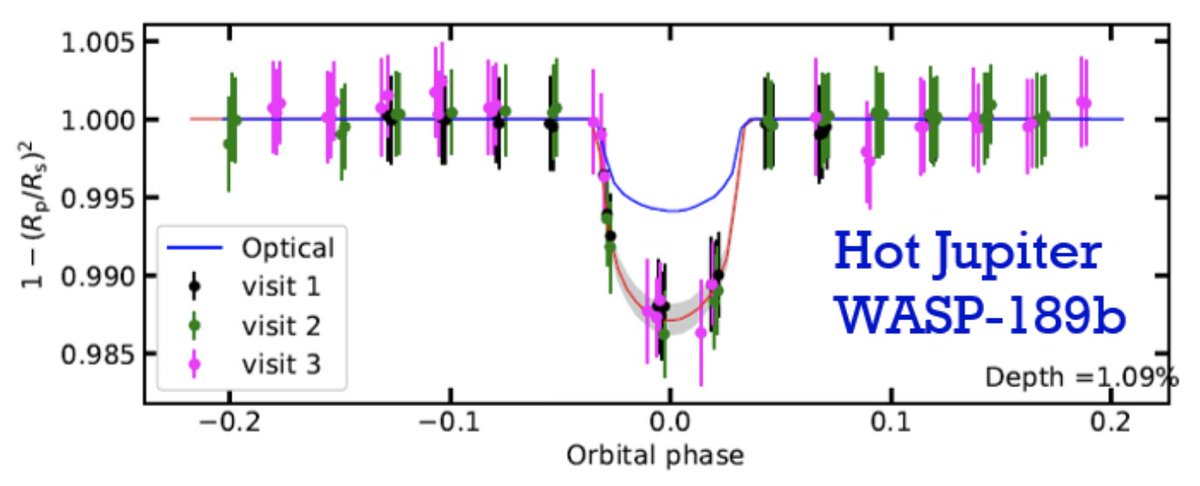
🤝 The team used data from @ESA_CHEOPS & other missions 👉 https://t.co/hSQ8XKoEeW
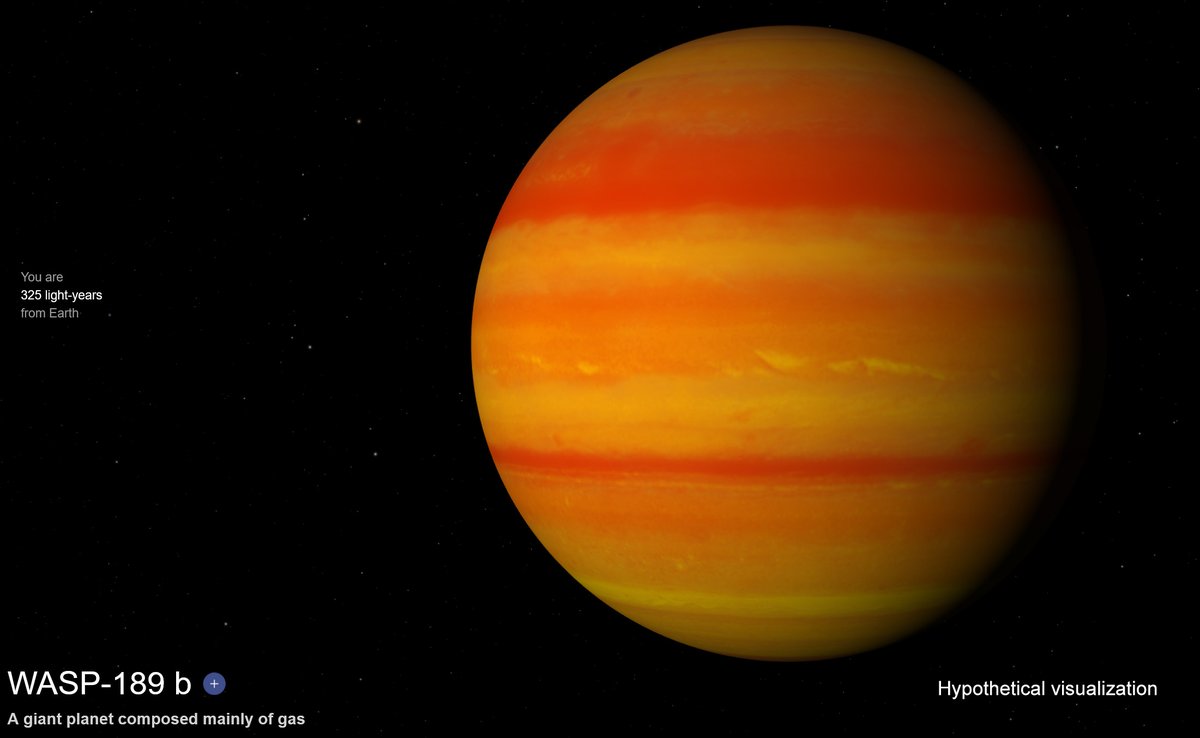
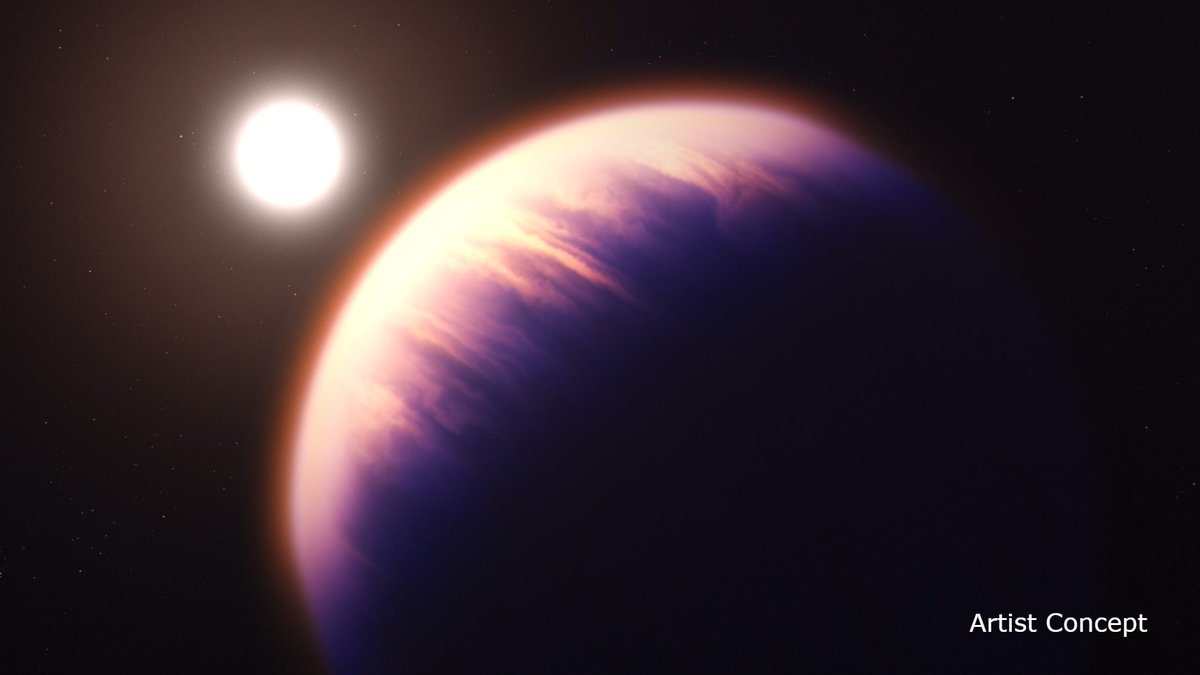
WASP-189 b is a gas giant exoplanet larger than Jupiter. It's 325 light-years away and a year there, one spin around its star, takes 3.5 days. https://t.co/9UMtwlJc41
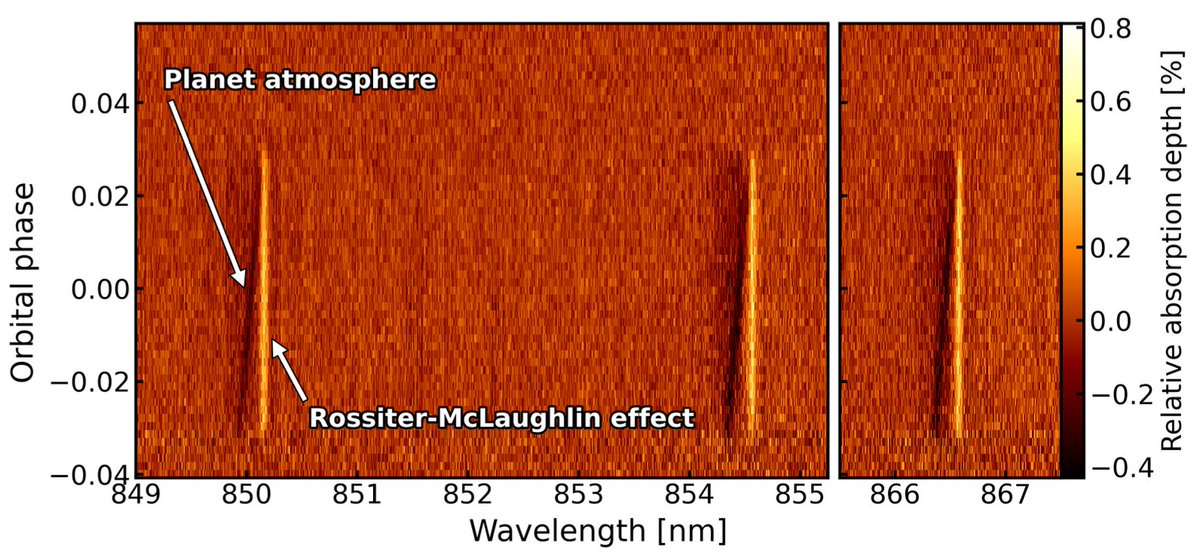
Excellent data quality in observations of atmosphere of ultra-hot-Jupiter WASP-189b by MAROON-X/Gemini-North @bibianaprinoth @HoeijmakersJens et al, https://t.co/366fDeauQS
Burning, churning weather on another world.
@NASAHubble saw massive weather fronts, storms, and fierce cyclones during three years of observing WASP-121 b. Temperatures hit 3,450° F (2,150 Kelvin) on this planet 880 light-years away. https://t.co/BYFfyWxtE4
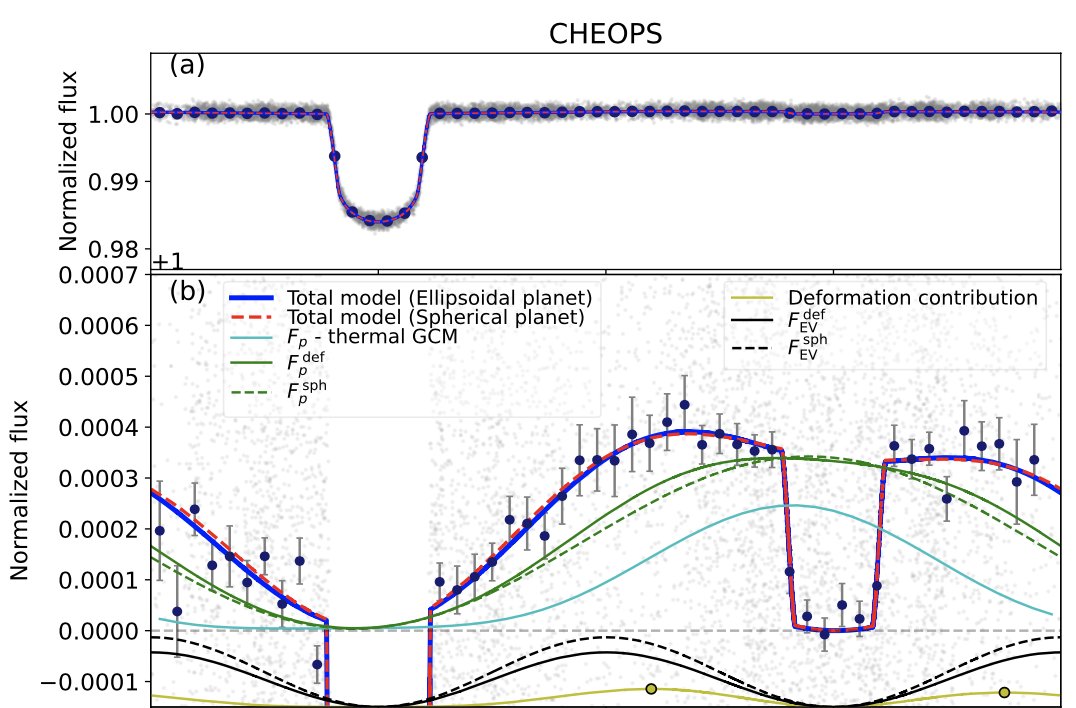
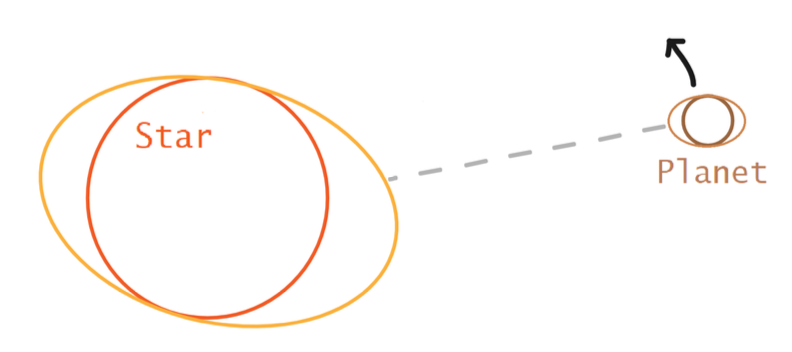
The exoplanet WASP-121 b, 880 light-years away, is on the verge of being ripped apart by its star. The star's gravitational force is likely pulling it into a shape that's more football than planet. https://t.co/fr9EcnpAVQ
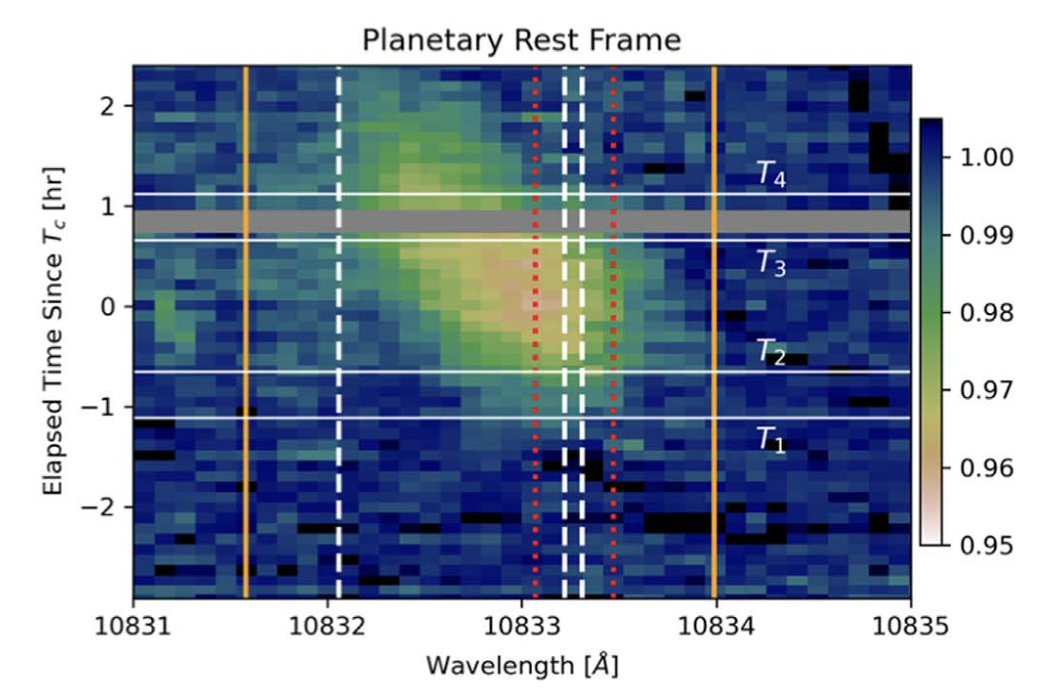
WASP-69b's Escaping Envelope is Confined to a Tail Extending at Least Seven Planet Radii
Tyler, et al., ApJ
-> planet's outflow using Keck/NIRSPEC
-> consistent with He I 10830 @CARMENES_exopl obs & ultra-narrowband filter obs but significantly longer
https://t.co/U0XExxxdAS
Catch a whiff of this.
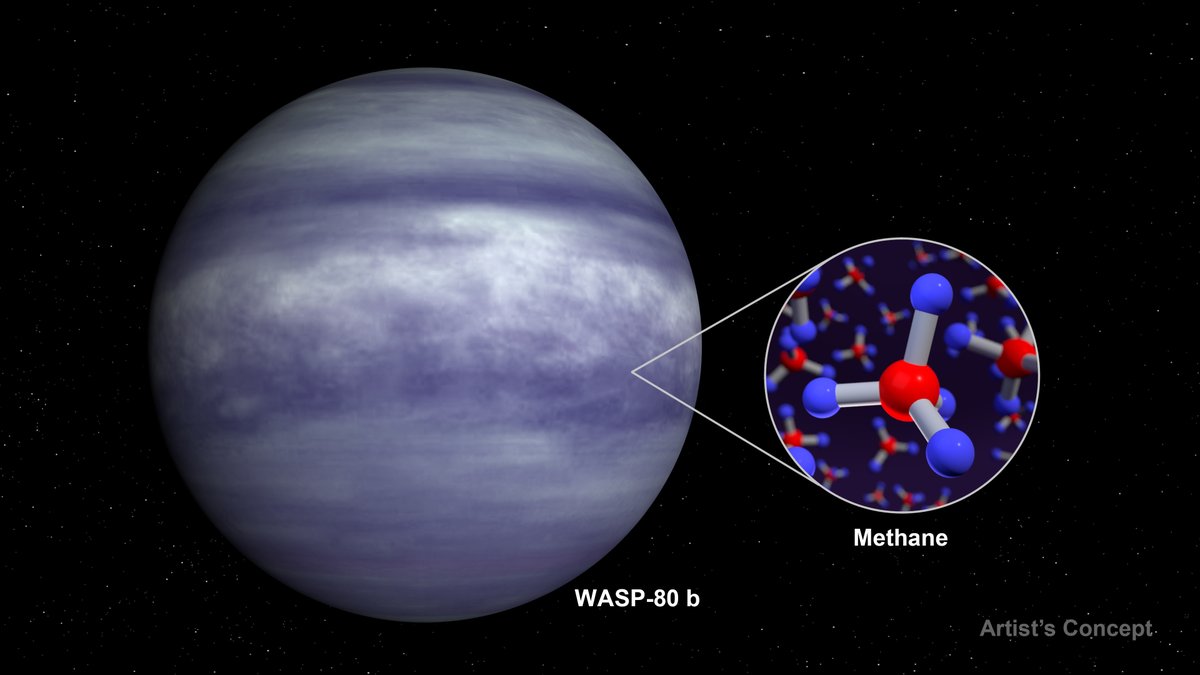
Webb made a definitive detection of methane gas in the atmosphere of “warm Jupiter” WASP-80 b. (The planet is similar in size to Jupiter, but with much warmer temperatures.) Hear directly from the research team on their discovery: https://t.co/0m2MzEelQ2