U.S. Releases $600 Million in Held-Up Global Vaccine Funding
The Trump administration is releasing $600 million in congressional funding for Gavi, the Vaccine Alliance, after months of delay. Health Secretary Robert F. Kennedy Jr. had blocked the money over concerns that the group was distributing outdated vaccines containing the mercury-based preservative thimerosal. The State Department and Health and Human Services Department confirmed the funds will now go out immediately following commitments from Gavi.
Gavi helps more than 50 low-income countries buy and deliver vaccines against diseases including measles, polio, and malaria. The $600 million, appropriated for fiscal years 2025 and 2026, makes up a significant share of the alliance’s budget and was set to expire at the end of September. In exchange for the release, Gavi agreed to work toward replacing certain mercury-containing shots with newer, mercury-free alternatives and to implement other operational reforms.
Senate Appropriations Chair Susan Collins welcomed the decision, saying Gavi plays a key role in stopping preventable diseases before they spread. The move resolves a standoff that had drawn bipartisan pressure and ends uncertainty for an organization that has helped vaccinate more than a billion children worldwide.
Don’t confuse reported cases with actual cases.
Based on conversations I’ve been having with clinicians across the Midwest, I believe Cyclospora is being significantly underreported. Many patients are improving with empiric treatment before confirmatory stool PCR testing is ever sent, leaving surveillance data to capture only part of the picture.
This is one of the limitations of relying solely on confirmed case counts during an active outbreak.
Don’t confuse reported cases with actual cases.
Based on conversations I’ve been having with clinicians across the Midwest, I believe Cyclospora is being significantly underreported. Many patients are improving with empiric treatment before confirmatory stool PCR testing is ever sent, leaving surveillance data to capture only part of the picture.
This is one of the limitations of relying solely on confirmed case counts during an active outbreak.
Trump Administration Ending Medicare Part D Premium Subsidy
The Centers for Medicare & Medicaid Services announced it will end a temporary Biden-era “Part D Premium Stabilization Demonstration” subsidy program after 2026. This program helped keep prescription drug plan premiums lower for Medicare beneficiaries.
CMS Administrator, Mehmet Oz stated that insurers no longer need the support, that premiums would rise by less than $10 for most recipients, and that low-cost plan options would remain available. Critics and analysts note potential higher costs for millions of seniors starting in 2027, with final plan details expected later.
Court Rejects States’ Effort to Delay Medicaid Work Requirements
On July 30, 2026, U.S. District Judge Richard G. Stearns (a Clinton appointee) rejected the request from about 26 Democratic-led states and the District of Columbia. The states had argued they lacked the staff and capacity to meet the federal timeline and that the rules would “cause harm and chaos.”
The judge found that the states had not shown sufficient irreparable harm to justify an injunction. He noted that the federal government reimburses 90% of states’ implementation costs and that the tight timeline was set by Congress (in the 2025 “One Big Beautiful Bill Act”), not solely by the Centers for Medicare & Medicaid Services.
The denial was issued without prejudice, so the underlying lawsuit continues, and the judge aims to schedule hearings on the merits before the main implementation date. States can renew their request for relief later if new evidence of harm emerges.
Daily Marijuana Use Surpasses Cigarettes and Alcohol in New U.S. Survey
The 2025 National Survey on Drug Use and Health reveals a notable shift in American substance habits. An estimated 21.4 million people aged 12 and older reported using marijuana daily or nearly every day, surpassing the 19.9 million daily cigarette smokers and 17.2 million frequent alcohol drinkers. This marks the first time cannabis has led in daily or near-daily use among these three substances.
Marijuana use has climbed 21 percent since 2021, while frequent cigarette smoking and drinking have declined. Factors include widespread state legalizations, a wider range of products such as edibles, and changing public attitudes toward cannabis. Growth has come mainly from adults 26 and older, even as use among teens and young adults has fallen.
Overall monthly alcohol consumption remains far higher, with about 129 million people drinking in the past month compared to roughly 44 million using marijuana. Yet a larger share of cannabis users consume it frequently, highlighting different patterns of regular use.
The findings have sparked debate over whether marijuana serves as a safer alternative for relaxation or carries risks of dependence and reduced motivation. Marijuana use disorder now ranks as the second most common substance use disorder after alcohol, underscoring the need for continued research and public health attention.
Cyclospora Numbers Continue to Grow
The 2026 U.S. cyclospora outbreak has become the largest on record. As of late July, the CDC reported 6,707 laboratory-confirmed domestic cases since May 1 across 45 states, plus more than 11,500 additional cases still under investigation. There have been 423 hospitalizations and no deaths.
Multiple outbreaks are underway. The biggest cluster, linked to nine states, is tied to recalled iceberg lettuce from Taylor Farms that was sourced from central Mexico. The company issued a voluntary recall on July 17 covering products sold in stores and used in restaurants. Michigan has reported more than 10,000 cases at the state level.
Cyclospora is a parasite that spreads mainly through contaminated fresh produce. Symptoms include prolonged watery diarrhea, fatigue, nausea, and loss of appetite. Most people recover on their own, though severe cases may need medical care. Officials advise discarding any recalled lettuce and washing produce thoroughly, though washing does not remove all risk.
Case numbers continue to rise because of reporting delays. The CDC and FDA are still investigating the full sources of the infections.
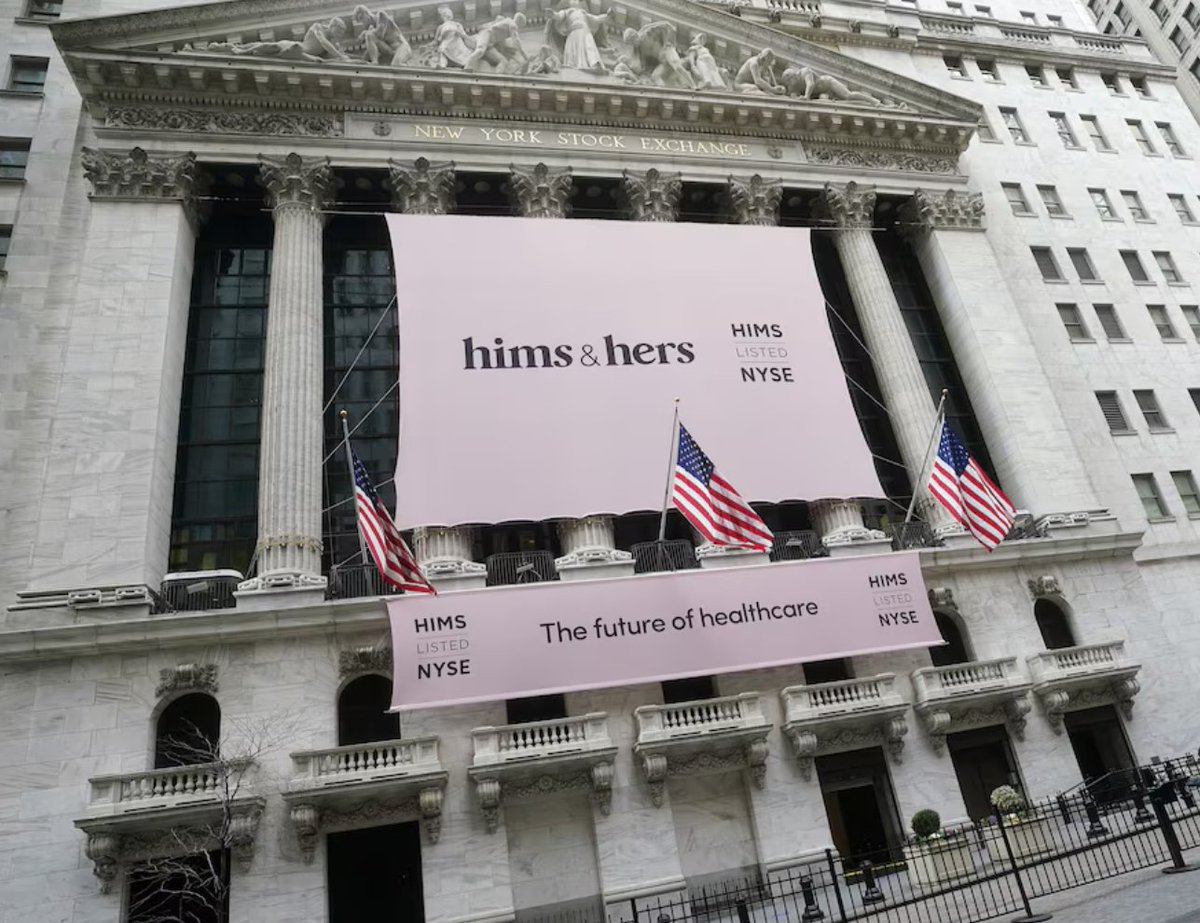
FTC Sues Hims & Hers Health
On July 29, 2026, the Federal Trade Commission, joined by California and Utah, sued telehealth company Hims & Hers Health in federal court in California. The lawsuit claims the company shared sensitive patient health data, such as details about erectile dysfunction or hair loss, with advertisers including Meta and Snap even though it promised users that its services were private and secure.
Regulators also accuse Hims & Hers of deceptive billing practices. They say the company advertised free consultations and zero upfront costs, then charged customers for recurring prescription subscriptions soon after they filled out online forms, often before any real consultation with a provider. Cancellation was allegedly made difficult through unclear processes and early refill charges.
Hims & Hers rejected the claims as baseless. In a statement the company said the lawsuit ignores evidence from a multi-year investigation, misrepresents industry standards, and aims mainly to generate headlines. It vowed to defend itself vigorously and stressed that its privacy policy gives users control over their data.
The case seeks injunctions, penalties, and other relief. It remains pending in the Northern District of California.
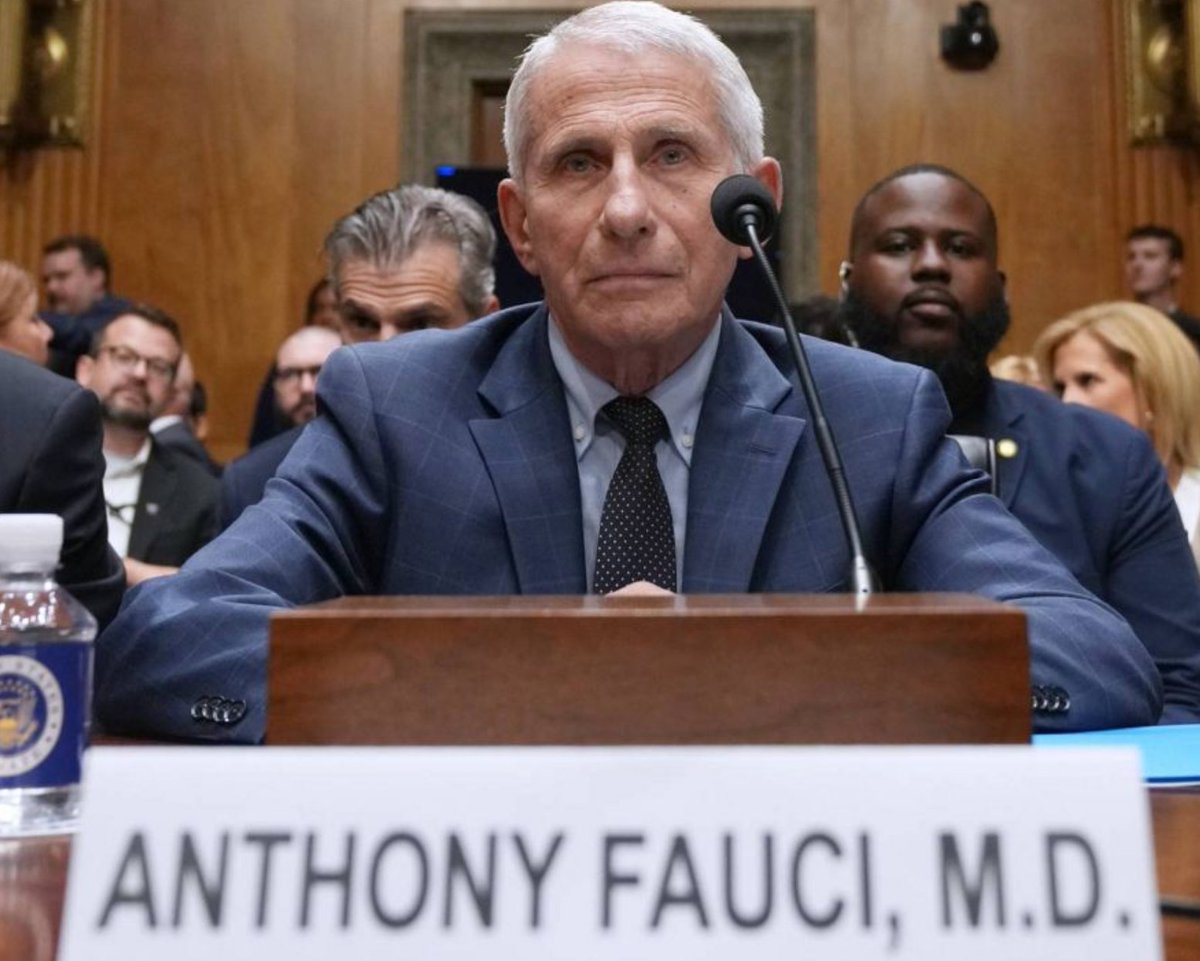
Anthony Fauci Invokes Fifth Amendment: Could be Held in Contempt
On July 29, 2026, former National Institute of Allergy and Infectious Diseases director Anthony Fauci appeared under subpoena before the Senate Homeland Security and Governmental Affairs Committee. The hearing, chaired by Sen. Rand Paul of Kentucky, focused on the origins of COVID-19, U.S.-funded research linked to the Wuhan Institute of Virology, and the federal pandemic response. Fauci, 85, declined to answer questions after a brief opening statement.
In that statement, Fauci noted his decades of prior congressional testimony and accused Paul of an "unhinged obsession" aimed at securing his prosecution and imprisonment. He then invoked his Fifth Amendment right against self-incrimination on the advice of counsel, repeating a near-identical refusal 111 times according to reports from the hearing. Republicans pressed him on alleged inconsistencies between his public statements and private diary entries that Paul had released days earlier.
At the close of the roughly three-hour session, Paul announced that the committee would vote the following week on holding Fauci in contempt of Congress for refusing to testify. Any such resolution would still need to clear additional Senate hurdles before a potential criminal referral.
Johnson & Johnson Proposes $5.5 Billion Settlement to Resolve Talc Ovarian Cancer Claims
Johnson & Johnson announced on July 27, 2026, a proposed settlement valued at approximately $5.5 billion to resolve roughly 76,000 remaining U.S. lawsuits claiming its talc-based baby powder and related products caused ovarian cancer. The deal covers nearly all outstanding ovarian cancer claims in the federal multidistrict litigation in New Jersey and related state-court cases.
The agreement requires participation by law firms representing at least 95 percent of the remaining claims before it becomes final. J&J has committed to an initial payment of no more than $3 billion in 2027, with additional payments beginning no earlier than 2028. Some plaintiff attorneys, including lead negotiator Chris Seeger, have described the structure as uncapped and estimated the total could reach $7 billion or more depending on participation and claim values. Compensation would follow a tiered system based on objective criteria and aim for relatively prompt payouts.
J&J continues to maintain that the claims lack scientific merit. The company cited recent court rulings, including a July 22, 2026, order in the MDL that raised questions about plaintiffs’ ability to prove specific causation (that the products caused individual cancers). J&J has won the majority of ovarian cancer trials to date and previously resolved about 95 percent of mesothelioma claims linked to alleged asbestos contamination in its talc products, along with state consumer-protection cases and supplier disputes. A separate large case continues in the United Kingdom
If finalized, the settlement would largely end the U.S. ovarian cancer phase of the long-running talc litigation.
Democratic States Sue Trump Admin over Medicaid Work Requirements
A coalition of 25 states and the District of Columbia is battling the Trump administration in federal court over new Medicaid work requirements. The fight focuses on who counts as “medically frail” and can therefore keep coverage without meeting the work rules.
Under a 2025 law, most adults in the Medicaid expansion population must work, volunteer, train for a job, or attend school for at least 80 hours a month starting in 2027. The law carves out exemptions for people who are medically frail, including those who are blind or disabled, have substance use disorders, disabling mental conditions, or serious and complex medical needs.
In June 2026, the Centers for Medicare and Medicaid Services issued an interim final rule that tightened the standard. Simply having a qualifying condition is no longer enough. Beneficiaries must also show that the condition significantly impairs their ability to meet the 80-hour requirement. States say this extra test goes beyond what Congress wrote and contradicts earlier informal guidance they relied on while preparing systems.
Democratic attorneys general and two Democratic governors filed suit in Massachusetts federal court at the end of June. They argue the narrower definition will force people with cancer, HIV, diabetes, serious mental illness and other conditions to jump through administrative hoops or risk losing health coverage. A hearing on their request for a preliminary injunction took place on July 28.
The court’s decision will help decide how many medically vulnerable Americans keep their Medicaid coverage when the work rules take full effect.
American Red Cross declares second-ever national blood crisis
The American Red Cross has issued a national blood supply crisis alert for only the second time in its history. The first came in January 2022. Donations this summer have fallen to a four-year low, and the supply of type O-positive blood, the most widely used type, has dropped below a one-day national level. In response, the organization is limiting how much type O blood it sends to hospitals.
Several factors are keeping donors away. Extreme heat, poor air quality from wildfires and other sources, and a wave of foodborne illnesses, including the large cyclospora outbreak, have reduced turnout. At the same time, hospitals face higher demand during the peak summer trauma season.
Every day the Red Cross needs more than 13,000 blood donations and about 3,000 platelet donations to meet patient needs. Cancer patients, trauma victims, mothers in childbirth, and people with sickle cell disease are among those most at risk when supplies run short.
Officials say the situation could improve quickly if more people step forward. Just three extra donors at each blood drive this summer could help stabilize the supply.
Fauci Testifies Today in Senate Hearing
Anthony Fauci’s Senate testimony is scheduled for today, July 29, 2026, at 8:30 a.m. ET before the Senate Homeland Security and Governmental Affairs Committee, chaired by Sen. Rand Paul (R-KY). Fauci appears under subpoena after declining a voluntary invitation.
Paul, a longtime critic, forced the appearance after Fauci declined to come voluntarily. The Kentucky Republican has framed the hearing as long-overdue accountability. “What he wrote privately and what he told the country are two different stories,” Paul said after releasing more than 1,100 pages of Fauci’s personal diary entries spanning late 2019 through 2022.
Those typewritten notes, located on government servers and turned over with help from HHS Secretary Robert F. Kennedy Jr., have already fueled intense debate. Early entries question the Huanan wet market as the true origin, describing it instead as an “amplifier.” Other notes capture Fauci’s private frustration with what he called President Trump’s “rambling” briefings, while also tracking his own rising fame, media profiles, and even fan merchandise like prayer candles and donuts.
Supporters of Fauci call the exercise a political witch hunt that distracts from real public health work. Critics see it as a rare chance to examine how trust in institutions eroded during the pandemic.
Whether the hearing delivers new answers or simply reopens old wounds, one thing is certain: the pandemic’s most public face is once again in the center of the storm, and the nation will be watching.
Study Finds Women with PCOS Face 4 Times Higher Risk of Heart Disease
A large new study has found that young women with polyendocrine metabolic ovarian syndrome, still widely known as PCOS, carry a markedly higher risk of serious heart problems. Researchers examined health records from more than 413,000 women aged 18 to 50 with the condition and compared them with over 2 million women without it across two decades of data.
The analysis, published in The Lancet Obstetrics, Gynaecology and Women’s Health, showed these women faced roughly 4.4 times the risk of atherosclerotic heart disease and about 3.5 times the risk of heart attack or stroke. The elevated dangers remained even after accounting for obesity, diabetes and high blood pressure, pointing to independent biological factors such as inflammation and hormonal imbalance.
Experts say the results underscore the need for earlier cardiovascular screening, stronger patient education and proactive lifestyle support starting at the time of diagnosis. A separate Nordic study of more than 127,000 women also confirmed higher overall heart disease risk, including among those of normal weight.
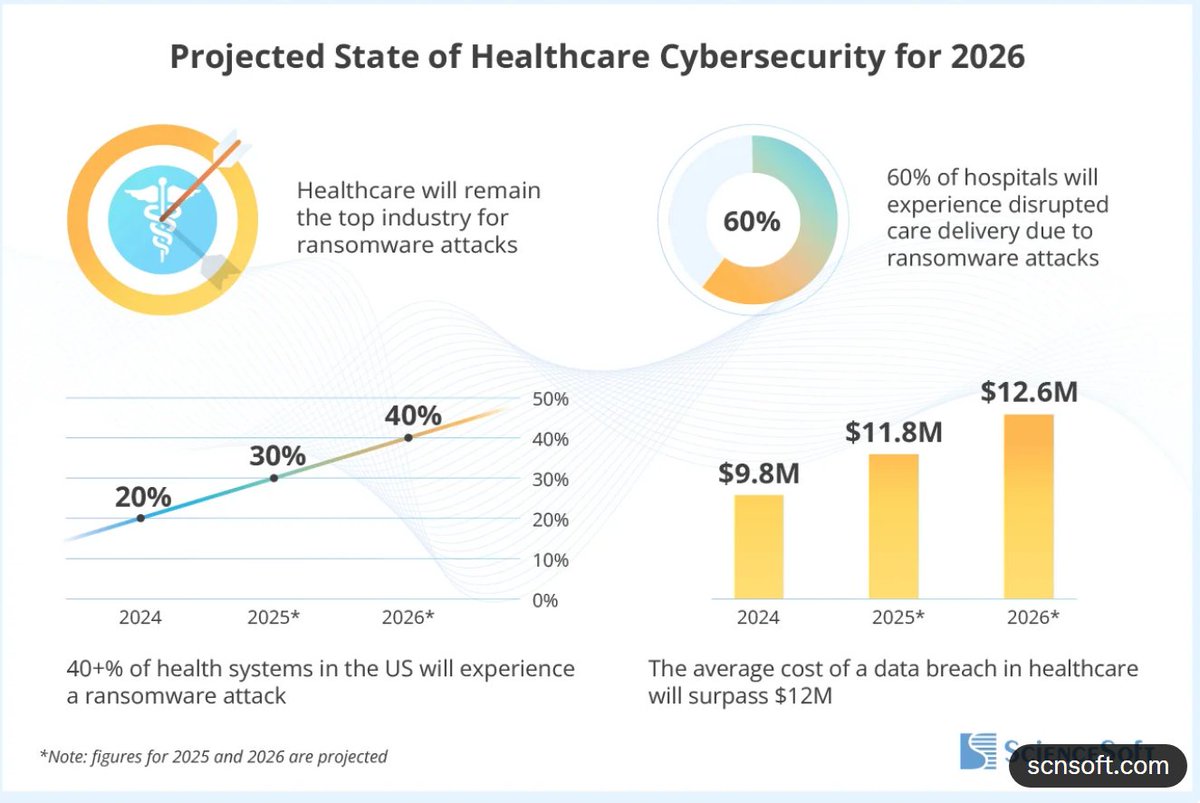
Health System Faces Major Disruption after Malware Attack
A malware incident struck AnMed in South Carolina and Georgia on Sunday, taking down IT systems and forcing the cancellation of elective procedures while closing many outpatient sites. Emergency and urgent care stayed open as staff worked with outside experts to restore operations.
AnMed is a nonprofit health system based in Anderson, South Carolina. It is South Carolina’s largest independent health system and serves patients across upstate South Carolina and northeast Georgia.
A message on hospital screens reportedly gave the system 72 hours to respond or risk a data leak. Such attacks highlight ongoing risks across healthcare, where similar outages can delay treatments, divert patients, and raise costs for other providers sharing regional networks or facing copycat threats.
AnMed continues recovery efforts with state and federal support while prioritizing patient safety.
Significant Rise of AI in Mental Healthcare
Patients facing long waits or high costs are turning to everyday AI chatbots for advice on anxiety, depression, and emotional struggles. These tools feel available anytime, yet experts warn they fall short of real clinical care.
General-purpose models lack the safeguards built into licensed therapy. They can miss subtle signs of crisis, offer incomplete guidance, or keep users chatting instead of connecting them to human help. Reports from groups like the Society for Digital Mental Health highlight how reliance on these systems leaves behavioral health needs untreated.
Hospitals face growing legal risks too. As AI tools assist with diagnoses, a wrong call raises tough questions about who holds responsibility: the doctor, the hospital, or the software maker. Medical malpractice attorneys urge health systems to strengthen governance, documentation, and staff training right now.
Not all AI falls into the same category. Purpose-built mental health chatbots, designed with clinician input, show stronger results. They deliver evidence-based support for certain patients and better handle limits of their role.
AI holds clear potential to ease burdens in healthcare. The challenge is using it wisely: matching the right tool to the right job, protecting patients from overreliance, and keeping human judgment at the center. The next wave of innovation will succeed only if safety keeps pace with speed.
40% of GLP-1 Volume Shifts to Direct Manufacturers
Approximately 40% of GLP-1 drug volume now moves through direct manufacturer channels like LillyDirect, bypassing traditional pharmacy benefit managers. This shift is disrupting the long-standing prescription drug distribution model that relies on intermediaries and rebate economics.
Employers are also starting to buy high-cost specialty drugs such as Keytruda straight from manufacturers, often with performance guarantees attached. Manufacturers and employers are finding mutual advantages in cutting out the middlemen, which unbundles the traditional pharmacy benefit structure.
If this trend spreads beyond GLP-1s to other expensive drug classes, it could fundamentally reshape pharmaceutical distribution and pricing. Pharmacy benefit managers and employers face growing pressure as these direct-to-consumer and direct-purchase options gain traction.
CMS Tightens Medicare Provider Enrollment Rules to Fight Fraud
The Centers for Medicare and Medicaid Services is advancing new limits on Medicare provider enrollment as part of a broader effort to curb fraud, waste, and abuse. The proposals, included in the 2027 Home Health Prospective Payment System rule but applying to all provider and supplier types, have sparked concern among healthcare organizations.
Under the changes, CMS would gain expanded authority to deny or revoke Medicare enrollment. This includes cases where a provider operates in a geographic area with an excessive concentration of similar providers, which the agency views as a potential fraud risk. Revocations would become retroactive to the date of noncompliance in more situations, allowing CMS to recover payments more aggressively. Additional grounds would cover certain misdemeanor convictions, shared locations with previously revoked providers, and broader definitions of ownership and affiliations.
Provider groups worry the rules could ensnare legitimate practitioners, create heavy administrative burdens, and slow access to care. They urge CMS to target enforcement carefully rather than applying broad measures that might disrupt compliant operations. Comments on the proposed rule are due by late August 2026.
U.S. Measles Cases Reach Highest Level in 35 Years
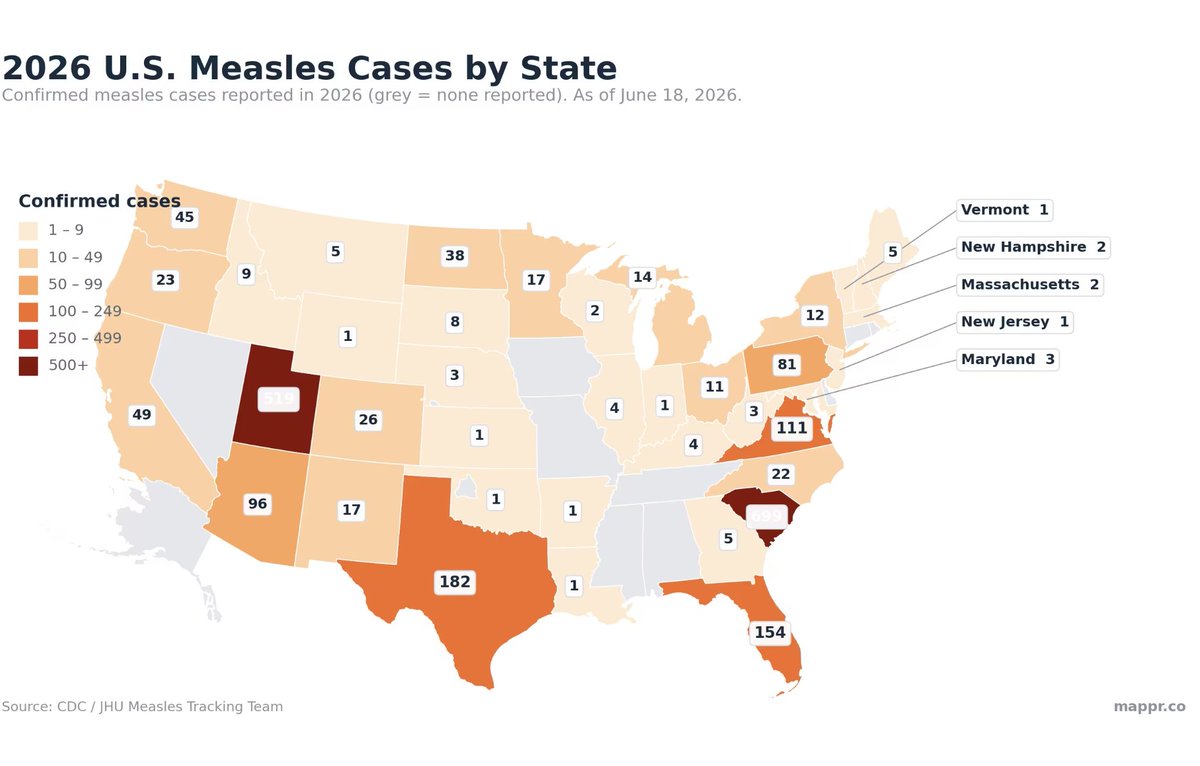
The United States has recorded 2,318 confirmed measles cases so far in 2026, surpassing the full-year total of 2,289 cases from 2025. This marks the highest annual number of infections since 1991, according to data from the Centers for Disease Control and Prevention.
Cases have been reported in more than 40 states and Washington, D.C. About 93 percent involve people who are unvaccinated or whose vaccination status is unknown. Nearly 70 percent of the cases are in children and teenagers under age 20. At least 151 people have been hospitalized. No deaths have been reported in 2026.
The rise comes amid declining childhood vaccination rates with the measles, mumps, and rubella vaccine. Several outbreaks that began in 2025 continued into this year, including a large one in South Carolina that sickened nearly 1,000 people before ending in April.
Measles was declared eliminated in the United States in 2000. Public health experts warn that sustained transmission could put that status at risk later this year. Officials continue to stress that the vaccine remains highly effective at preventing infection and severe illness.
Trump Admin Demands Hospitals Share ER Records
The Consumer Product Safety Commission is pressing major U.S. hospital systems to share detailed patient records from emergency room visits, including cases unrelated to consumer products.
The agency, which monitors injuries from items such as appliances and toys, aims to modernize its decades-old National Electronic Injury Surveillance System. The upgraded version, known as NEISS-R, would expand data collection to at least 100 hospitals by the end of 2026 and eventually cover all 50 states.
Under the plan, hospitals would provide personally identifiable information such as names, addresses, diagnoses, and clinical details for a wide range of ER visits. These include broken bones, vaccine reactions, suicide attempts, and other injuries that fall outside the agency’s traditional focus on product-related harm.
A Kansas-based contractor, Konza Health, has been hired under a multiyear contract worth up to $15.9 million to automatically pull and analyze the records. In communications with hospital executives, the contractor has described participation as mandatory.
Hospital lawyers and privacy experts have raised concerns about the agency’s legal authority, compliance with federal privacy rules, and the security of such sensitive data. The CPSC has said the new system will include stronger privacy safeguards, limit data to what is necessary, and support de-identification before information reaches the agency.
The effort marks a significant expansion of the CPSC’s data-gathering role and has drawn attention as part of broader federal interest in accessing Americans’ health information.