El reactor finlandés #Olkiluoto3 (la central más cara jamás construida en Europa por megavatio) ha mostrado, tras su problemática fase de construcción, algo inesperado (aunque escuezca a sus detractores):
En cuanto una central nuclear entra en funcionamiento, opera con una fiabilidad y unas bajas emisiones en CO₂ que no alcanza ninguna otra fuente de electricidad. Los precios de la electricidad finlandeses reflejan este hecho mes a mes desde su puesta en marcha.
Olkiluoto 3 se conectó a la red en abril de 2023, tras 18 años de construcción y un coste de unos 11.000 millones de euros.
Las cifras de retrasos y sobrecostes están sobradamente documentadas.
Mucho menos atención recibe, sin embargo, lo que ha ocurrido desde entonces: En los primeros doce meses de operación comercial, OL3 generó 9,6 TWh de electricidad, lo que correspondió al 98 % de su potencia teórica máxima. Un factor de capacidad de casi el 98 % es extraordinario para cualquier estándar mundial y para cualquier tecnología. Con ello, el reactor superó el rendimiento de los dos reactores finlandeses ya existentes, que a su vez alcanzan regularmente factores de capacidad anuales superiores al 90 %.
En su primer año de operación, el reactor funcionó de forma ininterrumpida durante 340 días, sin paradas programadas ni imprevistas.
El impacto en el mercado eléctrico fue inmediato y considerable. Los precios mayoristas de la electricidad en Finlandia se situaron en 2023 en una media de 57 euros por MWh: un 40 % por debajo del nivel de 2022, marcado por la crisis del gas en Europa. La carga base continua y libre de CO₂ de 1.600 MW de OL3 evitó unas 6 millones de toneladas de CO₂ que de otro modo habrían procedido de importaciones de carbón y gas.
La construcción de OL3 fue un ejemplo de advertencia: Los proyectos nucleares no pueden ser únicos y con constantes cambios regulatorios y de diseño. Su operación es otra historia bien distinta.
Fuente: Teollisuuden Voima Oyj (TVO) y Finnish Energy Authority (Energiavirasto), Olkiluoto 3 First Year Operational Report 2024
The name Lake Ontario comes from the Wendat word Ontari’io, which, appropriately, means “the lake is beautiful, the lake is big”.
The name is more than 400 years old, predating both the Confederation of Canada and the Declaration of Independence of the United States of America.
We know that America is changing. Their trading relationships, their foreign policies, their national monuments, their hydronyms.
Canadians also know that naming reality means calling it Lake Ontario – then, now and always.
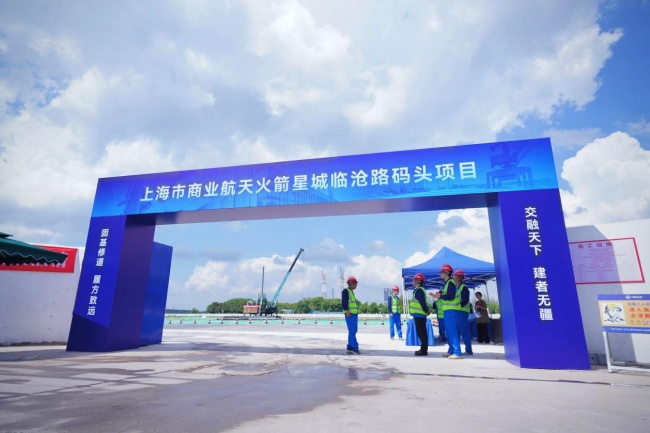
Shanghai Rocket Star city project has start construction. Like the Haiyang Space port, Shanghai gov plan to build a dedicate port to provide sea launch services for commercial LSPs. It will catch a lot of eyes when a barge carrying a rocket sailing through the city center of SH.
Landsat 9 captured very clear images of the Himalayan glacier that collapsed, triggering the catastrophic flash floods in Nepal.
Estimating very roughly from these images, it appears that the area that failed may have spanned ~1 km² of ice and rock.
h/t @theiaincameron
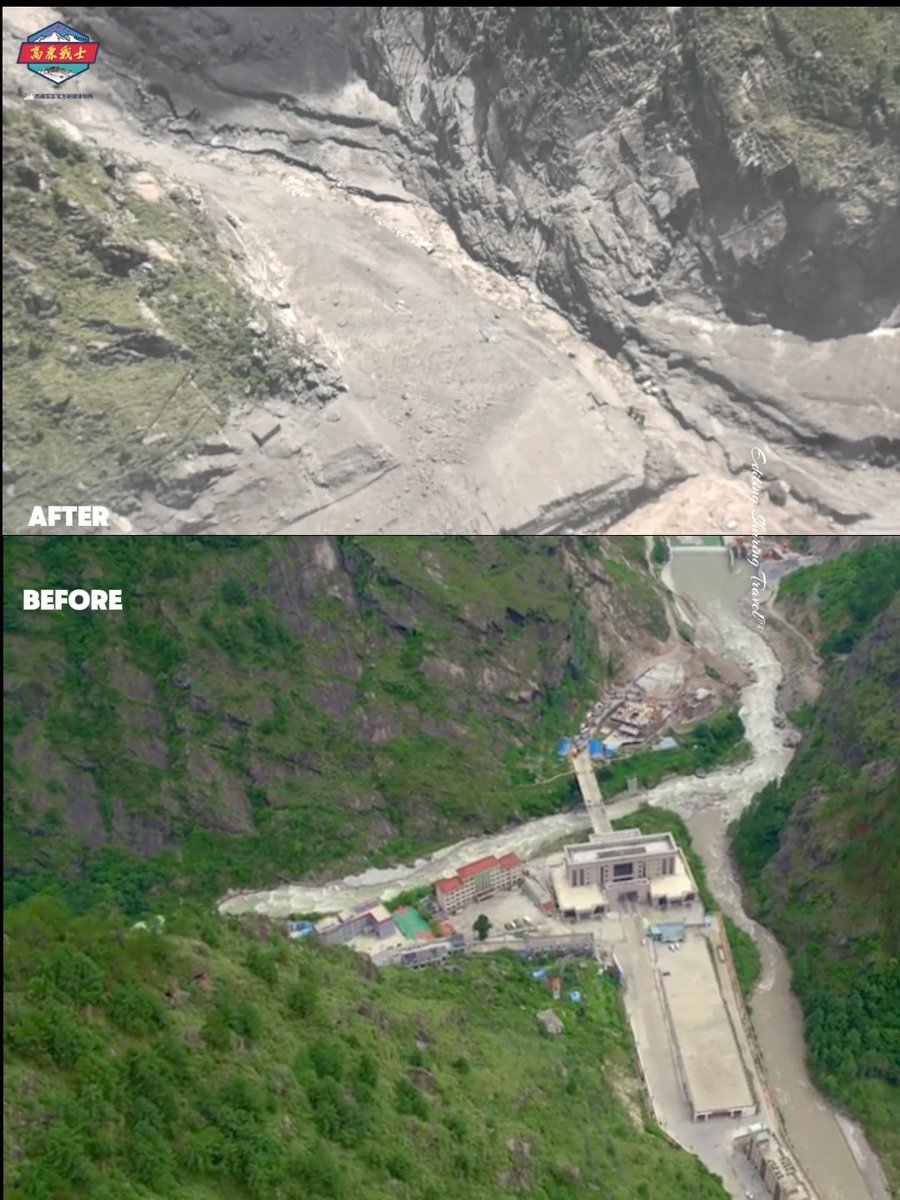
This afternoon, helicopters from the People's Liberation Army (PLA) filmed footage of the flood-hit areas along the China-Nepal border.
It seems that both sides' ports have disappeared.🙏🏻🙏🏻🙏🏻
Survival is extremely difficult.
Breaking: The fossil fuel shock caused by the closure of the Hormuz has cost $330 bn in fuel import costs in the past six months.
The cost of the crisis equals all global investments in renewable power in 2025, on a per-month average basis.
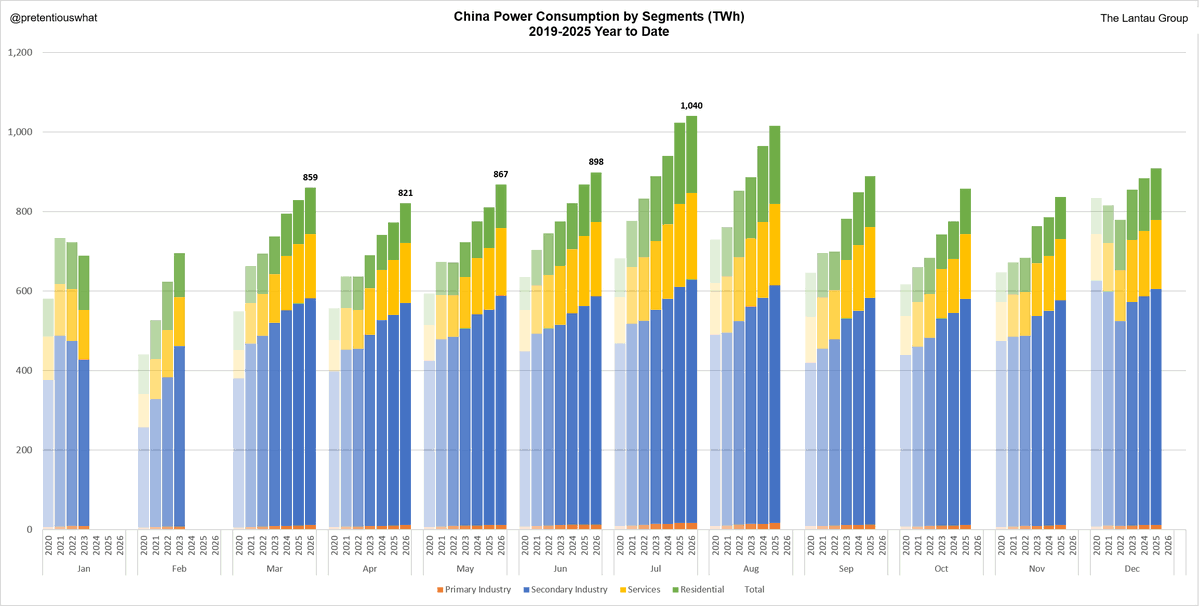
⚡️China Power Consumption Update July 2026⚡️
China's electricity use rose 4.7% YoY in July 2026 to 1,040 TWh.
Manufacturing and services power consumption growth both moderated, but remained decent overall, despite broadly lower cooling loads in an El Nino summer. 🧵
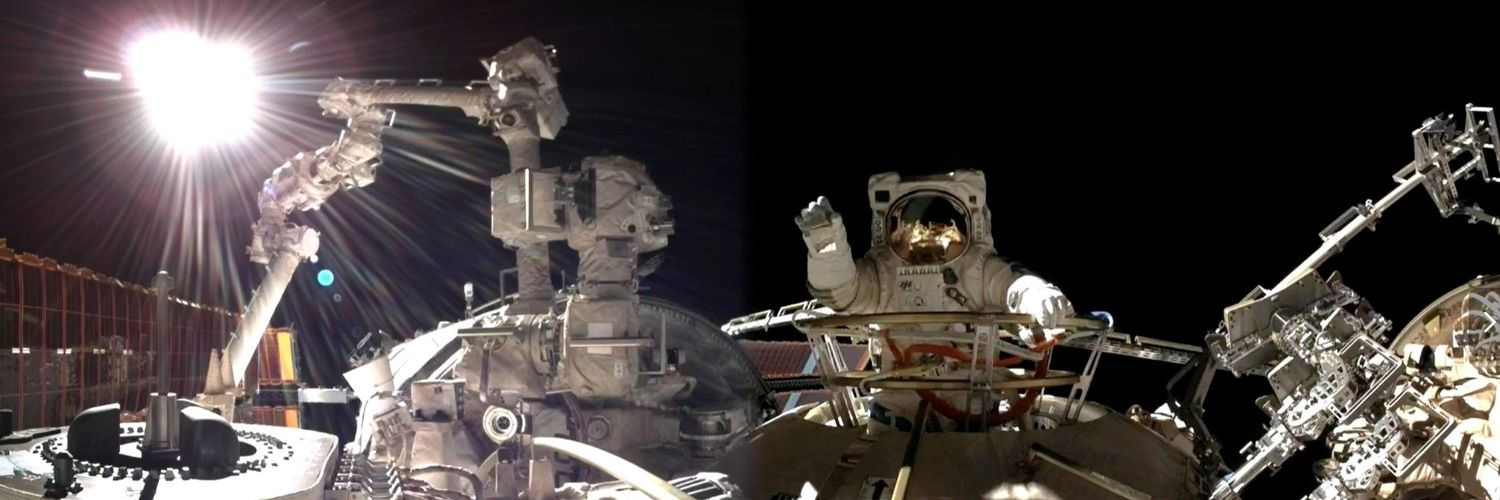
Well unfortunately the Long March 5 🚀 and our ILO-C 📷 camera launch is postponed. Looking forward to #Change7 when it happens🤞 🌓 great workshop with the international lunar teams!
In line with the principles of prudence, reliability, and absolute safety, and following a comprehensive assessment, the Chang’e-7 mission does not meet the conditions for launch and therefore cannot be carried out during its planned launch window this year, as learned from the China Manned Space Agency (CMSA) on Sunday: Xinhua
End of Heat (处暑 · 14th Solar Term)
The Fading Heat · ZhuQue Comes Home
Just this week, the ZhuQue-3 Y2 reusable launch vehicle achieved full success in orbital insertion and first-stage land recovery. For a reusable launch vehicle, a successful recovery is not the finish line — it marks the beginning of engineering reuse.
In the days following the mission, the first task at the recovery site is to lower the recovered first stage to horizontal, secure it onto a transporter and return it to the assembly facility.
We call this journey “ZhuQue Comes Home.” Coming home is more than a return journey. It is the prologue to engineering reuse.
@realTZV@quakes99 very interesting, dongfeng electric is a very capable company, i didn't expected rosatom will start to purchase Chinese turbines for their own use, thanks for sharing.