I am an OMS/NAC Shaman and Pagan Cleric who enjoys various sciences and academia; I am also a Technology Contractor, Web Consultant, and Ethnobotanist.
Full readiness for mid-to-senior SA positions typically requires several years of hands-on experience designing and delivering solutions—treat this as an intensive launchpad, not a complete career switch."
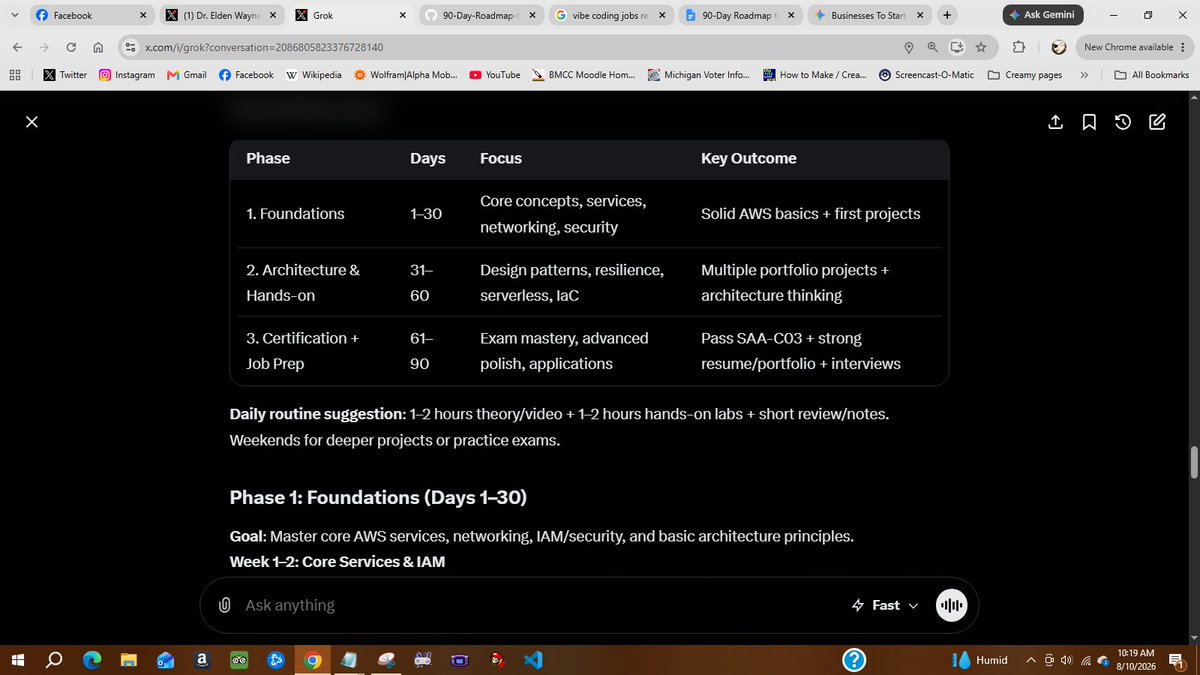
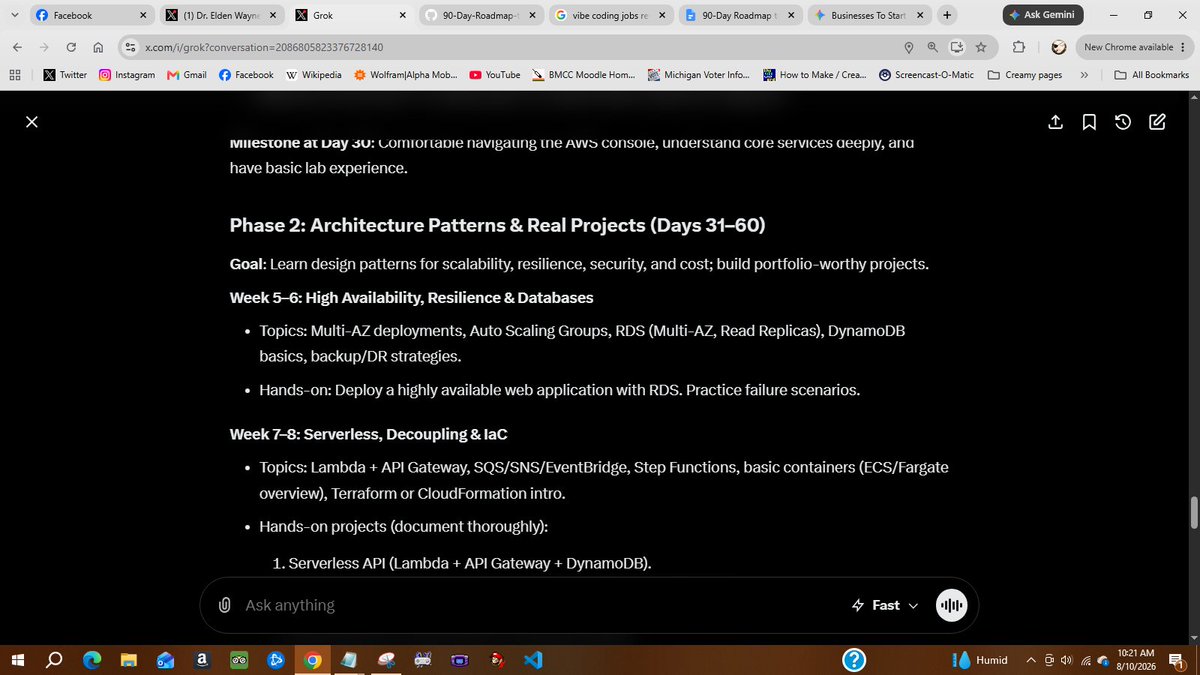
"A realistic 90-day roadmap can build strong foundational skills, a portfolio, and credentials to position you for associate/junior Solutions Architect, cloud architect, or related roles (or accelerate a transition from software engineering/DevOps).
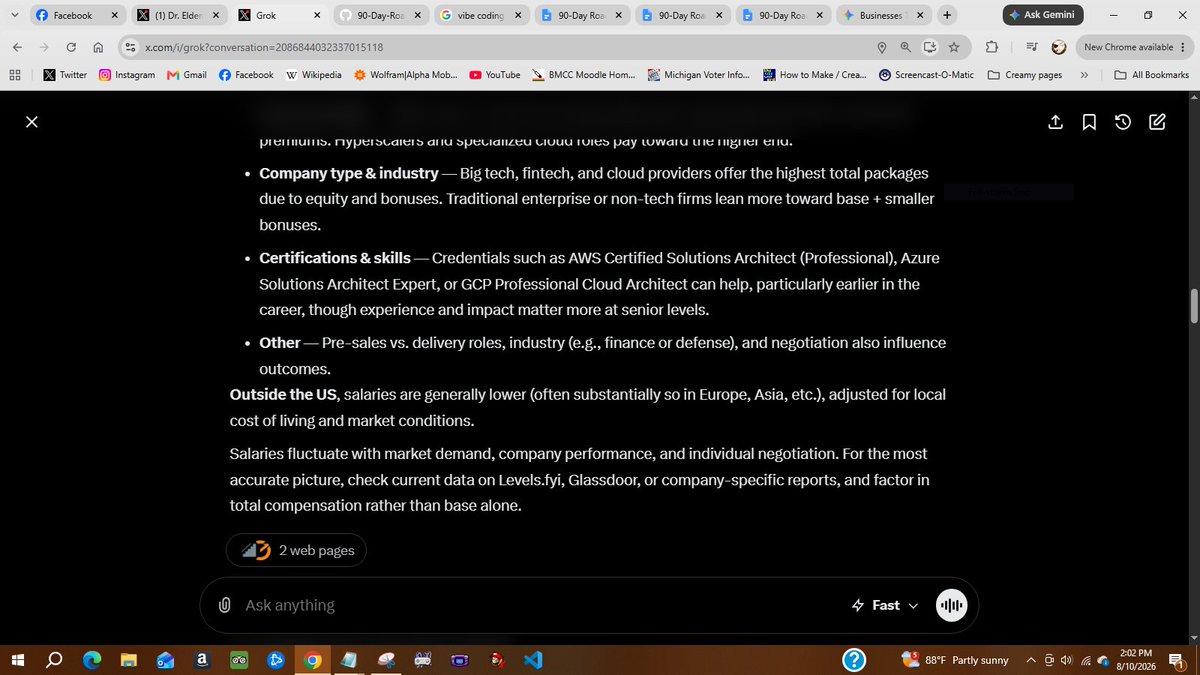
"In the United States (as of mid-to-late 2026 data), Solutions Architects typically earn a median total compensation of around $215,000–$219,000 per year, with base salaries often in the $130,000–$160,000 range depending on the source."
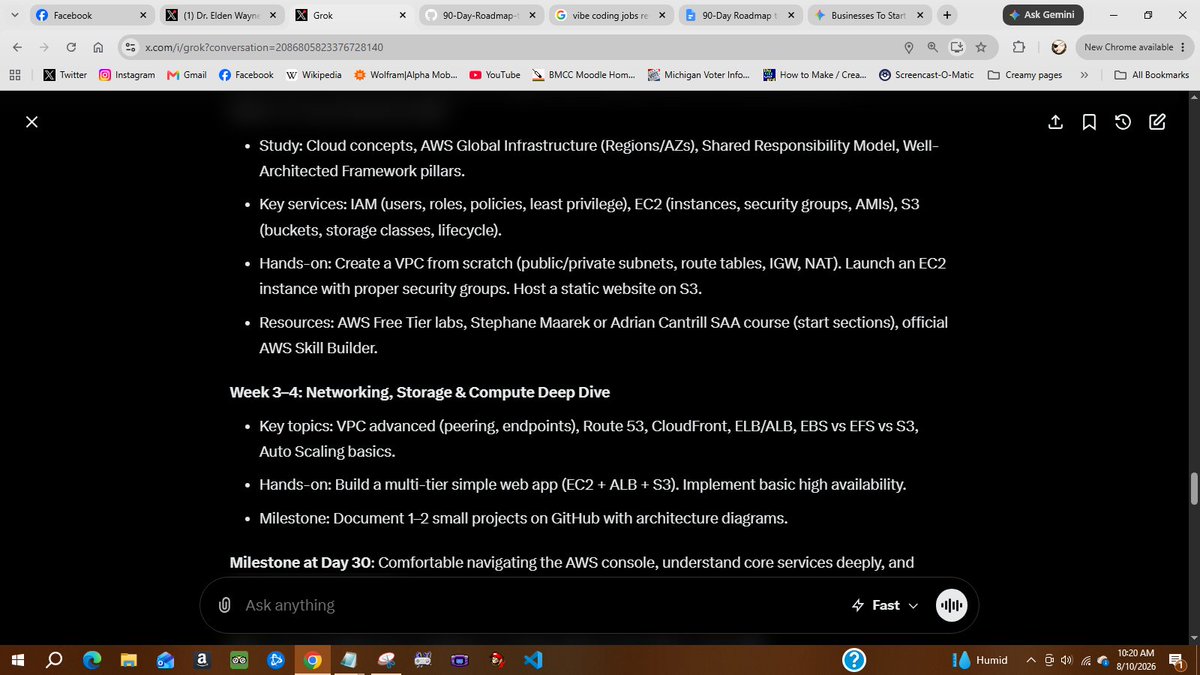
"A realistic 90-day roadmap focuses on building strong foundations, hands-on skills, a key certification (AWS Solutions Architect Associate is the most common starting point), a portfolio, and job-readiness.
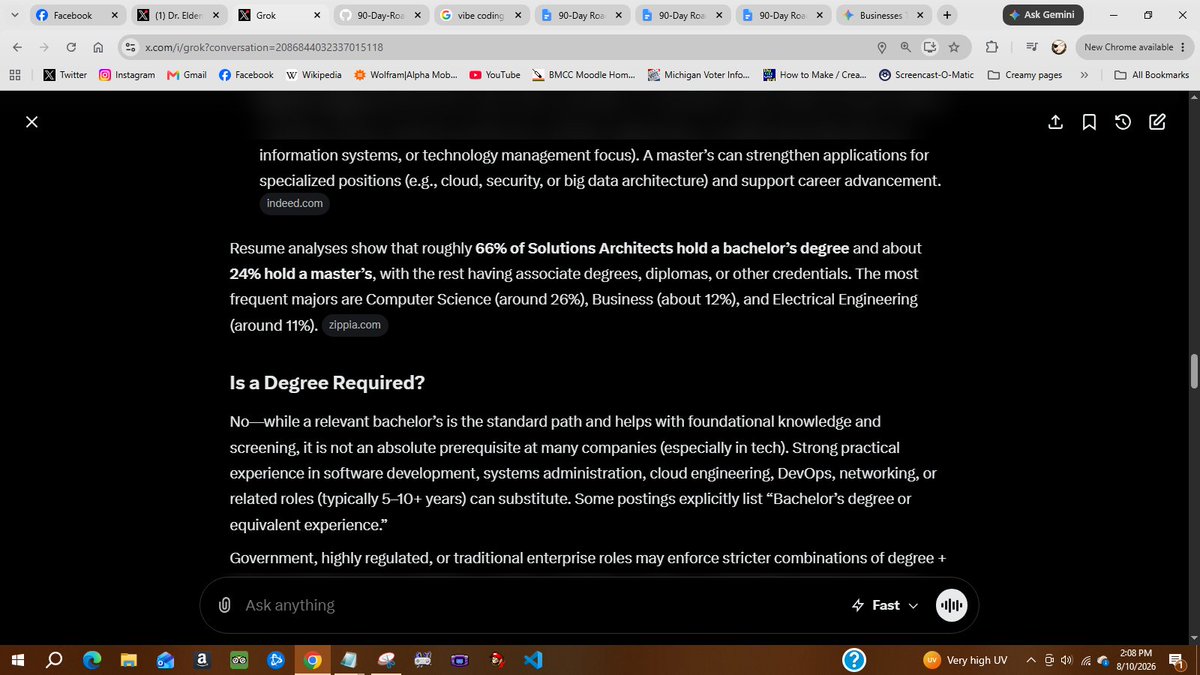
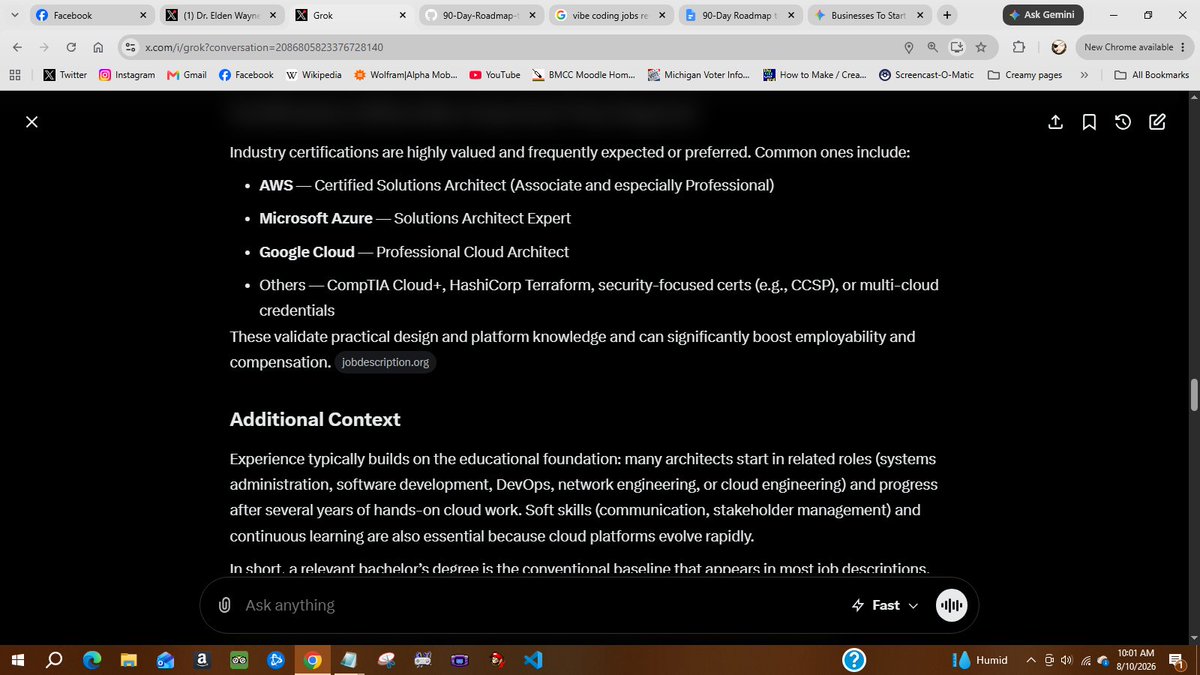
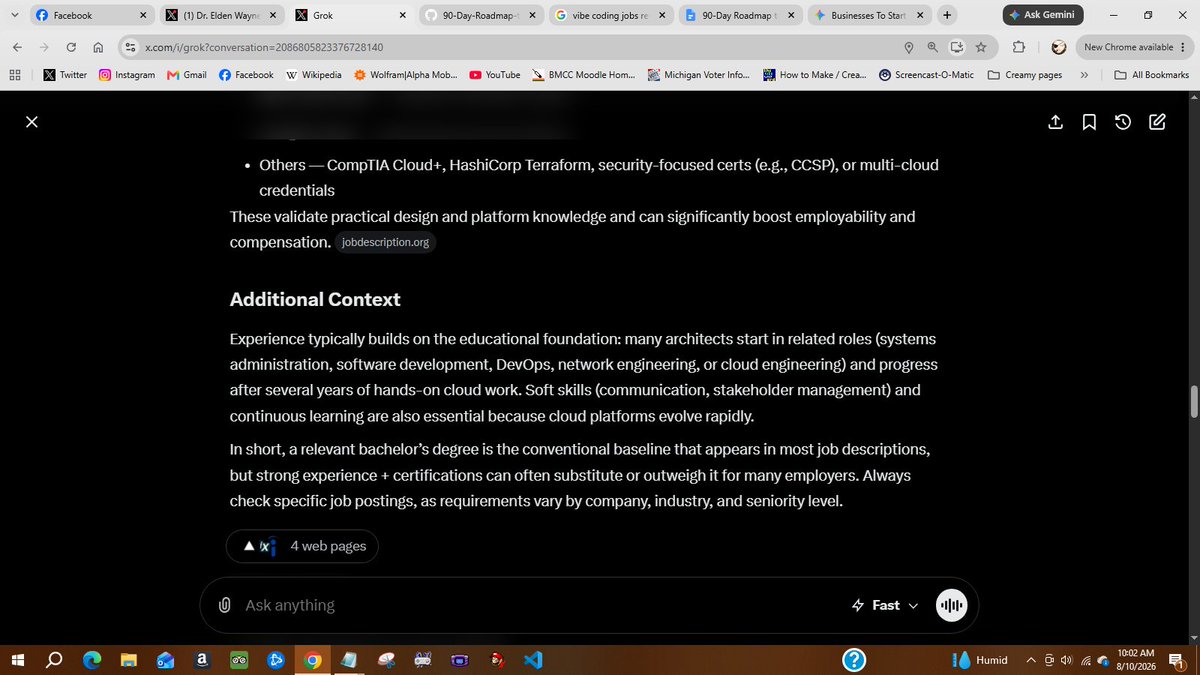
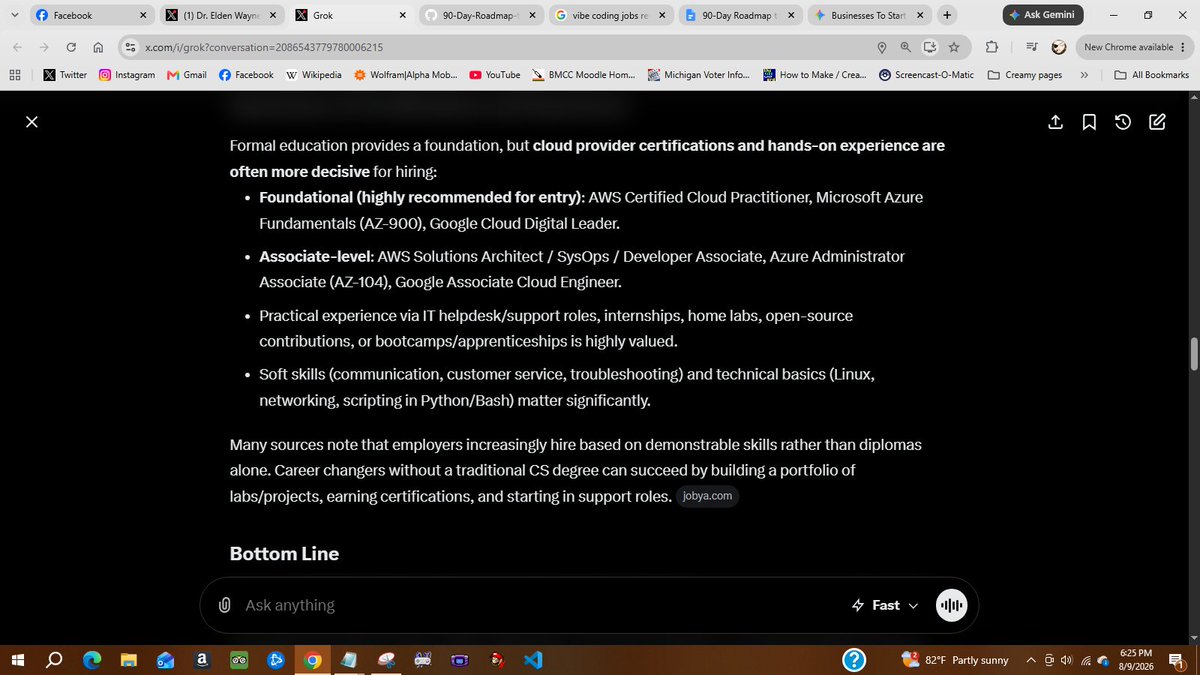
"Most Cloud Solutions Architect roles expect a bachelor’s degree in a related field, though practical experience and certifications often matter more than formal education, and some positions accept equivalent work experience."
Exact figures vary significantly by experience, location, company, platform specialization (AWS, Azure, GCP), certifications, and whether total compensation includes bonuses, equity/RSUs, or commissions."
"In the United States (as of mid-2026 data), Cloud Solutions Architect salaries typically range from about $90k–$130k total compensation for entry/early-career roles to $200k–$300k+ for senior or principal levels at major tech firms, with medians often falling in the $150k–$230k.
"A Cloud Solutions Architect (also called a Cloud Solution Architect or CSA) is an IT professional who designs, plans, and oversees the implementation of cloud-based systems and architectures to meet an organization’s business and technical needs."
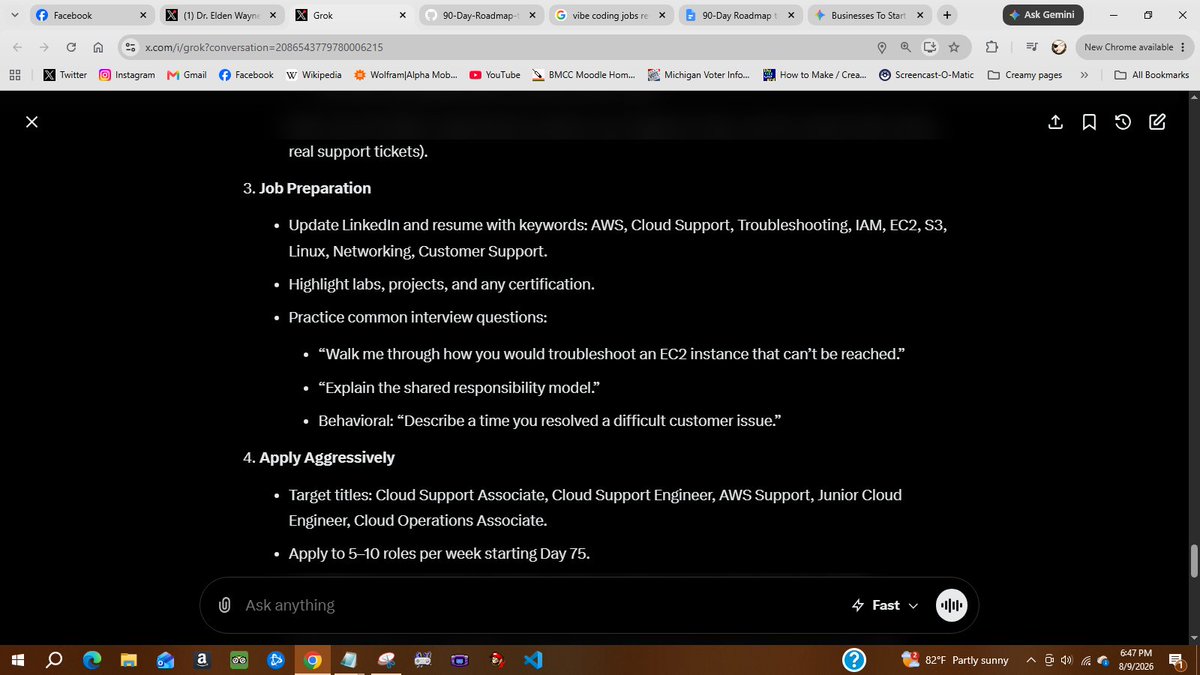
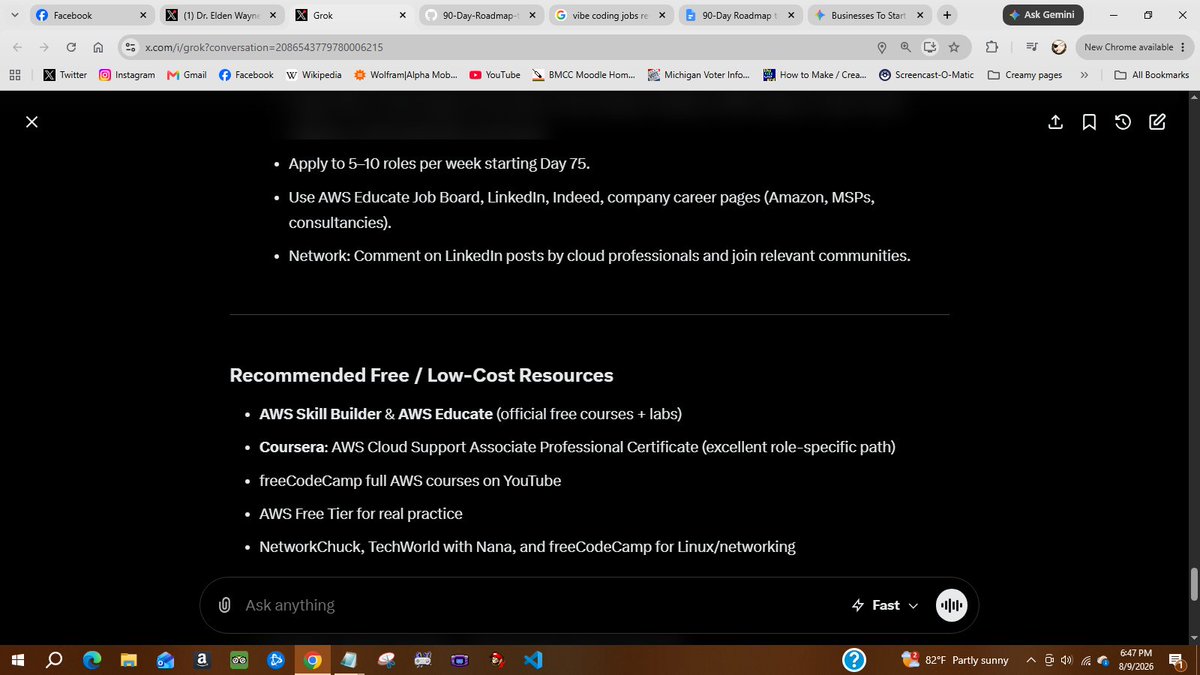
"Here’s a practical 90-day roadmap to become job-ready for an entry-level Cloud Support Associate or Cloud Support Engineer role (most commonly on AWS, the market leader).
This assumes 10–20 hours per week. It prioritizes AWS, hands-on practice, troubleshooting skills, and the soft skills that support roles demand. You can do this with little or no prior experience.
"Most Cloud Support roles (Cloud Support Engineer, Associate, or Specialist) prefer or require a bachelor’s degree in a related field, but it is not always strictly mandatory—especially at the entry level.