The traditional workplace is broken - not because people don’t care, but because energy goes unnoticed.
These are the 10 beliefs behind Work Day Awareness®.
If they resonate, you’re one of us.
https://t.co/nWvgAWVltZ
𝐖𝐡𝐚𝐭 𝐢𝐟 𝐨𝐫𝐠𝐚𝐧𝐢𝐳𝐚𝐭𝐢𝐨𝐧𝐬 𝐚𝐫𝐞 𝐦𝐞𝐚𝐬𝐮𝐫𝐢𝐧𝐠 𝐨𝐮𝐭𝐜𝐨𝐦𝐞𝐬... 𝐛𝐮𝐭 𝐦𝐢𝐬𝐬𝐢𝐧𝐠 𝐭𝐡𝐞 𝐬𝐢𝐠𝐧𝐚𝐥𝐬 𝐭𝐡𝐚𝐭 𝐬𝐡𝐚𝐩𝐞 𝐭𝐡𝐞𝐦?
Most organizations measure performance.
Few measure what people are noticing.
𝐖𝐨𝐫𝐤𝐩𝐥𝐚𝐜𝐞 𝐒𝐢𝐠𝐧𝐚𝐥𝐬™ was built around a simple idea:
People often see workplace issues long before organizations do.
What are people seeing?
https://t.co/1vZMc6MsLU
#WorkplaceVisibility #Leadership
𝐖𝐡𝐚𝐭 𝐢𝐟 𝐭𝐡𝐞 𝐫𝐞𝐚𝐥 𝐝𝐢𝐬𝐫𝐮𝐩𝐭𝐢𝐨𝐧 𝐢𝐧 𝐭𝐨𝐝𝐚𝐲’𝐬 𝐰𝐨𝐫𝐤𝐩𝐥𝐚𝐜𝐞 𝐢𝐬𝐧’𝐭 𝐣𝐮𝐬𝐭 𝐭𝐞𝐜𝐡𝐧𝐨𝐥𝐨𝐠𝐢𝐜𝐚𝐥 𝐜𝐡𝐚𝐧𝐠𝐞… 𝐛𝐮𝐭 𝐭𝐡𝐞 𝐪𝐮𝐢𝐞𝐭 𝐩𝐬𝐲𝐜𝐡𝐨𝐥𝐨𝐠𝐢𝐜𝐚𝐥 𝐩𝐫𝐞𝐬𝐬𝐮𝐫𝐞 𝐨𝐟 𝐜𝐨𝐧𝐬𝐭𝐚𝐧𝐭𝐥𝐲 𝐡𝐚𝐯𝐢𝐧𝐠 𝐭𝐨 𝐚𝐝𝐚𝐩𝐭?
In this week’s 𝑻𝒉𝒆 𝑬𝒏𝒆𝒓𝒈𝒚 𝑺𝒉𝒊𝒇𝒕 newsletter, we’re exploring how continuous change may be reshaping more than workflows and productivity.
It may also be reshaping how people experience stability, identity, and value inside the modern workday.
#FutureOfWork #EnergyBehindBehavior
https://t.co/WA8BXbLtMR
For years, many workplaces rewarded people for being efficient, responsive, dependable, and constantly productive.
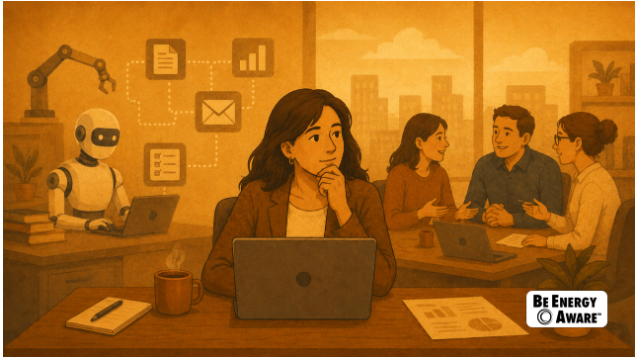
Now AI is beginning to challenge many of the very tasks people quietly tied their identity to.
Which raises a deeper workplace question:
If human value has been measured primarily through output… what happens when output becomes easier to automate?
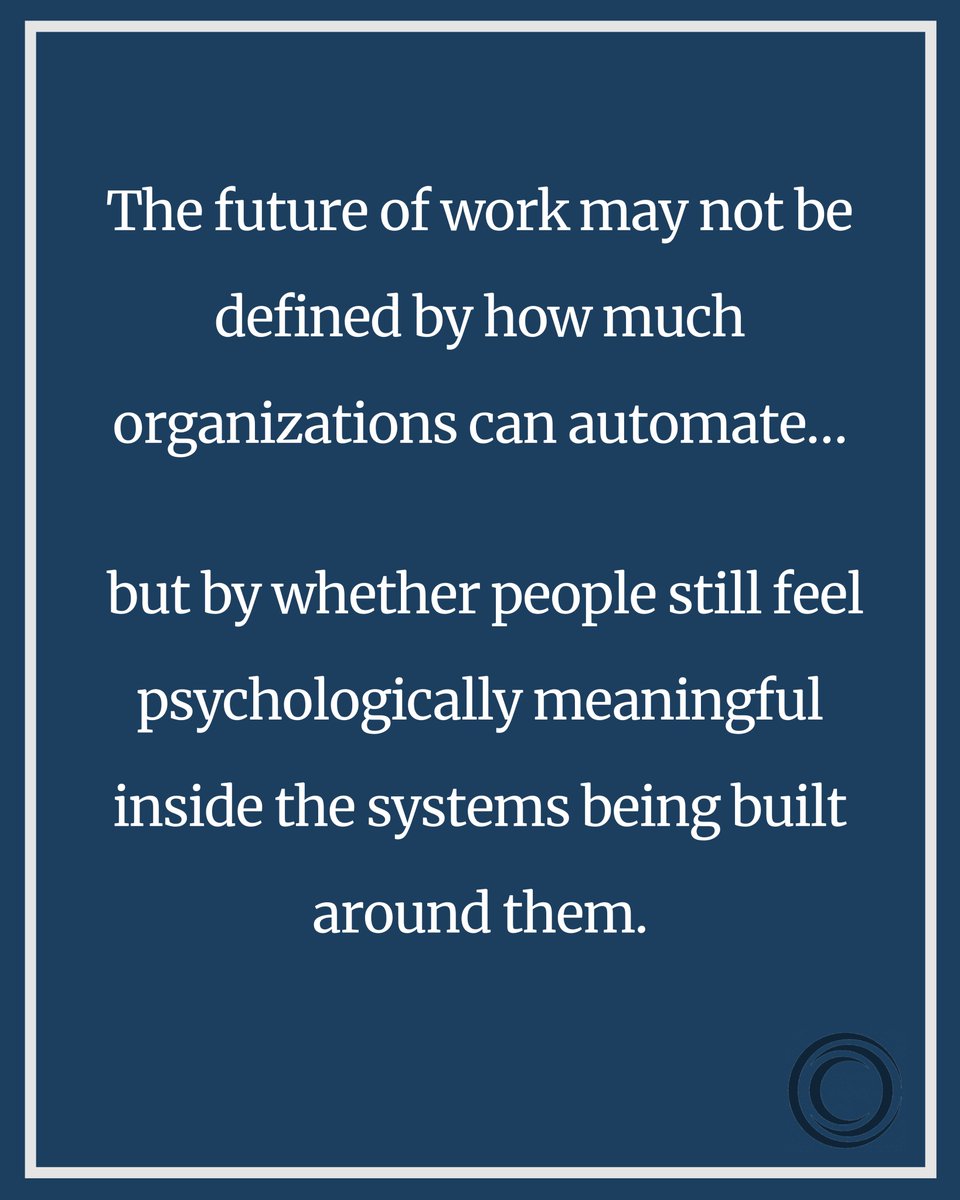
The future of work may require organizations to rediscover something many lost visibility into long ago:
The human experience underneath the work itself.
Not just productivity.
But presence.
Connection.
Energy.
Meaning.
Next week’s The Energy Shift newsletter explores:
“The Identity Disruption Few Organizations Prepared For”
https://t.co/9LOZuG7z6F
𝐖𝐡𝐚𝐭 𝐢𝐟 𝐜𝐨𝐦𝐩𝐞𝐭𝐞𝐧𝐜𝐞 𝐢𝐬 𝐡𝐢𝐝𝐢𝐧𝐠 𝐝𝐢𝐬𝐜𝐨𝐧𝐧𝐞𝐜𝐭𝐢𝐨𝐧?
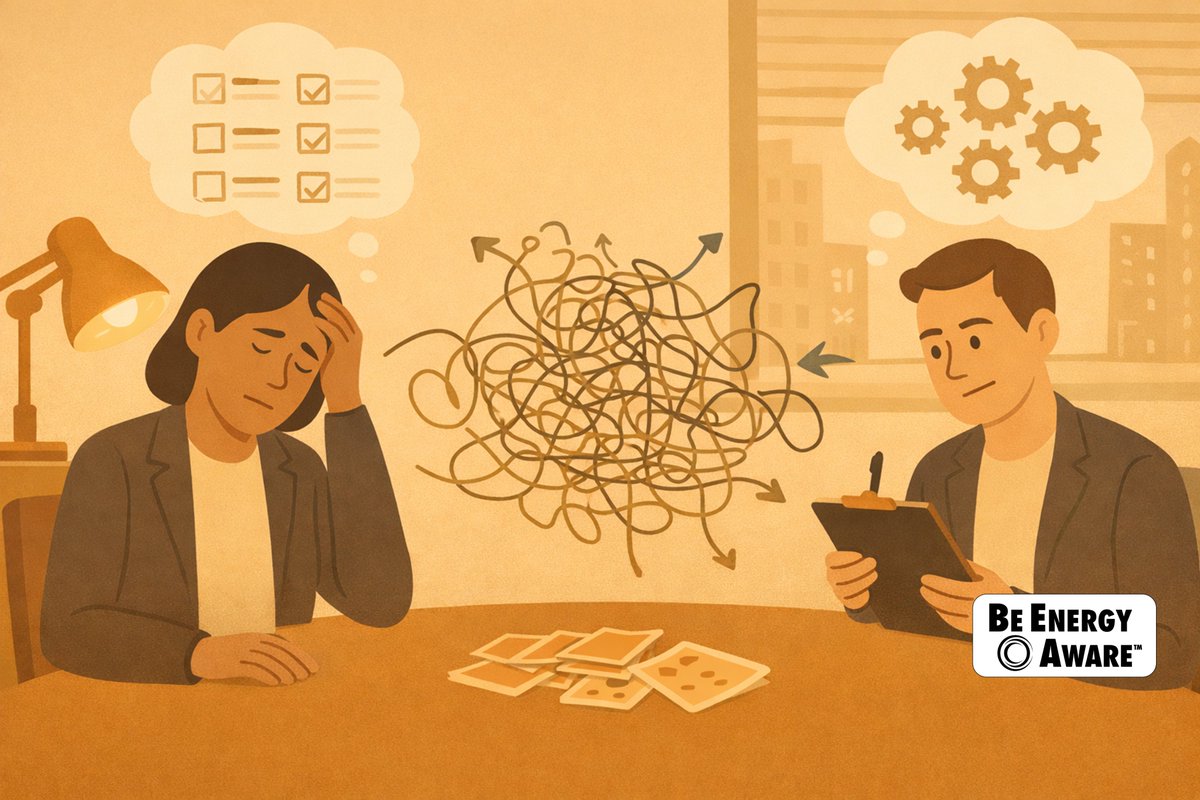
The Performance Trap is what happens when people keep producing after they’ve stopped being present.
It doesn’t always look like burnout.
Sometimes it looks like competence.
The person is still showing up.
Still delivering.
Still answering the emails.
Still sitting in the meetings.
Still saying, “I’m good.”
But underneath the output, something has started to disconnect.
That’s the tension I explore in our newest 𝐁𝐞 𝐄𝐧𝐞𝐫𝐠𝐲 𝐀𝐰𝐚𝐫𝐞 book, 𝑻𝒉𝒆 𝑷𝒆𝒓𝒇𝒐𝒓𝒎𝒂𝒏𝒄𝒆 𝑻𝒓𝒂𝒑.
Because the future of work won’t just be shaped by what people produce.
It will be shaped by whether they can stay connected to who they are while producing it.
Order on Amazon today: https://t.co/jUDnTN5GJj
#BeEnergyAware #WorkDayAwareness #Leadership #WorkplaceCulture
𝐖𝐡𝐚𝐭 𝐢𝐟 𝐭𝐡𝐞 𝐛𝐢𝐠𝐠𝐞𝐬𝐭 𝐩𝐞𝐫𝐟𝐨𝐫𝐦𝐚𝐧𝐜𝐞 𝐜𝐡𝐚𝐥𝐥𝐞𝐧𝐠𝐞 𝐢𝐧 𝐦𝐨𝐝𝐞𝐫𝐧 𝐰𝐨𝐫𝐤 𝐢𝐬𝐧’𝐭 𝐚 𝐥𝐚𝐜𝐤 𝐨𝐟 𝐭𝐚𝐥𝐞𝐧𝐭… 𝐛𝐮𝐭 𝐭𝐡𝐞 𝐞𝐱𝐡𝐚𝐮𝐬𝐭𝐢𝐧𝐠 𝐩𝐫𝐞𝐬𝐬𝐮𝐫𝐞 𝐭𝐨 𝐜𝐨𝐧𝐬𝐭𝐚𝐧𝐭𝐥𝐲 𝐩𝐫𝐨𝐯𝐞 𝐨𝐮𝐫 𝐰𝐨𝐫𝐭𝐡?
We're excited to share that the new book by Douglas Herbert, 𝐓𝐡𝐞 𝐏𝐞𝐫𝐟𝐨𝐫𝐦𝐚𝐧𝐜𝐞 𝐓𝐫𝐚𝐩, is officially released.
This small book explores a quiet reality many professionals experience but rarely talk about: 𝘵𝘩𝘦 𝘦𝘮𝘰𝘵𝘪𝘰𝘯𝘢𝘭 𝘸𝘦𝘪𝘨𝘩𝘵 𝘰𝘧 𝘱𝘦𝘳𝘧𝘰𝘳𝘮𝘪𝘯𝘨, 𝘣𝘳𝘢𝘤𝘪𝘯𝘨, 𝘰𝘷𝘦𝘳𝘦𝘹𝘵𝘦𝘯𝘥𝘪𝘯𝘨, 𝘢𝘯𝘥 𝘵𝘳𝘺𝘪𝘯𝘨 𝘵𝘰 𝘴𝘵𝘢𝘺 𝘷𝘢𝘭𝘶𝘢𝘣𝘭𝘦 𝘪𝘯 𝘢 𝘤𝘰𝘯𝘴𝘵𝘢𝘯𝘵𝘭𝘺 𝘴𝘩𝘪𝘧𝘵𝘪𝘯𝘨 𝘸𝘰𝘳𝘬𝘱𝘭𝘢𝘤𝘦.
But this isn’t a book about burnout.
It’s about awareness.
It’s about learning the difference between proving and presence.
Between constant performance and sustainable contribution.
Between surviving the workday and actually experiencing it differently.
Our hope is that this book helps readers pause long enough to recognize the hidden energy patterns shaping how we show up at work, at home, and with ourselves.
We're grateful to everyone who has encouraged and supported this journey and the broader vision behind the 𝐁𝐞 𝐄𝐧𝐞𝐫𝐠𝐲 𝐀𝐰𝐚𝐫𝐞™ series.
#ThePerformanceTrap #WorkDayAwareness #BeEnergyAware #Leadership
The Performance Trap: From Proving to Presence in the Modern Workday (Be Energy Aware) https://t.co/Uun6FZ68az #Amazon via @Amazon
𝐖𝐡𝐚𝐭 𝐢𝐟 𝐭𝐡𝐞 𝐫𝐞𝐚𝐥 𝐚𝐧𝐱𝐢𝐞𝐭𝐲 𝐚𝐫𝐨𝐮𝐧𝐝 𝐀𝐈 𝐢𝐬𝐧’𝐭 𝐣𝐮𝐬𝐭 𝐚𝐛𝐨𝐮𝐭 𝐣𝐨𝐛 𝐥𝐨𝐬𝐬… 𝐛𝐮𝐭 𝐚𝐛𝐨𝐮𝐭 𝐰𝐡𝐚𝐭 𝐡𝐚𝐩𝐩𝐞𝐧𝐬 𝐰𝐡𝐞𝐧 𝐨𝐮𝐫 𝐯𝐚𝐥𝐮𝐞 𝐧𝐨 𝐥𝐨𝐧𝐠𝐞𝐫 𝐥𝐢𝐯𝐞𝐬 𝐢𝐧 𝐭𝐡𝐞 𝐭𝐚𝐬𝐤?
In this week’s 𝑨𝒃𝒐𝒗𝒆 𝒕𝒉𝒆 𝑺𝒕𝒂𝒕𝒊𝒄, Douglas Herbert explores the quieter emotional side of the AI transition and why many employees may be experiencing something deeper than simple uncertainty.
Maybe the real shift isn’t technological.
𝐌𝐚𝐲𝐛𝐞 𝐢𝐭’𝐬 𝐩𝐞𝐫𝐬𝐨𝐧𝐚𝐥.
#EnergyBehindBehavior #FutureOfWork
https://t.co/CqEOfBzXmP
𝐖𝐡𝐚𝐭 𝐢𝐟 𝐥𝐨𝐧𝐞𝐥𝐢���𝐞𝐬𝐬 𝐚𝐭 𝐰𝐨𝐫𝐤 𝐢𝐬𝐧’𝐭 𝐚 𝐜𝐮𝐥𝐭𝐮𝐫𝐞 𝐩𝐫𝐨𝐛𝐥𝐞𝐦 - 𝐛𝐮𝐭 𝐚 𝐬𝐢𝐠𝐧𝐚𝐥 𝐩𝐫𝐨𝐛𝐥𝐞𝐦?
More than half of workers say they’re lonely.
Not absent. Not disengaged.
Lonely.
That distinction matters.
Loneliness isn’t about being alone.
It’s about being unseen while surrounded by activity.
And most workplaces are very good at activity.
Meetings. Messages. Dashboards. Tools.
Constant interaction with almost no felt connection.
Here’s the quiet cost leaders often miss:
Lonely employees are present, but not available.
They show up, but their energy is elsewhere.
They’re doing the work while slowly disconnecting from the system that asks for it.
That’s why loneliness shows up as:
Mental absence
Higher sick days
Increased job searching
Lower discretionary effort
Not because people don’t care.
Because the workday no longer gives them a place to belong.
As AI and automation increase, this tension intensifies.
Efficiency goes up.
Human signal goes down.
You can’t fix that with team-building activities alone.
The lever isn’t more interaction.
It’s better attunement.
Managers matter here not as motivators, but as sensors.
People don’t need to be managed out of loneliness.
They need to be noticed before it hardens into withdrawal.
When someone feels understood, their vitality returns.
Not because work got easier -
but because it became relational again.
Loneliness isn’t a personal failure.
It’s an organizational blind spot.
And blind spots don’t resolve with perks.
They resolve with awareness.
#TheEnergyBehindBehavior #FutureOfWork