We are your partners in product security. Creators of @appsecengineer and @orchestronio.
AppSec Training | Cloud & Kubernetes | Threat Modeling | DevSecOps
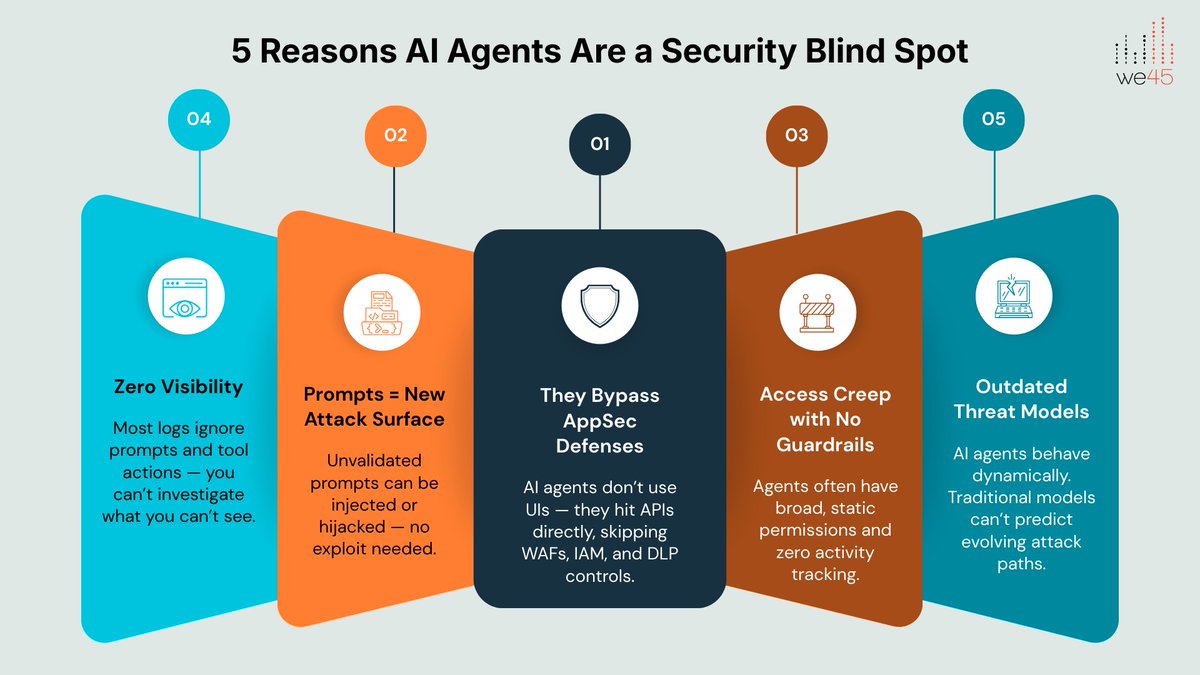
AI agents are already plugged into your systems, querying data, triggering workflows, and making decisions.
But they don’t behave like users, and your existing security stack isn’t built to stop them.
AI agents don’t just assist anymore.
They decide.
What happens when your AI agents make the wrong decision?
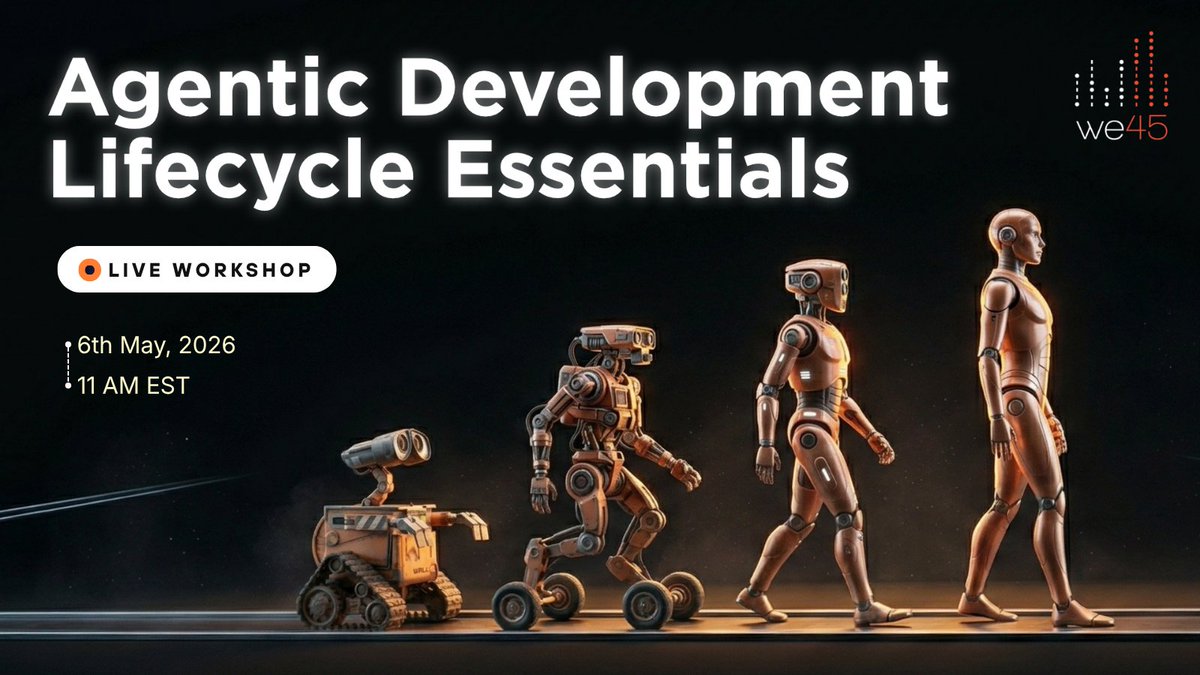
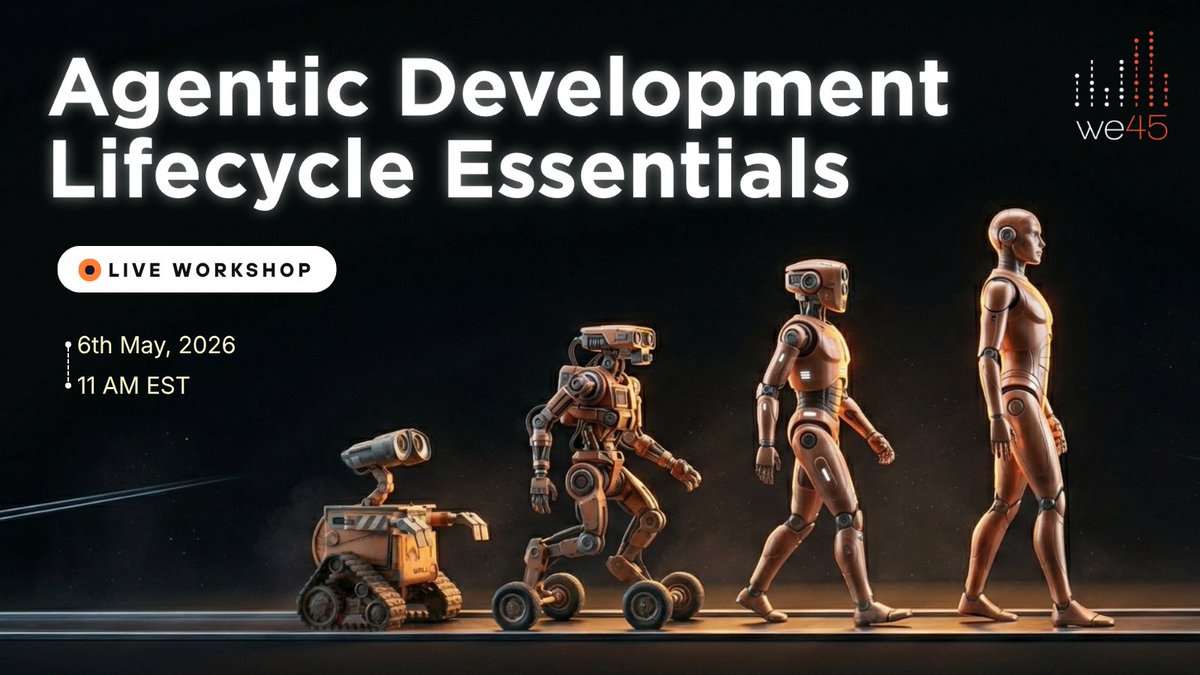
You can’t afford to skip this workshop by @abhaybhargav.
🔗 Link in reply
AI agents are entering your development lifecycle.
But your controls haven’t changed.
Can your current SDLC handle autonomous developers?
If not, this is a must-join.
🔗 Link in reply
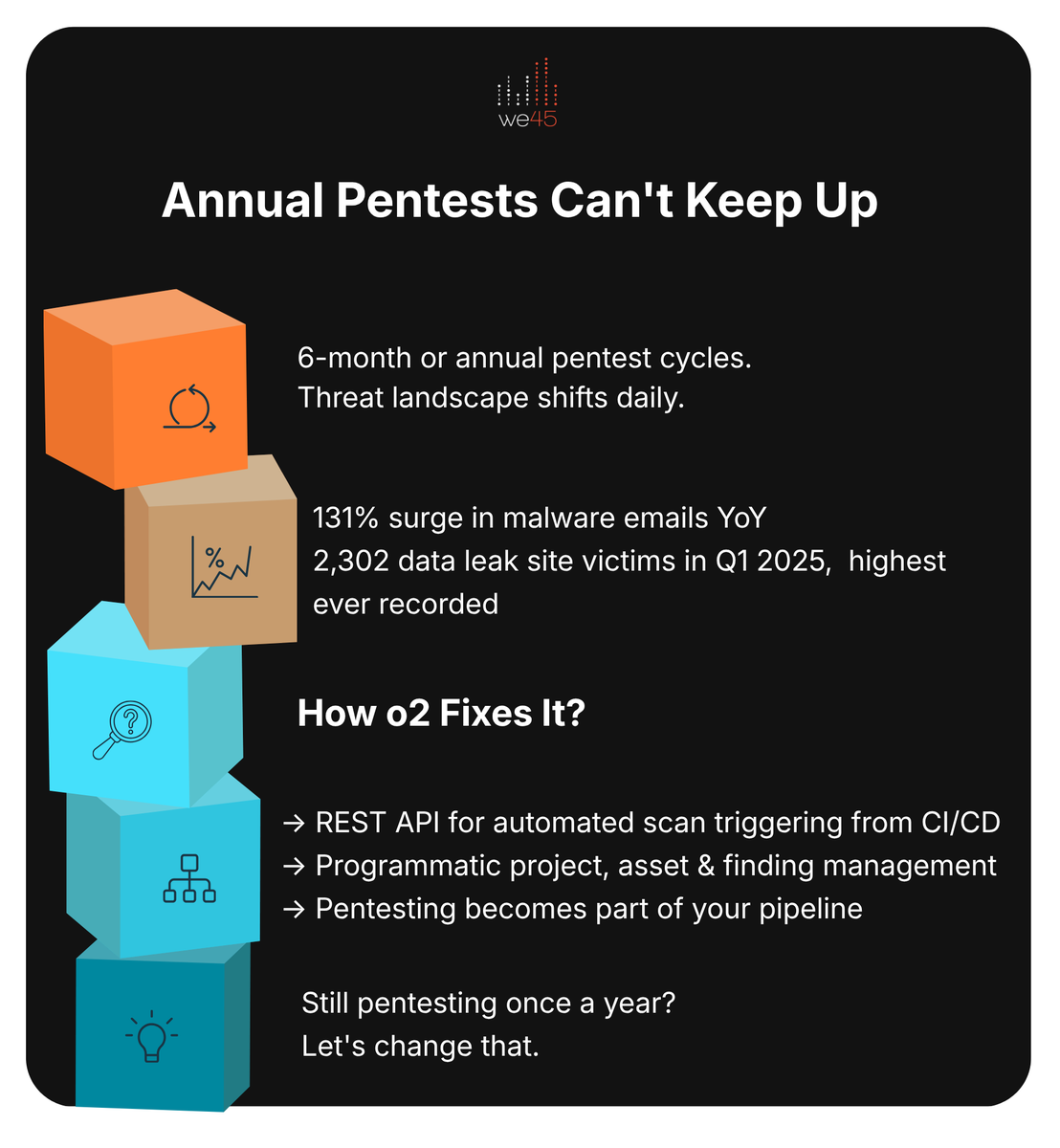
Attackers move daily.
Your security assurance should too.
o2 plugs directly into your CI/CD pipeline via API — automated scan triggering, programmatic finding management, and continuous validation.
Ready to close the gap? Let’s talk.
You’re not just securing code anymore.
You’re securing systems that generate it.
Are you securing the output… or the system creating it?
You need to join this.
🔗 Link in reply
If AI agents are already part of your development…
Are you actually in control of what they’re doing?
👉 This is a must-attend.
🗓 May 6 | 11 AM EST
⚠️ Limited seats
🔗 https://t.co/3LGk3goxFR
Your SDLC wasn’t built for AI agents.
They don’t just assist anymore.
They generate code, make decisions, and act across systems.
But your security model still assumes humans.
That’s the gap. 🧵
You don’t need more tools.
You need a new lifecycle.
• Validate agent decisions
• Add control points
• Build visibility into workflows
Security has to move with the agents.
AI-generated code is one thing.
AI-generated decisions? That’s a bigger risk.
If your agents are making decisions… how are you validating them?
Don’t miss this👇
🔗 Link in reply
Edge-case queries.
Tampered knowledge bases.
Broken vector store access controls.
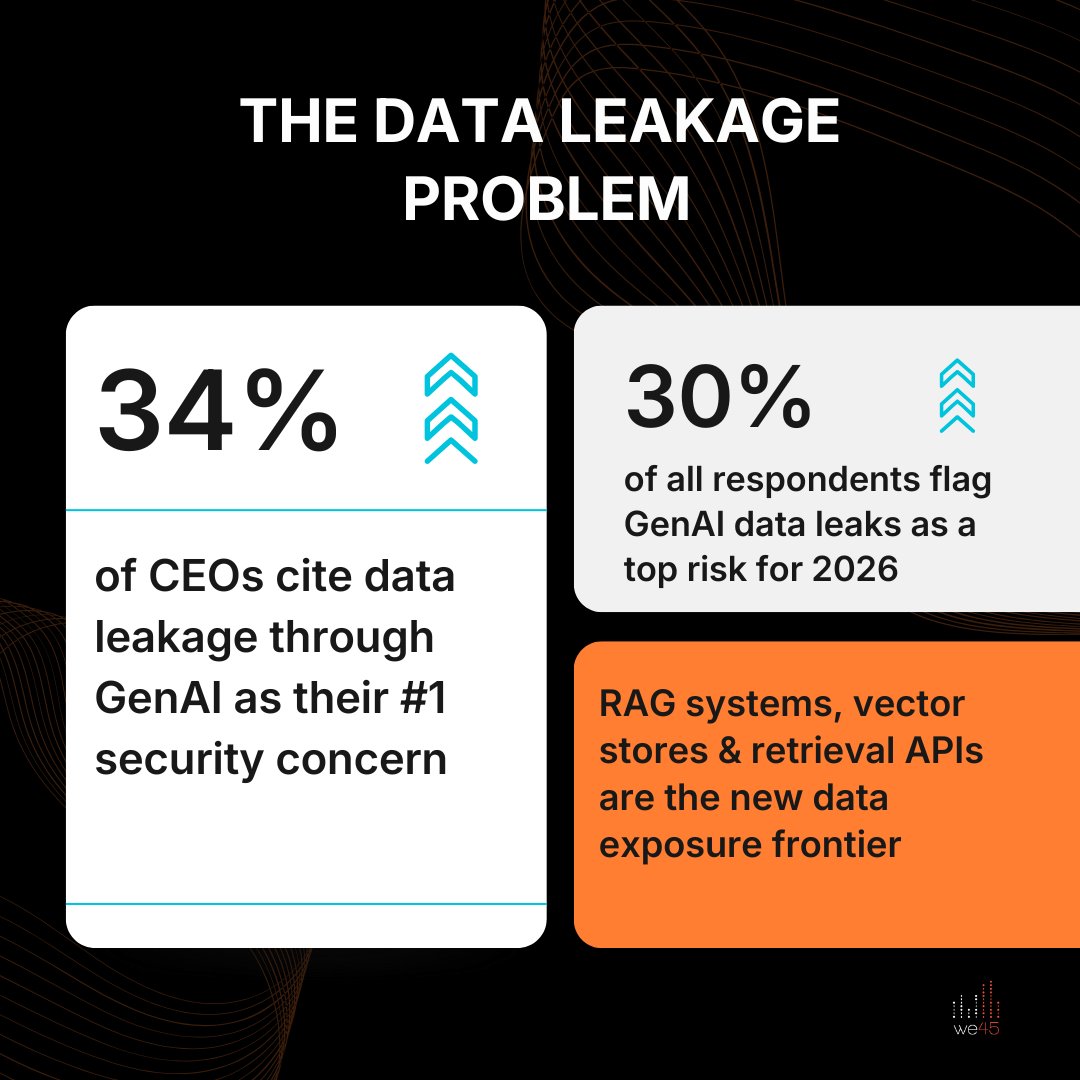
Is your RAG system exposing data it shouldn't?
Let's find out before someone else does.