A coding agent can turn one fix into a side quest.
Keep the diff focused. Check the reason for each change. Run the test that exercises the bug.
Tuesday spotlight: Code Clarity Pruning Tree T-Shirt.
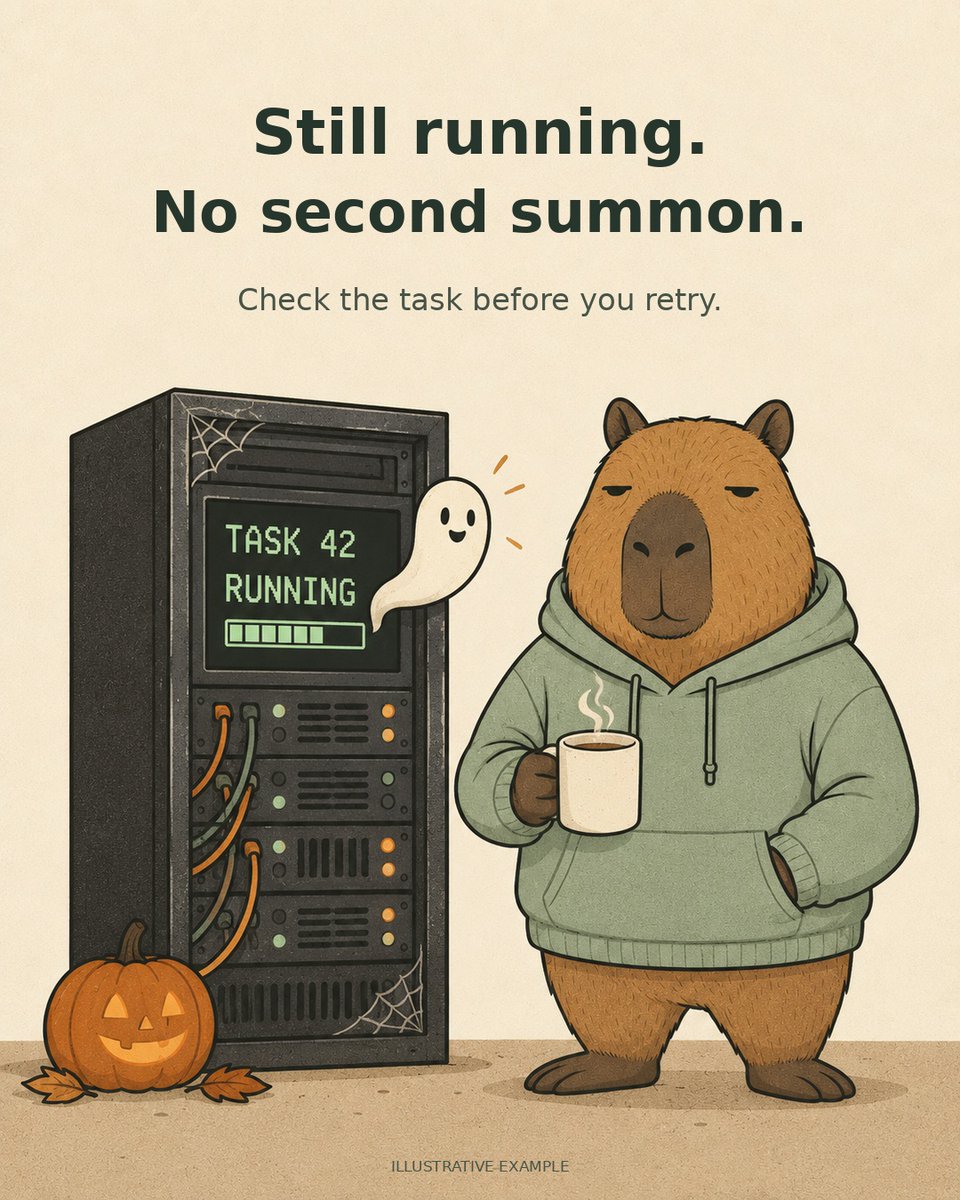
Your coding agent lost the connection. The remote job may still be running.
Before retrying: check the task ID, status and actual result. Reconcile an unknown outcome first.
One ghost in the queue is enough.
What did your coding agent help you delete this week?
Less code can be progress. Understand why it exists, check dependencies, and verify the behavior you mean to keep.
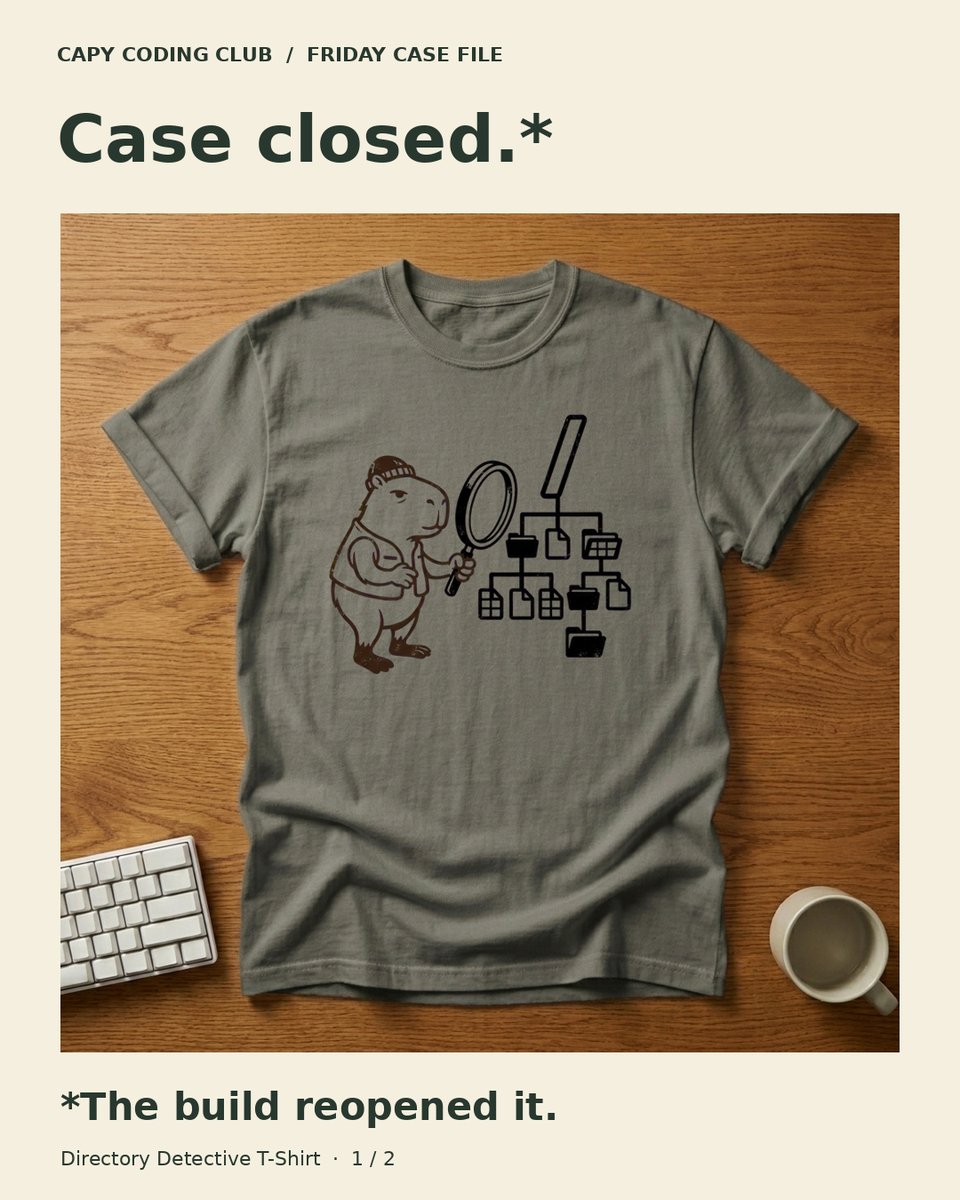
The coding agent fixed it. The next build unfixed it.
If the file is generated, trace it back to the source before patching it.
Friday uniform: Directory Detective.
A small habit for AI-built UI: put the mouse aside.
Tab through the controls. Can you see the focus and complete the main task with the keyboard?
Ask your coding agent to fix the first blocked step. Retest.
A first check, not a full accessibility audit.
In this illustrative example, an AI coding session says “prompt too long.” The request log shows an API error.
Before rewriting anything, what do you inspect first: raw error, tool version, or environment?
Two coding agents. Two worktrees. One codebase to keep working.
Give independent tasks separate checkouts and clear scopes. Then test the combined result.
Worktrees separate files, not shared databases or ports. Even parallel work needs a meeting point.
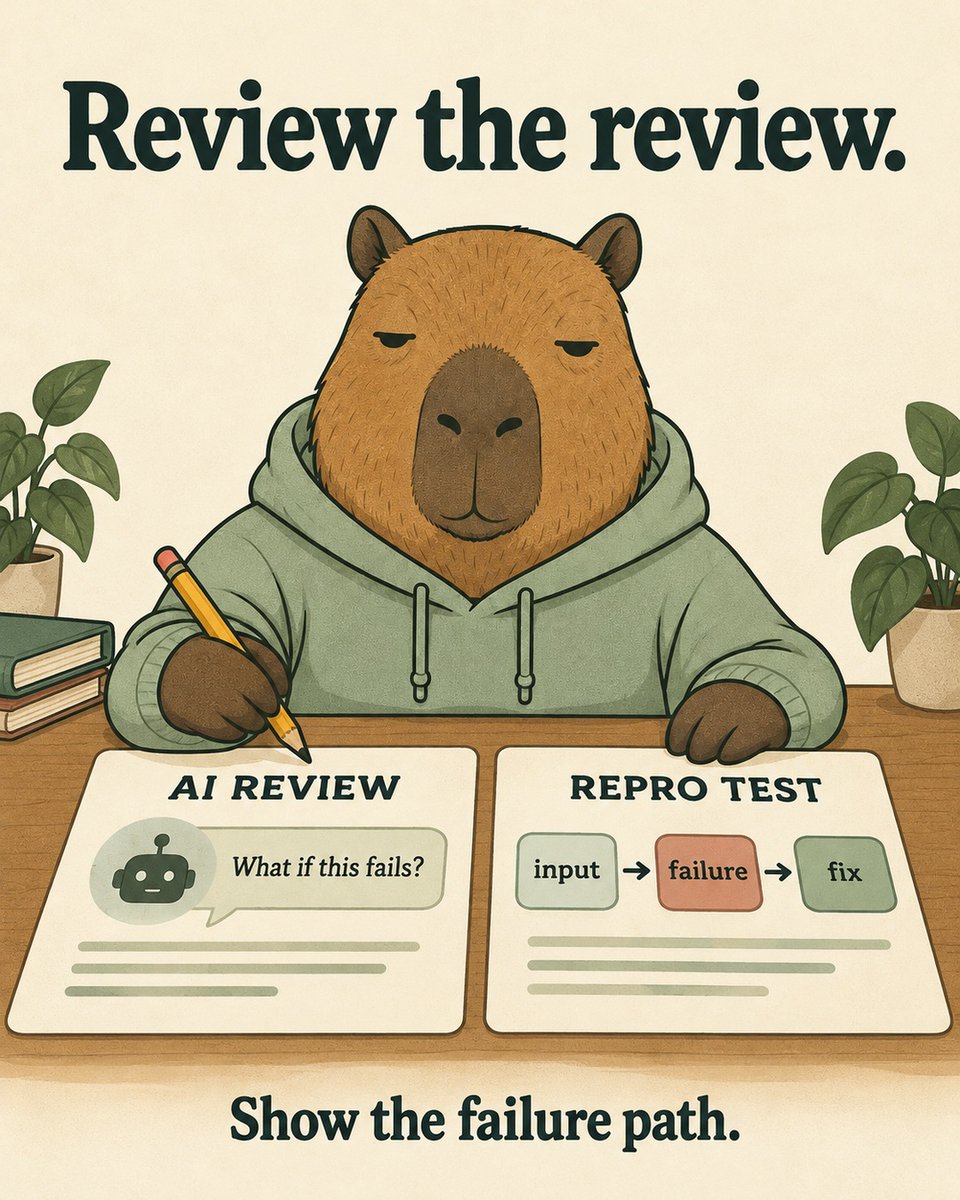
Your AI reviewer found a scary edge case. Before adding another abstraction, ask for the failure path: which input, which broken invariant, which test?
Keep real safeguards. Fix the demonstrated problem.
Review the review.
Your coding agent found an old flag. Dead code or a safety switch?
Check live config, call sites and history before deleting it. Keep the kill switches. Test the behavior.
What would convince you it’s safe to remove?
Friday project: resurrect that abandoned repo with a coding agent.
Bring the failing command and the logs. “It’s haunted” is a mood, not a bug report.
Budget wise. Context poor. Production can wait.
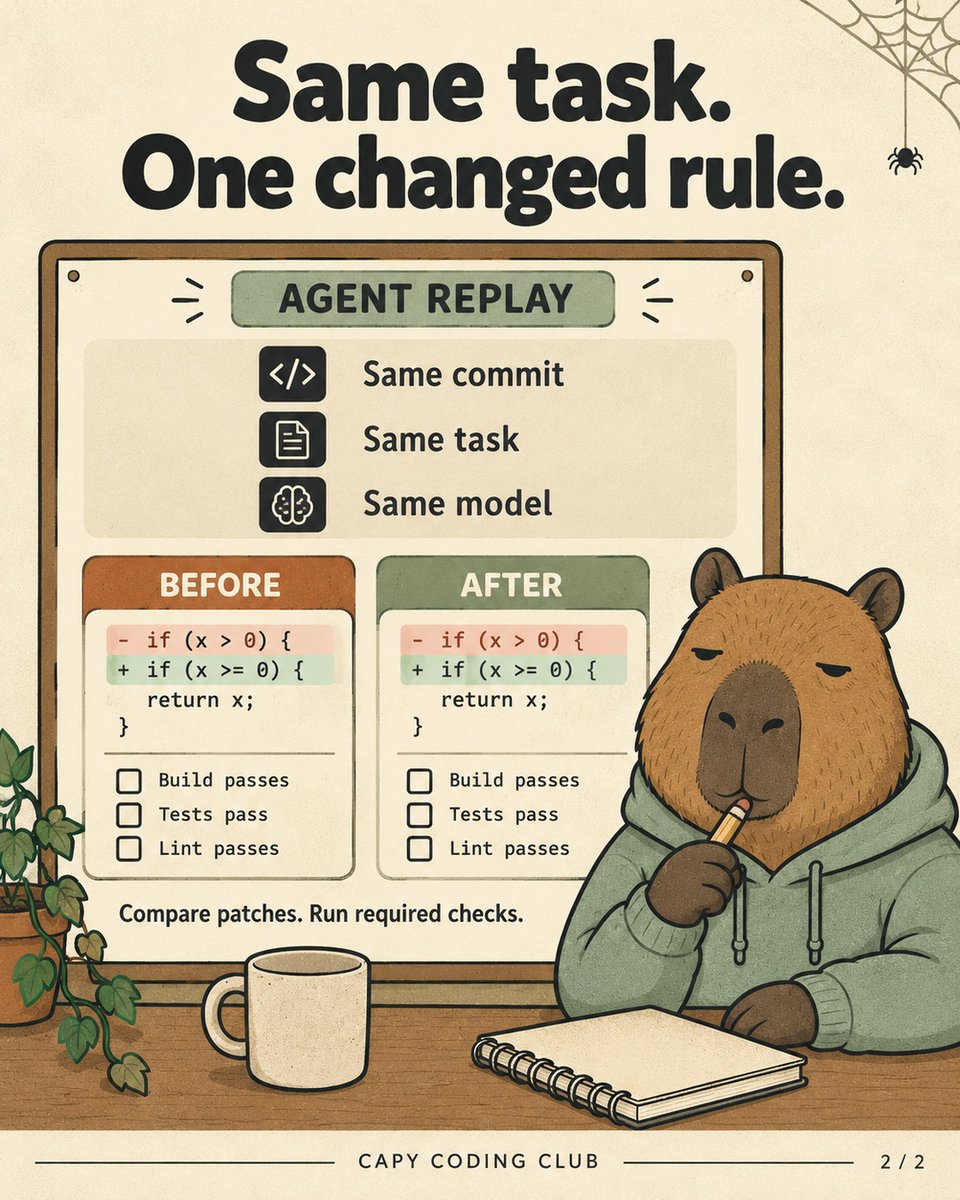
Your coding agent follows AGENTS.md. Test whether the rule helps.
Same commit, task and model. Change the instruction, compare patches across reruns, and run the required checks.
Even the instructions deserve a review.
A bigger context window is welcome. So is a note explaining to the coding agent why that awkward API still exists.
Old clients don’t read refactor intentions.
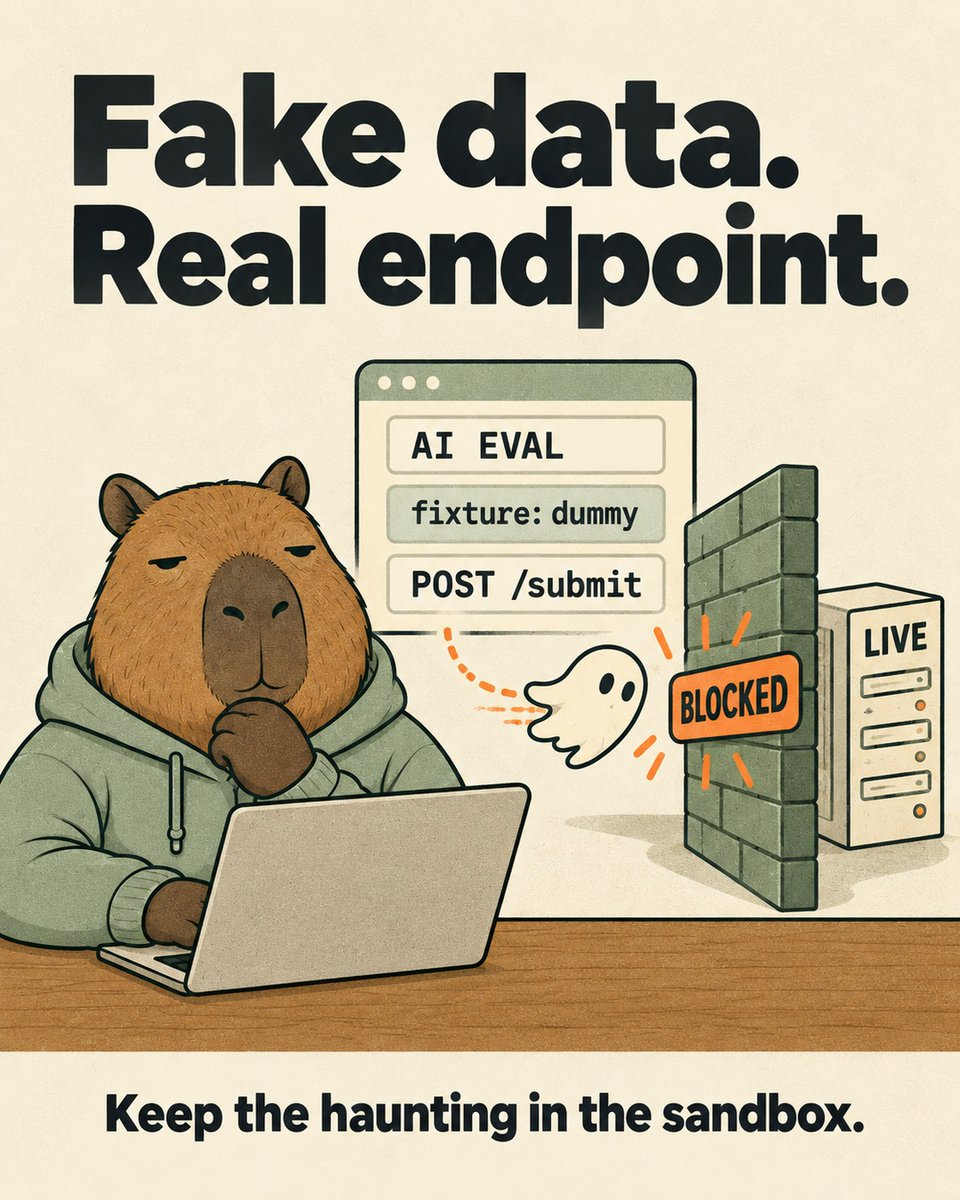
Your agent eval has dummy data. Does it also have a real network boundary?
Fake fixtures don’t make a live endpoint safe. Keep the haunting in the sandbox.