We heard your feedback on the Basic plan, so we've upgraded it. Same price, more room to build.
Basic site plans are now upgraded:
⚡️ 50GB of bandwidth (up from 10GB)
🗄️ 2 CMS collections (up from 1)
Tomorrow we’re sharing a new Bitcoin product we helped refine at @weareloadout.
Focused UX work.
Cleaner product experience.
Real-world mining workflow.
Can’t wait to tell you more!
Open hardware needs open trust.
@skot9000 came to us with the right idea for Bitaxe: the vendor list should not live in a closed CMS controlled behind the scenes.
The source of truth should be public.
So we designed the new Vendor List around a GitHub repo as a public ledger, maintained in the open by the community, and connected it to the new Bitaxe vendor list experience.
That is the important part:
GitHub keeps the trust model transparent.
The website makes it usable for everyone.
At @weareloadout, this is exactly the kind of OSS support we believe in: turning open-source infrastructure into clearer, more usable product experiences.
Built on @framer, using the new Framer Server API to bridge the open ledger with the public website.
Open hardware.
Open trust.
Public by design.
For PoliRNA, the challenge wasn’t just to look scientific, but to build a visual language that felt scientifically credible and unmistakably theirs.
A warmer palette, particulate treatments, and duotone-dithered imagery turned the symbol into a wider identity system.
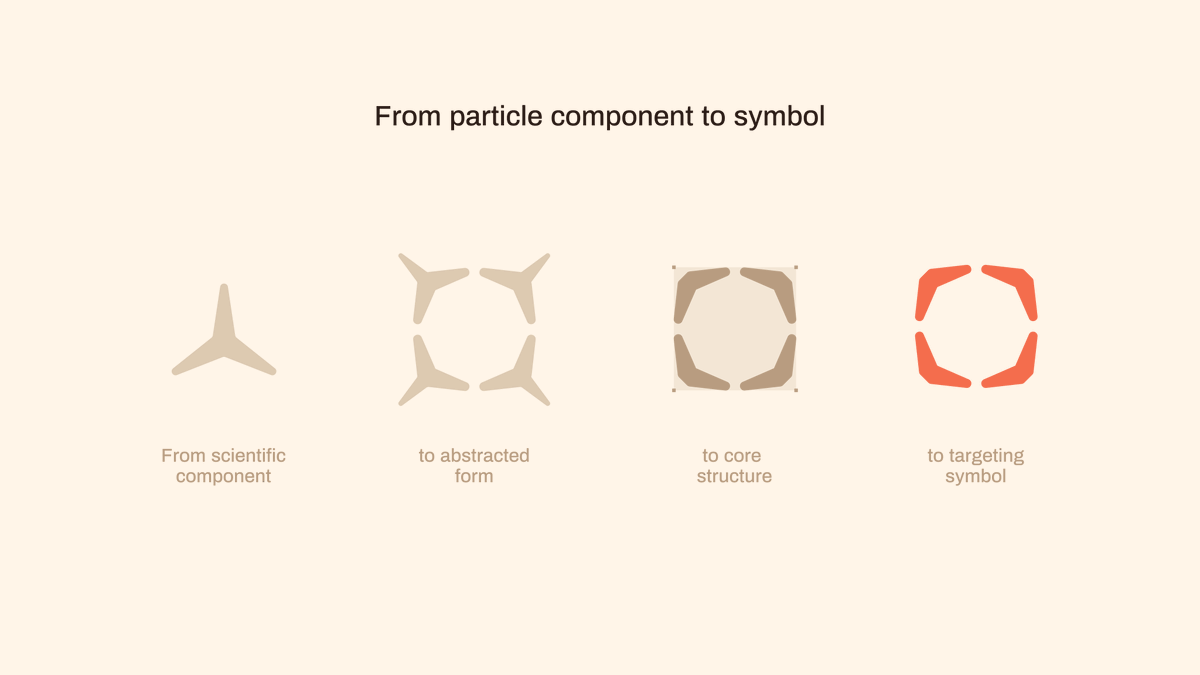
For PoliRNA, we wanted the mark to come from the logic of the science itself, not from familiar biotech conventions.
Two routes emerged: Modular and Core-Targeting.
The selected direction, Core-Targeting, became the symbol the full identity system could be built around.
Before a brand identity fails visually, it usually fails strategically. Misalignment shows up much earlier than most teams think.
For PoliRNA, at @weareloadout we started with a 3-hour Brand Sprint to clarify audience, values, and brand character.
Then we ran a 20-second gut test to surface visual instincts early, before they turn into vague feedback later.
That gave us a much cleaner starting point for the identity work that followed.
Next checkpoint: the 3 moodboards this process led to.