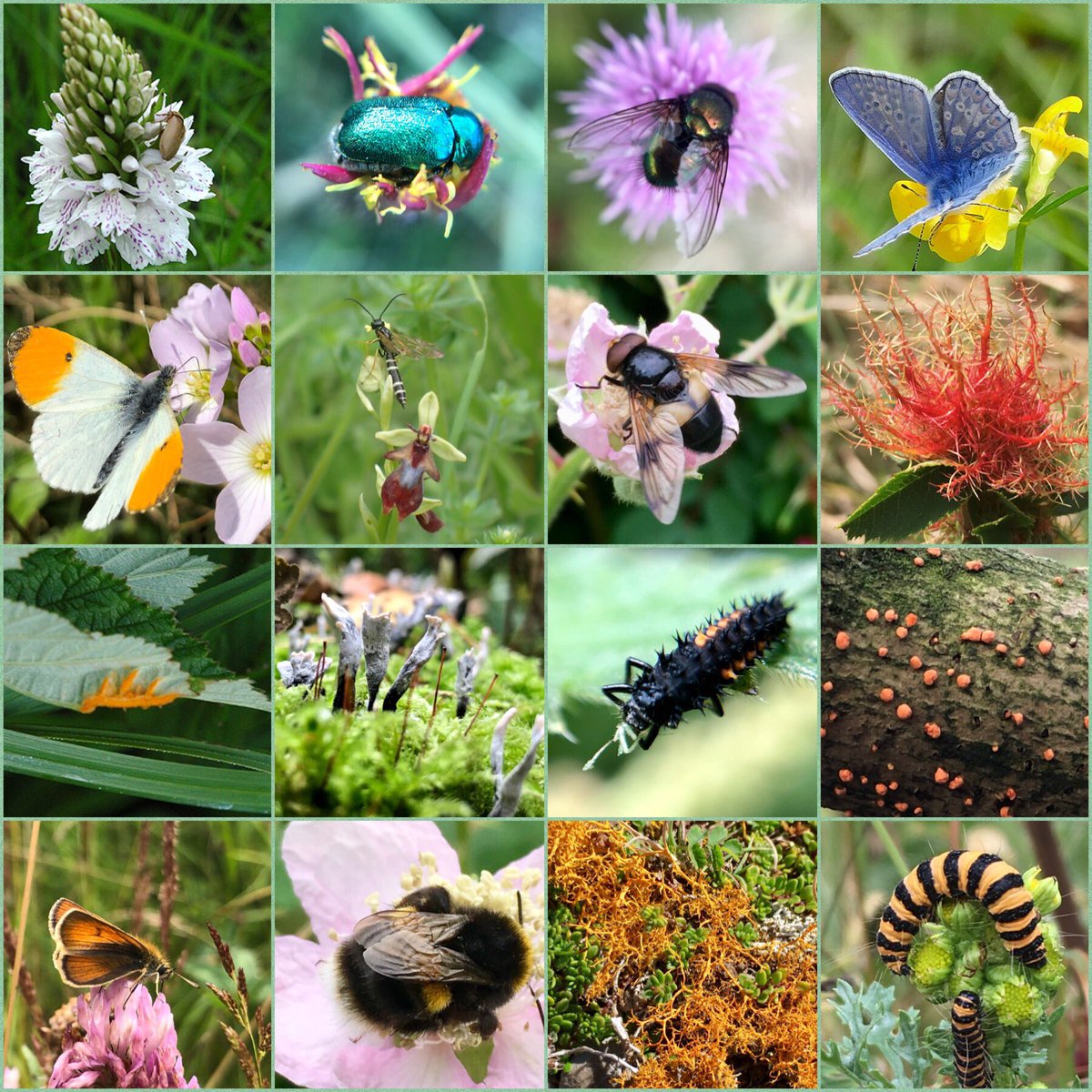
Introducing #WildWebsWednesday! An exciting new hashtag from #Wildflowerhour to celebrate the amazing biodiversity that depends on our wild flora. To take part simply tweet a pic of a wildflower with a dependent organism such as a gall, insect, rust, moss, lichen, fungi, bird🕸🐞
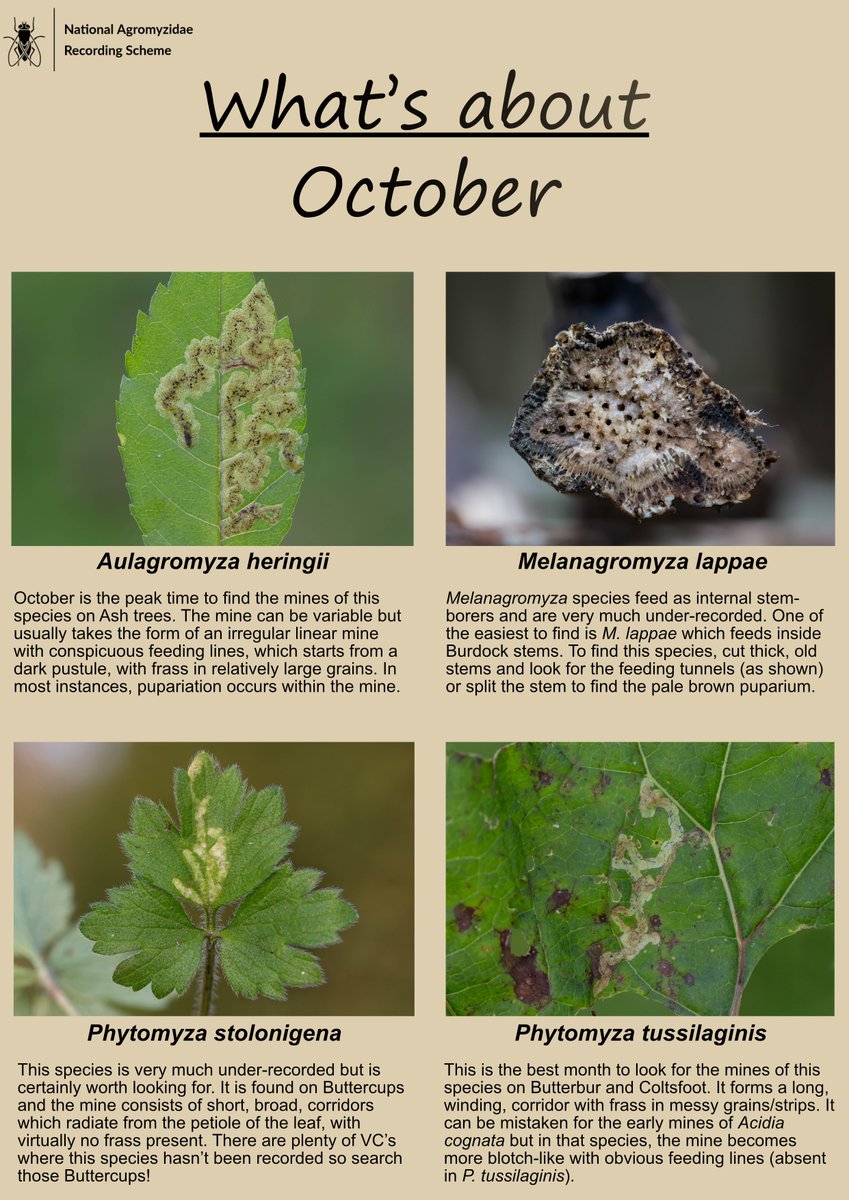
Here is a What's about for October in the Agromyzidae world from Barry Warrington. Comments on the usefulness of this appreciated as I can feed them back to Barry.
#LeafMines#Agromyzidae
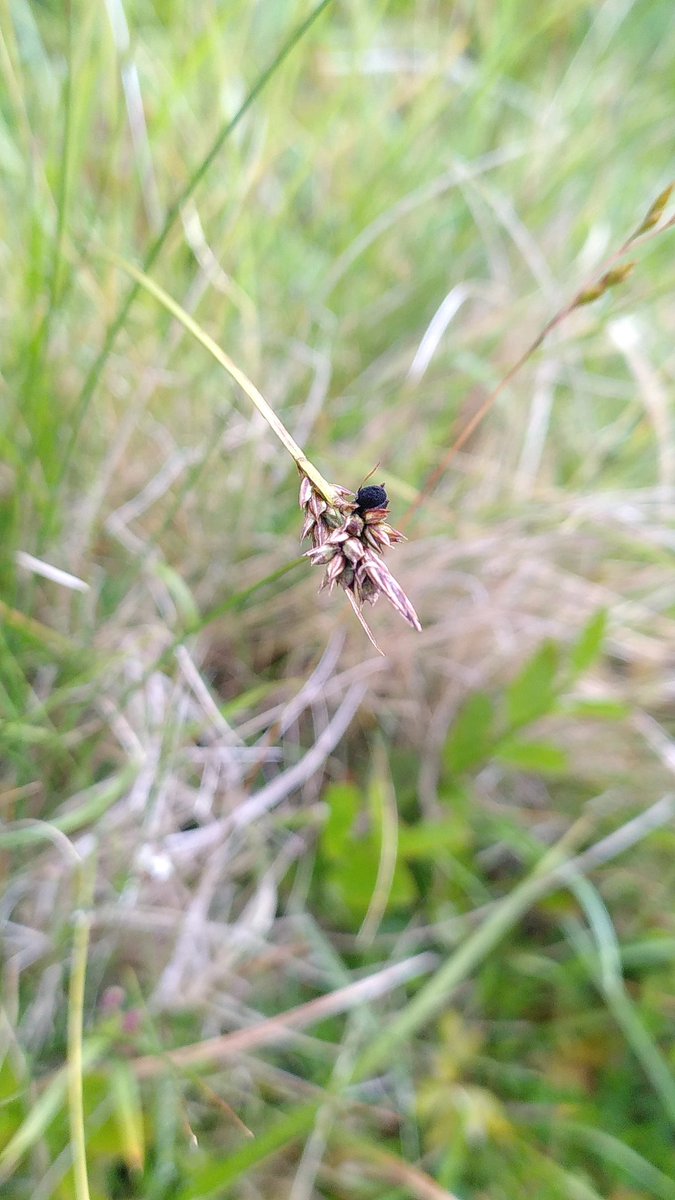
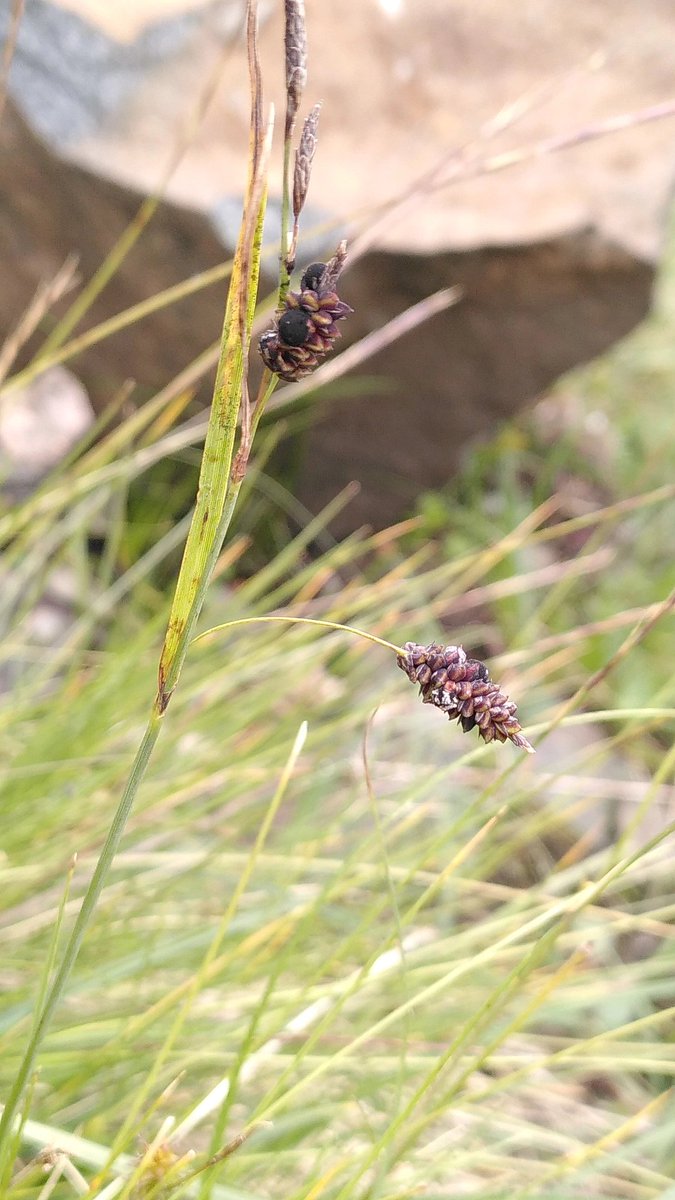
Some lovely Sedge smuts from the Scottish mountains. Anthracoidea caricis on Carex pilulifera (new for Ben Lawers!), A. karii on C. echinata, A. pulicaris on C. pulicaris and A. pratensis on C. flacca. final three from Caenlochan. #wildwebswednesday
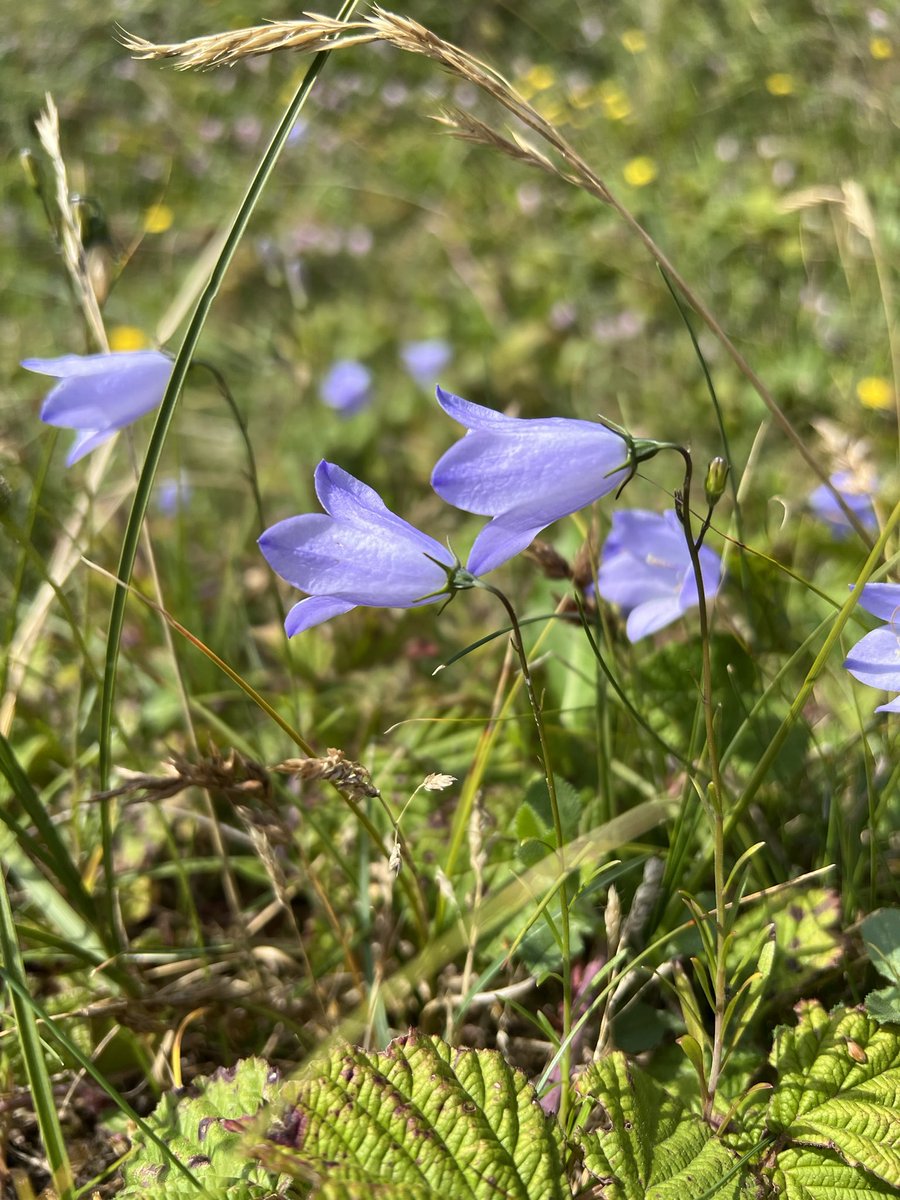
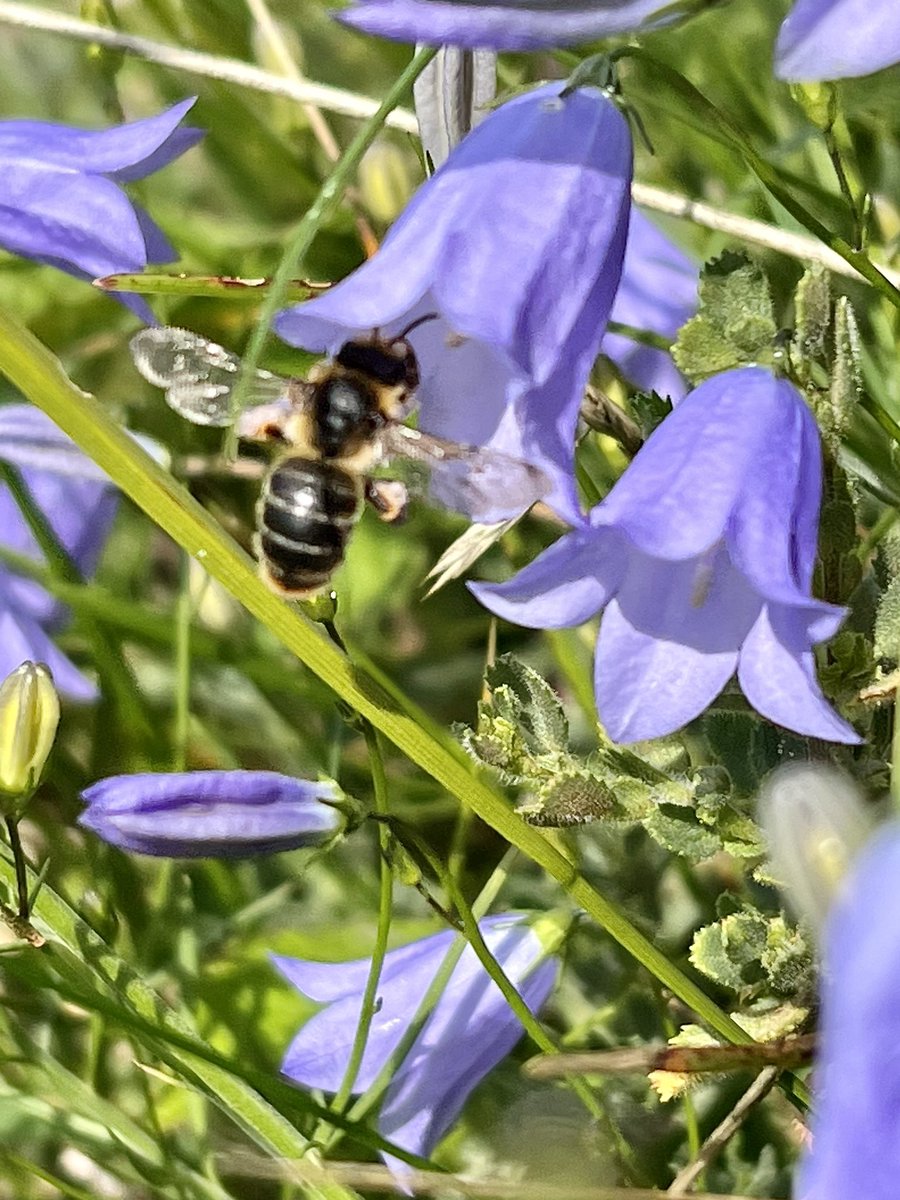
For #WildWebsWednesday, I was so excited yesterday to see Harebells being visited by a teeny female Gold-tailed Melitta Bee, Melitta haemorrhoidalis. Not the best pic as she zipped off quick!
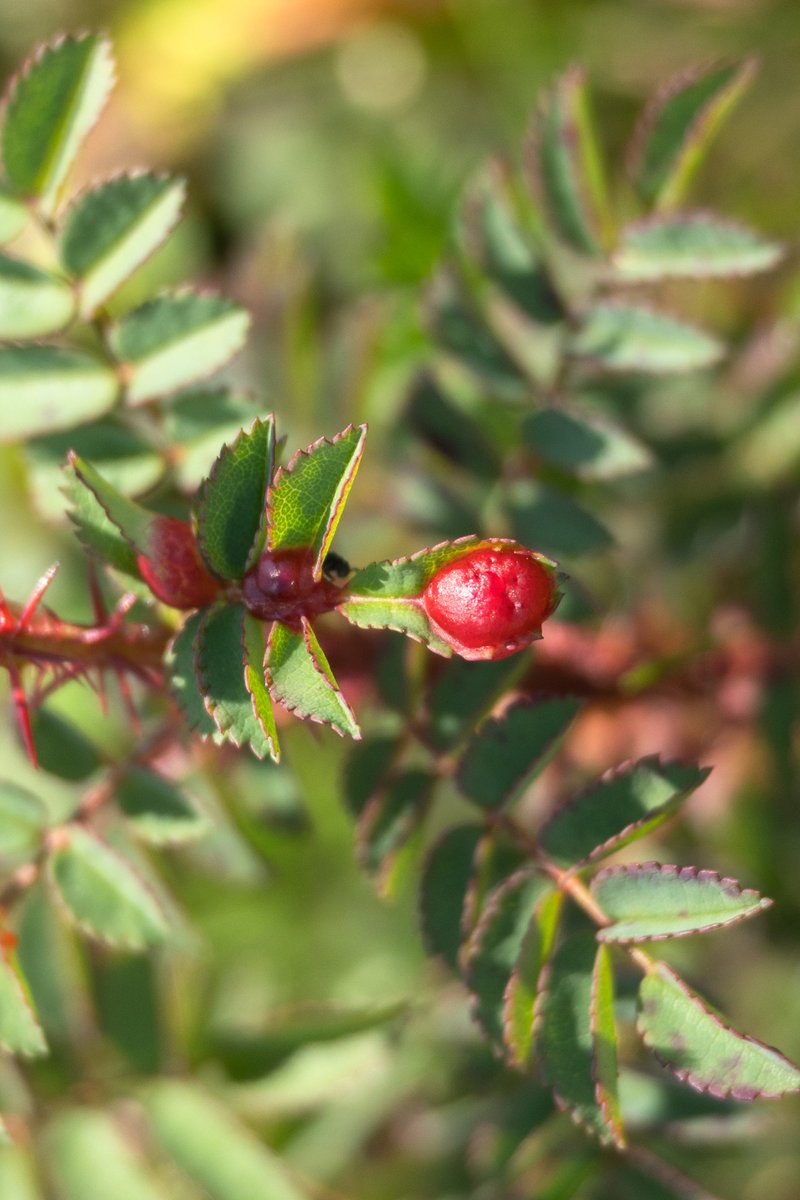
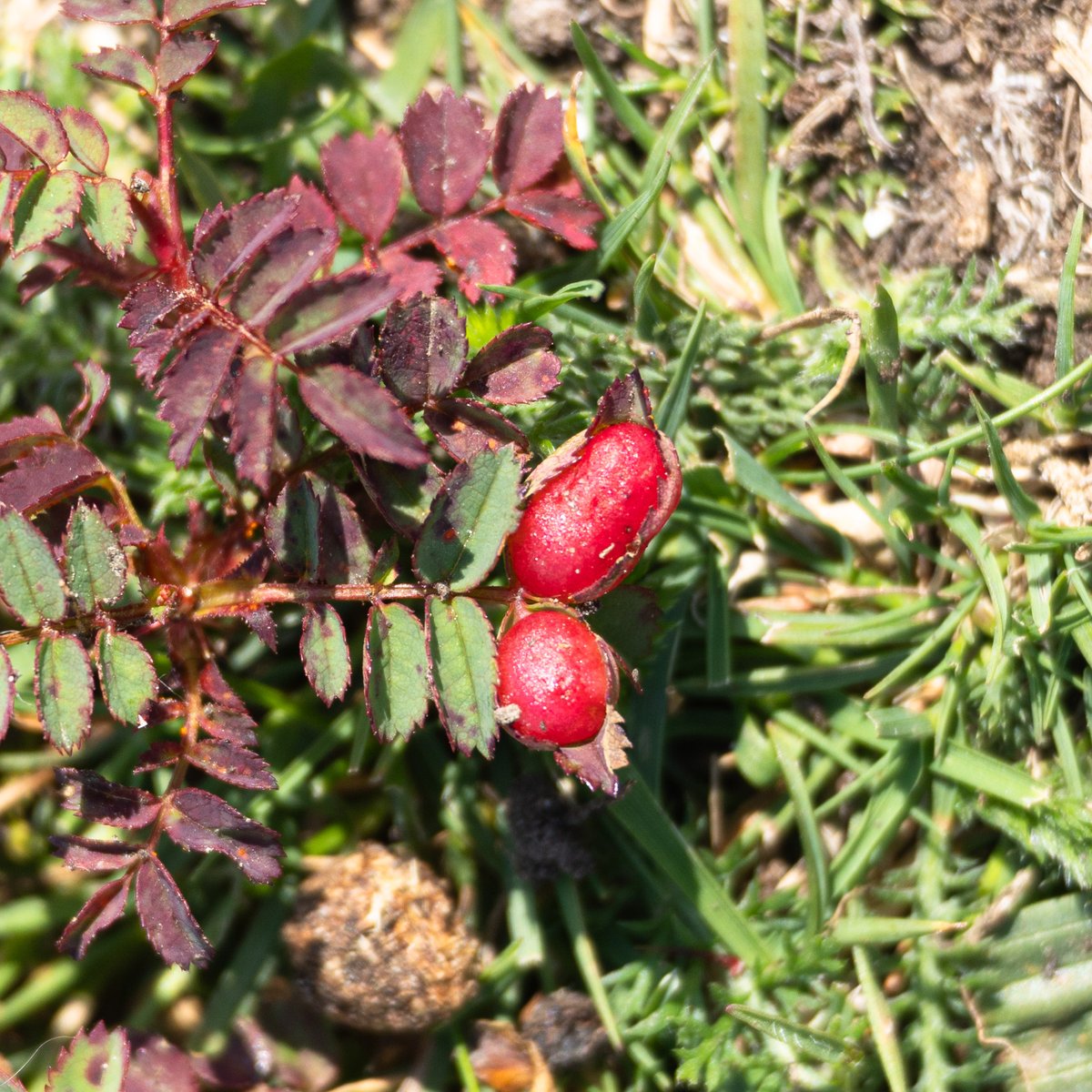
So much Burnet Rose in the grassland-scrub mosaic at Shooter's Bottom, many with characteristic galls caused by Diplolepis spinosissimae, as well as patches of bright orange rust, possibly Phragmidium rosae-pimpinellifoliae, but not confirmed. #WildWebsWednesday
Gall of the week is a fungal gall on Moschatel caused by Puccinia albescens. Photo by Kathryn Killner.
Moschatel is sometimes called 'the town hall clock', so I guess these galls are the corporations' watches!
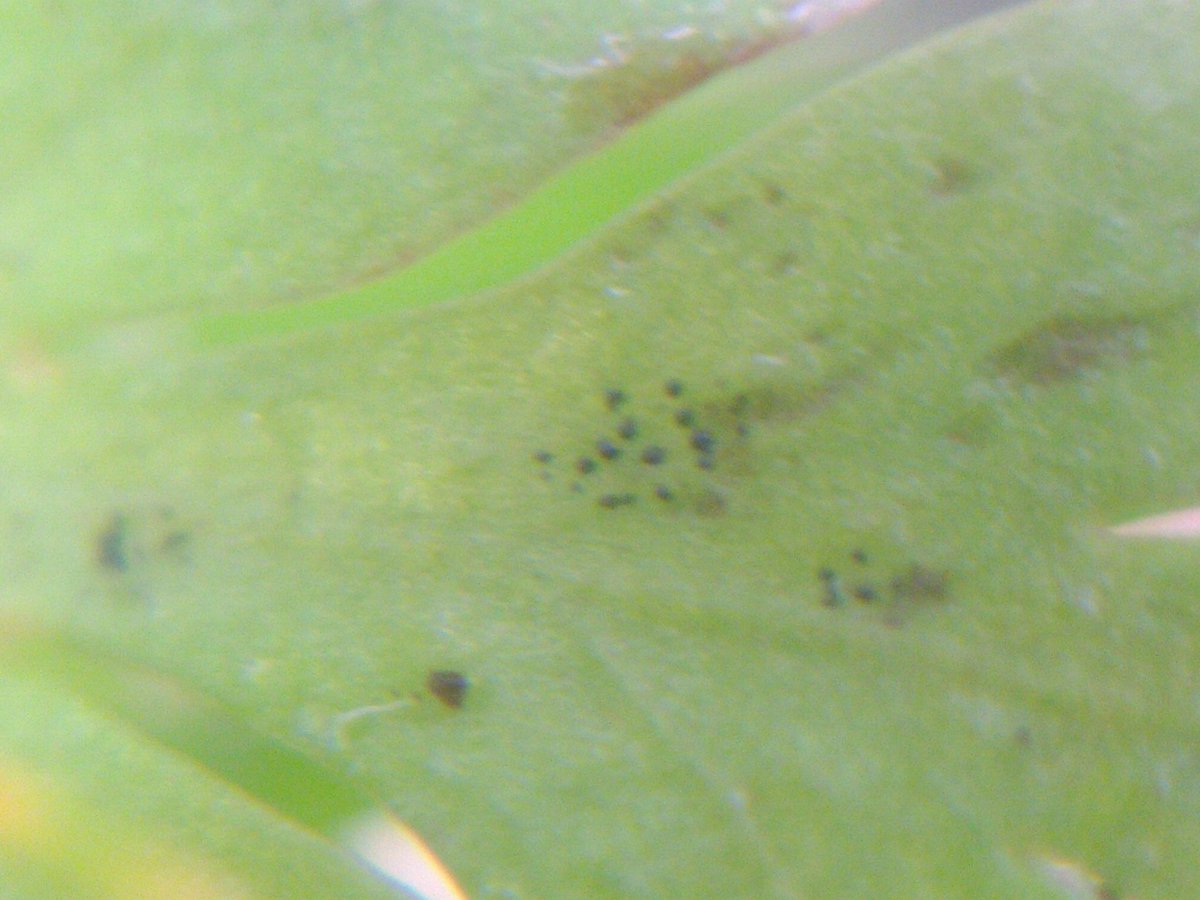
Stellaria media is host to a few species, as are the other common Stellaria and Cerastiums. I'm fairly sure this is the fungus Septoria stellariae. #wildwebswednesday@WebsWild
#wildwebswednesday Broad leaved dock providing food for everyone. Random pieces of leaf munched out, careful semi-circles, and spots where a fungus is living! @WebsWild
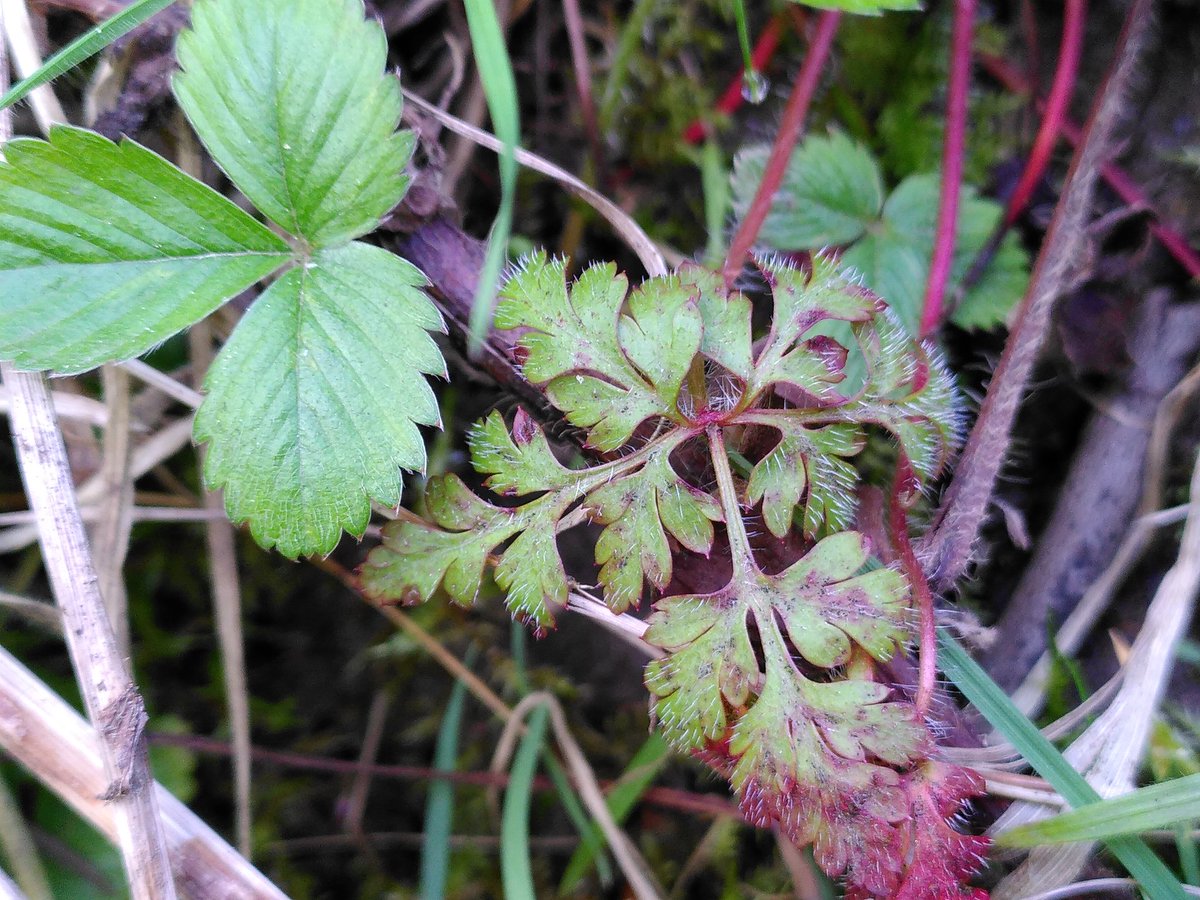
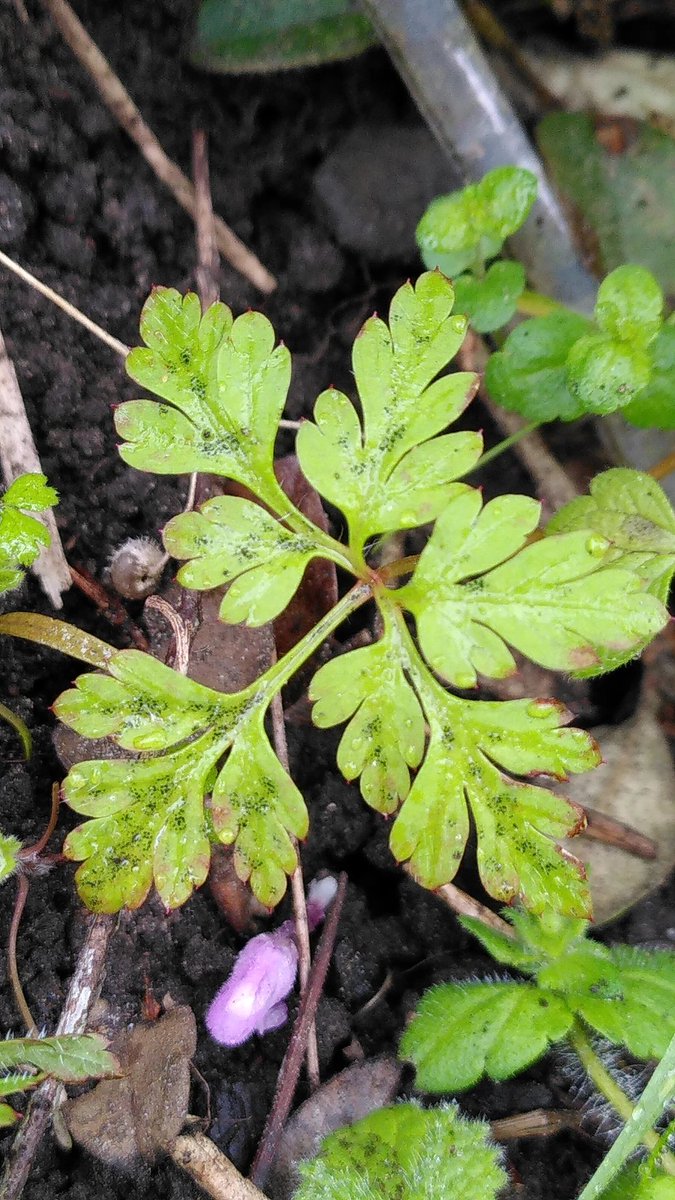
Herb Robert (Geranium robertianum), found in all sorts of habitats. If you look closely you can often find atleast some plants hosting the lovely little fungus Coleroa robertiani #wildwebswednesday@WebsWild