Why does every Indian household end a meal with saunf (fennel)? Not habit - function.
Fennel relaxes the gut’s smooth muscles, easing bloat and cramps almost immediately.
Anethole. Its active compound is the reason.
Old wisdom descent science behind it.
Traditional remedy, not medical advice!
Blueberries vs Blackberries: Which Berry Wins for Your Health? 🫐 vs
Both are antioxidant-packed superstars, but they shine in different ways. Here’s the breakdown:
Brain Power
Blueberries take the edge. Their high anthocyanins cross the blood-brain barrier, boosting memory, slowing cognitive aging, and fighting neuroinflammation.
Blood Sugar Control
Both help, but blackberries win slightly with lower sugar, more fiber, and a lower glycemic impact. Great for prediabetes and steady energy.
Fiber & Gut Health
Blackberries deliver nearly double the fiber, feeding good bacteria and supporting digestion better.
Vitamin & Mineral Boost
Blackberries lead with higher vitamin C, vitamin K, calcium, magnesium, and iron. Blueberries offer more B vitamins.
Antioxidants
In some studies, blueberries show more total antioxidant capacity, especially for heart and vascular health.
Don’t choose one. Munch on both.
These small daily wins compound into powerful longevity benefits through lifestyle medicine.
Add a mix of fresh or frozen berries to smoothies, yogurt, or salads. Consistency beats perfection.
Which berry do you reach for more — blueberries or blackberries? Tell me below 👇
#Blueberries
#Blackberries
#BrainHealth
Consuming one cup of blueberries daily may help slow or partially reverse aspects of brain aging by approximately 2.5 years, according to key research findings.
A landmark Harvard study tracking over 16,000 older women in the Nurses' Health Study found that those with higher long-term intake of blueberries and strawberries experienced significantly slower rates of cognitive decline.
The magnitude of this protection equated to the brain function differences seen in women two and a half years younger.
Blueberries are packed with potent antioxidants called anthocyanins, flavonoids that cross the blood-brain barrier. These compounds reduce oxidative stress and inflammation, which accelerate neuronal damage over time.
They also enhance cerebral blood flow, support neuroplasticity, and improve communication between brain cells, particularly in memory-related regions like the hippocampus.
Randomized clinical trials reinforce this. Older adults consuming about one cup of blueberries or equivalent powder daily for 12 to 24 weeks showed measurable gains in memory, executive function, and processing speed compared to placebo groups.
While not a miracle cure, consistent intake as part of a healthy lifestyle offers accessible neuroprotection, potentially delaying age-related cognitive slippage without side effects. Fresh, frozen, or powdered forms work effectively.
Beetroot: Nature’s Blood Pressure Shield!
High in nitrates, that turn into nitric oxide—> relax, blood vessels instantly.
Lowers high blood pressure naturally
Reduces risk of heart disease
Cuts stroke risk
Simple remedy:
Bring one glass, fresh beetroot, juice, or eat 1-2 beets every day.
Your heart and arteries will thank you!
Save and share.
🚨 Want better blood sugar control without meds or extreme diets?
A simple handful of pistachios might be one of the most underrated tools for prediabetes.
Research shows: Eating 57g (≈2 oz) of pistachios daily for 2–4 months significantly lowered fasting glucose, insulin, and insulin resistance (HOMA-IR).
It’s not just the healthy fats. Pistachios bring fiber, plant protein, polyphenols & phytonutrients that:
• Boost GLP-1
• Slash inflammation (IL-6, resistin)
Small habit. Real metabolic results.
Backed by a solid randomized trial in Diabetes Care (2014).
Who’s adding pistachios to their daily routine?
Reference:
Hernández-Alonso et al., Diabetes Care (2014)
#MetabolicHealth
#BloodSugarBalance
#Prediabetes
There is real science behind the idea that the brain changes based on repeated thought patterns — a process known as neuroplasticity. When people consistently practice habits like gratitude, mindfulness, optimism, or positive reflection, the brain can strengthen neural pathways associated with emotional regulation, resilience, motivation, and attention.
Researchers have found that focusing attention on positive experiences may help reduce chronic stress responses and shift how the brain processes future situations. Over time, this can make it easier to notice supportive relationships, opportunities, calm moments, and solutions instead of remaining stuck in cycles of fear, negativity, or hypervigilance.
This does NOT mean “just think positive” cures trauma, depression, anxiety, or hardship. Human emotions are complex, and painful emotions are valid and necessary. Toxic positivity — ignoring real struggles — is not healthy. But training the brain to intentionally recognize moments of safety, progress, connection, and gratitude can improve psychological wellbeing over time.
Studies on gratitude practices and mindfulness have linked them to:
🧠 Lower perceived stress
😴 Better sleep quality
💡 Improved focus and attention
❤️ Greater emotional resilience
🤝 Stronger social connection
📉 Reduced anxiety symptoms in some individuals
The brain is always adapting to repeated experiences and repeated thoughts. What you regularly give your attention to can gradually influence how you experience the world.
5 Tiny Habits That Actually Move the Needle
1.Drink a glass of water first thing in the morning
2.Get 5–10 minutes of natural light exposure
3.Practice 30 seconds of deep breathing
https://t.co/ipNIpDMmHx a handful of nuts or seeds daily
5.Take a brisk 5-minute walk
https://t.co/KIQaxLZvoI one paragraph of something new
7.Swap one processed snack for a whole food
8.Write down one thing you’re grateful for
9.Limit screen time before bed by 15 minutes
10.Chew slowly and mindfully during one meal
11.Listen to a song that evokes emotion
12.Stretch for 2 minutes
13.Say something kind to someone (or yourself)
14.Take a tech-free pause mid-day
15.Visualize a peaceful scene for 60 seconds
Small things, done consistently, create massive change.
🌱
Which one are you starting today? 👇
#HealthHabits
#Longevity
#WellnessTips
✨ Boost Your Metabolism Naturally – Morning & Night Routine! ✨
Want a simple, effective, and natural way to support your metabolism and feel more energetic? 💚
Try these 2 easy homemade drinks that you can include in your daily routine!
🌞 Morning Drink (Chia Seeds Water)
Ingredients:
• 1 tablespoon chia seeds
• 1 glass water
Steps:
1️⃣ Add 1 tablespoon chia seeds to a glass of water
2️⃣ Stir well to avoid clumping
3️⃣ Let it soak for 20–30 minutes (or overnight)
4️⃣ Drink on an empty stomach in the morning
💡 Tip: You can add a few drops of lemon for taste
🌙 Night Drink (Cinnamon Water)
Ingredients:
• 1 cinnamon stick (or 1 teaspoon cinnamon powder)
• 1 glass warm water
Steps:
1️⃣ Boil water and add cinnamon stick
2️⃣ Let it simmer for 5–10 minutes
3️⃣ Strain (if needed) and let it become warm
4️⃣ Drink before bedtime
💡 Tip: Avoid adding sugar for best results
✨ Best Routine:
Drink chia water in the morning & cinnamon water at night for a simple daily wellness habit.
🌞 Morning Fat Burner Drink
✔ 1 tablespoon chia seeds
✔ 1 glass of water
👉 Keeps you full, improves digestion & supports weight management
🌙 Night Fat Burner Drink
✔ 1 tablespoon cinnamon
✔ 1 glass of warm water
👉 Helps regulate metabolism & supports fat burning overnight
💡 Why these work?
✔ Boost metabolism naturally
✔ Improve digestion
✔ Help in weight management
✔ Easy to make at home
Consistency is key! Start your day right and end it smart 💫
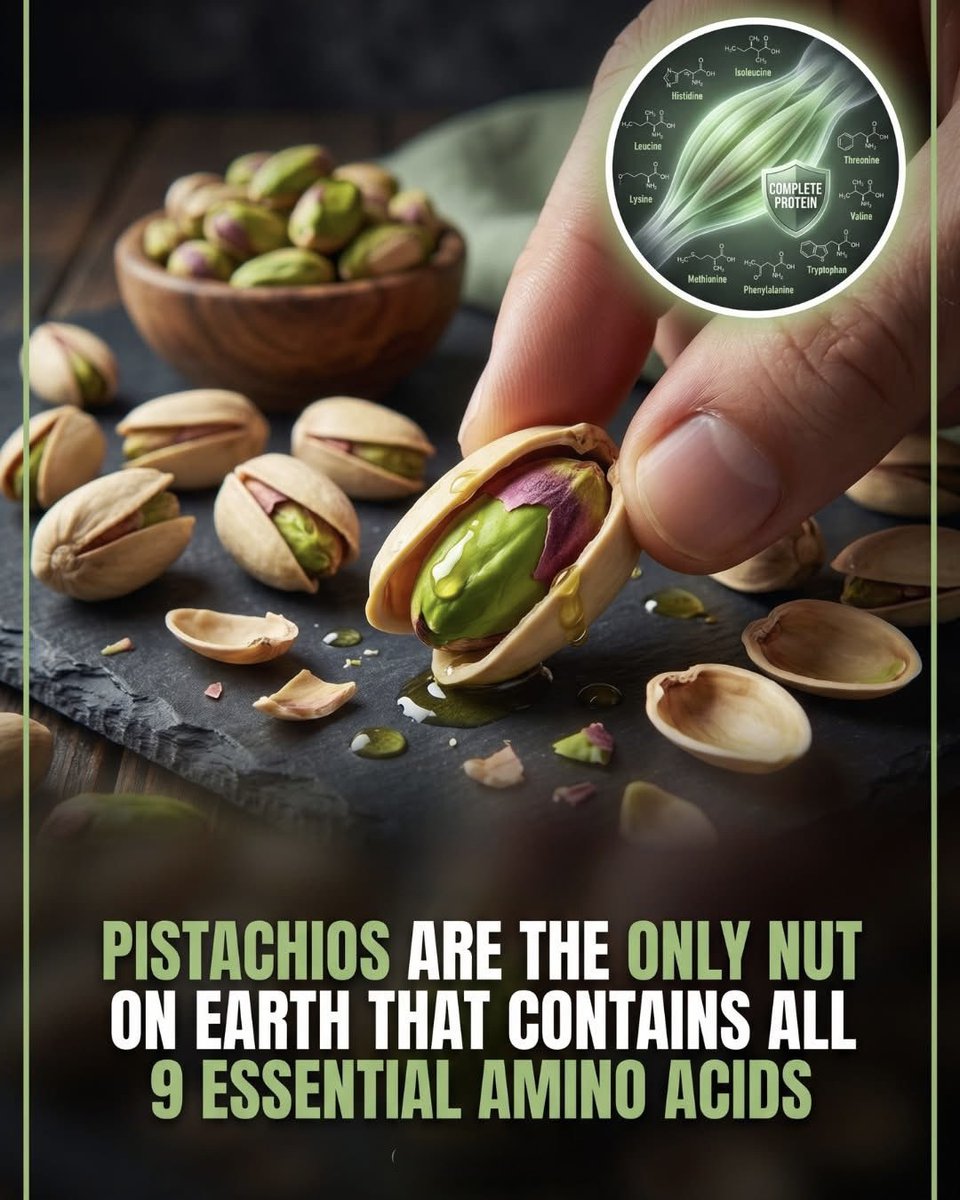
🚨 THE HIDDEN POWER OF PISTACHIOS
Scientists discovered that pistachios contain all 9 essential amino acids — something very rare for a plant-based food. These amino acids are the building blocks your body needs for muscles, energy, and repair.
For years, people thought only animal foods had “complete protein.” But pistachios quietly proved otherwise.
Next time you open a pistachio shell, remember… there may be more science inside than you ever imagined.
Source Rutherfurd-Markwick, K. J., et al. Protein quality of pistachio nuts compared with other plant-based protein foods.Nutrients.
Your thyroid is your metabolic thermostat. To convert thyroid hormone (T4) into its active form (T3), your body needs selenium. Just two Brazil nuts a day provide your entire daily requirement. It’s the easiest nutritional "insurance policy" you can buy.
#ThyroidHealth #Metabolism #Selenium
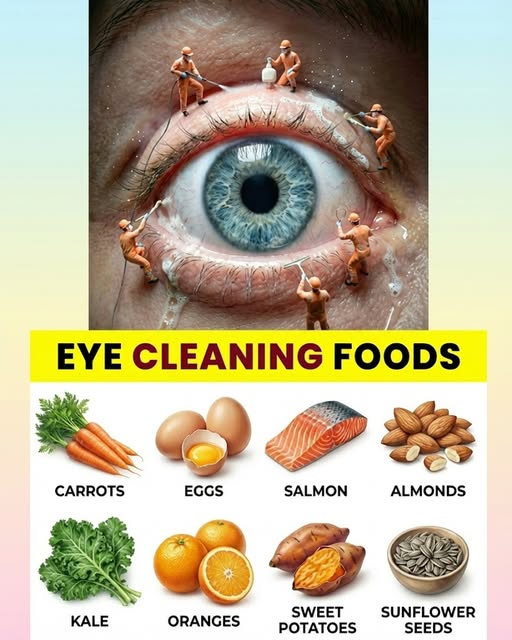
Eye-Healthy Foods: Best Foods to Improve Vision Naturally
Good vision isn’t only about glasses or eye drops. What you eat every day plays a major role in protecting your eyes, preventing dryness, night blindness, and age-related vision problems.
Why Nutrition Matters for Eye Health
Your eyes rely on specific nutrients to function properly. When these are lacking, problems like dry eyes, blurred vision, night blindness, cataracts, and age-related macular degeneration (AMD) can develop. A diet rich in vitamins A, C, E, omega-3 fatty acids, lutein, zeaxanthin, and zinc helps protect vision naturally.
Best Foods for Healthy Eyes:
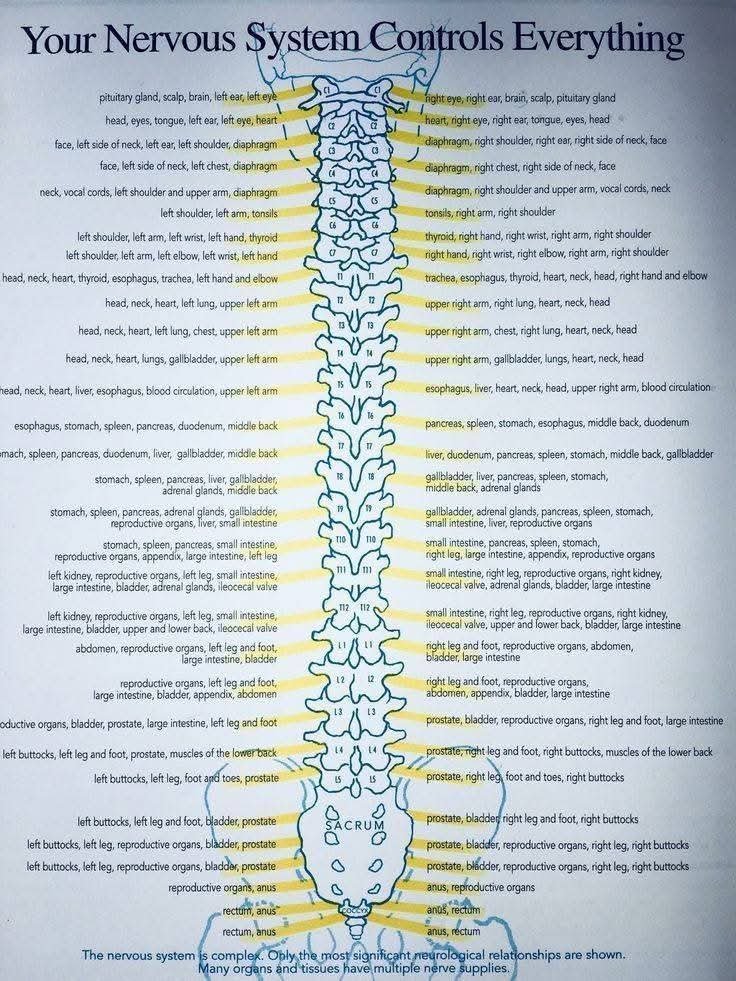
Your spine isn’t just a backbone, it’s your body’s "wiring harness."
Your spine isn’t just a stack of bones.
It’s the main cable connecting your brain to every organ, muscle, and sensation in your body.
Each level of your spine sends out branches (spinal nerves) that control specific regions.
That means:
• A nerve in your neck can affect your shoulders, arms, or even your diaphragm.
• A nerve in your mid-back can influence digestion.
• A nerve in your lower back can change how your legs feel or move.
• Pelvic nerves can affect bladder, reproductive organs, and bowel function.
Here’s why this matters:
🔹 Poor posture compresses nerves → headaches, tingling, tightness
🔹 Weak core or glutes shift spinal load → lower-back pain, hip issues
🔹 Stress changes muscle tone → tightening around the spine, altered nerve signals
🔹 Sedentary habits reduce blood flow to spinal tissues → stiffness, inflammation
🔹 Injuries can irritate nerve roots → pain that radiates far from the spine
When a nerve is irritated, the organ or muscle it serves can’t communicate as well with the brain.
That doesn’t mean one vertebra controls your entire life—but it does mean the quality of your nerve signaling affects how well your body functions.
Your nervous system really does control everything you do -
movement, breathing, digestion, heartbeat, hormones, reflexes, pain, emotion.
Protecting your spine means protecting every system that depends on it.
If you’ve ever felt pain in one place but the issue was somewhere else
✨ Secret dentists don’t want you to know: Remove tartar and whiten your teeth in just 2 minutes using everyday spices… 👀👇
Here’s how bay leaves and cloves fit into oral care! 🧵👇
This is the most powerful morning drink for boosting immunity, fighting inflammation, protecting your body from cold and flu, and giving your skin a natural glow👇👇👇
🌅 Free therapy, delivered daily. A study from the University of Exeter found that simply watching sunrises and sunsets boosts feelings of awe, which can lift your mood and even improve how you relate to others. Nature doesn’t just heal—it inspires.
#MentalHealth#NatureTherapy
Reference:
New research quantifies the “wow” factor of sunrise and sunset for the first time - University of Exeter. https://t.co/95rZ7IgS7E. Published 2023.