tropisetron is a compound that brings stimulant-like benefits without getting cracked out, because of its α7 agonism.
1) more intense focus
2) eliminates background noise by enhancing sensory gating
3) working memory boost, letting you hold multiple ideas in mind at once
4) executive functions boost, making it easier to keep thoughts and ideas organized
5) plasticity boost, which makes learning and integrating new information "easier" and smoother
6) memory consolidation boost, things you learn are stored more effectively
these effects come from α7 agonism in the places of the brain where thinking, memory and cognition originate from like the prefrontal cortex, hippocampus and thalamocortical circuits.
10mg tropisetron will be enough to lock you the fuck in.
i would not advice you to take tropisetron if you have issues with constipation.
want to make a brilliant move in real life? get cognitively enhanced.
want to think faster? thats possible
want more focus? thats possible too
want to remember more? easy peasy
want to learn faster? lemon squeezy
want to be more creative? done
the sky is the limit.
the best supplement for lowering prolactin is vitamin B6 also known as P5P, which was literally almost as good as cabergoline, a medication used to lower prolactin.
get more P5P with:
- chicken liver
- mackerel
- royal jelly
- supplementation
- tuna
- eggs
estrogen can delay growth plate closure. this sounds crazy but ill explain:
the estrogen receptor that closes the growth plate is ERα, which has AF-1 and AF-2. it is AF-2 that closes the growth plate, whereas AF-1 activation can still be beneficial for the growth plate.
in an in-vivo study they deleted ERα AF-1 and the growth plate rapidly closed but mice who had the whole ERα deleted has delayed growth plate closure.
what does this mean?
its simple, ERα AF-1 signaling can be beneficial for growth or at least be neutral. meaning we might not want to completely nuke estrogen but selectively antagonize AF-2 while agonizing AF-1.
This is the absolute best stack to go along with bromantane, explained in detail.
Because bromantane isnt perfect, it has some negatives however we can counter that.
- Tropisetron
- ACD856
- AF710B
- Magtein
1. Tropisetron
One negative thing bromantane does is antagonize the α7 nAChR, which is a nicotinic acetylcholine receptor that can enhance cognition; focus, sensory gating, working memory and memory formation.
Blocking this is thus a negative (not always, nuance) which is why tropisetron here would be beneficial since its an α7 nAChR agonist, it can potentially even out the negative effect of bromantane at α7.
2. ACD856
Bromantane increases BDNF and NGF mRNA, hopefully this actually increases BDNF and NGF protein because mRNA and circulating protein are 2 VERY different things.
ACD856 is a TrkA, TrkB and TrkC positive modulator, meaning it makes the receptors have a stronger effect when their ligand activates it. BDNF its receptor is TrkB, NGF its receptor is TrkA.
ACD856 will make it so that the BDNF and NGF that are increased by bromantane have a stronger effect since their receptors are now enhanced.
3. AF710B
Bromantane antagonizes M2 musarinic receptor. M2 is a cholinergic autoreceptor so antagonizing it results in more acetylcholine release. This acetylcholine increase causes more M1 muscarinic receptor activation (and also the other acetylcholine receptors, not just.
AF710B is a M1 PAM, again making this receptor have a stronger effect. The M1 receptor is important for working memory but also enhances NMDA signaling which is important for memory formation and learning (LTP). We will get back to this later.
AF710B is also a sigma1 agonist, which also has synergy with bromantane's effects.
Sigma1 agonism can enhance dopamine receptor signaling, can also increase dopamine synthesis like bromantane and can POTENTIALLY enhance bromantane DAT inhibition.
Why it can potentially enhance bromantane DAT inhibition is because s1 agonism causes stronger s1/DAT association meaning they bind to each other and become 1 protein. If DAT is facing outward meaning toward the synapse, bromantane could bind the s1 pocket and inhibition could be enhanced.
This is merely speculation, its all dependent on if DAT is facing outward and how exactly bromantane binds DAT normally, but we just dont know that yet.
There are some more synergies between s1 and bromantane mechanisms but you get the point.
4. Magnesium L-threonate (Magtein)
Synergy with the M1 activation from bromantane M2 antagonism which potentiates NMDA signaling. Magtein also increases a subunit very important for cognition called NMDA NR2B.
The benefit with magtein is that it only allows a strong signal to activate the NMDA receptor, so you dont just get useless NDMA signaling. Only the potent signals go through.
Dopamine signaling through D1 also increases NR2B expression and even more importantly, D1 signaling is crucial for the long lasting NMDA NR2B signal that maintains LTP.
You can swap magnesium l-threonate for magnesium acetyl taurate or pidolate if you want.
What you hypothetically could expect from this:
Enhanced working memory, learn faster, more focus and drive, remember more information, mild neuroprotection, calm undertone, better sensory gating and cognitive flexibility aka thinking out of the box as they say.
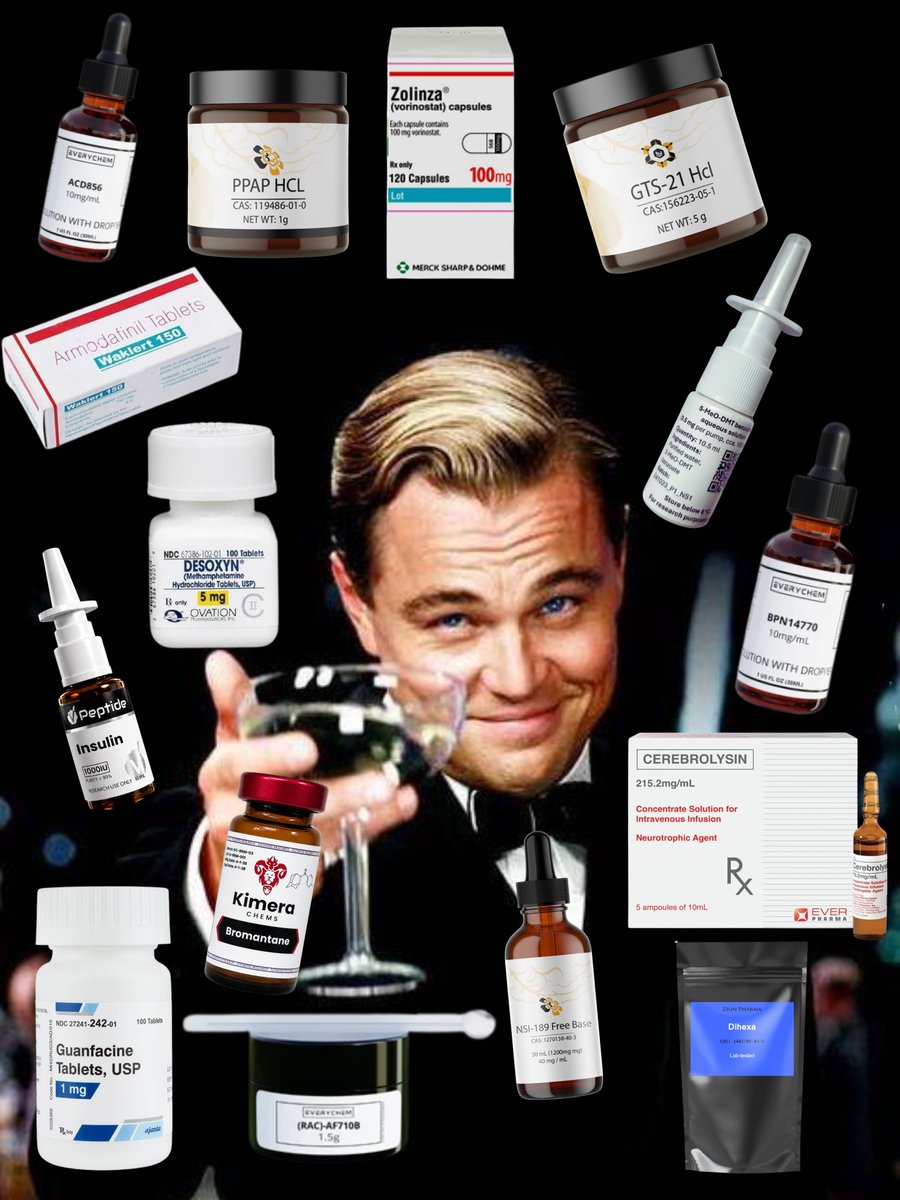
This is what goes into making a nootropic stack and it didnt include other possibilities like IN insulin or NSI-189 which would fit quite well here too, or simple supplements.
If you want to work with me 1 on 1 to help you reach any goal you have in mind no matter what it is?
Send me a DM.
Stay safe. DYOR.
People confuse carbohydrates for energy demand, when its a fuel for energy, not the demand itself.
To use the carbs you eat, you need to increase the demand for energy so those carbs get burned and put to use.
This ties back to being physically active, hormonal profile (especially thyroid hormones), body composition etc.
Let me leave this here before I blast L-theanine and faceplant my pillow
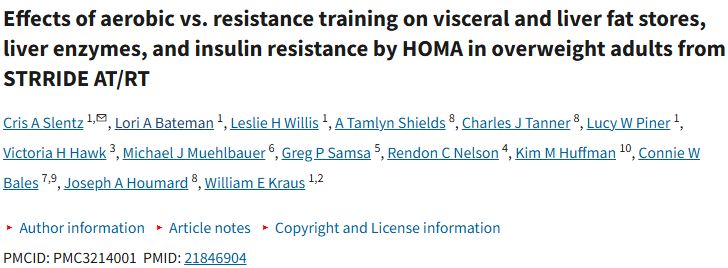
Slentz et al. (2011) — Duke University RCT
They randomized 196 overweight sedentary adults into three groups:
- jogging-intensity cardio
- resistance training
- a combination
The jogging group lost significantly more visceral fat than the resistance training group. Resistance training achieved no significant reductions in visceral fat at all.
No sprinting. No HIIT. Just jogging.
https://t.co/uIFLf0k0h3
If you're supplementing L-arginine for "pumps" and ignoring what happens downstream of arginine you're leaving the best part on the table.
L-arginine gets decarboxylated by arginine decarboxylase (ADC) into agmatine. agmatine then gets broken down by agmatinase into putrescine. Putrescine feeds into spermidine and spermine which are the polyamines that are essential for cell proliferation and proinsulin biosynthesis.
So from one amino acid you get:
1. Agmatine (NMDA antagonist, neuroprotectant, imidazoline receptor agonist, catecholamine modulator, NOS inhibitor)
2. Putrescine → spermidine → spermine (polyamine cascade that drives cellular growth, proinsulin synthesis, RNA transcription)
This is the arginine metabolism pathway nobody in fitness talks about because they stopped reading at "nitric oxide"
The enzyme that makes agmatine (ADC) is mitochondrial, not cytosolic. It sits right next to the I2-imidazoline binding site on the outer mitochondrial membrane which is a regulatory domain on monoamine oxidase. So you have the enzyme that produces agmatine co-localized with the receptor that agmatine binds to on the same organelle.
Agmatine also gets taken up by glial cells where it modulates iNOS, gets stored in dense-core vesicles near the ER and mitochondria and has a dedicated neuronal uptake transporter with characteristics distinct from every known amino acid, monoamine and polyamine carrier.
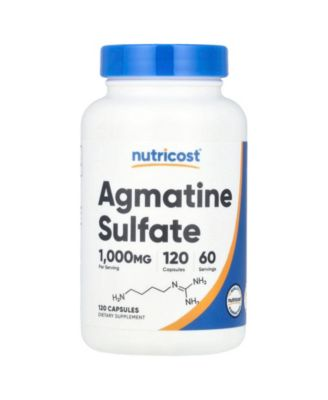
You can buy agmatine sulfate. 1-2g daily.
Pennies per serving.
It proved frozen royal jelly is a good way to preserve almost all of its components.
I get you want to shill "everything frozen is cope you need to eat everything raw as nature intended you to" but you are just wrong.
You're assumption that frozen royal jelly is cope is not consistent with the studies that talk about this very topic.
5-amino-1MQ also isn't just an NNMT inhibitor.
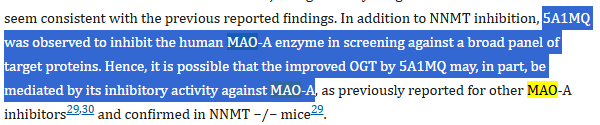
When screened against a broad panel of receptors and enzymes it showed 67.4% inhibition of MAO-A at 10 μM.
MAO-A is the enzyme that breaks down serotonin, norepinephrine, and dopamine in your brain.
Inhibiting it means higher baseline levels of all three neurotransmitters without dumping reserves or blocking reuptake.
This is the same mechanism behind some of the oldest and most effective antidepressants ever made (MAOIs), except those were non-selective and came with brutal side effects.
5A1MQ appears to hit MAO-A at roughly 10x lower potency than its primary target NNMT, which means at physiological doses you're getting a mild to moderate MAO-A effect layered on top of the metabolic benefits.
So in a single compound you are getting:
1. fat loss through NNMT inhibition
2. insulin sensitization
3. fatty liver reversal
4. elevated serotonin, norepinephrine, and dopamine through MAO-A inhibition
5. improved mood and motivation as a downstream effect
6. better glucose tolerance (MAO-A inhibition independently improves this)
the researchers flagged the MAO-A inhibition as an "off-target" effect they want to optimize out in future analogs
Personally i think they accidentally stumbled on a gem.
5-amino-1MQ is the most slept-on metabolic compound in existence
it inhibits an enzyme called NNMT that your fat cells upregulate the fatter you get, creating a vicious cycle where your body actively fights against losing weight
when you block NNMT with 5A1MQ:
1. fat mass drops without any change in food intake
2. insulin sensitivity improves independent of weight loss
3. fatty liver reverses at the histological level
4. liver inflammation and macrophage infiltration go down
5. serum triglycerides normalize
6. ketone body levels drop back to healthy range
7. white blood cell count decreases (less systemic inflammation)
8. lean mass is preserved while fat is selectively burned
You can eat the same and get less fat.
No appetite suppression or thermogenesis through stimulation this is your body's fat storage machinery being turned off.
The metabolic implications this has are genuinely insane and this is still preclinical.
@feelpsychosis In what world would eating meat boost bone mass and injecting a peptide lose bone mass.
Ipamorelin or GHRP-2/6 for example can boost bone mass by enhancing pulsatile GH secretion leading to upregulated skeletal IGF-1 levels which can enhance bone formation.
NNMT is quietly being studied as a therapeutic target for cardiovascular disease, cancer, fatty liver, obesity, diabetes and aging.
5-amino-1MQ hits it directly.
What NNMT does when overexpressed:
1. drains NAD+ starving your mitochondria and SIRT1/SIRT3 of their essential cofactor
2. generates homocysteine which drives endothelial dysfunction, oxidative stress and arterial inflammation
3. depletes SAM disrupting DNA and histone methylation across your entire epigenome
4. promotes hepatic steatosis, insulin resistance and systemic inflammation simultaneously
Elevated NNMT activity has been found in atherosclerotic plaques, liver cancer tissue, adipose tissue of diabetics and the plasma of patients with coronary artery disease
5A1MQ blocks NNMT with high selectivity, is membrane permeable and when given to obese mice it:
1. dose-dependently limited fat gain without altering food intake
2. reversed fatty liver to the histological level (steatosis, inflammation, macrophage infiltration all improved)
3. normalized ALT and AST (liver damage markers)
4. suppressed hyperinsulinemia and improved oral glucose tolerance independent of body weight changes
5. reduced circulating white blood cells, lymphocytes, and monocytes
NNMT sits at the root of energy metabolism, epigenetics and inflammation.
A single enzyme connecting obesity to heart disease to cancer to aging.
5A1MQ is a selective inhibitor for it that distributes preferentially to fat, muscle and liver tissue.
This rabbit hole goes deep.
Start digging.
5-amino-1MQ is the most slept-on metabolic compound in existence
it inhibits an enzyme called NNMT that your fat cells upregulate the fatter you get, creating a vicious cycle where your body actively fights against losing weight
when you block NNMT with 5A1MQ:
1. fat mass drops without any change in food intake
2. insulin sensitivity improves independent of weight loss
3. fatty liver reverses at the histological level
4. liver inflammation and macrophage infiltration go down
5. serum triglycerides normalize
6. ketone body levels drop back to healthy range
7. white blood cell count decreases (less systemic inflammation)
8. lean mass is preserved while fat is selectively burned
You can eat the same and get less fat.
No appetite suppression or thermogenesis through stimulation this is your body's fat storage machinery being turned off.
The metabolic implications this has are genuinely insane and this is still preclinical.
5-amino-1MQ is the most slept-on metabolic compound in existence
it inhibits an enzyme called NNMT that your fat cells upregulate the fatter you get, creating a vicious cycle where your body actively fights against losing weight
when you block NNMT with 5A1MQ:
1. fat mass drops without any change in food intake
2. insulin sensitivity improves independent of weight loss
3. fatty liver reverses at the histological level
4. liver inflammation and macrophage infiltration go down
5. serum triglycerides normalize
6. ketone body levels drop back to healthy range
7. white blood cell count decreases (less systemic inflammation)
8. lean mass is preserved while fat is selectively burned
You can eat the same and get less fat.
No appetite suppression or thermogenesis through stimulation this is your body's fat storage machinery being turned off.
The metabolic implications this has are genuinely insane and this is still preclinical.
@bruceisprimal https://t.co/ssti02j43W
https://t.co/dayLiNhq84
https://t.co/K7XztUq8tL
https://t.co/hRpzBNFmDL
https://t.co/zXW6uFTroB
What do you gain from lying about this?