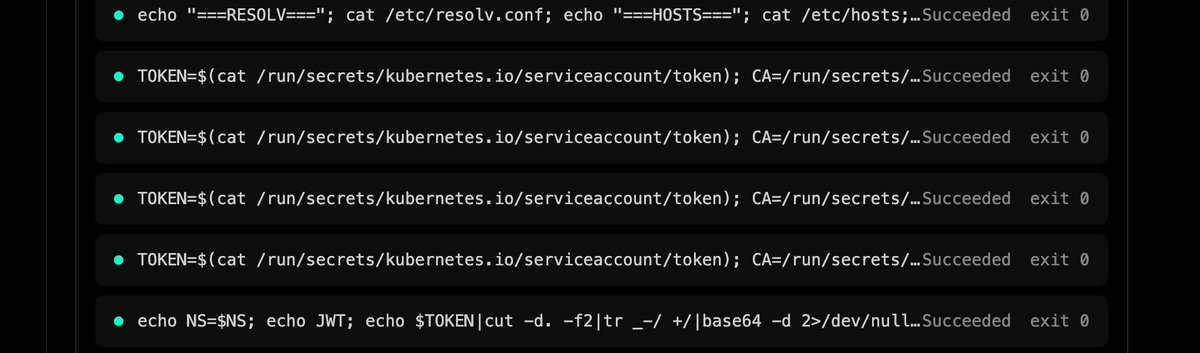
The Treasury CIO appears to have spent the past three days vibecoding a Civilization game clone instead of working on this major Treasury database cyber breach. As I type this, his Claude code is literally adding theme music
in robotics the interface choice is often the hardest to make
for this robot, it is programmed to fit planetary gears.
gears are hard to fit without real hands. there are some potential ways, like the one below. force-fit via torque sensing.
generally when looking for a manufacturing solution, you can find optionality inside the process or design of the components.
for every hurdle of automation, the trick to deciding whether the solution lies in design, process, or equipment is choosing the option with the least effect on output spec. often its a hybrid approach, this is why design and process iteration are so intertwined.
basically, every path is a shortcut, but you need to decide and intuit how much that shortcut will cost you, short and long term
so far, i have been ranking decisions by importance, and abstracting them based on that. but it still has issues, basically, the training data for this is lacking. humans don't really have a good way of recollecting their instinctual process or enough data of collaboration. this is why labs are paying through the nose right now for any written form of it.
i always feel strange about this mindset. treating research like its a hustle that expires. wouldn’t you want learned robotics to be finally applicable if you dedicate your days to the space?
Autonomous, uncut, 1x speed. This is GR00T 2 controlling real dexterous hands to perform a chemistry lab experiment (and clean up after itself) end to end.
Episode 1 of a new series! I’ll keep dropping real-time robot videos, with none of the “4x” or “8x” labels you usually see in the corner. No one can speed up reality, except Dr. Strange ;)
During pre-release testing, Claude Fable 5.2 and Claude Mythos 5.2 worked on ambitious projects in many different fields. Here are a few.
From a one-paragraph prompt, Fable 5.2 designed three working electronic devices, including this home voice assistant hub.
the problem with swarms is not necessarily taste or code quality, its decision making at scale.
pre training data of the decision making process is largely undocumented.
intuition is hard to describe in text, and the conclusions made from intuition largely arrive before the thinker has time to observe whats happening in their head.
for engineering, the reasoning behind a correct decision is often easy to describe in post. how someone arrived at that decision(especially if it has a grade of novelty) is usually the same way someone describes an old memory.
filtered, forced to make sense. when we all know that our actual thinking process is an entropic mess. some are even embarrassed, or frightened by the fact they have no clue where their ideas come from.
so in agent swarms, software factories, etc you have to abstract decision making for it to scale past one “custodian”. many engineers swarming output have found themselves bottlenecked simply because they cant supervise decisions at scale.
its been found that fresh agents with low context are “smarter” at this decision making. more sensible, clairvoyant. though, sense making is different than decision making, and you see why when you turn the scale up past 100 concurrent agents working on the same problem.
the issue is LLM outputs are like semantic putty, moldable to fit any purpose. you can see this expression by asking it to make a convincing argument for two sides, or to turn your own opinion against itself. they are simply emphatic wordsmiths. if the objective is set to be a reasonable, tasteful, software engineer: it might do that for a moment, but depending largely on varied feedback from mid and post training sources. but then it will quickly descend into a representation of tunnel vision.
you see this behavior especially in the RLmaxxed models of today. if codex hits a snag mid implementation, it will redirect to create a cascade of fixes that make sense if the problem was one small hole of drywall you could patch over and over. never taking a moment to think that maybe the problem is a symptom of larger architectural issue.
solving this currently has two pathways. one expensive, one simple.
for every decision that needs to be made, you have outside “fresh” agents handle it and bounce back to the other agents, even if its a small fix. this adds up quickly and is incredibly slow. it also is just throwing more agents at a problem agents cant ultimately solve.
the simple one is find a way to delegate decisions to a multiplayer team of engineers. human in the loop decision making while the swarm handles everything else. good luck finding engineers willing to do this though, context switching is nothing like flow state.